

Japan’s tourism industry, which has experienced a strong post-pandemic rebound, is facing a significant challenge: a sharp decline in visitors from China. Recent data shows that Chinese arrivals to Japan fell by around 60% in January 2026, raising concerns across the travel, retail, and hospitality sectors.
Given that Chinese tourists were once among the largest and highest-spending visitor groups to Japan, this sudden drop highlights how sensitive tourism flows are to geopolitical tensions, economic conditions, and shifting travel behavior.
This article explores the reasons behind the decline, its economic impact, and what it means for Japan’s tourism future.
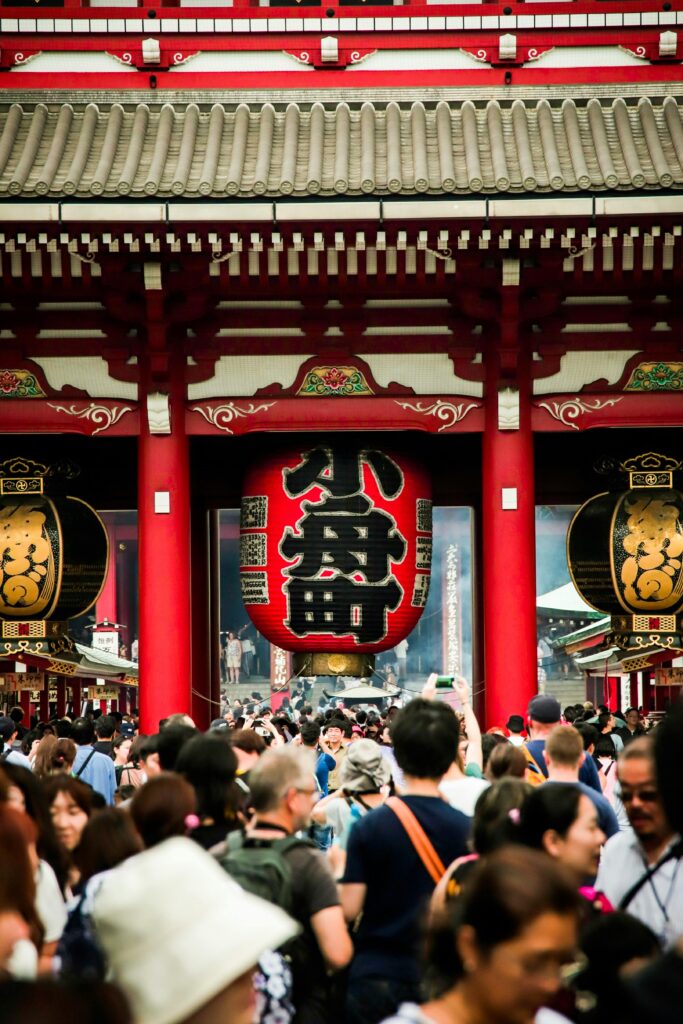
The Importance of Chinese Tourists to Japan
Before the pandemic, China was Japan’s largest source of inbound tourists.
Chinese visitors were particularly valuable because they:
- Spent heavily on shopping, especially luxury goods and electronics
- Traveled in both group tours and independent trips
- Visited major cities such as Tokyo, Osaka, and Kyoto
- Contributed significantly to retail sectors like duty-free stores
In peak years, Chinese tourists accounted for billions of dollars in annual spending, making them a cornerstone of Japan’s tourism economy.
What Caused the 60% Decline?
The sharp drop in Chinese visitors is not due to a single factor, but rather a combination of economic, political, and behavioral influences.
1. Economic Slowdown in China
China’s domestic economy has faced challenges in recent years, including:
- Slower economic growth
- Youth unemployment concerns
- Reduced consumer confidence
As a result, discretionary spending on international travel has declined for many Chinese households.
2. Currency Exchange Rates
The relative strength of the Japanese yen compared to the Chinese yuan can influence travel affordability.
Even small fluctuations can impact:
- Hotel costs
- Shopping budgets
- Travel package pricing
Price sensitivity has become more pronounced among travelers.
3. Geopolitical Tensions
Diplomatic relations between China and Japan have experienced periodic strain.
Issues such as:
- Territorial disputes
- Trade disagreements
- Political rhetoric
can influence public sentiment and travel decisions.
Even when travel is technically allowed, perception plays a major role in destination choice.
4. Changing Travel Preferences
Chinese travelers are evolving in how they travel.
Recent trends include:
- More independent travel instead of large group tours
- Preference for new or less crowded destinations
- Increased domestic tourism within China
- Interest in Southeast Asia and other nearby regions
Japan remains popular, but it now faces stronger competition.
5. Flight Capacity and Travel Logistics
Air travel availability also affects tourism flows.
Although international flights have largely recovered, factors such as:
- Airline route adjustments
- Ticket pricing
- Travel restrictions in past years
continue to shape travel patterns.

Economic Impact on Japan
The decline in Chinese visitors has several ripple effects across Japan’s economy.
Retail Sector
Chinese tourists are known for high spending on:
- Cosmetics
- Electronics
- Luxury goods
- Souvenirs
A drop in visitors directly affects retail sales, especially in areas like:
- Ginza (Tokyo)
- Shinsaibashi (Osaka)
- Duty-free shopping districts
Hospitality Industry
Hotels and tour operators that previously catered to Chinese groups may see:
- Lower occupancy rates
- Reduced group bookings
- Increased competition for other international markets
Regional Tourism
While major cities attract most visitors, regional destinations also benefit from Chinese tourism.
A decline may impact:
- Rural tourism businesses
- Transportation services
- Local attractions dependent on international visitors
Japan’s Diversification Strategy
Japan has been actively working to diversify its tourism base.
Efforts include attracting visitors from:
- South Korea
- Taiwan
- Southeast Asia
- Europe and North America
In recent years, some of these markets have shown strong growth, helping offset declines from China.
The Rise of High-Value Tourism
Japan is also shifting toward a “high-value tourism” strategy, focusing on:
- Luxury travel experiences
- Cultural immersion tourism
- Rural and eco-tourism
- Longer visitor stays
This approach aims to increase spending per visitor rather than relying solely on high volume.
Domestic Tourism as a Buffer
Domestic tourism continues to play a key role in stabilizing Japan’s travel industry.
Japanese residents traveling within the country support:
- Hotels and ryokan (traditional inns)
- Restaurants
- Local transportation
- Cultural attractions
Strong domestic demand can help cushion the impact of international fluctuations.
Long-Term Outlook
Despite the current decline, Chinese tourism to Japan is unlikely to disappear entirely.
Factors that could support recovery include:
- Improved economic conditions in China
- Stabilization of diplomatic relations
- Increased flight capacity
- Renewed marketing efforts targeting Chinese travelers
Historically, tourism flows between the two countries have shown resilience over time.
Frequently Asked Questions
Why did Chinese tourism to Japan drop by 60%?
The decline is due to a mix of economic slowdown in China, geopolitical tensions, changing travel preferences, and pricing factors.
Are Chinese tourists still visiting Japan?
Yes, but in significantly lower numbers compared to previous years.
How important are Chinese visitors to Japan?
They have historically been one of the largest and highest-spending groups of international tourists.
Which sectors are most affected?
Retail, hospitality, and tourism services—especially in major cities—are most impacted.
Is Japan attracting tourists from other countries?
Yes. Japan is seeing growth in visitors from South Korea, Southeast Asia, Europe, and North America.
Will Chinese tourism recover?
It is likely to recover over time, depending on economic conditions and political relations.
What is Japan’s tourism strategy moving forward?
Japan is focusing on diversification and attracting higher-spending visitors rather than relying on a single market.
Conclusion
The sharp decline in Chinese visitors highlights the vulnerability of tourism to external factors such as economic shifts and geopolitical tensions. For Japan, a country that has long benefited from strong inbound tourism, the situation underscores the importance of diversification and adaptability.
While the drop presents short-term challenges, it also reflects broader changes in global travel behavior. By expanding its tourism markets and focusing on high-value experiences, Japan is positioning itself for a more resilient future.
In the long run, the recovery of Chinese tourism—combined with growth from other regions—will likely shape the next phase of Japan’s evolving tourism landscape.

Sources CNBC

