

As Japan continues to experience a strong rebound in international tourism, a new and sometimes controversial idea is gaining attention: dual pricing, where foreign visitors are charged different prices than local residents for the same goods or services.
A government panel linked to Japan’s tourism agency has begun exploring whether such pricing models could help manage the pressures of rising tourism while supporting local communities. The proposal reflects a broader challenge facing popular destinations worldwide—how to welcome visitors while ensuring that tourism remains sustainable and fair for residents.
This article examines the concept of dual pricing in Japan, the reasons behind it, its potential benefits and drawbacks, and how it fits into global tourism trends.
What Is Dual Pricing?
Dual pricing refers to a system where different groups of customers are charged different prices for the same product or service. In the tourism context, this often means:
- Lower prices for local residents
- Higher prices for international visitors
This model is already used in various countries, particularly for:
- National park entry fees
- Cultural heritage sites
- Museums and attractions
In Japan, however, the idea is relatively new and raises important questions about fairness, transparency, and visitor experience.
Why Japan Is Considering Dual Pricing
Japan has seen a surge in tourism in recent years, with millions of visitors drawn to its culture, food, technology, and natural beauty.
While this growth has boosted the economy, it has also created challenges.
1. Overcrowding in Popular Destinations
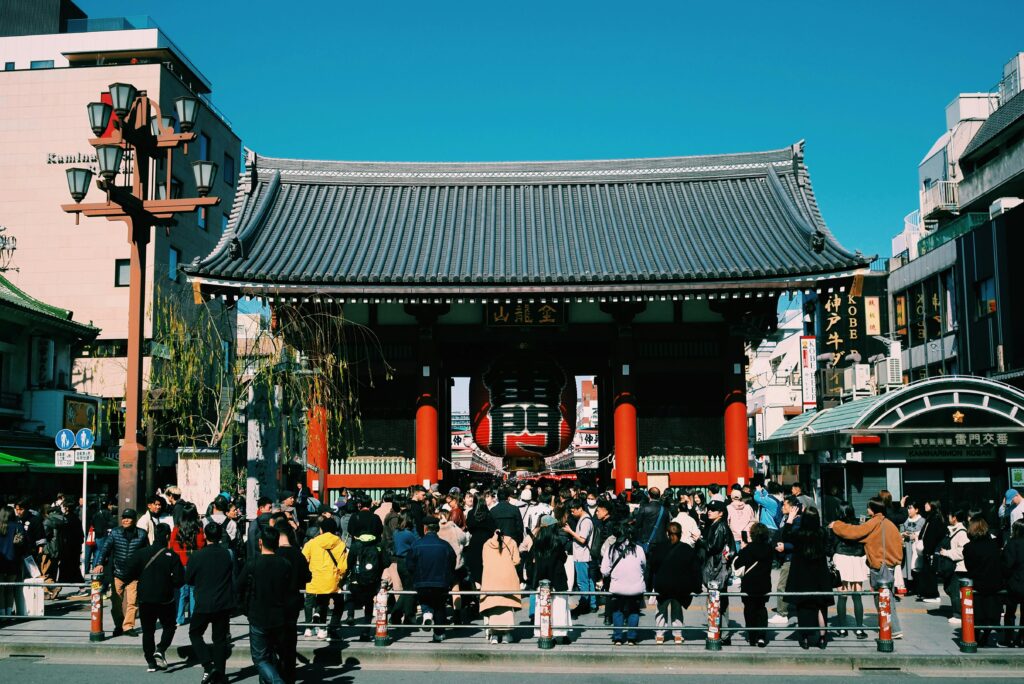
Cities such as Tokyo, Kyoto, and Osaka have experienced heavy tourist traffic, especially at:
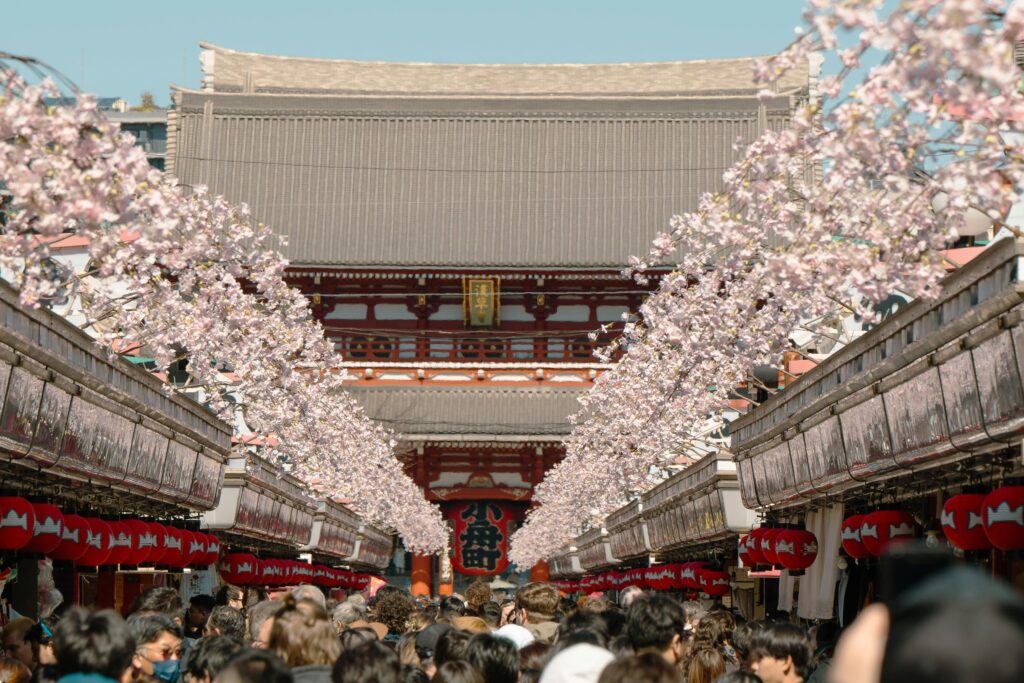
- Historic temples and shrines
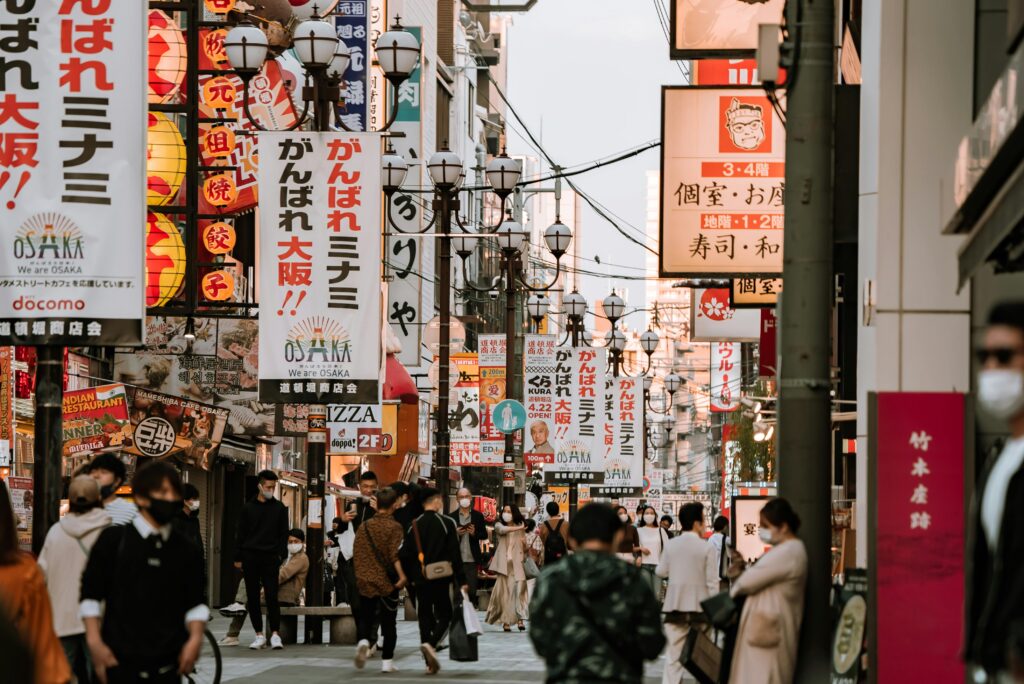
- Shopping districts
- Public transportation systems
Local residents sometimes face congestion, longer wait times, and rising costs in their own neighborhoods.
2. Rising Costs for Residents
Increased tourism demand can lead to higher prices for:
- Accommodation
- Dining
- Transportation
Dual pricing is seen by some policymakers as a way to protect affordability for local residents.
3. Funding Infrastructure and Services
Tourism places additional pressure on infrastructure, including:
- Public transportation
- Waste management systems
- Cultural heritage preservation
Charging higher fees to tourists could help fund these services without burdening local taxpayers.
Potential Benefits of Dual Pricing
Supporters of dual pricing argue that it offers practical solutions to modern tourism challenges.
Supporting Local Communities
Lower prices for residents ensure that locals can continue to enjoy cultural sites and services without being priced out by tourism demand.
Generating Revenue for Tourism Management
Additional revenue from tourists can be reinvested into:
- Infrastructure improvements
- Heritage conservation
- Visitor management systems
Managing Tourist Demand
Higher prices for visitors may help reduce overcrowding at popular attractions, encouraging more balanced tourism flows.
Concerns and Criticism
Despite its potential advantages, dual pricing remains controversial.
Perception of Discrimination
Critics argue that charging different prices based on nationality may be perceived as unfair or discriminatory.
Tourists may feel unwelcome if they believe they are being treated differently.
Impact on Japan’s Image
Japan is known for its hospitality, often referred to as “omotenashi.”
Introducing dual pricing could conflict with this cultural value if not implemented carefully.
Practical Challenges
Implementing dual pricing requires clear systems to distinguish between residents and tourists.
Questions include:
- How will eligibility be verified?
- Will the system apply nationwide or only in certain areas?
- How will businesses communicate pricing differences transparently?
Global Examples of Dual Pricing
Japan is not alone in considering or using dual pricing.
Many countries already apply similar systems.
Southeast Asia
Countries like Thailand and Indonesia often charge higher entrance fees for foreign visitors at national parks and historical sites.
Europe
Some European museums offer discounted or free entry for local residents or EU citizens.
South America and Africa
Dual pricing is common in national parks, where tourist fees help fund conservation efforts.
These examples show that dual pricing can work, but its success depends on how it is implemented and perceived.
Alternative Approaches to Managing Tourism
Dual pricing is just one of several strategies being considered to manage tourism growth.
Other approaches include:
Tourist Taxes
Cities may charge visitors a small fee per night to fund local infrastructure and services.
Reservation Systems
Timed entry systems can limit crowd sizes at popular attractions.
Promoting Regional Tourism
Encouraging visitors to explore less crowded areas helps distribute tourism more evenly.
Sustainable Tourism Policies
Long-term planning focuses on balancing economic benefits with environmental and social impacts.
The Role of Technology
Technology may play a key role in implementing and managing dual pricing systems.
Possible solutions include:
- Digital ID verification systems
- Mobile ticketing platforms
- Dynamic pricing models based on demand
These tools can help ensure transparency and efficiency.
The Future of Tourism in Japan
Japan’s tourism industry is at a crossroads. The country aims to continue attracting international visitors while preserving the quality of life for residents.
Dual pricing represents a broader shift toward more managed and sustainable tourism models.
As global travel continues to grow, Japan’s approach could influence how other countries address similar challenges.
Frequently Asked Questions (FAQs)
1. What is dual pricing in tourism?
Dual pricing is a system where locals and tourists are charged different prices for the same services or attractions.
2. Why is Japan considering dual pricing?
To manage overcrowding, support local residents, and generate funding for tourism-related infrastructure.
3. Is dual pricing common worldwide?
Yes. Many countries use it for national parks, museums, and cultural sites.
4. Will dual pricing apply to all services in Japan?
It is still under discussion and would likely apply only to certain attractions or services.
5. Is dual pricing considered unfair?
Opinions vary. Some see it as practical, while others view it as discriminatory.
6. How would Japan implement dual pricing?
Potential methods include ID verification systems or residency-based discounts.
7. Are there alternatives to dual pricing?
Yes. Tourist taxes, reservation systems, and regional tourism promotion are common alternatives.
8. Will dual pricing affect tourism in Japan?
It could influence visitor perceptions, but its impact will depend on how it is implemented and communicated.
Conclusion
Japan’s exploration of dual pricing highlights the evolving challenges of modern tourism. As visitor numbers grow, governments must find ways to balance economic benefits with the needs of local communities.
While dual pricing offers potential advantages in managing demand and supporting infrastructure, it also raises important questions about fairness and cultural values.
Ultimately, the success of such policies will depend on thoughtful implementation, clear communication, and a continued commitment to the welcoming spirit that defines Japan’s global reputation.
Sources The Japan Times

