
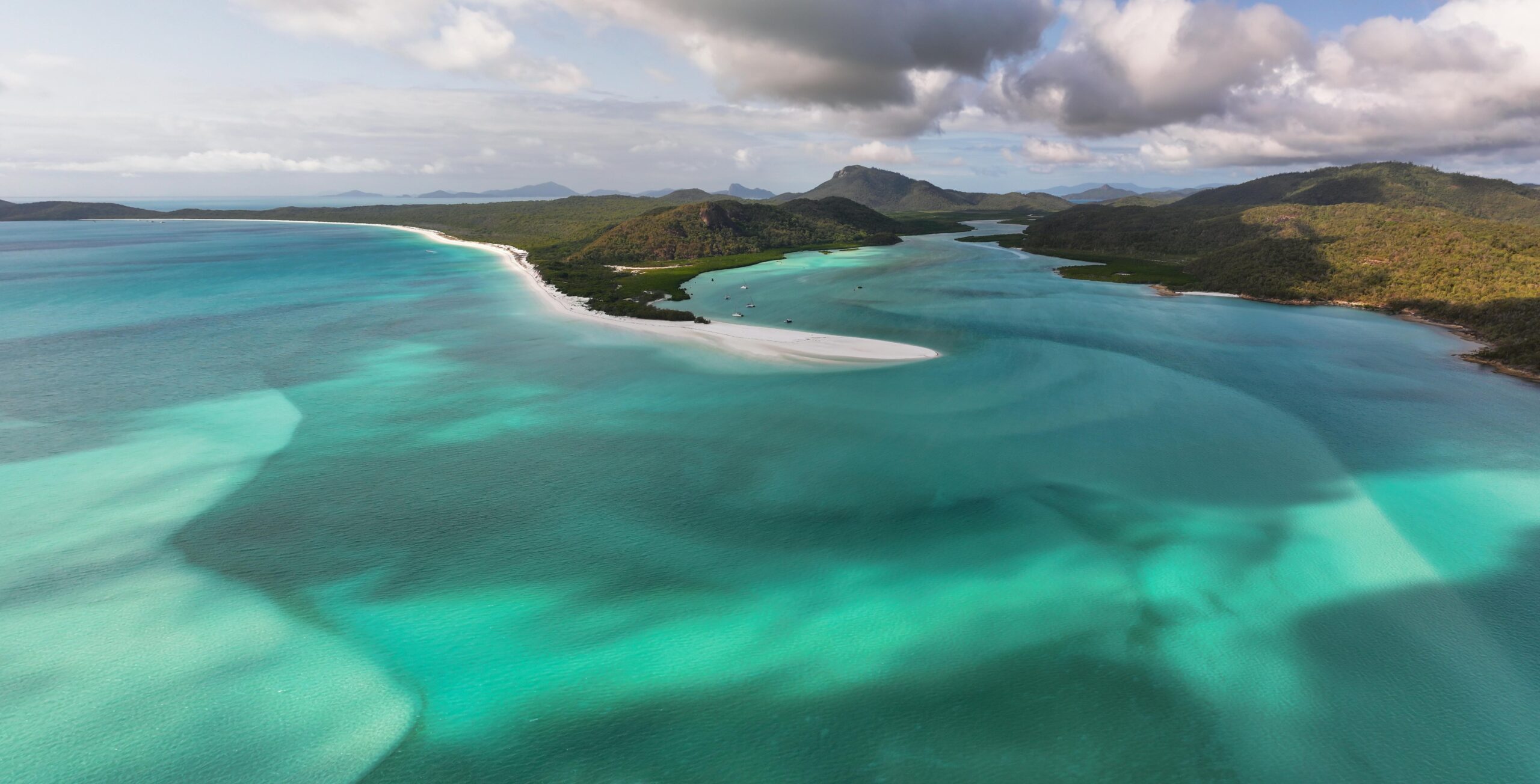
The Whitsunday Islands, located off the coast of Queensland, Australia, are among the country’s most iconic natural destinations. Known for their turquoise waters, white-sand beaches, and lush tropical landscapes, they attract hundreds of thousands of visitors each year. However, a recent debate surrounding access to the Ngaro Track on Whitsunday Island has sparked wider discussions about public access, tourism pricing, and the future of natural heritage sites.
At the center of the issue is a growing concern: Should access to public natural spaces come at a higher cost in the name of conservation and tourism development, or should they remain freely accessible to all?
This article explores the controversy, the broader implications for tourism and conservation, and how destinations worldwide are grappling with similar challenges.
What Is the Ngaro Track?
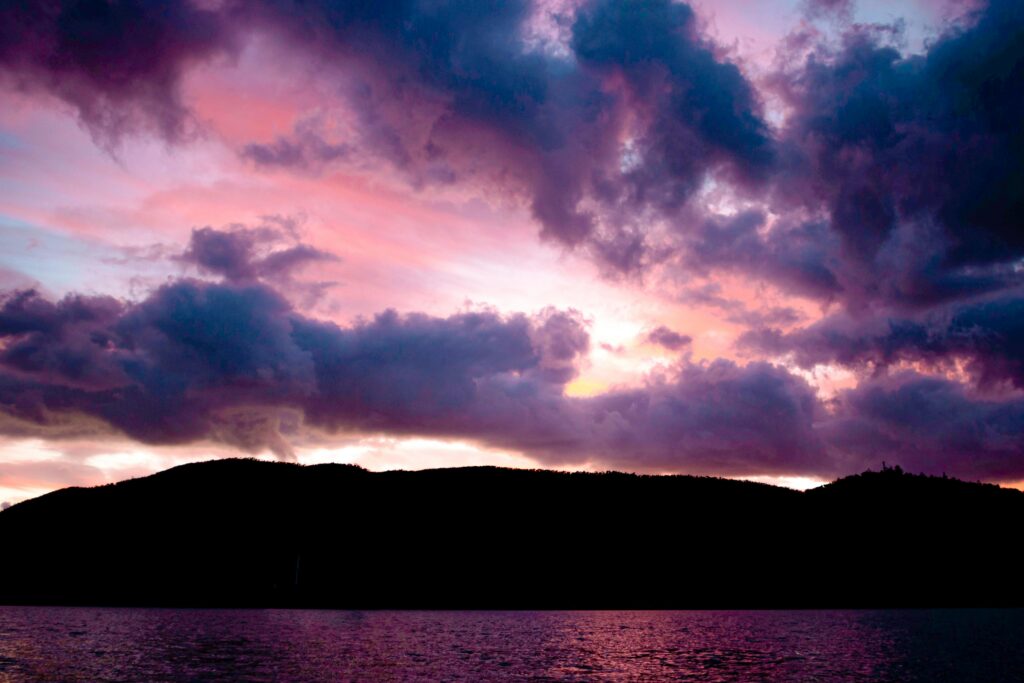
The Ngaro Track is a multi-day walking route that spans parts of Whitsunday Island, offering hikers the chance to experience:
- Dense tropical forests
- Coastal viewpoints overlooking the Coral Sea
- Cultural heritage linked to the Ngaro people, one of the earliest known Indigenous groups in Australia
The track is part of a broader effort to promote eco-tourism and provide visitors with immersive nature experiences beyond beaches and resorts.
The Controversy: Pricing and Public Access
Recent developments have raised concerns about increased costs associated with accessing the track, particularly for overnight or guided experiences.
Critics argue that:
- Public land should remain freely accessible
- Pricing models may exclude local residents and budget travelers
- Privatization of access could set a precedent for other natural areas
Supporters, however, point out that:
- Fees can fund maintenance and conservation
- Managed access can reduce environmental damage
- Tourism infrastructure requires sustainable funding
The debate reflects a broader tension between accessibility and sustainability.
Why Are Fees Being Introduced?
Charging for access to natural attractions is not unique to Australia. Many destinations worldwide have implemented similar systems.
1. Conservation Funding
Maintaining trails, protecting ecosystems, and managing visitor impact require ongoing investment.
Fees can support:
- Trail maintenance and safety
- Waste management systems
- Conservation programs
2. Managing Visitor Numbers
Popular destinations often face over-tourism, which can damage fragile environments.
Pricing can act as a tool to:
- Limit overcrowding
- Encourage responsible tourism
- Spread visitors across different areas
3. Enhancing Visitor Experience
Some paid experiences include guided tours, improved facilities, and educational programs.
These enhancements can provide deeper engagement with the environment and local culture.
Indigenous Heritage and Cultural Considerations
The Ngaro Track is not just a natural attraction—it is also a site of cultural significance.
The Ngaro people, traditional custodians of the Whitsundays, have a long history connected to the land.
Tourism development raises important questions about:
- Respecting Indigenous heritage
- Involving Indigenous communities in decision-making
- Ensuring cultural narratives are accurately represented
In many cases, Indigenous-led tourism initiatives can provide both cultural education and economic opportunities.
The Global Context: Paid Access to Nature
The debate in the Whitsundays reflects a global trend.
Examples Around the World
- Machu Picchu (Peru): Timed entry and ticket fees to control crowds
- Banff National Park (Canada): Entrance fees for conservation funding
- Mount Fuji (Japan): Voluntary or mandatory climbing fees
- New Zealand Great Walks: Booking systems and fees for popular trails
These systems aim to balance access with environmental protection.
The Risk of Exclusion
One of the main criticisms of paid access is that it can create economic barriers.
Concerns include:
- Local residents being priced out of nearby natural areas
- Reduced accessibility for students and low-income travelers
- The perception that nature is becoming a “premium experience”
Ensuring equitable access is a key challenge for policymakers.
Sustainable Tourism vs. Public Rights
The Ngaro Track debate highlights a broader question:
Who should have access to nature—and at what cost?
Arguments for Free Access
- Nature as a public good
- Equal access regardless of income
- Cultural and recreational importance
Arguments for Paid Access
- Funding conservation efforts
- Protecting fragile ecosystems
- Improving infrastructure and safety
Finding a balance between these perspectives is essential.
Possible Solutions
Experts suggest several approaches to balance access and sustainability.
Tiered Pricing
- Lower fees for local residents
- Discounts for students or community groups
- Higher fees for international tourists
Limited Access Systems
- Permit systems to control visitor numbers
- Booking requirements during peak seasons
Community Involvement
- Including Indigenous and local communities in decision-making
- Sharing tourism revenue with local stakeholders
Transparent Use of Funds
- Clearly showing how fees are used for conservation and maintenance
The Future of Nature-Based Tourism
As global travel continues to grow, natural destinations are under increasing pressure.
Trends shaping the future include:
- Eco-tourism and sustainable travel
- Regenerative tourism that restores environments
- Greater emphasis on cultural and environmental education
Destinations like the Whitsundays are at the forefront of these changes.
Frequently Asked Questions (FAQs)
1. What is the Ngaro Track?
It is a hiking trail on Whitsunday Island that offers scenic views and cultural insights into Indigenous heritage.
2. Why is there controversy about the track?
Concerns focus on increased fees and whether public land should remain freely accessible.
3. Are fees common for natural attractions?
Yes. Many global destinations charge fees to support conservation and manage visitor numbers.
4. Who benefits from tourism fees?
Ideally, funds support conservation, infrastructure, and local communities, though transparency is important.
5. Can locals still access the track?
Policies vary, but some proposals include discounted or prioritized access for residents.
6. What is eco-tourism?
Eco-tourism focuses on responsible travel that minimizes environmental impact and supports conservation.
7. Why is Indigenous involvement important?
Indigenous communities have deep cultural connections to the land and should play a role in its management and storytelling.
8. Will more natural sites introduce fees in the future?
It is likely, as destinations seek sustainable ways to manage tourism and protect environments.
Conclusion
The debate over the Ngaro Track on Whitsunday Island reflects a global challenge: how to balance public access, environmental protection, and economic sustainability.
While charging for access can provide essential funding and help preserve fragile ecosystems, it also raises important questions about fairness and inclusivity.
As tourism continues to evolve, the goal will be to create systems that protect natural and cultural heritage while ensuring that these spaces remain accessible—not just to visitors, but to the communities that call them home.

Sources ABC Net

