
Language is one of humanity’s most defining traits. It allows us to share ideas, express emotions, and build complex societies. But where did language come from? How did the human brain evolve the ability to process rhythm, sound, and meaning?
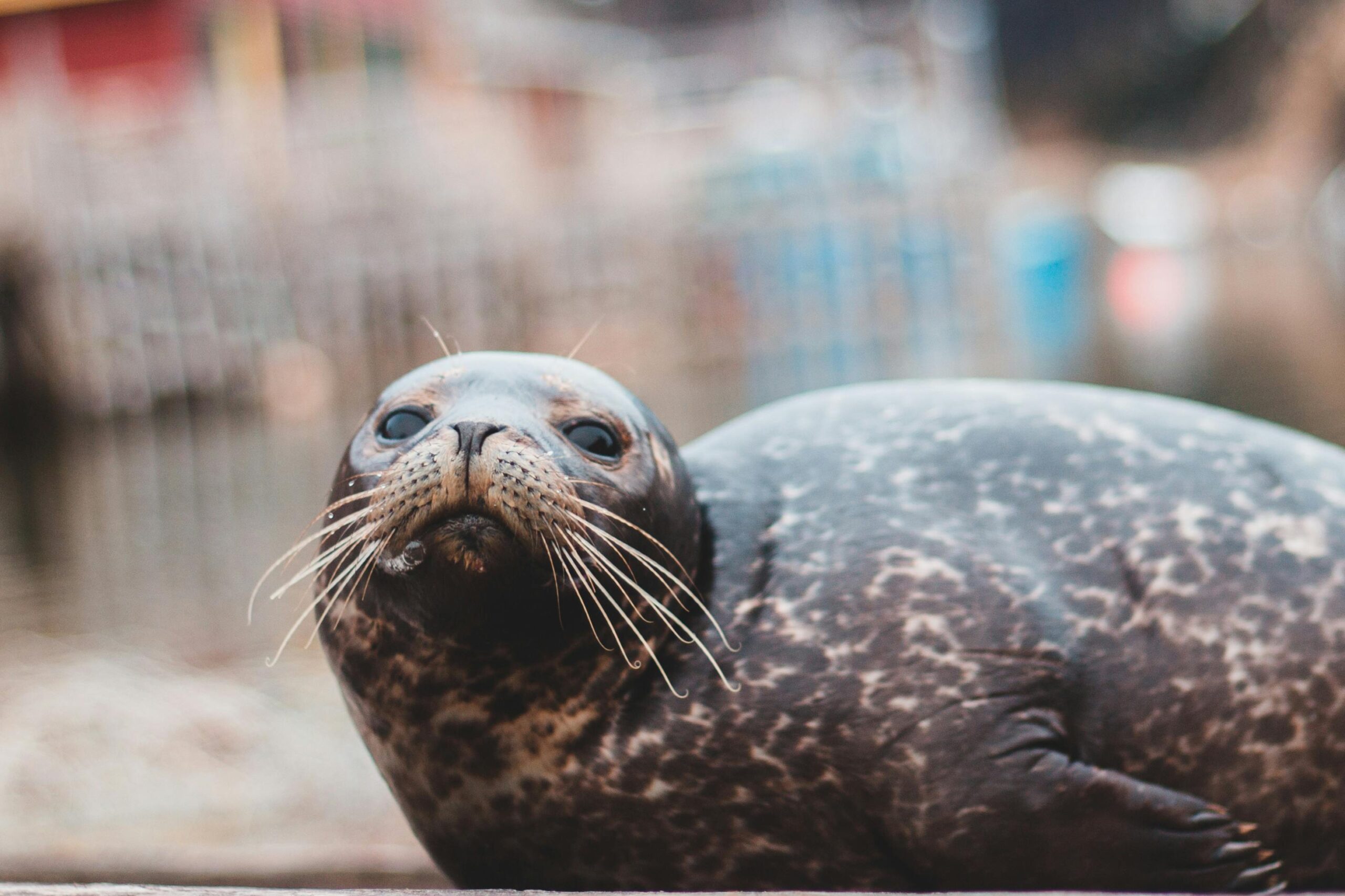
Surprisingly, part of the answer may lie not in humans—but in marine mammals like seals and sea lions. Recent scientific research into their brains and vocal abilities is shedding new light on the biological foundations of language, suggesting that some of the building blocks of speech may be far older—and more widespread—than previously thought.
This article explores how these animals are helping scientists understand the origins of language, what makes their brains unique, and what this means for human communication and neuroscience.0
Why Study Seals and Sea Lions?
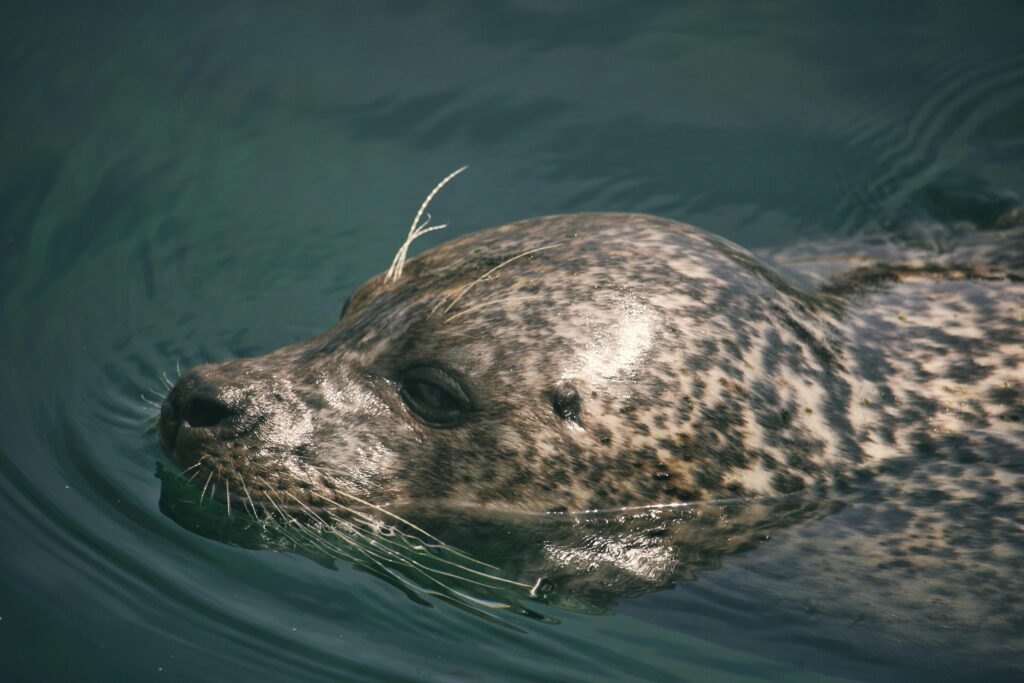
At first glance, seals and sea lions may seem unlikely candidates for language research. However, they possess a rare and important ability: vocal learning.
What Is Vocal Learning?
Vocal learning is the ability to:
- Hear sounds
- Imitate them
- Modify vocalizations based on experience
This skill is essential for human language and is relatively rare in the animal kingdom.
Species known for vocal learning include:
- Humans
- Songbirds
- Dolphins
- Some whales
- Seals and sea lions
Because of this shared trait, seals and sea lions provide a valuable model for studying how language-like abilities might evolve.
The Brain Structures Behind Sound and Communication
Research into marine mammal brains has revealed fascinating similarities to human neural systems involved in language.
Auditory Processing Regions
Seals and sea lions have highly developed auditory systems that allow them to:
- Detect subtle differences in sound
- Recognize patterns in vocalizations
- Process rhythm and timing
These abilities are critical for both communication and survival in aquatic environments.
Motor Control and Vocal Production
Like humans, these animals must coordinate complex muscle movements to produce sounds.
Their brains show advanced connections between:
- Auditory regions (hearing)
- Motor regions (movement)
This coordination is a key feature of speech production in humans.
Neural Plasticity
Marine mammals demonstrate neural plasticity—the brain’s ability to adapt and learn from experience.
This flexibility allows them to:
- Learn new vocal patterns
- Adjust communication based on social context
- Develop unique “voices” within groups
Neural plasticity is also a cornerstone of human language learning.
Rhythm: A Hidden Key to Language
One of the most intriguing discoveries in recent research is the role of rhythm in communication.
Why Rhythm Matters
Human speech is not just about words—it is also about timing and rhythm.
We naturally:
- Stress certain syllables
- Follow patterns in speech
- Use rhythm to convey meaning
Studies have shown that seals can:
- Recognize rhythmic patterns
- Synchronize movements to sound
- Respond to timing cues
This suggests that rhythm may be a foundational element of language, predating complex vocabulary.
Vocal Mimicry in Marine Mammals
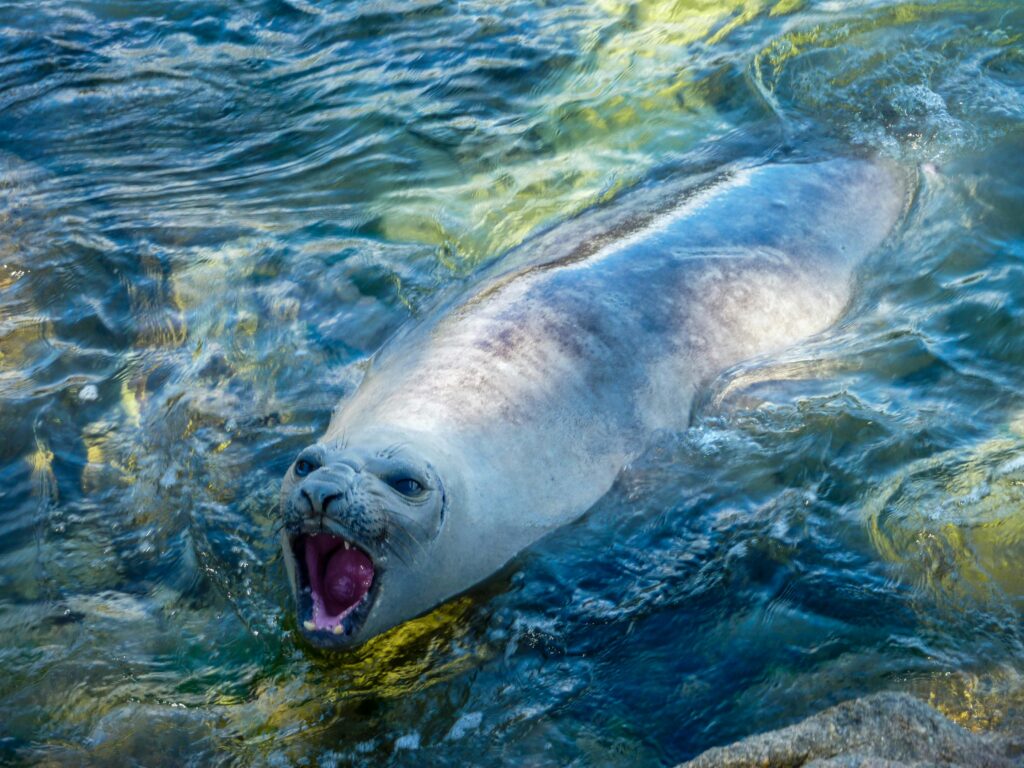
Some seals have demonstrated the ability to mimic human speech sounds.
In controlled studies, certain individuals have been able to:
- Reproduce vowel-like sounds
- Mimic simple words or phrases
- Adjust pitch and tone
While these vocalizations are not true language, they show that the physical and neural mechanisms required for speech-like sounds exist beyond humans.
What This Means for Human Language Evolution
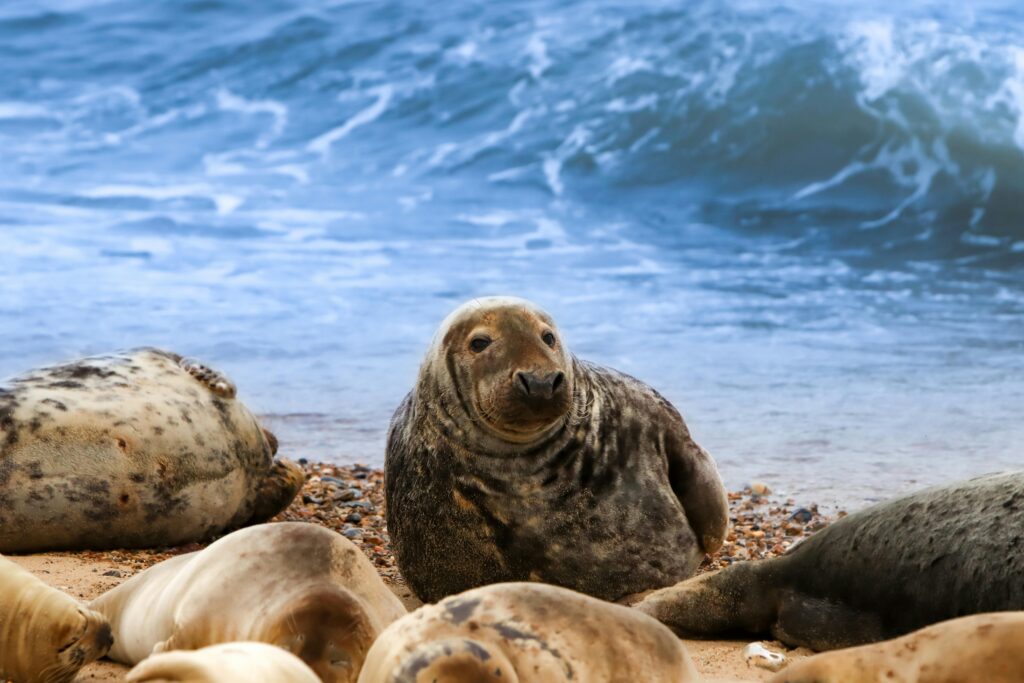
The study of seals and sea lions challenges traditional assumptions about language evolution.
Shared Biological Foundations
If marine mammals can process rhythm and mimic sounds, it suggests that:
- The building blocks of language are not unique to humans
- These abilities may have evolved earlier in evolutionary history
- Language may have developed from more basic communication systems
Gradual Evolution of Language
Rather than appearing suddenly, language likely evolved gradually through stages:
- Basic vocalizations
- Pattern recognition
- Rhythm and timing
- Complex symbolic communication
Seals and sea lions may represent an intermediate stage in this evolutionary process.
Implications for Neuroscience and AI
The findings from marine mammal research extend beyond biology.
Understanding Speech Disorders
Studying how animals process sound can help researchers better understand human conditions such as:
- Speech delays
- Auditory processing disorders
- Language impairments
Inspiration for Artificial Intelligence
AI systems that process language may benefit from insights into:
- Rhythm-based communication
- Pattern recognition in sound
- Neural coordination between hearing and speaking
These biological principles could improve speech recognition and generation technologies.
The Social Side of Communication
Language is not just a technical ability—it is deeply social.
Seals and sea lions live in complex social groups where communication plays a key role.
Their vocalizations can convey:
- Identity
- Emotional states
- Social hierarchy
This reinforces the idea that language evolved not just for information exchange, but for social connection.
Challenges in Interpreting Animal Communication
While these findings are exciting, researchers must be cautious.
Limitations
- Animal vocalizations do not have the same symbolic meaning as human language
- Observed behaviors may not fully reflect natural communication
- Experimental conditions can influence results
Understanding the differences between human language and animal communication remains an ongoing challenge.
The Bigger Picture: Language Beyond Humans
The study of seals and sea lions is part of a broader effort to understand communication across species.
It raises important questions:
- How unique is human language?
- What are the minimum requirements for language-like systems?
- Could other species possess untapped communication abilities?
These questions are reshaping how scientists think about language and intelligence.
Frequently Asked Questions (FAQs)
1. Why are seals and sea lions important for language research?
They are capable of vocal learning, a key ability required for language development.
2. Can seals actually speak like humans?
No, but some can mimic human-like sounds, showing similarities in vocal control.
3. What is vocal learning?
It is the ability to learn and reproduce sounds through imitation and experience.
4. How does rhythm relate to language?
Rhythm helps structure speech and may be a foundational element of communication.
5. Do marine mammals have language?
They have complex communication systems, but not language in the human sense.
6. What can this research teach us about humans?
It helps us understand how language evolved and how the brain processes sound and speech.
7. Can this research help with speech disorders?
Yes. Insights into vocal learning and brain function may improve treatments and therapies.
8. Are other animals capable of vocal learning?
Yes. Examples include birds, dolphins, and some whales.
Conclusion
The study of seal and sea lion brains is opening a new window into the origins of language. By revealing how these animals process sound, learn vocal patterns, and respond to rhythm, researchers are uncovering the deep biological roots of communication.
Rather than being a uniquely human invention, language may be the result of evolutionary processes shared across species. These findings not only reshape our understanding of the past but also point toward future discoveries in neuroscience, artificial intelligence, and the nature of communication itself.
In the end, the voices of the ocean may be helping us better understand our own.
Sources Nautilus

