
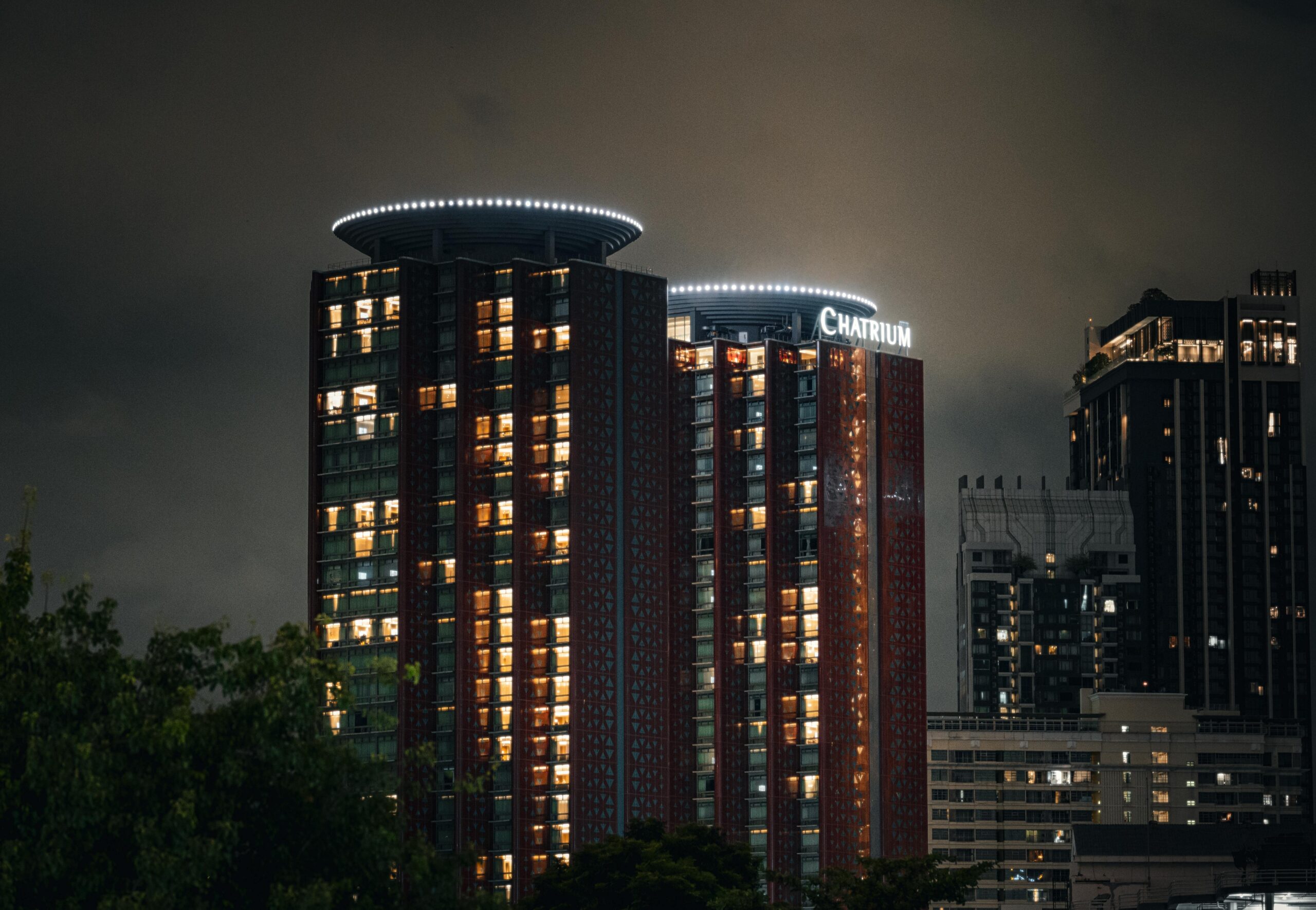
Thailand has long been one of the world’s premier luxury travel destinations. From beachfront resorts in Phuket and Koh Samui to five-star urban retreats in Bangkok, the country has built a global reputation for combining affordability, world-class hospitality, and exotic appeal.
However, in 2026, even Thailand’s high-end tourism sector is facing unexpected pressure. As geopolitical tensions and conflict in parts of the Middle East disrupt global travel patterns, luxury hotels in Thailand are cutting prices to attract visitors and maintain occupancy.
This shift highlights how deeply interconnected global tourism has become—and how even destinations far from conflict zones can feel its effects.

Why Luxury Hotels Are Lowering Prices
At first glance, Thailand might seem insulated from distant geopolitical events. Yet the global tourism ecosystem is highly sensitive to disruption.
Several key factors are driving price reductions.
1. Decline in Long-Haul Travelers
Luxury tourism in Thailand relies heavily on international visitors, particularly from:
- Europe
- The Middle East
- North America
When geopolitical tensions rise, long-haul travel often declines due to:
- Safety concerns
- Flight disruptions
- Higher travel costs
Even if Thailand itself remains safe, travelers may postpone or cancel trips involving long-distance flights.
2. Airline Route Disruptions and Costs
Conflicts affecting airspace—especially in the Middle East—can force airlines to:
- Reroute flights
- Increase fuel consumption
- Raise ticket prices
Higher airfare can discourage travelers from booking long-haul luxury vacations, reducing demand for high-end accommodations.
3. Changing Traveler Behavior
Economic uncertainty and global instability often lead travelers to become more cautious with spending.
Luxury travel, while resilient, is not immune.
Travelers may:
- Downgrade from luxury to mid-range accommodations
- Shorten trips
- Choose destinations closer to home
4. Increased Competition Among Hotels
With fewer international guests, luxury hotels must compete more aggressively for a smaller pool of travelers.
Price reductions, special packages, and added perks are being used to:
- Maintain occupancy rates
- Attract domestic and regional travelers
- Retain loyal customers
The Rise of Discounted Luxury
One notable outcome of the current situation is the emergence of “discounted luxury travel.”
High-end hotels are offering:
- Reduced nightly rates
- Complimentary upgrades
- Free spa treatments or dining credits
- Flexible booking policies
For travelers, this creates a rare opportunity to experience luxury at a lower cost.
Impact on Thailand’s Tourism Economy
Tourism is a cornerstone of Thailand’s economy, contributing significantly to GDP and employment.
The slowdown in luxury tourism has broader implications.
Revenue Pressure
Luxury travelers typically spend more on:
- Accommodation
- Dining
- Experiences
A decline in this segment can reduce overall tourism revenue.
Ripple Effects Across Industries
Luxury tourism supports a wide range of sectors, including:
- Transportation
- Retail
- Wellness and spa services
- Tour operators
Reduced spending affects the entire ecosystem.
Domestic and Regional Travelers Step In
To offset the decline in long-haul visitors, Thailand is increasingly targeting:
- Domestic tourists
- Regional travelers from Asia
Countries such as:
- China
- South Korea
- Singapore
- Malaysia
are key markets for shorter-haul travel.
However, regional tourists may spend less than traditional luxury travelers, creating a gap in revenue.
Thailand’s Competitive Advantage
Despite current challenges, Thailand retains several strengths that support its tourism resilience.
Value for Money
Even at standard rates, Thailand offers competitive pricing compared to other luxury destinations.
Discounts further enhance its appeal.
Strong Hospitality Reputation
Thailand is globally recognized for its service quality, often described as warm and welcoming.
Diverse Tourism Offerings
From beaches and islands to cultural sites and wellness retreats, Thailand offers a wide range of experiences.

The Role of Perception in Tourism
One of the most important factors influencing travel decisions is perception.
Even when destinations are geographically distant from conflict zones, global headlines can create a sense of uncertainty.
Travelers may:
- Generalize risk across regions
- Delay travel plans
- Choose destinations perceived as “safer” or more stable
Managing perception is a key challenge for tourism authorities.
How Hotels Are Adapting Beyond Pricing
Price cuts are only one part of the strategy.
Luxury hotels are also:
Enhancing Experiences
Offering unique, personalized experiences such as:
- Private tours
- Wellness retreats
- Cultural immersion programs
Focusing on Wellness Tourism
Thailand is a global leader in wellness tourism, including:
- Spa treatments
- Yoga retreats
- Holistic health programs
This segment continues to attract travelers seeking relaxation and recovery.
Leveraging Digital Marketing
Hotels are using social media and online platforms to:
- Promote deals
- Showcase experiences
- Target new customer segments
Long-Term Implications for Luxury Travel
The current situation may have lasting effects on the luxury tourism industry.
Greater Pricing Flexibility
Hotels may adopt more dynamic pricing strategies to respond quickly to demand fluctuations.
Diversification of Markets
Relying less on specific regions can help reduce vulnerability to geopolitical events.
Shift in Luxury Definition
Luxury is increasingly about experience, personalization, and well-being, rather than just price and exclusivity.
Opportunities for Travelers
For travelers, the current environment presents unique opportunities.
Access to High-End Experiences
Luxury accommodations that were previously expensive may now be more accessible.
Better Value
Discounts and added perks provide greater value for money.
Less Crowded Destinations
Lower visitor numbers can lead to a more relaxed and exclusive experience.
Frequently Asked Questions (FAQs)
1. Why are luxury hotels in Thailand lowering prices?
Due to reduced international travel demand caused by geopolitical tensions and higher travel costs.
2. Is Thailand safe to visit?
Yes. Thailand remains a safe and popular travel destination, though global perceptions can influence travel decisions.
3. Are flights to Thailand affected by conflicts?
Some routes may be longer or more expensive due to airspace restrictions.
4. Who are Thailand’s main luxury tourists?
Traditionally, travelers from Europe, the Middle East, and North America.
5. Are discounts expected to continue?
They may persist as long as demand remains lower than usual.
6. Is this a good time to visit Thailand?
For travelers seeking luxury at lower prices, it can be an excellent time.
7. How is Thailand adapting to tourism changes?
By targeting regional markets, enhancing experiences, and offering promotions.
8. Will tourism recover?
Historically, tourism rebounds after global disruptions, though timelines can vary.
Conclusion
Thailand’s luxury hotel sector is facing a complex moment—one shaped not by local challenges, but by global forces. The impact of geopolitical tensions shows how interconnected the tourism industry has become, where events thousands of miles away can influence travel decisions and business strategies.
While price cuts signal short-term challenges, they also reveal the industry’s adaptability. By adjusting pricing, targeting new markets, and enhancing experiences, Thailand continues to position itself as a leading global destination.
For travelers, this moment offers a rare opportunity: world-class luxury at a more accessible price—set against one of the world’s most beautiful and culturally rich backdrops.

Sources Bloomberg

