
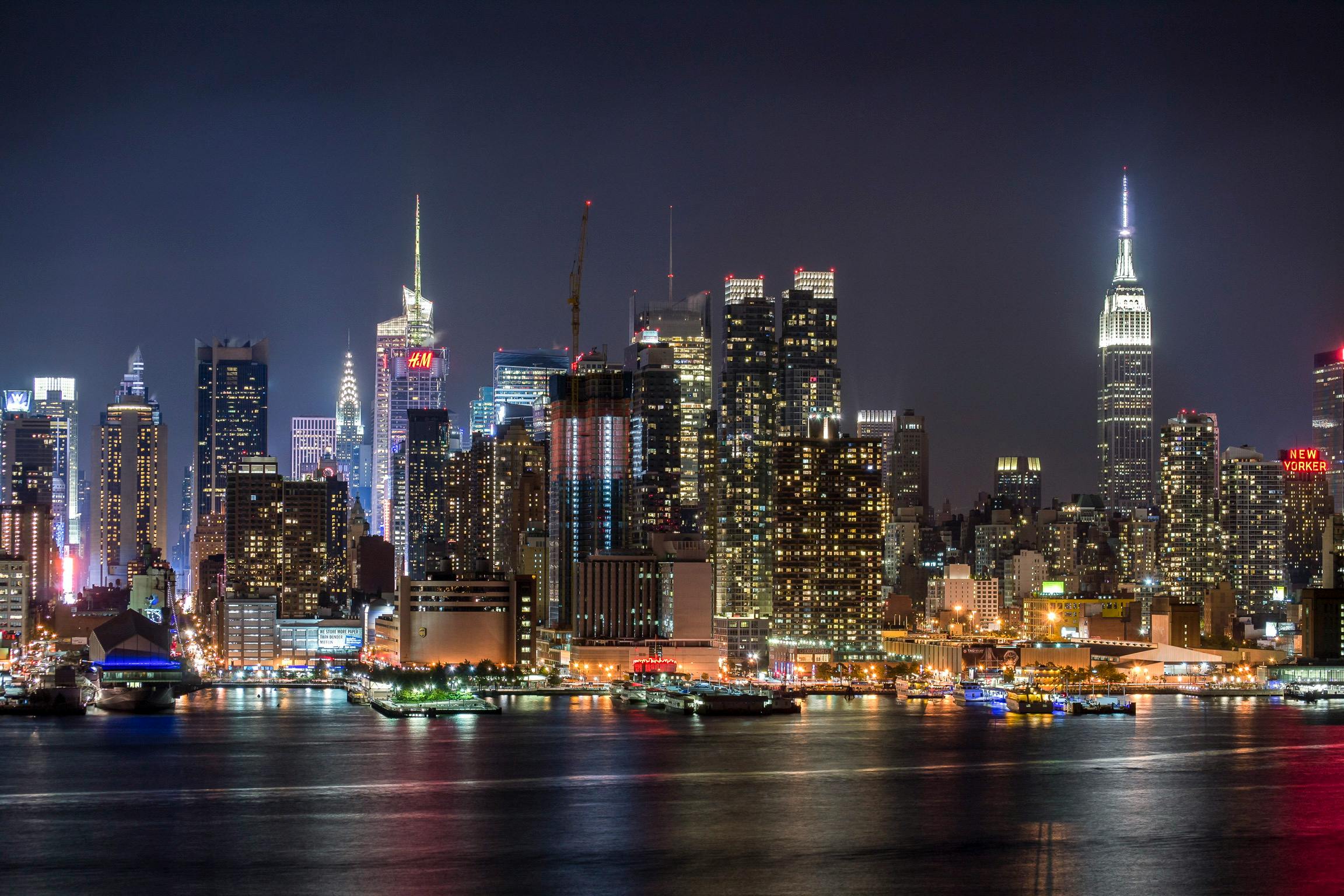
New York City has long been one of the world’s most visited destinations, attracting millions of international travelers each year. From Times Square and Central Park to Broadway and world-class museums, the city’s global appeal has made tourism a cornerstone of its economy.
In 2026, foreign tourism is making a notable comeback. However, the recovery is not uniform, and the landscape of international travel to New York is changing in important ways. While visitor numbers are rising, economic pressures, geopolitical tensions, and shifting traveler preferences are reshaping how and why people visit the city.
This article explores the current state of foreign tourism in New York City, the factors influencing its recovery, and what the future may hold.
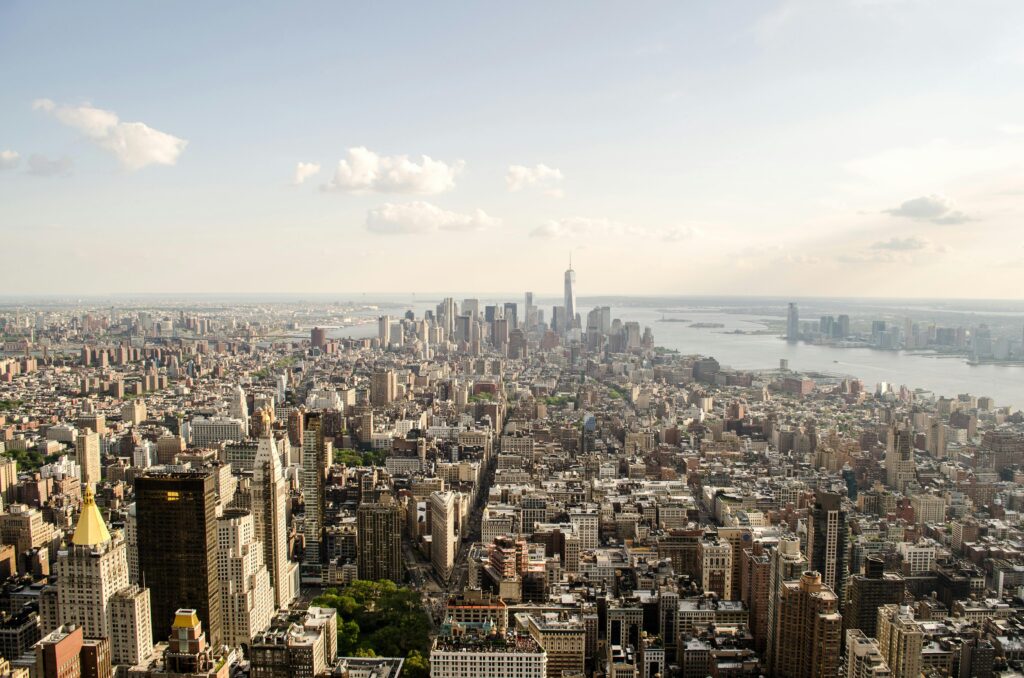
The Importance of International Visitors to NYC
Foreign tourists are especially valuable to New York’s economy.
Higher Spending Power
International visitors tend to:
- Stay longer than domestic travelers
- Spend more on shopping, dining, and entertainment
- Visit multiple attractions
Before recent global disruptions, international tourism generated billions of dollars annually for the city.
Key Markets
New York traditionally attracts visitors from:
- Europe (UK, France, Germany, Italy)
- Canada
- Latin America (Brazil, Mexico)
- Asia (China, Japan, South Korea)
Changes in these markets have a direct impact on the city’s tourism performance.
Signs of Recovery in 2026
After years of reduced travel, foreign tourism is gradually rebounding.
Increased Arrivals
Air travel has resumed at higher levels, and international arrivals are rising.
Reopening of Attractions
Broadway shows, museums, and major attractions are operating at full capacity, drawing visitors back.
Major Events Driving Tourism
Events such as:
- Cultural festivals
- International conferences
- Sporting events
are helping attract global audiences.
What’s Different This Time?
While tourism is returning, it is not the same as before.
1. Slower Recovery from Certain Regions
Some regions are recovering faster than others.
- European tourism is rebounding relatively strongly
- Asian markets, particularly China, may still lag due to economic and policy factors
2. Strong U.S. Dollar
A strong dollar makes New York more expensive for international visitors.
This affects:
- Hotel affordability
- Shopping appeal
- Overall travel budgets
As a result, some travelers may shorten trips or spend less.
3. Geopolitical Tensions
Global political uncertainty can influence travel decisions.
Concerns about:
- Safety
- International relations
- Travel restrictions
may lead some visitors to choose alternative destinations.
4. Changing Travel Preferences
Modern travelers are seeking:
- More personalized experiences
- Less crowded destinations
- Authentic cultural interactions
This shift challenges traditional high-volume tourism models.
Economic Impact on the City
The return of foreign tourists has wide-reaching effects.
Hospitality Sector
Hotels, restaurants, and entertainment venues rely heavily on international visitors.
Retail Industry
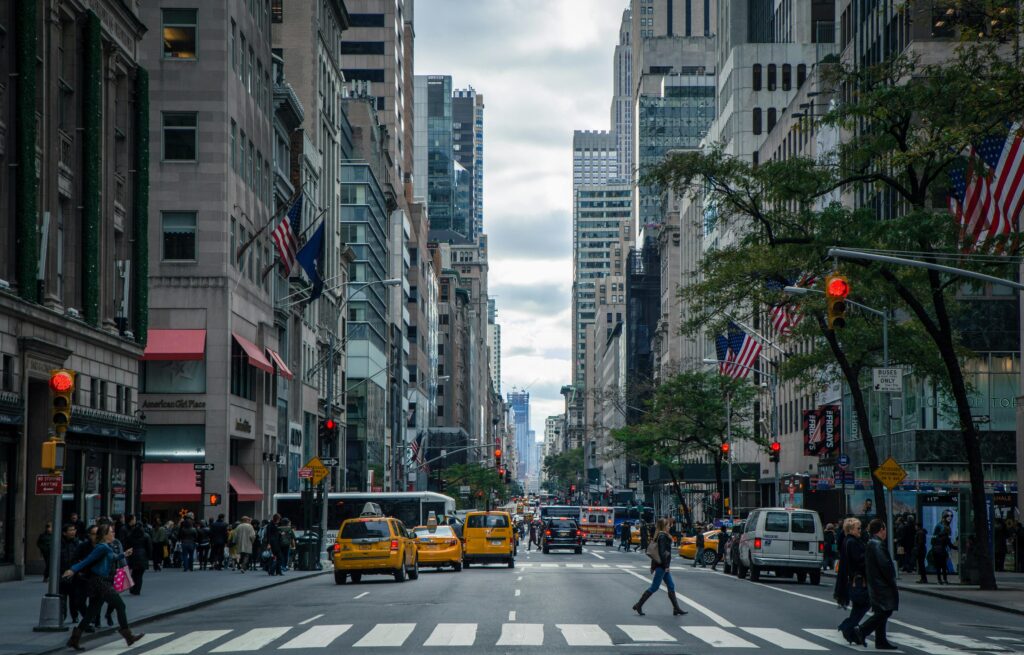
Luxury shopping—particularly in areas like Fifth Avenue—depends on high-spending tourists.
Employment
Tourism supports thousands of jobs across multiple industries.
Challenges Facing NYC Tourism
Despite the recovery, several challenges remain.
High Costs
New York is one of the most expensive cities in the world.
Rising costs for:
- Accommodation
- Dining
- Transportation
can deter budget-conscious travelers.
Competition from Other Cities
Global cities such as:
- Paris
- London
- Dubai
- Tokyo
are actively competing for international visitors.
Infrastructure and Capacity
Managing large numbers of tourists requires:
- Efficient transportation systems
- Well-maintained public spaces
- Crowd management strategies
Perception and Safety Concerns
Media coverage and public perception can influence how safe or welcoming a destination appears.
Strategies to Attract International Visitors
City officials and tourism organizations are implementing strategies to strengthen recovery.
Marketing Campaigns
Promoting New York as a global destination through international campaigns.
Expanding Attractions
Investing in new experiences, including:
- Cultural events
- Public art installations
- Neighborhood tourism initiatives
Improving Accessibility
Efforts to streamline travel processes and enhance visitor experiences.
The Rise of Neighborhood Tourism
One notable trend is the growing interest in exploring beyond Manhattan.
Visitors are increasingly drawn to:
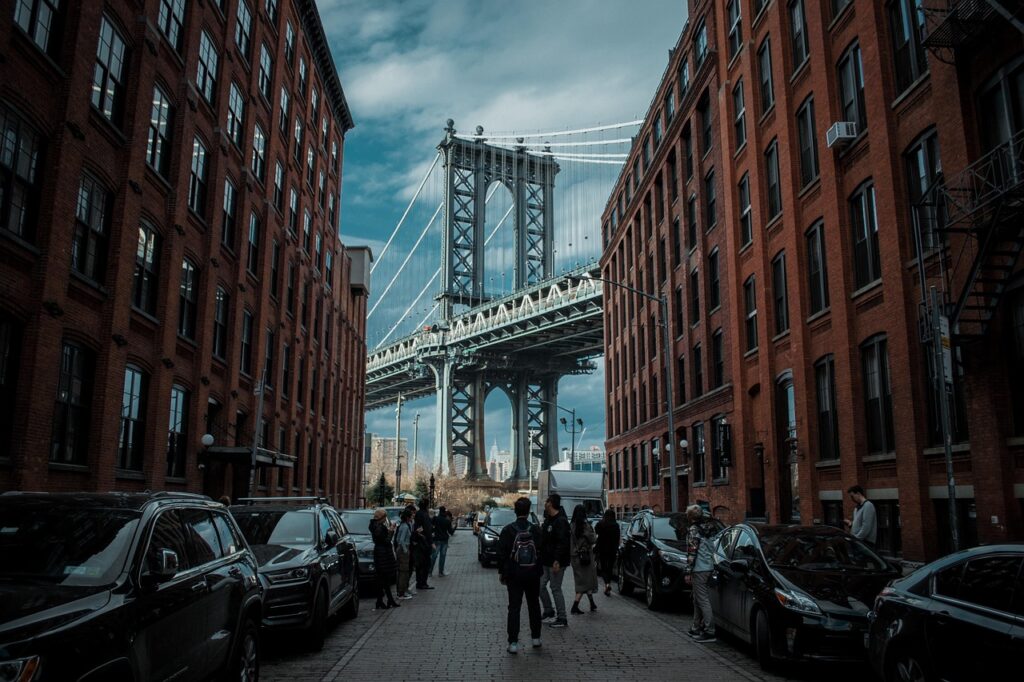
- Brooklyn’s cultural and food scenes
- Queens’ diverse communities
- The Bronx’s arts and history
This helps distribute tourism more evenly across the city.
Technology and the Modern Tourist
Digital tools are shaping how people travel.
Booking and Planning
Online platforms make it easier to:
- Compare prices
- Book accommodations
- Plan itineraries
Social Media Influence
Platforms like Instagram and TikTok influence travel decisions by showcasing experiences and destinations.
The Future of Foreign Tourism in NYC
Looking ahead, several trends are likely to shape the city’s tourism industry.
Gradual Growth
International tourism is expected to continue recovering, though at varying speeds.
Focus on Experience
Travelers will prioritize unique and meaningful experiences over traditional sightseeing.
Sustainability
Efforts to manage tourism sustainably will become increasingly important.
Diversification of Markets
Expanding outreach to new regions can help reduce reliance on specific markets.
Frequently Asked Questions (FAQs)
1. Is foreign tourism returning to New York City?
Yes, international visitor numbers are increasing, though recovery varies by region.
2. Why are international tourists important to NYC?
They tend to spend more and stay longer, contributing significantly to the economy.
3. What challenges does NYC face in tourism recovery?
High costs, global competition, and economic factors are key challenges.
4. Which countries send the most tourists to NYC?
Major markets include Europe, Canada, Latin America, and Asia.
5. Is New York expensive for foreign visitors?
Yes, especially with a strong U.S. dollar and rising local costs.
6. What are new tourism trends in NYC?
Neighborhood exploration, experiential travel, and digital planning are growing trends.
7. How is NYC attracting tourists?
Through marketing campaigns, new attractions, and improved visitor experiences.
8. Will tourism fully recover?
It is expected to recover gradually, though the landscape may look different from the past.
Conclusion
New York City’s foreign tourism sector is on the path to recovery, but the journey is shaped by new realities. Economic pressures, global competition, and changing traveler expectations are redefining what tourism looks like in one of the world’s most iconic cities.
While challenges remain, New York’s enduring appeal—its culture, diversity, and energy—continues to draw visitors from around the globe. By adapting to evolving trends and focusing on experience-driven travel, the city is positioning itself for a future where tourism is not just restored, but reimagined.
Sources The New York Times

