

Florida’s beaches have long been synonymous with spring break—sun, music, and thousands of college students gathering for a seasonal escape. But in recent years, the atmosphere in some popular destinations has shifted dramatically. Reports of rowdy crowds, public safety concerns, arrests, and property damage have turned what was once a carefree tradition into a growing policy challenge.
The latest incidents highlight a broader issue: how to manage large-scale party tourism without compromising safety, local quality of life, and the state’s tourism-driven economy.
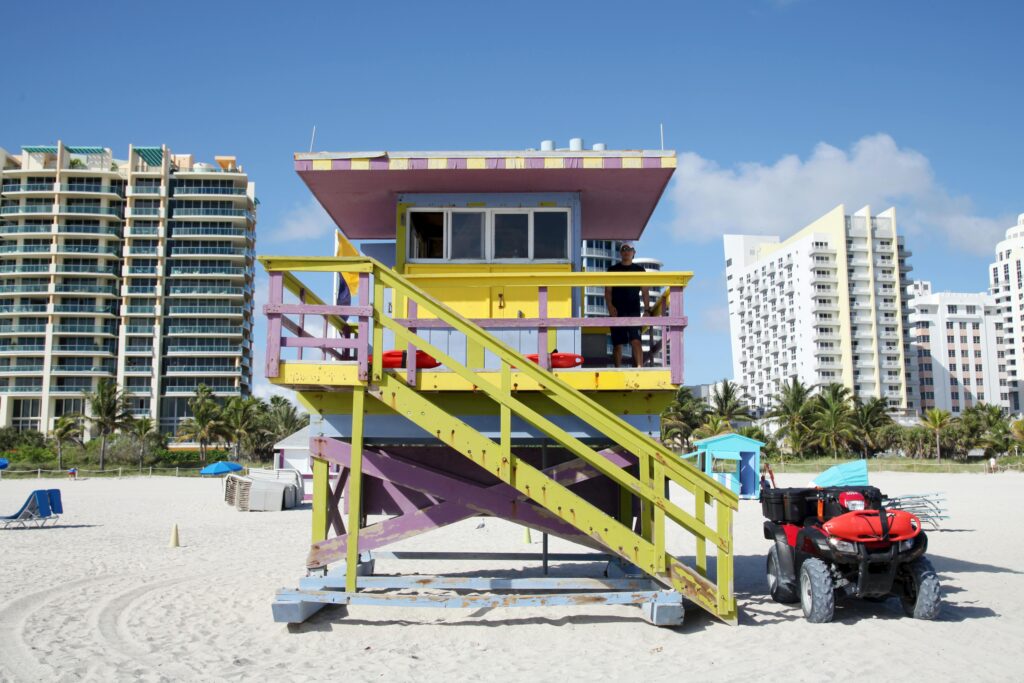
The Reality of Modern Spring Break
Spring break in Florida attracts visitors from across the United States and beyond. Popular destinations include:
- Miami Beach
- Panama City Beach
- Fort Lauderdale
- Daytona Beach
These areas see massive surges in population over a short period, often overwhelming infrastructure and local services.
While many visitors come for leisure and relaxation, some gatherings escalate into:
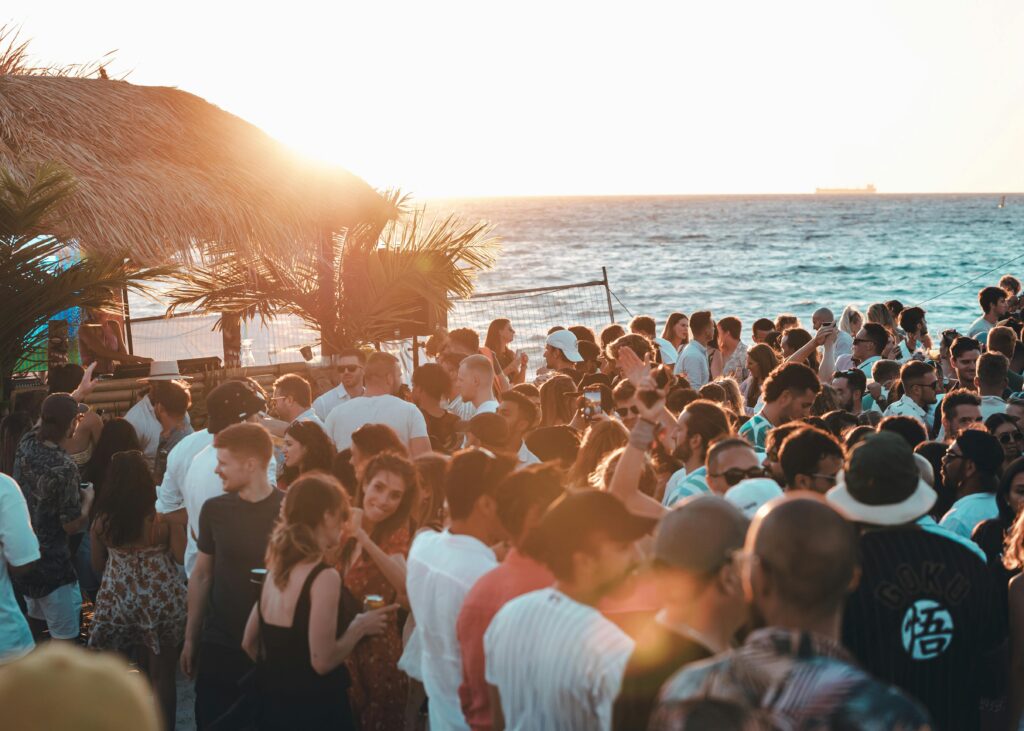
- Large, uncontrolled street parties
- Alcohol-related incidents
- Public disturbances
- Traffic congestion and overcrowding
In recent years, viral social media content has amplified the party culture, drawing even larger crowds.
What Happened: Escalating Disorder and Response
Recent spring break events have included:
- Fights and altercations in crowded areas
- Increased arrests for disorderly conduct
- Police interventions to disperse crowds
- Reports of property damage and public safety risks
Local authorities responded with heightened measures such as:
- Increased police presence
- Curfews and early beach closures
- Restrictions on alcohol sales
- Road closures and crowd control barriers
These measures aim to prevent escalation but also reflect the growing difficulty of managing large, spontaneous gatherings.
Social Media’s Role in Amplifying the Problem
One of the biggest changes in spring break culture is the influence of social media platforms.
Platforms like TikTok and Instagram:
- Promote viral party locations
- Encourage crowd convergence at specific spots
- Create pressure for extreme or attention-grabbing behavior
This can turn a localized event into a mass gathering within hours, making it difficult for authorities to prepare.
The Economic Trade-Off
Tourism is a major economic driver for Florida, and spring break generates:
- Hotel bookings
- Restaurant and bar revenue
- Retail and transportation spending
However, the economic benefits come with costs:
- Increased policing expenses
- Damage to public infrastructure
- Strain on emergency services
- Negative impact on local residents
Some local leaders are questioning whether the type of tourism attracted during spring break aligns with long-term economic goals.
Local Residents and Community Concerns
Residents in affected areas often express frustration with:
- Noise and disruption
- Safety concerns
- Traffic congestion
- Litter and environmental damage
For many communities, the issue is not tourism itself but the behavior associated with certain types of visitors.
Balancing the needs of residents with the demands of tourism remains a central challenge.
Policy Responses Across Florida
Different cities in Florida have adopted varying strategies to manage spring break crowds.
Miami Beach
- Curfews and controlled access zones
- Increased police deployment
- Public messaging discouraging excessive partying
Panama City Beach
- Crackdowns on alcohol-related offenses
- Stronger law enforcement presence
Fort Lauderdale
- Long-term shift toward family-friendly tourism
- Regulations to reduce large-scale party gatherings
These approaches reflect a broader trend: moving away from “party tourism” toward more controlled and sustainable visitor experiences.
The Debate: Regulation vs. Freedom
Efforts to control spring break behavior often spark debate.
Supporters of Restrictions Argue:
- Public safety must come first
- Communities should not bear the burden of disruptive tourism
- Strong enforcement deters dangerous behavior
Critics Argue:
- Over-policing may discourage tourism
- Restrictions can unfairly target young visitors
- Spring break is a longstanding cultural tradition
Finding a balance between these perspectives is a continuing challenge for policymakers.
The Shift Toward “Quality Tourism”
Many destinations are rethinking their tourism strategies.
Instead of focusing on high-volume party crowds, cities are exploring:
- Cultural and event-based tourism
- Family-friendly travel
- Higher-spending visitors
- Sustainable tourism models
This shift aims to create a more stable and positive economic impact while reducing social disruption.
Public Safety and Law Enforcement Challenges
Managing spring break crowds presents unique challenges for law enforcement.
Key issues include:
- Rapidly changing crowd sizes
- Alcohol and substance-related incidents
- Coordination between local and state agencies
- Maintaining order without escalating tensions
Authorities must balance enforcement with maintaining a welcoming environment.
Long-Term Implications for Florida Tourism
The recurring issues surrounding spring break may influence how Florida markets itself as a destination.
Potential long-term changes include:
- Stricter regulations on large gatherings
- Increased investment in tourism management infrastructure
- Greater emphasis on responsible travel campaigns
- Collaboration with universities and travel platforms
These efforts aim to ensure that tourism remains sustainable and beneficial.
Frequently Asked Questions
Why is spring break in Florida becoming more chaotic?
Factors include larger crowds, social media influence, and increased alcohol-related incidents.
Which cities are most affected?
Miami Beach, Panama City Beach, and Fort Lauderdale are among the most impacted.
How are authorities responding?
Measures include curfews, increased police presence, alcohol restrictions, and crowd control strategies.
Does spring break benefit Florida’s economy?
Yes, but it also creates costs related to policing, infrastructure, and public services.
Are tourists being discouraged from visiting?
Some cities are shifting away from party tourism but still welcome visitors seeking safer, more structured experiences.
What role does social media play?
Social media amplifies gatherings and can quickly attract large crowds to specific locations.
Will spring break traditions change?
They may evolve as cities implement stricter controls and promote alternative tourism models.
Conclusion
Florida’s spring break challenges reflect a broader issue facing global tourism: how to balance economic opportunity with public safety and community well-being. As party culture evolves and crowds grow, traditional approaches to managing tourism are being tested.
The future of spring break in Florida may depend on a shift toward more responsible travel, stronger policies, and better coordination between communities and visitors.
Ultimately, the goal is not to eliminate spring break—but to reshape it into an experience that is both enjoyable and sustainable for everyone involved.
Sources POLITICO

