

Morocco is experiencing a remarkable tourism resurgence. With its vibrant cities, historic medinas, desert landscapes, and coastal resorts, the country has become one of Africa’s fastest-growing travel destinations. International arrivals are rising, infrastructure is expanding, and global interest in Moroccan culture is stronger than ever.
Yet beneath this success lies a more complex reality: not all regions are benefiting equally. While cities like Marrakech, Fez, and Casablanca thrive, some areas—particularly remote or less-developed regions—are struggling to attract visitors and share in the economic gains.
This uneven growth highlights a key challenge facing Morocco’s tourism industry: how to ensure that prosperity is distributed more equitably across the country.
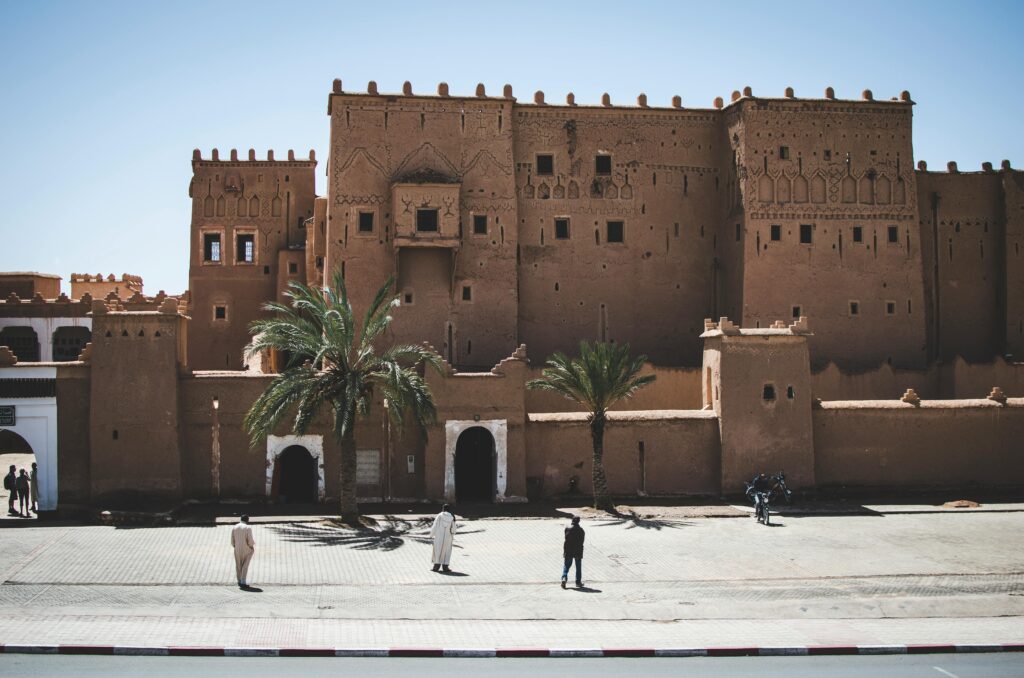
Morocco’s Tourism Boom: A Snapshot
In recent years, Morocco has seen:
- Strong growth in international tourist arrivals
- Increased airline connectivity, including low-cost carriers
- Expanded hotel and resort development
- Global recognition as a cultural and adventure destination
Key attractions include:
- Marrakech – famous for its souks, palaces, and vibrant culture
- Fez – home to one of the world’s oldest medinas
- Chefchaouen – known for its iconic blue-painted streets
- Sahara Desert – offering unique desert experiences
- Atlantic coast cities like Essaouira and Agadir
These destinations have become central to Morocco’s tourism success story.
The Uneven Reality: Regions Left Behind
Despite national growth, some areas remain largely overlooked by tourists.
These regions often face:
- Limited infrastructure and accessibility
- Fewer accommodations and tourism services
- Lower visibility in international marketing campaigns
- Economic challenges and fewer investment opportunities
As a result, local communities in these areas may not experience the benefits of tourism growth.
Why Tourism Is Concentrated in Certain Areas
1. Accessibility and Infrastructure
Tourists tend to visit destinations that are easy to reach.
Major cities benefit from:
- International airports
- Well-developed transportation networks
- Established tourism services
In contrast, remote regions may lack:
- Reliable roads
- Public transport options
- Direct flight connections
2. Marketing and Global Visibility
Tourism promotion often focuses on well-known destinations.
Cities like Marrakech have strong global branding, while lesser-known regions receive limited exposure.
This creates a cycle where:
- Popular destinations attract more visitors
- Investment follows demand
- Lesser-known areas remain underdeveloped
3. Investment Patterns
Private and public investments tend to concentrate in areas with proven tourism demand.
This includes:
- Luxury hotels and resorts
- Tourism infrastructure projects
- Cultural preservation initiatives
Regions without existing tourism activity may struggle to attract similar investments.
4. Visitor Preferences
Many travelers seek:
- Iconic landmarks
- Established travel routes
- Familiar destinations
This can limit exploration of lesser-known areas, even if they offer unique experiences.
The Impact on Local Communities
In regions with limited tourism, residents may face:
- Fewer employment opportunities
- Lower income levels
- Migration to larger cities for work
Tourism has the potential to provide:
- Jobs in hospitality and services
- Opportunities for local businesses
- Preservation of cultural traditions
When growth is uneven, these benefits are not shared equally.

Opportunities in Undiscovered Morocco
Less-visited regions often offer:
- Authentic cultural experiences
- Untouched natural landscapes
- Opportunities for eco-tourism and adventure travel
Examples may include:
- Mountain villages in the Atlas range
- Remote desert communities
- Rural coastal areas
These destinations appeal to travelers seeking off-the-beaten-path experiences.
Sustainable and Inclusive Tourism Strategies
To address regional disparities, Morocco can adopt strategies that promote inclusive tourism.
1. Infrastructure Development
Improving transportation and connectivity can make remote areas more accessible.
2. Community-Based Tourism
Supporting local initiatives allows communities to:
- Host visitors
- Share cultural traditions
- Generate income directly
3. Diversified Marketing
Promoting lesser-known destinations through:
- Digital campaigns
- Influencer partnerships
- Travel media coverage
4. Responsible Travel Practices
Encouraging tourists to explore beyond major cities can help distribute economic benefits more evenly.
The Role of Government and Policy
Morocco’s government has been investing in tourism as part of broader economic development strategies.
Future policies may focus on:
- Regional tourism development
- Incentives for investment in underserved areas
- Training programs for local communities
- Sustainable tourism frameworks
Balancing growth with equity will be key to long-term success.
Global Lessons from Morocco
Morocco’s situation reflects a global trend.
Many countries face similar challenges where:
- Tourism concentrates in a few hotspots
- Rural or remote areas are left behind
Addressing this imbalance is essential for:
- Sustainable development
- Cultural preservation
- Economic resilience
Frequently Asked Questions
Why is tourism booming in Morocco?
Improved infrastructure, global interest, and diverse attractions have driven growth in international tourism.
Which areas benefit the most from tourism?
Major cities like Marrakech, Fez, and coastal destinations receive the majority of visitors.
Why are some regions left behind?
Factors include limited infrastructure, low visibility, and lack of investment.
Can lesser-known regions attract tourists?
Yes. Many offer unique cultural and natural experiences that appeal to niche travelers.
How can tourism be more inclusive?
Through infrastructure development, community-based tourism, and diversified marketing.
Is overtourism a problem in Morocco?
In popular cities, overcrowding can occur, highlighting the need to spread tourism more evenly.
What can travelers do to help?
Travelers can choose to visit lesser-known destinations and support local businesses.
Conclusion
Morocco’s tourism boom is a success story—but it is not evenly shared. While iconic cities thrive, other regions remain on the margins of the industry’s growth.
The challenge now is not just to increase visitor numbers, but to ensure that tourism benefits are distributed more widely. By investing in infrastructure, promoting diverse destinations, and supporting local communities, Morocco has the opportunity to create a more inclusive and sustainable tourism model.
For travelers, this also presents an invitation: to look beyond the well-trodden paths and discover a richer, more authentic side of Morocco—one that tells a fuller story of the country’s landscapes, cultures, and people.
Sources BBC

