
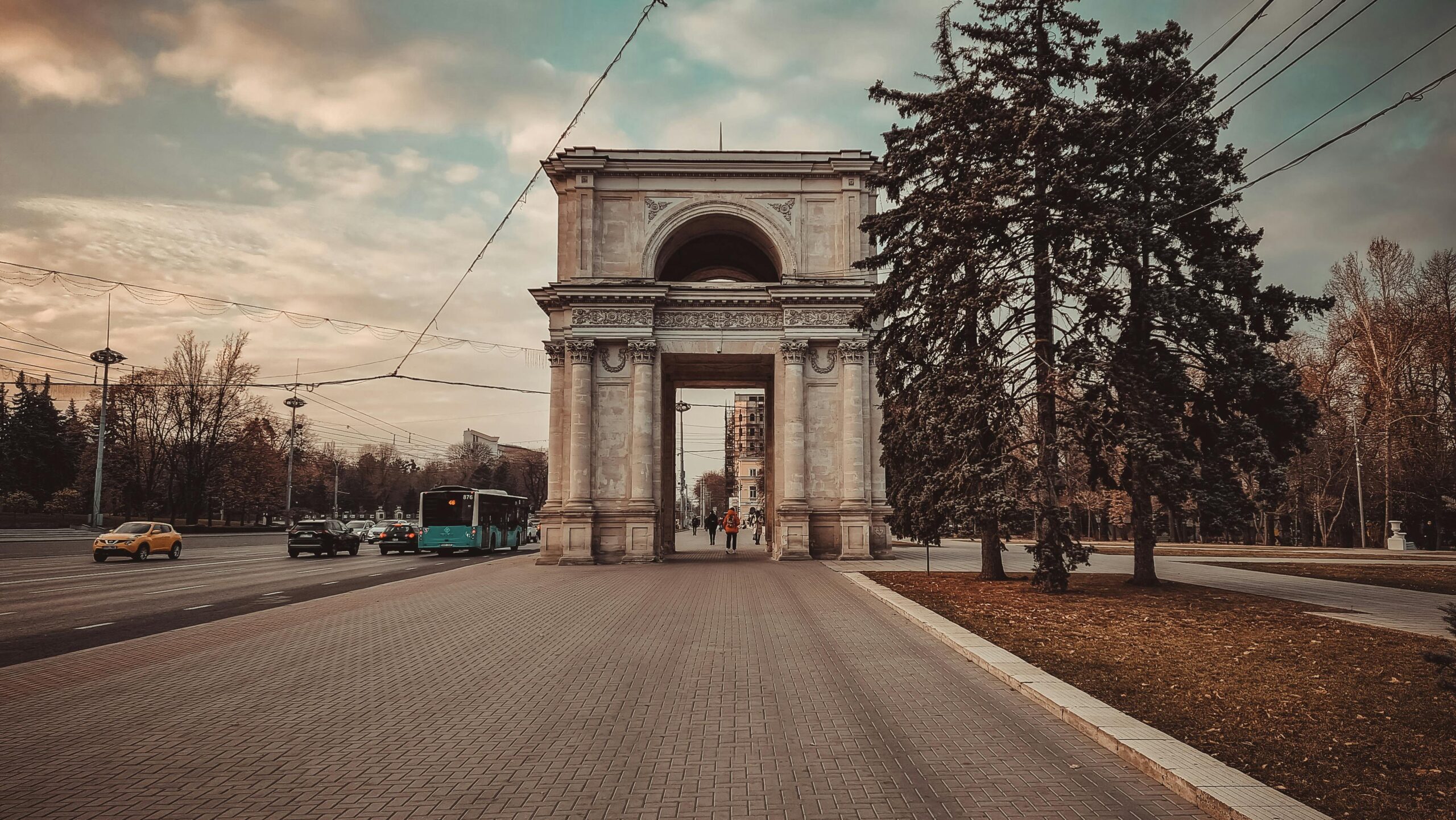
When people think of European travel, iconic destinations like Paris, Rome, and Barcelona often come to mind. Yet beyond these well-trodden paths lies a different Europe—one made up of smaller, lesser-visited countries such as Moldova, Liechtenstein, and San Marino.
Despite their rich histories, unique cultures, and scenic landscapes, these nations attract only a fraction of the tourists seen in Europe’s major hotspots. The Euronews article highlights this disparity, but the broader story reveals deeper insights into tourism dynamics, accessibility challenges, and shifting traveler preferences.
Why Some European Countries Receive So Few Tourists
1. Limited Global Visibility
Unlike major destinations, these countries often lack:
- Strong international branding
- Large-scale marketing campaigns
- Representation in popular travel media
As a result, many travelers simply don’t know what these destinations offer.
2. Accessibility Challenges
Getting to smaller countries can be less straightforward:
- Fewer direct international flights
- Reliance on neighboring countries’ transport systems
- Limited infrastructure for mass tourism
For example:
- Moldova often requires connections through larger Eastern European hubs
- Liechtenstein has no airport of its own
- San Marino is accessed via Italy
3. Competition from Nearby Giants
These countries are often overshadowed by their neighbors:
- Moldova by Romania and Ukraine
- Liechtenstein by Switzerland and Austria
- San Marino by Italy
Travelers with limited time tend to prioritize more प्रसिद्ध destinations.
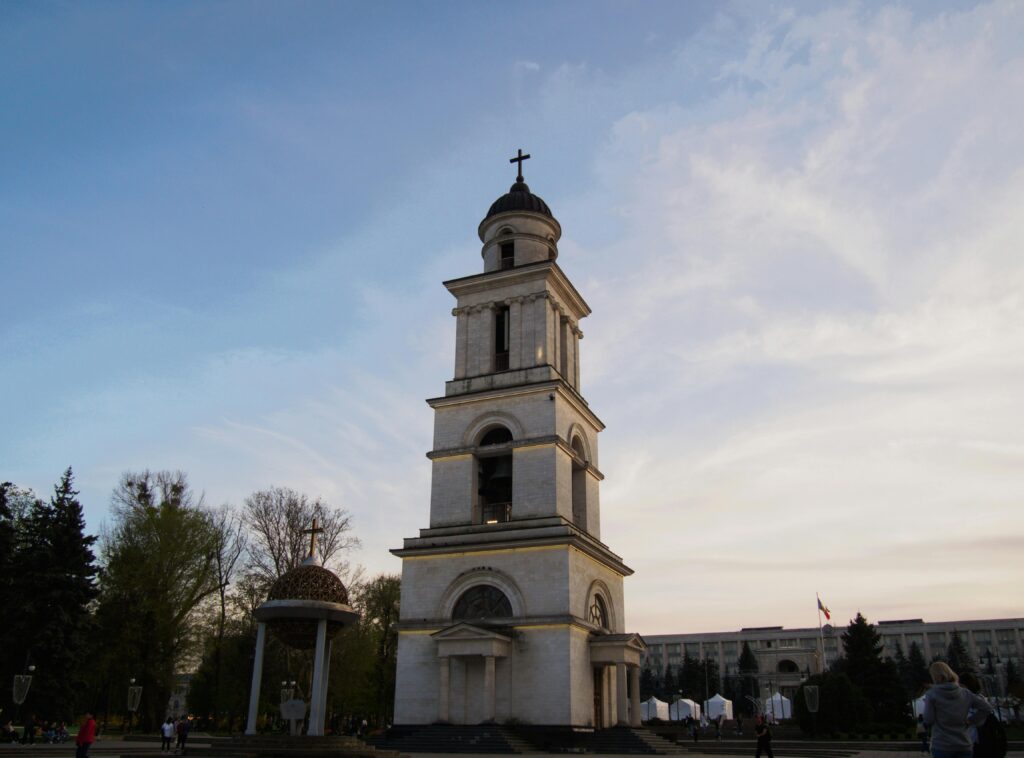
Moldova: Europe’s Least Visited Gem
1. A Hidden Cultural Treasure
Moldova offers:
- Historic monasteries and Orthodox traditions
- A deep-rooted wine culture—one of the oldest in the world
- Authentic rural experiences
2. Wine Tourism Potential
Moldova is home to some of the largest wine cellars globally, including:
- Underground wine cities
- Extensive vineyard tours
Wine tourism is a major opportunity for growth.
3. Challenges
- Limited international awareness
- Perceptions of political or economic instability
- Underdeveloped tourism infrastructure
Liechtenstein: Small but Sophisticated
1. Alpine Beauty
Nestled between Switzerland and Austria, Liechtenstein offers:
- Stunning mountain landscapes
- Hiking and skiing opportunities
- Clean, well-preserved environments
2. High-End Appeal
Liechtenstein is known for:
- Financial services
- Luxury experiences
- Exclusive, low-volume tourism
3. Why It’s Overlooked
- Often treated as a day trip rather than a destination
- Lack of major cities or famous landmarks
- Overshadowed by nearby Alpine destinations
San Marino: A Medieval Time Capsule
1. Historic Significance
One of the world’s oldest republics, San Marino features:
- Medieval architecture
- Fortress-like cityscapes
- UNESCO World Heritage sites
2. Scenic Views
Perched on Mount Titano, it offers:
- Panoramic views of the Italian countryside
- Unique hilltop experiences
3. Tourism Limitations
- Often visited as a quick excursion from Italy
- Limited accommodation options
- Small geographic size
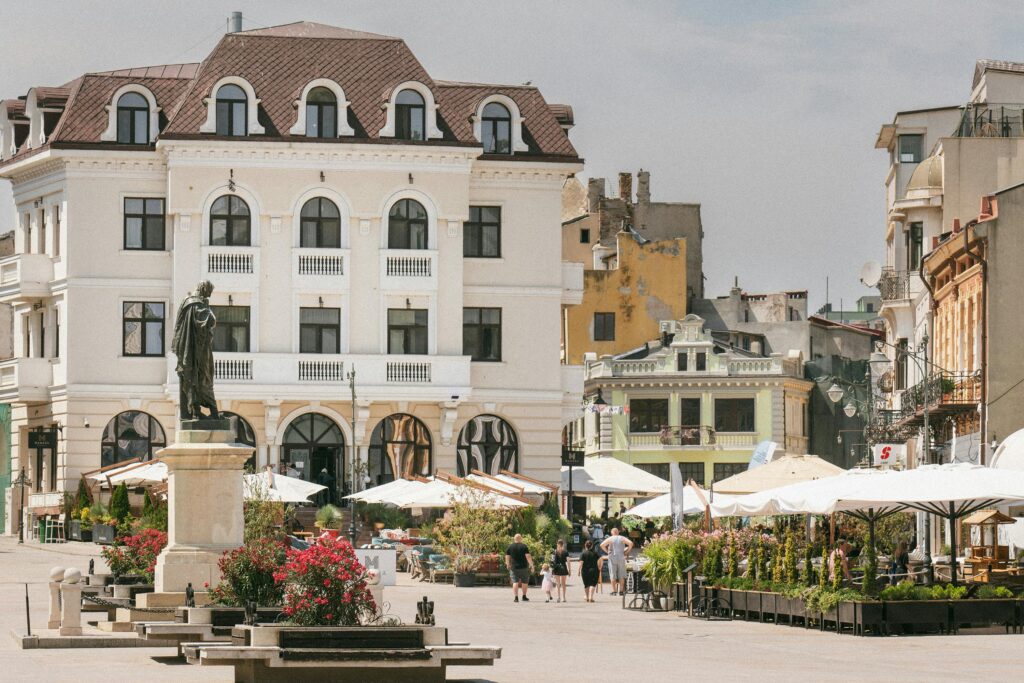
Advantages of Visiting Less-Traveled Destinations
1. Fewer Crowds
Travelers can enjoy:
- Peaceful exploration
- Authentic interactions with locals
- Less waiting and congestion
2. Authentic Experiences
Smaller destinations often retain:
- Traditional lifestyles
- Local customs and cuisine
- Cultural authenticity
3. Cost Benefits
In some cases (especially Moldova):
- Lower accommodation costs
- Affordable dining and activities
The Role of Sustainable Tourism
These lesser-visited countries have an opportunity to:
- Avoid overtourism issues seen in major cities
- Develop tourism sustainably from the start
- Protect cultural and natural heritage
Digital Influence and Changing Travel Trends
1. Social Media Discovery
Platforms like Instagram and TikTok are:
- Bringing attention to hidden destinations
- Encouraging off-the-beaten-path travel
2. Rise of “Slow Travel”
Travelers increasingly prefer:
- Longer stays
- Deeper cultural immersion
- Less crowded locations
This trend benefits smaller countries.
Challenges to Tourism Growth
1. Infrastructure Limitations
- Limited hotels and transport options
- tailored to international tourists
2. Economic Constraints
Smaller countries may lack:
- Funding for tourism development
- Resources for global marketing
3. Balancing Growth and Preservation
Rapid tourism growth could:
- Disrupt local communities
- Damage fragile environments
Opportunities for Development
1. Niche Tourism
- Wine tourism (Moldova)
- Luxury and nature tourism (Liechtenstein)
- Heritage tourism (San Marino)
2. Regional Collaboration
Partnering with neighboring countries to create:
- Multi-destination itineraries
- marketing campaigns
3. Digital Marketing Strategies
- Influencer partnerships
- Virtual tours
- Targeted online campaigns
The Future of Europe’s Hidden Destinations
As travelers seek new and meaningful experiences, lesser-known countries are gaining attention. Moldova, Liechtenstein, and San Marino are well-positioned to benefit from:
- Changing travel preferences
- Desire for authenticity
- Growing awareness of overtourism
Frequently Asked Questions (FAQs)
1. Why do Moldova, Liechtenstein, and San Marino receive so few tourists?
They lack global visibility, have limited accessibility, and are overshadowed by neighboring countries.
2. Are these countries worth visiting?
Yes. They offer unique cultural, historical, and natural experiences without the crowds of major destinations.
3. What is the best time to visit these countries?
Spring and autumn are ideal for mild weather and fewer tourists.
4. Is it expensive to visit these destinations?
Costs vary. Moldova is generally affordable, while Liechtenstein can be more expensive due to its luxury positioning.
5. How can travelers reach these countries?
Typically via neighboring countries:
- Moldova via Eastern Europe
- Liechtenstein via Switzerland or Austria
- San Marino via Italy
6. Are these destinations safe?
Yes, all three are considered safe for travelers.
7. Will tourism increase in these countries?
Likely yes, as travelers seek less crowded and more authentic destinations.
Conclusion
Moldova, Liechtenstein, and San Marino may not yet be on every traveler’s radar, but that is precisely what makes them special. In a world where overtourism is becoming a growing concern, these hidden European destinations offer something increasingly rare: authenticity, tranquility, and discovery.
As travel trends evolve, these countries have a unique opportunity—not to replicate the success of Europe’s busiest destinations, but to define their own path through sustainable, meaningful tourism.
Sources Euro News

