
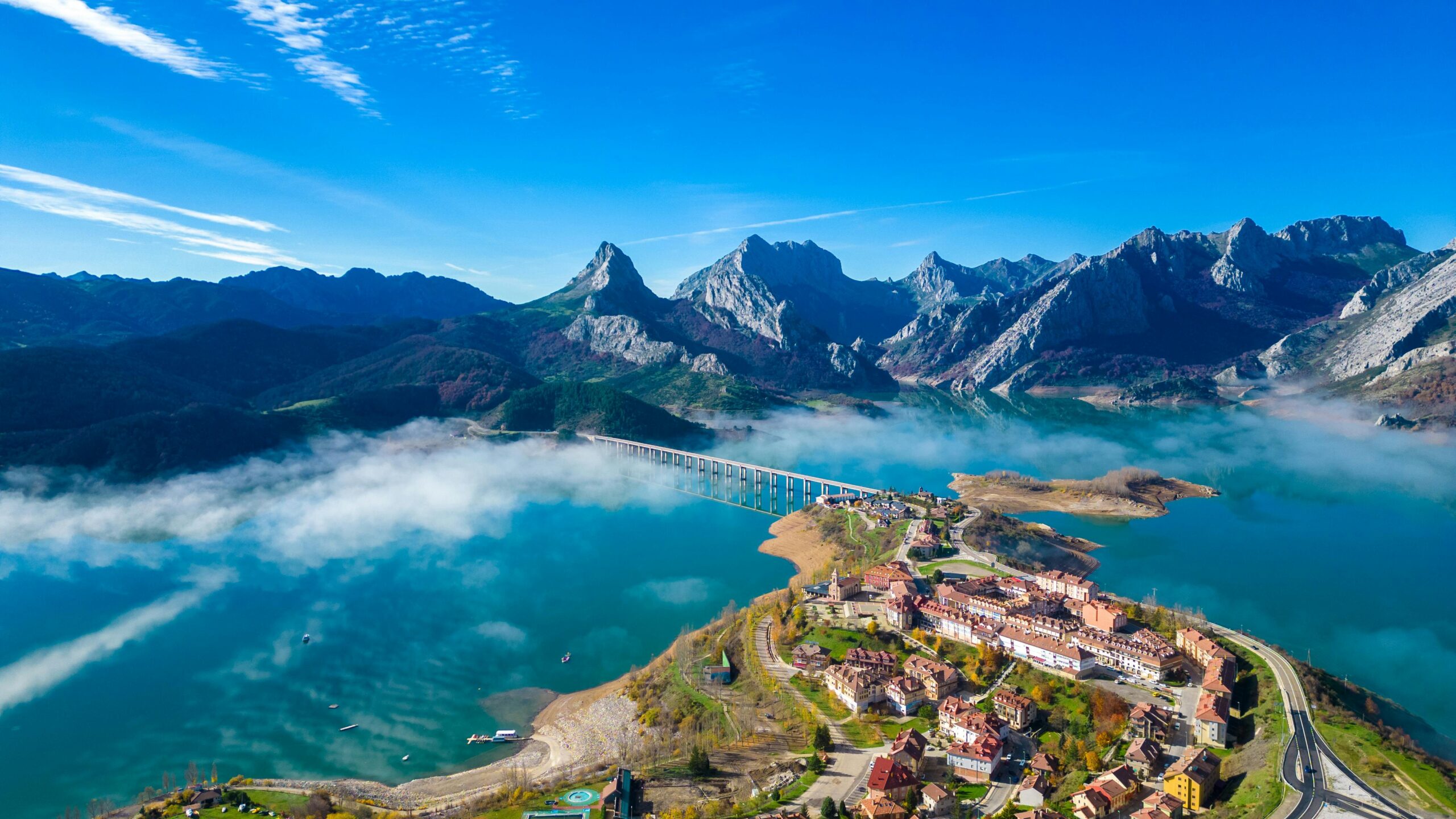
Spain is one of the world’s most visited countries, famed for destinations like Barcelona, Madrid, and the Costa del Sol. Yet beyond these iconic hotspots lies another Spain—one defined by quiet villages, untouched coastlines, and deeply rooted traditions.
Inspired by travelers’ personal discoveries, as highlighted in the referenced Guardian article, this expanded guide explores Spain’s lesser-known destinations while diving deeper into why these places remain overlooked, what makes them special, and how travelers can experience them responsibly.
Why Hidden Gems Matter More Than Ever
1. The Rise of Overtourism
Major Spanish cities face growing challenges:
- Overcrowding in historic districts
- Rising housing costs for locals
- Environmental strain
Hidden destinations offer a solution by distributing tourism more evenly.
2. The Appeal of Tranquility
Modern travelers increasingly seek:
- Peace and quiet
- Authentic cultural experiences
- Nature-based escapes
Spain’s lesser-known regions provide exactly that.
Types of Hidden Gems Across Spain
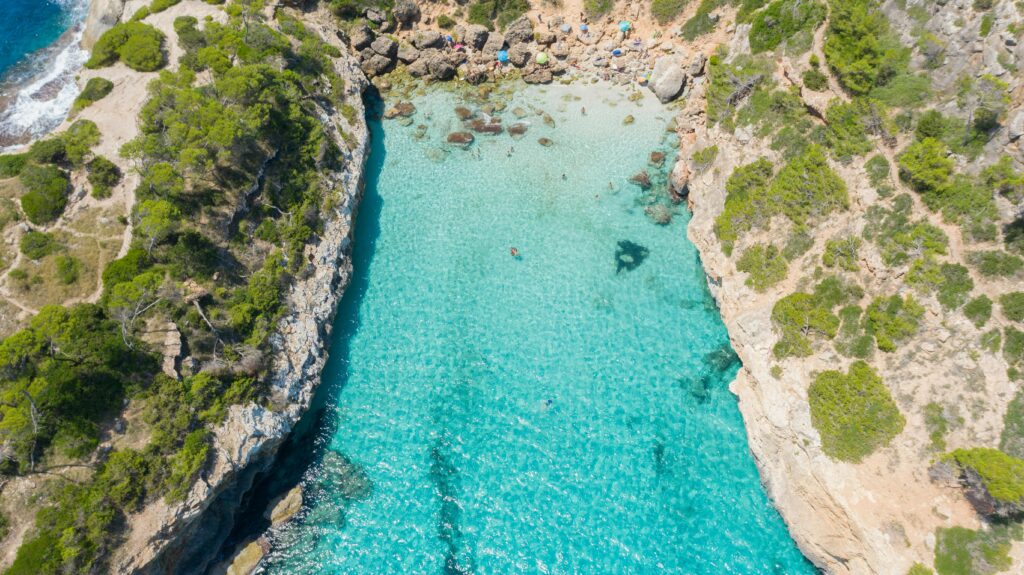
1. Remote Coastal Escapes
While Spain’s famous beaches attract millions, quieter alternatives include:
- Untouched coves in Galicia
- Rugged coastlines in Asturias
- Hidden Mediterranean inlets far from resorts
These locations offer:
- Crystal-clear waters
- Minimal crowds
- Unspoiled natural beauty
2. Mountain Villages and Rural Retreats
Inland Spain is dotted with picturesque villages:
- Whitewashed towns in Andalusia
- Stone villages in the Pyrenees
- Hilltop settlements in Aragón
Here, travelers can experience:
- Traditional lifestyles
- Local festivals
- Slow-paced living
3. Underrated Historic Towns
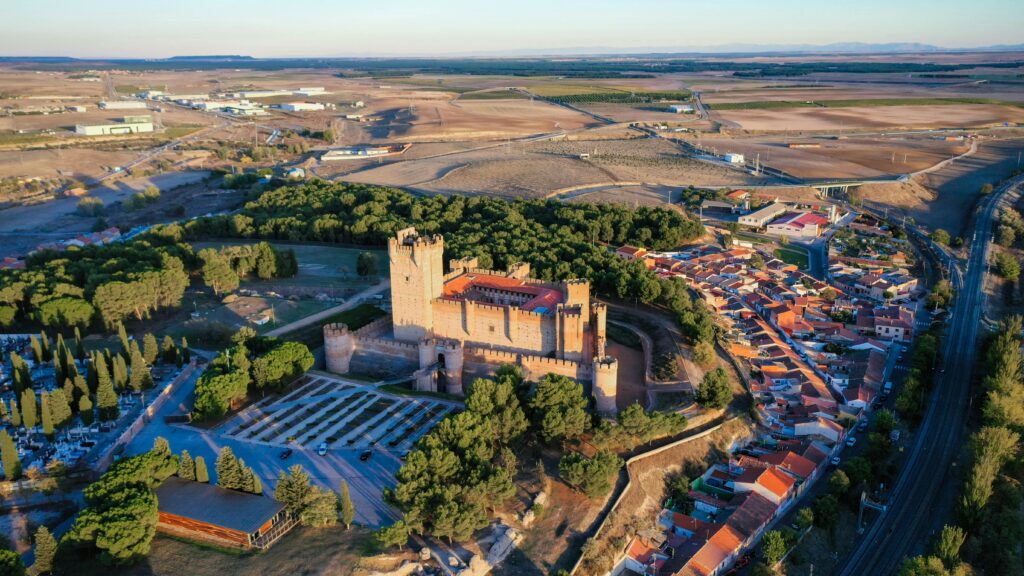
Beyond major cities, smaller towns boast rich histories:
- Medieval streets without tourist congestion
- Ancient castles and fortresses
- Roman and Moorish architectural influences
These places often feel like living museums.
4. Nature and National Parks
Spain’s diverse geography includes:
- Forests, wetlands, and mountains
- Protected parks with rare wildlife
- Hiking and eco-tourism opportunities
Examples include lesser-visited parks where:
- Birdwatching thrives
- Trails remain uncrowded
Standout Hidden Destinations (Expanded Insights)
1. Northern Spain: Green and Untamed
Regions like Galicia, Asturias, and Cantabria offer:
- Lush landscapes unlike typical Mediterranean Spain
- Dramatic cliffs and Atlantic views
- Culinary richness (seafood, cider culture)
These areas remain under-visited due to:
- Cooler, wetter weather
- Less international marketing
2. Inland Castilla Regions
Often overlooked, Castilla y León and Castilla-La Mancha feature:
- Historic cities like Segovia and Toledo’s quieter counterparts
- Vast plains and rural charm
- Deep literary and cultural heritage
3. Extremadura: Spain’s Best-Kept Secret
This region offers:
- Roman ruins (e.g., Mérida)
- Medieval towns like Cáceres
- Exceptional birdwatching
Despite its richness, it sees few tourists due to:
- Limited transport links
- Low international awareness
4. Lesser-Known Islands
Beyond Ibiza and Mallorca:
- La Gomera and El Hierro (Canary Islands) offer tranquility
- Menorca provides a quieter Balearic experience
Cultural Richness Beyond the Crowds
Hidden destinations allow deeper cultural immersion:
- Local festivals untouched by mass tourism
- Regional cuisines with authentic flavors
- Traditional crafts and artisan communities
Travelers can engage more meaningfully with Spain’s diverse identities.
The Role of Food in Discovering Hidden Spain
Culinary tourism is a major highlight:
- Small गाँव restaurants serving regional specialties
- Farm-to-table experiences
- Local wines and lesser-known vineyards
Food becomes a gateway to understanding local culture.
Challenges Facing Hidden Destinations
1. Limited Infrastructure
- Fewer hotels and transport options
- Language barriers in rural areas
2. Risk of Sudden Popularity
Once discovered, destinations can:
- Become overcrowded
- Lose their authenticity
3. Economic Constraints
Smaller regions may lack:
- Funding for sustainable tourism development
- Global marketing reach
Sustainable Travel in Hidden Spain
To preserve these destinations:
Best Practices for Travelers:
- Support local businesses
- Respect local customs and environments
- Avoid over-commercialized activities
- Travel during off-peak seasons
How to Discover Your Own Hidden Gems
1. Go Beyond Guidebooks
- Explore local blogs and forums
- Talk to residents
2. Travel Slowly
- Spend more time in fewer places
- Explore आसपास villages
3. Use Regional Transport
- Trains and buses often connect lesser-known towns
The Future of Travel in Spain
Spain is gradually shifting toward:
- Sustainable tourism models
- Promotion of lesser-known regions
- Balanced visitor distribution
Hidden gems are no longer just alternatives—they are becoming central to Spain’s tourism strategy.
Frequently Asked Questions (FAQs)
1. What are Spain’s hidden gems?
They are lesser-known destinations—villages, природные areas, and towns—that receive fewer tourists but offer rich experiences.
2. Why are these places not popular?
Limited marketing, accessibility challenges, and competition from major cities keep them under the radar.
3. Are hidden destinations cheaper?
Often yes, especially in rural areas, though prices can vary by region.
4. Is it safe to travel to these areas?
Yes, Spain is generally very safe, including its rural regions.
5. When is the best time to visit?
Spring and autumn offer mild weather and fewer crowds.
6. How can I travel responsibly?
Support local communities, respect nature, and avoid contributing to overtourism.
7. Will these hidden gems remain undiscovered?
Not entirely. As travel trends shift, more people are exploring them—but mindful tourism can help preserve their charm.
Conclusion
Spain’s hidden gems reveal a side of the country that is often overshadowed but deeply rewarding. From tranquil coastlines to timeless villages, these destinations offer something increasingly rare in modern travel: space, authenticity, and connection.
As travelers move away from crowded hotspots, these quiet corners of Spain are poised to shine—not as replacements for famous cities, but as complements that complete the Spanish experience.
Sources The Guardian

