
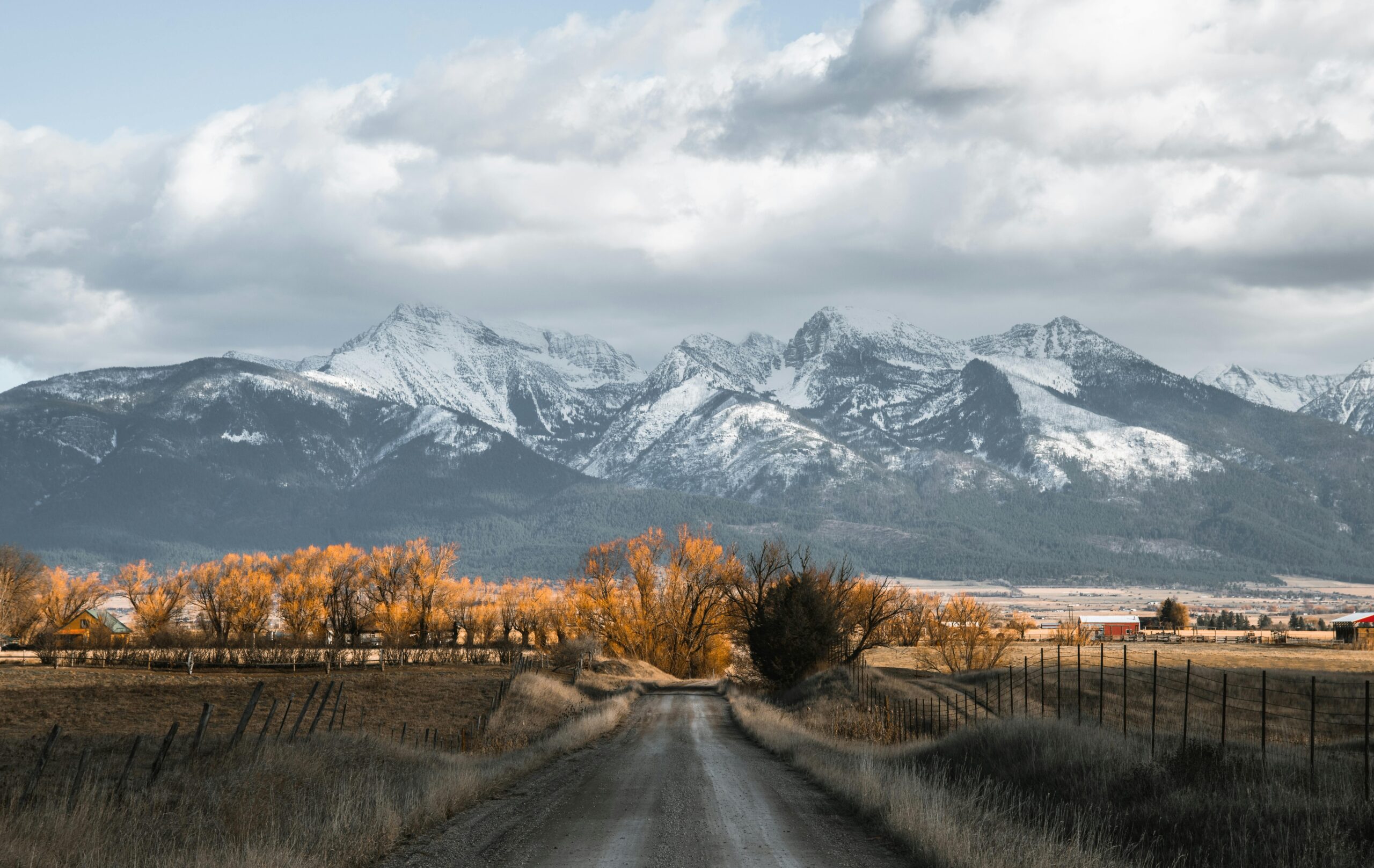
As travel demand continues to rebound and evolve, destinations across the United States are working harder than ever to prepare for peak visitor seasons. In Southwest Montana—a region known for its rugged landscapes, national parks, and outdoor recreation—the annual tourism surge brings both opportunity and pressure.
The recent tourism roadshow highlighted in the referenced NBC Montana article represents more than a seasonal briefing. It reflects a broader effort to equip local businesses, strengthen regional collaboration, and ensure sustainable growth in a rapidly changing tourism landscape.
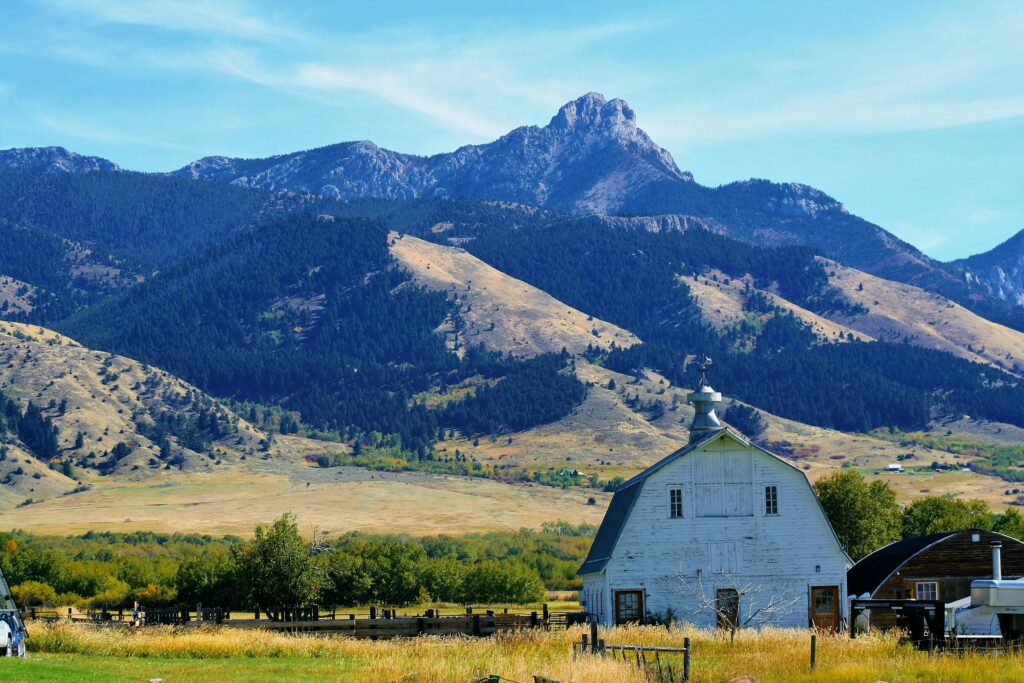
What Is the Tourism Roadshow?
The tourism roadshow is a coordinated initiative that brings together:
- Local business owners
- Tourism officials
- Hospitality professionals
- Community leaders
Its primary goal is to prepare stakeholders for the upcoming busy travel season by providing:
- Industry insights
- Marketing strategies
- Operational guidance
- Networking opportunities
Why Preparation Matters More Than Ever
1. Post-Pandemic Travel Surge
Travel demand has rebounded strongly, with:
- Increased domestic tourism
- Higher interest in nature-based destinations
- Greater demand for outdoor experiences
Southwest Montana is particularly attractive due to its proximity to Yellowstone National Park and other природные landmarks.
2. Changing Traveler Expectations
Modern travelers expect:
- Seamless digital experiences
- Personalized services
- Sustainable and responsible tourism options
Businesses must adapt quickly to remain competitive.
Key Focus Areas of the Roadshow
1. Workforce Readiness
One of the biggest challenges facing tourism businesses is staffing.
Issues Highlighted:
- Labor shortages in hospitality
- Seasonal employment gaps
- Training needs for new hires
Solutions Discussed:
- Improved recruitment strategies
- Employee retention programs
- Cross-training staff
2. Customer Experience Enhancement
Delivering exceptional visitor experiences is critical.
Businesses are encouraged to:
- Provide consistent service quality
- Embrace local storytelling
- Create memorable, authentic interactions
3. Digital Marketing and Online Presence
Tourism marketing has shifted heavily online.
Key strategies include:
- Social media engagement
- Search engine visibility
- Online booking systems
- Customer reviews management
4. Regional Collaboration
The roadshow emphasizes working together rather than competing.
Benefits include:
- Shared marketing campaigns
- Coordinated events
- Multi-destination travel itineraries
Economic Impact of Tourism in Southwest Montana
Tourism is a major economic driver in the region.
Key Contributions:
- Supports local businesses (lodging, dining, retail)
- Generates employment
- Boosts tax revenue
Small towns especially rely on seasonal visitors to sustain their economies.
Challenges Facing the Region
1. Infrastructure Strain
Increased tourism can lead to:
- Traffic congestion
- Overcrowding in popular المواقع
- Pressure on public services
2. Environmental Concerns
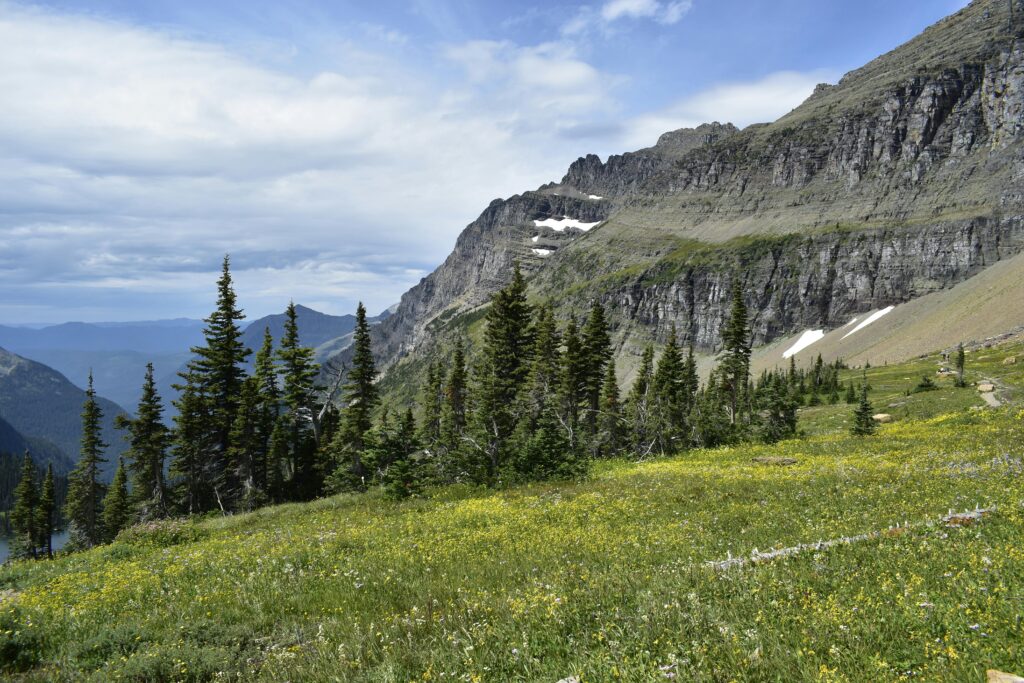
Southwest Montana’s natural beauty is its greatest asset—but also its most vulnerable.
Concerns include:
- Trail erosion
- Wildlife disruption
- Waste management
3. Housing and Cost of Living
Tourism growth can impact local communities:
- Rising housing costs
- Limited availability for workers
- Increased demand for short-term rentals
The Role of Sustainability
Sustainability is becoming central to tourism planning.
Key Initiatives:
- Promoting responsible visitor behavior
- Encouraging eco-friendly business practices
- Protecting природные resources
Opportunities for Local Businesses
1. Diversifying Offerings
Businesses can expand by offering:
- Guided tours
- Local crafts and products
- Unique experiences
2. Extending the Season
Encouraging off-season travel through:
- Events and festivals
- Winter tourism activities
- Special promotions
3. Leveraging Local Identity
Highlighting what makes Southwest Montana unique:
- Western heritage
- Outdoor adventure
- Local culture and traditions
The Importance of Community Engagement
Tourism success depends on community support.
Benefits for Residents:
- Economic growth
- Improved infrastructure
- Increased opportunities
Concerns:
- Overcrowding
- Loss of local character
- Environmental impact
Balancing these factors is essential for long-term success.
The Future of Tourism in Southwest Montana
The roadshow reflects a forward-looking approach:
- Embracing innovation
- Strengthening partnerships
- Prioritizing sustainability
As travel trends continue to evolve, the region is positioning itself to remain a top destination for nature-focused tourism.
Frequently Asked Questions (FAQs)
1. What is the tourism roadshow?
It is an event designed to help local businesses prepare for the upcoming travel season through training, insights, and collaboration.
2. Why is tourism important to Southwest Montana?
Tourism supports the local economy, creates jobs, and sustains small businesses.
3. What challenges do businesses face?
Key challenges include staffing shortages, infrastructure strain, and environmental concerns.
4. How can businesses prepare for the busy season?
By improving staffing, enhancing customer experience, and strengthening their online presence.
5. What role does sustainability play?
Sustainability ensures that tourism growth does not harm the environment or local communities.
6. How does the roadshow benefit the community?
It helps businesses succeed, which in turn supports economic growth and regional development.
7. What trends are shaping tourism in the region?
Nature-based travel, digital engagement, and demand for authentic experiences are प्रमुख trends.
Conclusion
The Southwest Montana tourism roadshow is more than a seasonal preparation effort—it is a strategic initiative aimed at building a resilient, sustainable, and competitive tourism ecosystem.
By addressing challenges, embracing innovation, and fostering collaboration, the region is not only preparing for a busy travel season but also shaping the future of tourism in a way that benefits businesses, visitors, and local communities alike.
Sources NBC Montana

