
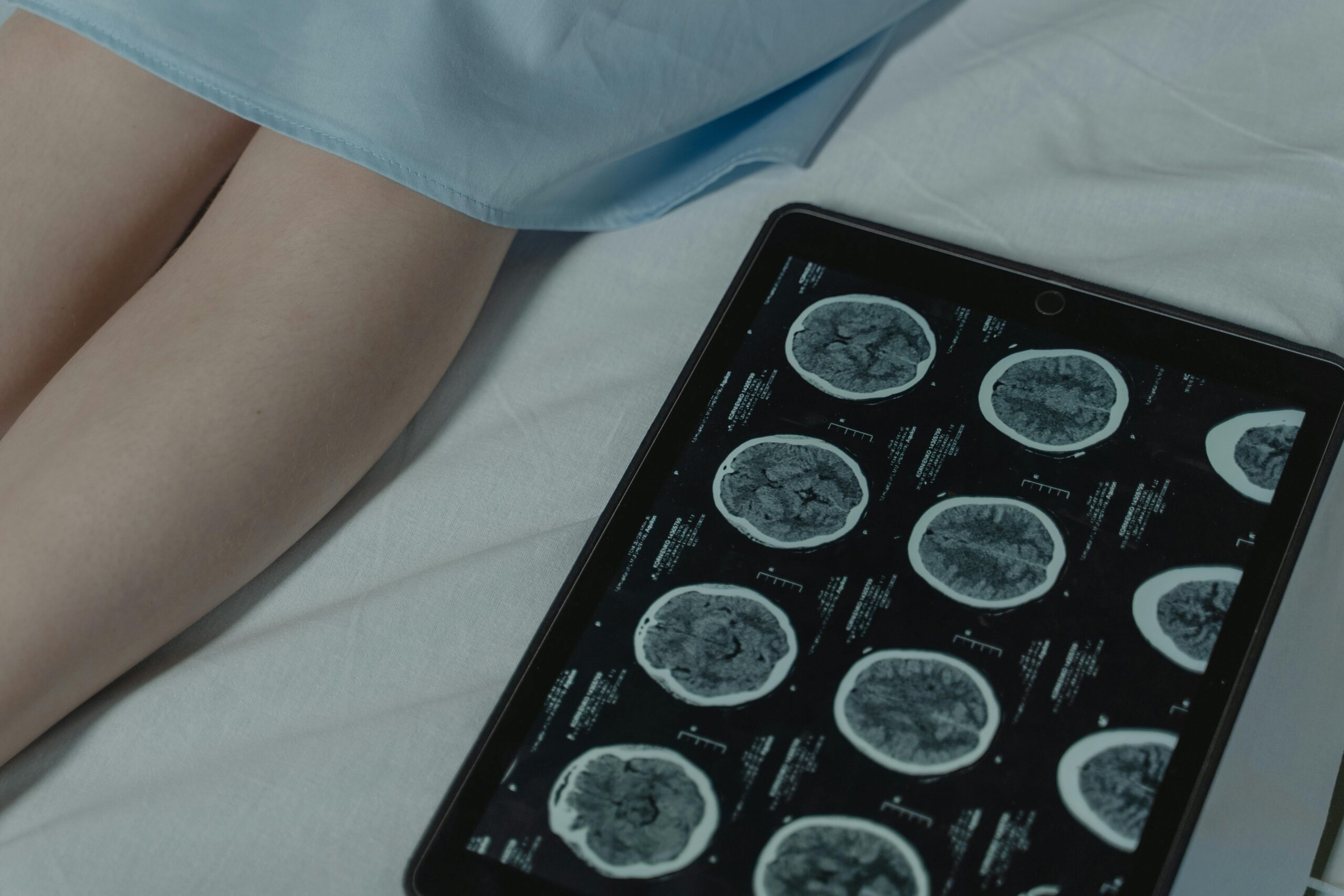
In April 1861, a groundbreaking moment in medical history quietly reshaped our understanding of the human brain. A French physician, Paul Broca, performed an autopsy on a patient who had lost the ability to speak—but could still understand language. What he discovered would challenge centuries of belief and lay the foundation for modern neuroscience.
The Live Science article highlights this pivotal event, but its significance reaches far beyond a single case. It marks the beginning of a scientific revolution in understanding how language is processed in the brain, influencing everything from neurology and psychology to artificial intelligence and linguistics.
The Patient Known as “Tan”
1. A Mysterious Condition
The patient, Louis Victor Leborgne, became known as “Tan” because:
- “Tan” was the only syllable he could consistently utter
- He understood spoken language
- He could communicate through gestures
This condition is now recognized as expressive aphasia—a disorder affecting speech production.
2. What Made the Case Unique
Before Broca’s work, many believed:
- The brain functioned as a whole
- Specific functions were not localized
Leborgne’s case suggested otherwise:
- His comprehension remained intact
- Only his speech production was impaired
This hinted at specialized regions in the brain.
Broca’s Discovery
1. The Autopsy
After Leborgne’s death, Broca examined his brain and found:
- A lesion in the left frontal lobe
This area would later be named Broca’s area.
2. A Revolutionary Insight
Broca concluded that:
- Speech production is localized in a specific brain region
- The left hemisphere plays a dominant role in language
This was a radical departure from existing theories.
The Concept of Brain Localization
1. Before Broca
Earlier theories suggested:
- The brain worked as a unified organ
- Functions were not region-specific
2. After Broca
His findings led to:
- The idea that different brain regions control different functions
- A new field of study: localization of function
This became a cornerstone of modern neuroscience.
Broca’s Area: What Does It Do?
Broca’s area is responsible for:
- Speech production
- Language processing
- Grammar and sentence structure
Damage to this area results in:
- Difficulty forming words
- Slow, effortful speech
- Preserved comprehension (in many cases)
The Discovery of Wernicke’s Area
1. Complementary Findings
A few years later, Carl Wernicke identified another region:
- Located in the temporal lobe
- Responsible for language comprehension
2. Two Sides of Language
Together, these discoveries showed:
- Broca’s area → speech production
- Wernicke’s area → language understanding
This created a more complete model of language processing.
Impact on Modern Neuroscience
1. Foundations of Brain Mapping
Broca’s work helped establish:
- Functional brain mapping
- Neurological specialization
2. Advances in Medical Science
His discovery influenced:
- Stroke diagnosis and treatment
- Brain surgery techniques
- Rehabilitation for language disorders
3. Development of Cognitive Science
Understanding language in the brain contributed to:
- Psychology
- Linguistics
- Artificial intelligence
Aphasia: A Lasting Legacy
1. Types of Aphasia
Today, we recognize several forms:
- Broca’s aphasia (speech production difficulty)
- Wernicke’s aphasia (comprehension difficulty)
- Global aphasia (both impaired)
2. Causes
Aphasia can result from:
- Stroke
- Brain injury
- Tumors
- Neurodegenerative diseases
3. Treatment and Recovery
Modern العلاج includes:
- Speech therapy
- Cognitive rehabilitation
- assisted communication tools
The Brain and Language: A Complex Network
1. Beyond Single Regions
Modern research shows:
- Language involves multiple brain areas
- Networks are interconnected
- Functions are more distributed than once thought
2. Neuroplasticity
The brain can adapt:
- Other regions may compensate for damage
- Recovery is possible with therapy
Broca’s Discovery in Today’s World
1. Influence on AI and Language Models
Understanding human language processing has inspired:
- Natural language processing (NLP)
- Speech recognition systems
- AI communication tools
2. Educational Applications
Insights into language processing help:
- Improve language learning methods
- Support students with learning disabilities
3. Clinical Innovations
Modern includes:
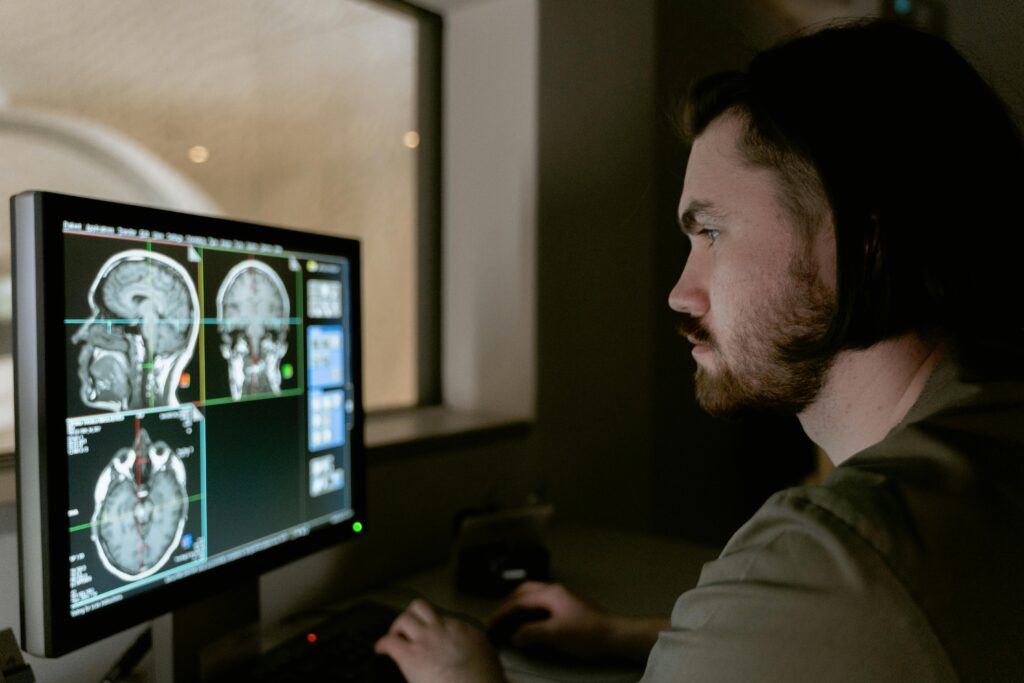
- Brain imaging (MRI, fMRI)
- Neural mapping techniques
- Advanced strategies
Ethical and Scientific Reflections
1. Early Medical Practices
Broca’s work raises questions about:
- Historical medical ethics
- Patient consent
- Scientific methods of the time
2. Ongoing Research
Scientists continue to explore:
- How language evolves in the brain
- Differences across individuals
- Multilingual brain processing
Frequently Asked Questions (FAQs)
1. Who was Paul Broca?
A French physician who identified the brain region responsible for speech production.
2. What is Broca’s area?
A part of the left frontal lobe involved in speech and language production.
3. What is aphasia?
A condition that affects language abilities, often caused by brain damage.
4. Why was the “Tan” case important?
It provided the first clear evidence that language functions are localized in specific brain regions.
5. Is language only controlled by Broca’s area?
No. Language involves multiple interconnected brain regions.
6. Can people recover from aphasia?
Yes, with therapy and rehabilitation, many people regain some language abilities.
7. How does this discovery affect modern science?
It laid the foundation for neuroscience, brain mapping, and language research.
Conclusion
The autopsy of a single patient in 1861 changed how we understand the human brain forever. Paul Broca’s discovery revealed that language is not just an abstract ability—it is rooted in the physical structure of the brain.
From that moment, neuroscience began to evolve into the sophisticated field we know today. And while our understanding has grown more complex, the legacy of that discovery remains clear: the human brain is not a mystery without structure, but a system of specialized regions working together to create thought, language, and identity.

Sources Live Science

