
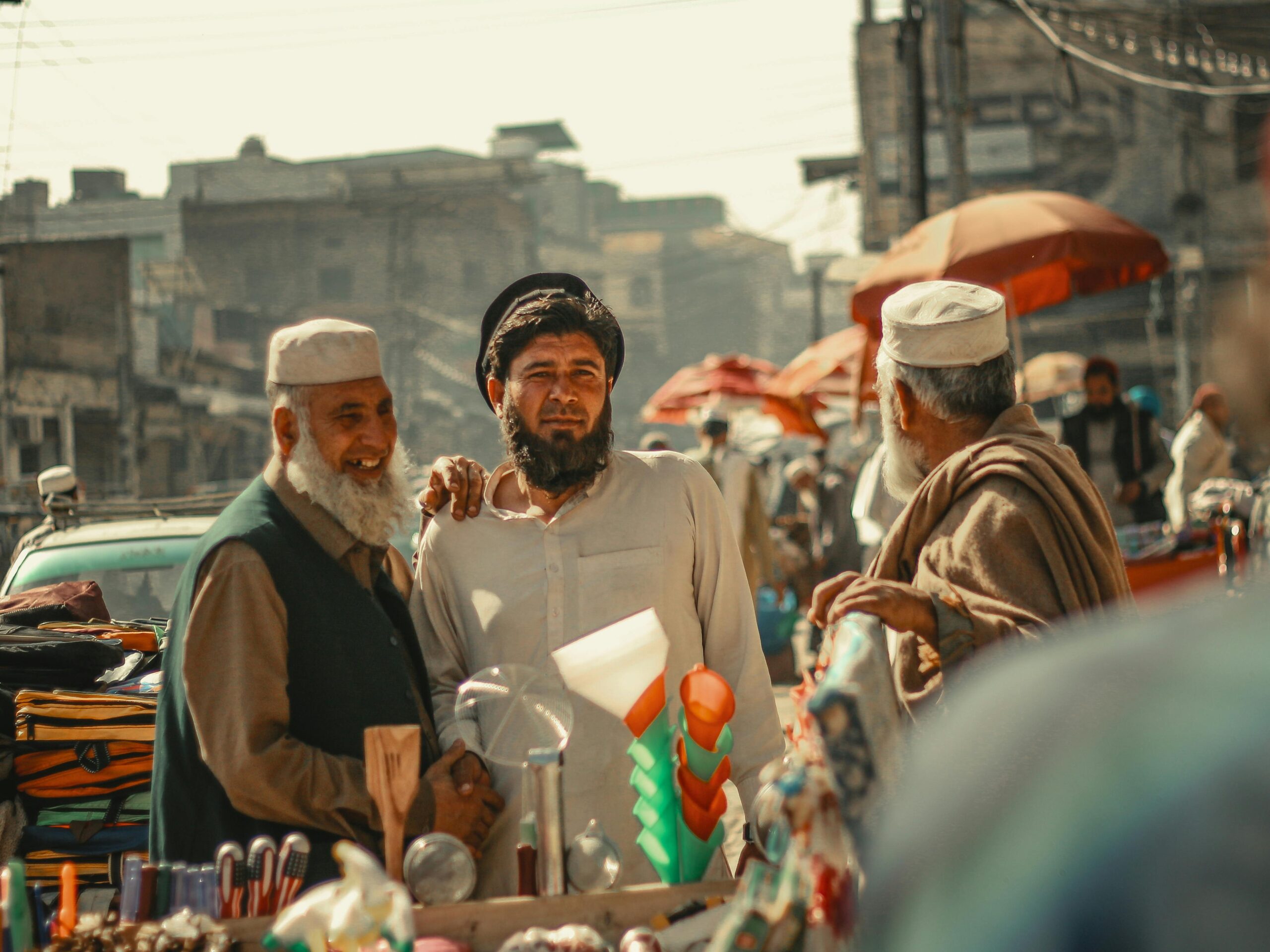
Behind every military mission lies a network of individuals whose contributions often go unseen. Among the most vital—and vulnerable—are local translators. The ABC News article highlighting Sheraz Ahmadi’s story sheds light on one such individual: an Afghan translator who worked alongside Australian troops and continues to live with the consequences of that service.
But this is not just one man’s story. It represents a broader, often overlooked reality about war, loyalty, displacement, and the moral responsibility nations hold toward those who supported them.
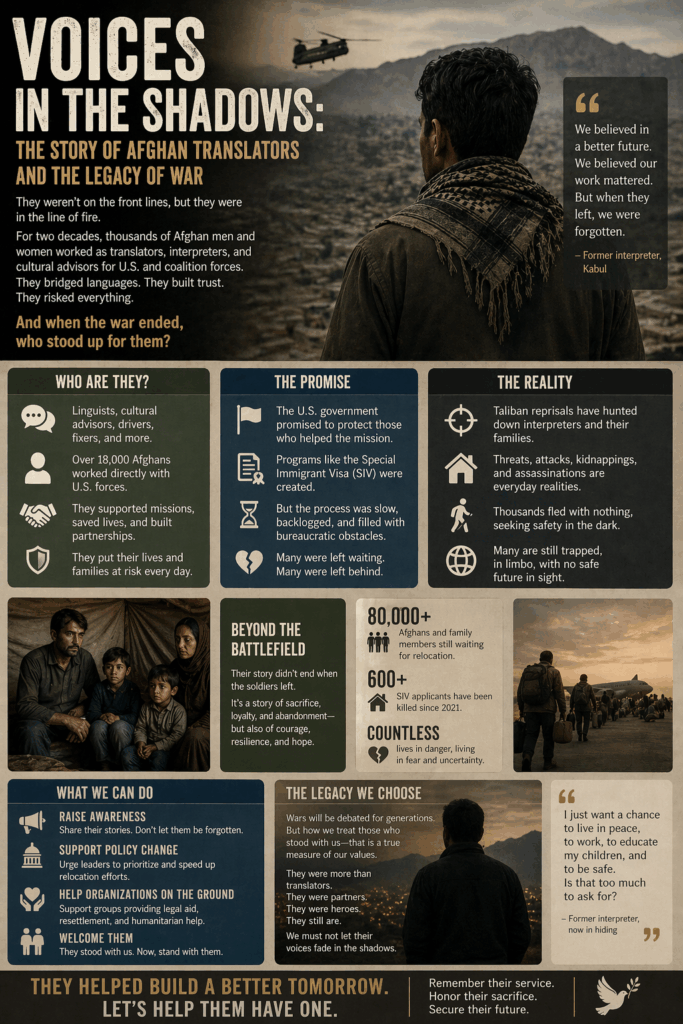
The Role of Translators in Conflict Zones
1. More Than Language Interpreters
Translators in war zones do far more than convert words:
- They bridge cultural gaps
- Help troops understand local communities
- Provide critical intelligence
- Facilitate negotiations and trust
In many cases, they are:
- Advisors
- Guides
- Cultural mediators
2. High-Risk Positions
Working with foreign often places translators in danger:
- Seen as collaborators by opposing groups
- Targeted by insurgents
- Threatened even after military withdrawal
For many, the risk continues long after the ends.
Sheraz Ahmadi’s Story: A Personal Perspective
1. Service and Sacrifice
Like many Afghan interpreters, Ahmadi:
- Worked closely with Australian forces
- Played a key role in communication and operations
- Built trust with soldiers on the ground
2. Life After the War
After foreign troops withdrew from Afghanistan:
- Translators were left exposed
- Many faced threats from the Taliban
- Relocation became a matter of survival
3. Seeking Safety
For individuals like Ahmadi:
- Relocation to countries like Australia is often difficult
- Bureaucratic delays can prolong uncertainty
- Families may remain at risk
The Broader Context: Afghan Translators After 2021
1. The Fall of Afghanistan
When the Taliban regained control in 2021:
- Thousands of interpreters were suddenly at risk
- Many had supported NATO forces for years
2. Evacuation Efforts
Countries including Australia, the U.S., and the U.K.:
- Launched emergency evacuation programs
- Offered special visas for interpreters
However:
- Not everyone was able to leave
- Many applications were delayed or denied
3. Ongoing Challenges
Even those who resettled face:
- Integration difficulties
- Employment challenges
- Psychological trauma
The Moral Responsibility Debate
1. Duty of Care
Many argue that countries have a moral obligation to:
- Protect those who supported their missions
- Provide safe relocation pathways
- Offer long-term support
2. Policy and Politics
Governments must balance:
- Immigration policies
- Security concerns
- Public opinion
This can lead to:
- Delays in processing
- Limited visa quotas
3. Public Awareness
Stories like Ahmadi’s help:
- Raise awareness
- Influence policy discussions
- Highlight human impact
ANZAC Day and Recognition
1. Remembering Service
ANZAC Day honors:
- Australian and New Zealand military personnel
- Sacrifice and in war
2. Expanding the Narrative
There is growing recognition that:
- Local allies, including translators, were part of these missions
- Their contributions deserve acknowledgment
3. Inclusion and Respect
Recognizing interpreters means:
- Acknowledging shared sacrifice
- Expanding the definition of service
Psychological and Emotional Impact
1. Trauma and Stress
Translators often experience:
- Exposure to violence
- Fear for personal and family safety
- Long-term mental health challenges
2. Identity and Displacement
After relocation, many face:
- Cultural adjustment
- Loss of homeland
- Identity
Integration in New Countries
1. Opportunities
Resettlement can offer:
- Safety and stability
- Access to education and employment
2. Challenges
However, refugees may struggle with:
- Language barriers
- Employment recognition
- Social integration
3. Community Support
Successful integration often depends on:
- Government programs
- Community networks
- Public acceptance
Lessons for Future Conflicts
1. Planning Ahead
Military operations should include:
- Clear relocation plans for local allies
- Early identification of at-risk individuals
2. Ethical Commitments
Countries must:
- Honor commitments
- Ensure protection for collaborators
3. Long-Term Support
Support should extend beyond evacuation to include:
- Mental health services
- Employment assistance
- Family reunification
The Human Side of War
War is often discussed in terms of:
- Strategy
- Outcomes
But stories like Ahmadi’s remind us that:
- War affects individuals deeply
- Loyalty can come at great personal cost
- The aftermath lasts far beyond the battlefield
Frequently Asked Questions (FAQs)
1. Who are Afghan translators?
They are local individuals who worked with foreign to provide language and cultural support during military operations.
2. Why are they at risk?
Because they are often viewed as collaborators by opposing groups, making them targets for retaliation.
3. What happened after the Taliban takeover?
Many translators were left vulnerable, with some evacuated and others still seeking relocation.
4. Do countries have a responsibility to help them?
Many believe there is a moral obligation to protect those who supported military missions.
5. What challenges do they face after resettlement?
Integration, employment, trauma, and cultural adjustment.
6. Why is their story important?
It highlights the impact of war and the importance of honoring commitments.
7. How can they be supported?
Through policy changes, community support, and increased public awareness.
Conclusion
Sheraz Ahmadi’s story is a powerful reminder that war is not only fought by soldiers in uniform. It is also shaped by individuals who stand beside them—often without recognition, and at great personal risk.
As nations reflect on their military histories, particularly on occasions like ANZAC Day, there is an opportunity to broaden the narrative. Recognizing translators and other local allies is not just about honoring the past—it is about upholding values of loyalty, responsibility, and humanity in the present and future.
Sources abc.net

