
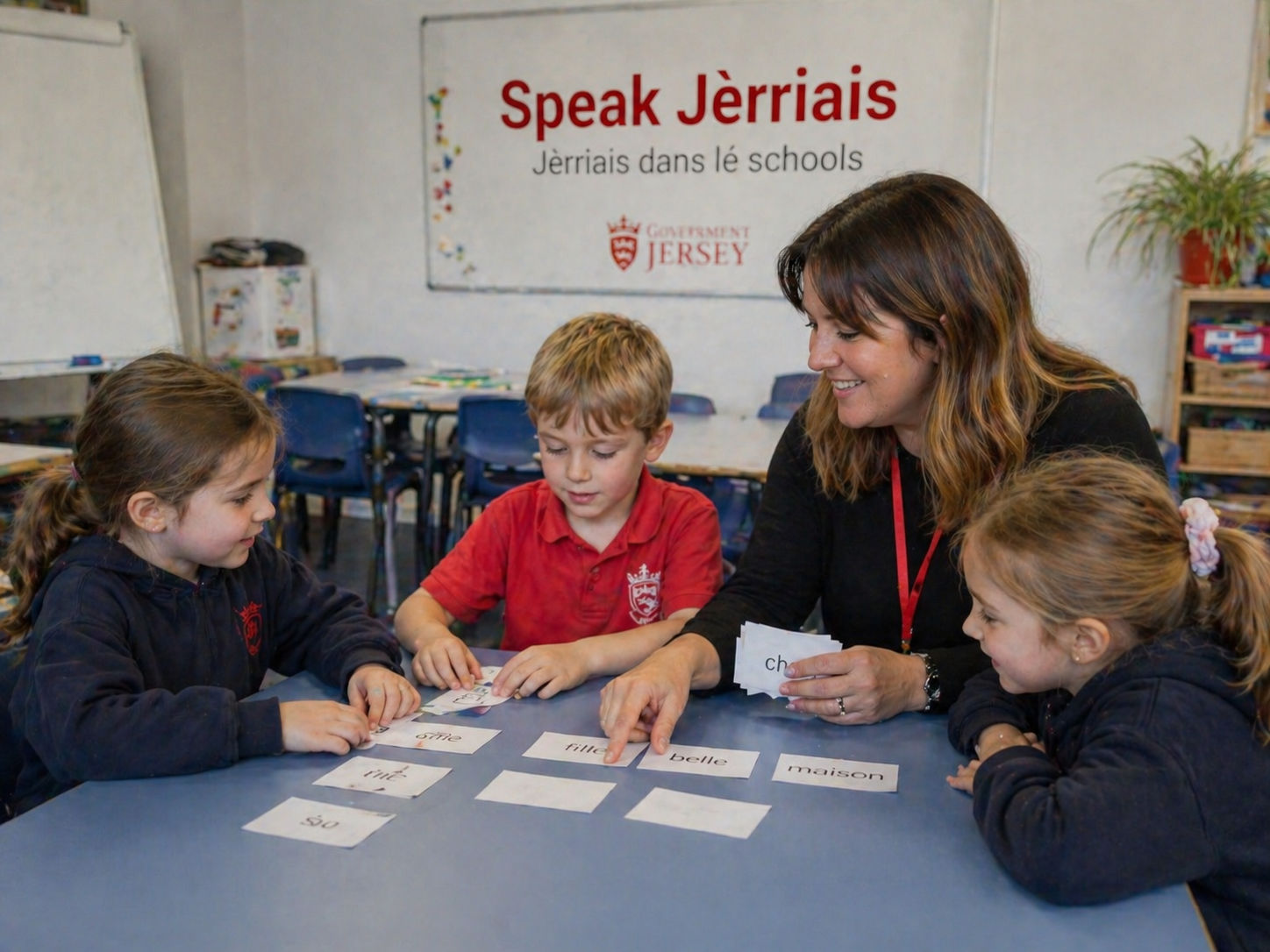
What if the future of an entire language depended not on scholars or institutions—but on children?
On the island of Jersey, a small but culturally rich part of the Channel Islands, efforts to preserve Jèrriais, the island’s traditional language, are gaining momentum. At the heart of this revival is an unexpected but powerful force: multilingual children.
As globalization and English dominance reshape communication, communities are discovering that the key to saving endangered languages may lie in the way younger generations naturally navigate multiple languages.
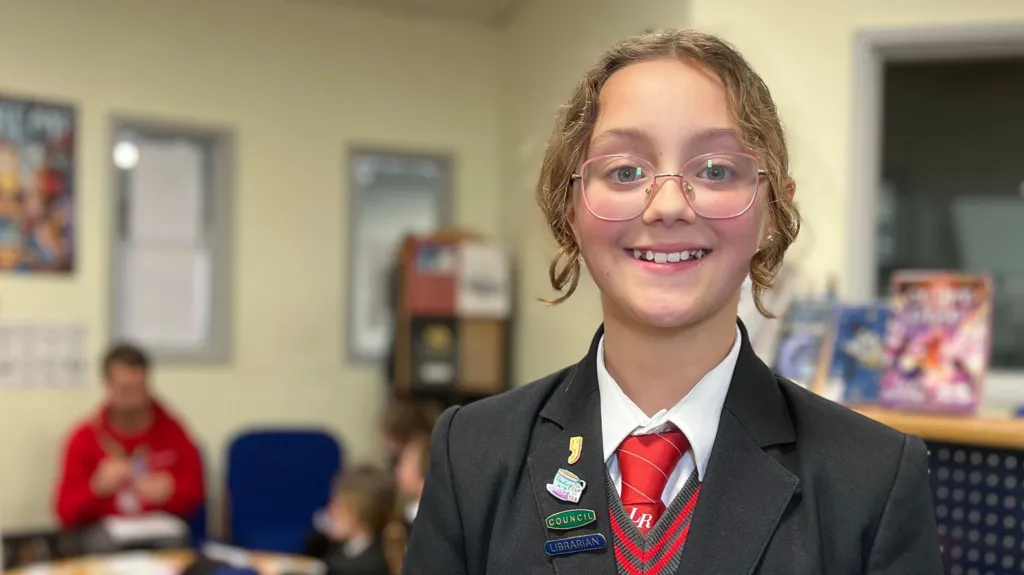
The Decline of Jèrriais: A Language at Risk
Jèrriais, a Norman language with roots in Old French, was once widely spoken across Jersey. Today, however, it is considered endangered.
Why the decline happened:
- Dominance of English in education and media
- Urbanization and cultural shifts
- Reduced intergenerational transmission
- Perception of limited practical use
Like many regional languages worldwide, Jèrriais has faced the challenge of remaining relevant in a rapidly globalizing society.
Why Multilingual Children Are the Key
Recent initiatives highlight a powerful idea: children who grow up with multiple languages are uniquely positioned to revitalize endangered ones.
Here’s why:
1. Natural Language Flexibility
Children are highly adaptable language learners. They can:
- Switch between languages
- Absorb pronunciation and grammar intuitively
- Retain multiple linguistic systems without confusion
2. Early Exposure Builds Lifelong Fluency
Research shows that early childhood is the most critical period for language acquisition.
Benefits of early exposure:
- Stronger pronunciation and fluency
- Greater confidence in using the language
- Deeper cultural connection
3. Multilingualism Is Now the Norm
In places like Jersey, many children already grow up speaking:
- English
- French
- Other community languages
Adding Jèrriais becomes less about learning from scratch—and more about expanding an existing skill set.
Schools at the Center of Language Revival
Education systems play a crucial role in preserving minority languages.
In Jersey, schools are:
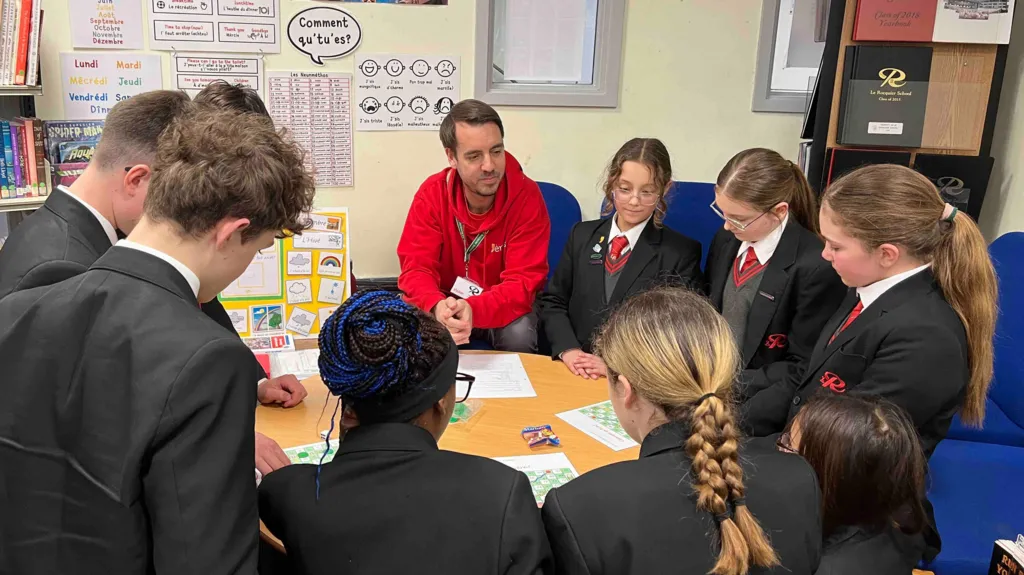
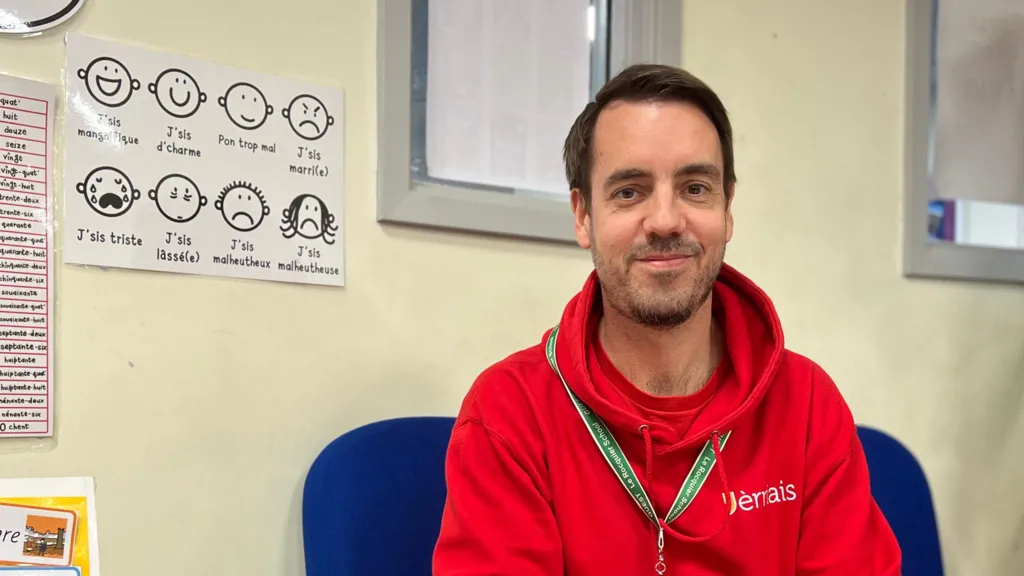
- Introducing Jèrriais lessons in classrooms
- Incorporating cultural elements into the curriculum
- Encouraging interactive learning through songs, stories, and games
Why this approach works:
- Makes language learning engaging
- Normalizes the use of Jèrriais
- Connects language with identity and heritage
Beyond the Classroom: Community Efforts
Reviving a language requires more than formal education.
Community initiatives include:
- Cultural festivals celebrating Jèrriais
- Public signage in multiple languages
- Media content (radio, social platforms) in Jèrriais
These efforts help bring the language into everyday life—not just academic settings.
The Cognitive Benefits of Multilingualism
The push for multilingual children isn’t just about preservation—it also offers significant advantages.
Research shows multilingual children often:
- Have better problem-solving skills
- Show enhanced memory and attention
- Develop stronger cultural awareness
This makes language revival efforts beneficial not just culturally, but cognitively.
Challenges in Reviving a Minority Language
Despite progress, several obstacles remain:
1. Limited Daily Use
Languages survive through regular use, and Jèrriais is not widely spoken in daily conversations.
2. Resource Constraints
There may be:
- Limited teaching materials
- Few fluent speakers to pass on knowledge
- Restricted funding for programs
3. Perception Among Youth
Some young people may see the language as:
- Less relevant in modern life
- Less useful than global languages like English
Changing this perception is key to long-term success.
What the Original Coverage Didn’t Fully Explore
1. The Role of Technology
Digital tools can accelerate language revival:
- Language-learning apps
- Online dictionaries and courses
- Social media content in Jèrriais
2. Intergenerational Learning
Bringing together:
- Older fluent speakers
- Younger learners
creates a powerful exchange of knowledge and culture.
3. Global Parallels
Jersey is not alone. Similar efforts are happening worldwide:
- Welsh in Wales
- Māori in New Zealand
- Hawaiian in the U.S.
These examples show that language revival is possible with sustained effort.
4. Identity and Belonging
Language is more than communication—it’s identity.
For many in Jersey, reviving Jèrriais means:
- Reconnecting with heritage
- Strengthening community bonds
- Preserving a unique cultural voice
Practical Ways to Support Language Revival
For families:
- Encourage children to learn and use Jèrriais
- Incorporate the language into daily routines
For educators:
- Use interactive and engaging teaching methods
- Integrate culture with language learning
For communities:
- Promote public use of the language
- Support local initiatives and events
Frequently Asked Questions (FAQs)
1. What is Jèrriais?
It’s a traditional Norman language spoken in Jersey, with roots in Old French.
2. Why is it endangered?
Due to the dominance of English, reduced daily use, and lack of intergenerational transmission.
3. How can children help revive the language?
By learning and using it regularly, ensuring it continues into future generations.
4. Is multilingualism beneficial for children?
Yes. It improves cognitive skills, cultural awareness, and communication abilities.
5. Can a language really be revived?
Yes. Successful examples around the world show that revival is possible with strong community support.
6. What role do schools play?
Schools introduce and normalize the language, making it accessible to younger generations.
7. How can technology help?
Through apps, online resources, and digital content that make learning more accessible and engaging.
Final Thoughts
The story of Jèrriais is not just about saving a language—it’s about preserving identity, culture, and history.
By empowering multilingual children, Jersey is embracing a future where tradition and modernity coexist. It’s a reminder that languages don’t survive by chance—they survive because people choose to speak them, teach them, and pass them on.
And sometimes, the smallest voices—those of children—carry the greatest power to keep a language alive.
Sources BBC

