
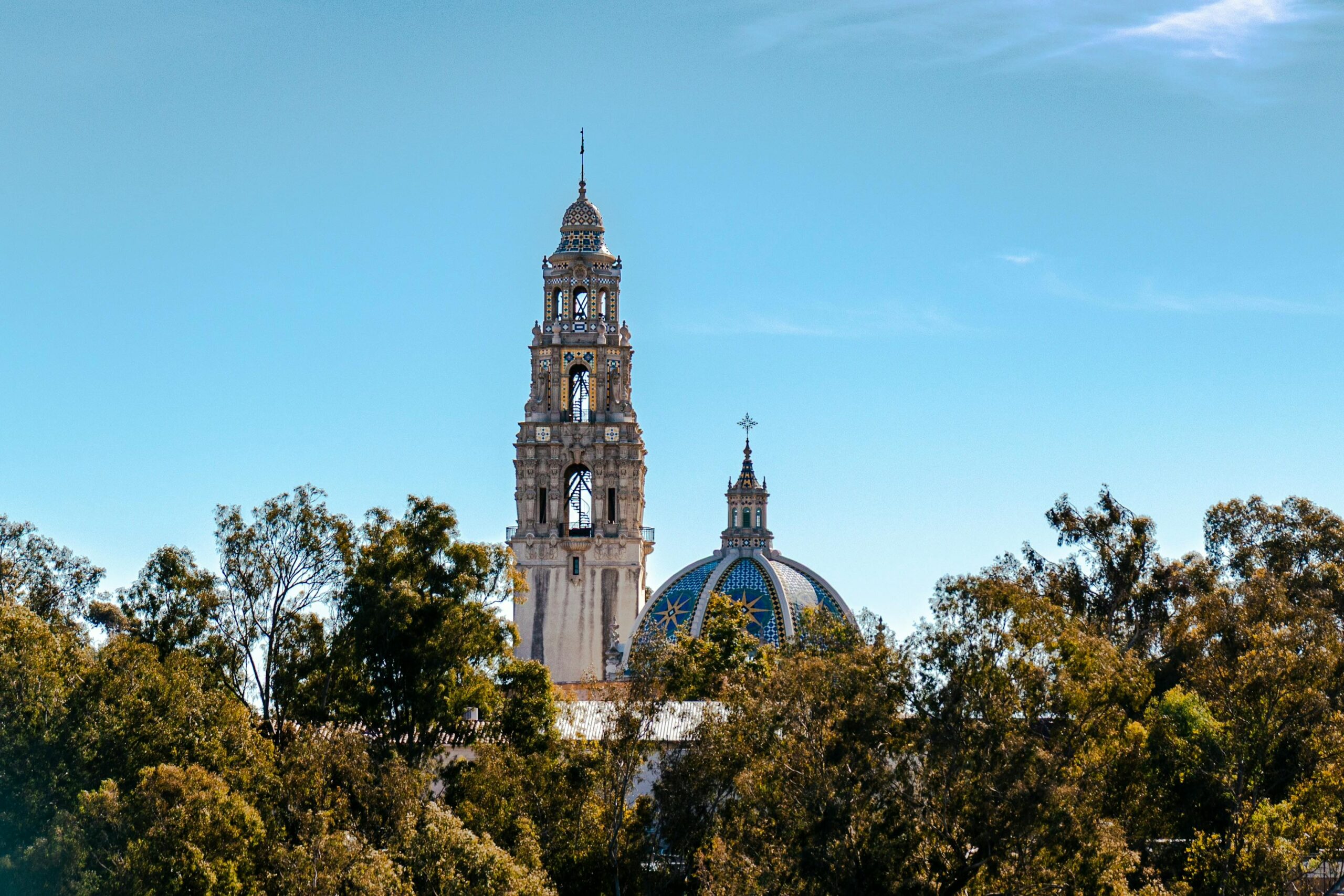
Balboa Park has long stood as one of San Diego’s crown jewels—a recreational hub filled with museums, gardens, theaters, and the world-famous San Diego Zoo. For generations, it has been a place where locals and tourists alike could wander freely, often beginning their visit with one simple convenience: free parking.
That convenience is now at the center of growing controversy.
Recent changes introducing paid parking in and around Balboa Park have sparked strong reactions from visitors, businesses, and cultural institutions. What city officials see as a necessary toward modernization and sustainability, critics argue is a move that risks undermining tourism and accessibility at one of the city’s most iconic destinations.

The Shift to Paid Parking
The introduction of paid parking marks a significant policy change. Historically, Balboa Park offered free parking across many lots and surrounding areas, making it an accessible destination for families, school groups, and tourists.
Under the new system:
- Visitors are required to pay for parking in key areas
- Enforcement has increased, with stricter monitoring
- Time limits and dynamic pricing may apply during peak hours
The intention behind these changes includes:
- Managing congestion
- Encouraging alternative transportation
- Generating revenue for park maintenance and infrastructure
However have been more complex than anticipated.
Immediate Impact on Visitor Behavior
Early reactions suggest that parking fees are influencing how people choose to visit—or whether they visit at all.
Some noticeable trends include:
- Shorter visits, as people try to avoid higher fees
- Reduced spontaneous trips, especially among locals
- Visitors opting for other attractions with easier access
For families and groups, parking costs can quickly add up, turning what was once a low-cost outing into a more expensive experience.
Economic Ripple Effects
The reduced foot traffic extends beyond the parking lots.
Museums and Cultural Institutions
Balboa Park houses numerous museums that rely heavily on visitor numbers. Even a small drop in attendance can affect revenue, programming, and staffing.
Small Businesses and Vendors
Cafés, gift shops, and independent vendors the park depend on steady visitor flow. Fewer visitors often mean lower daily earnings.
Events and Performances
Ticketed events may see decreased turnout if attendees factor in additional parking costs.
In this way, parking policy becomes an economic issue—not just a logistical one.
Accessibility and Equity Concerns
One of the strongest criticisms revolves around accessibility.
Paid parking can disproportionately affect:
- Low-income families
- Elderly visitors who rely on nearby parking
- People with disabilities who require convenient access
While public transportation options exist, they may not be practical for everyone—especially those traveling from outside the city or with children.
Critics argue that a public park should remain as accessible as possible, regardless of income level.
The City’s Perspective
City officials and planners defend the move as part of a broader strategy to modernize urban mobility.
Key arguments include:
- Reducing traffic congestion in high-traffic areas
- Encouraging sustainable transport, such as buses, biking, and walking
- Funding park improvements without relying solely on public budgets
From this perspective, paid parking is not just about revenue—it’s about long-term sustainability and better resource management.
The Role of Urban Planning
The Balboa Park situation reflects a larger trend in urban planning: cities are rethinking how space is used and how people move through it.
Globally, many cities are:
- Reducing car dependency
- Introducing congestion pricing
- Expanding pedestrian-friendly zones
However, the success of these strategies depends heavily on implementation. Without strong alternatives—like efficient public transit or shuttle systems—restrictions can feel more like barriers than improvements.
Finding a Balance
The challenge lies in balancing competing priorities:
- Accessibility vs. sustainability
- Revenue generation vs. public service
- Tourist appeal vs. local quality of life
Potential solutions being обсуждени include:
- Discounted or validated parking for museum visitors
- Free parking periods during off-peak hours
- Expanded shuttle services the park
- Better communication about transportation options
A гибкий approach may help address concerns while still achieving policy goals.
A Broader Lesson for Tourism Destinations
What’s happening at Balboa Park is not unique. Around the world, popular destinations are grappling with how to manage crowds, fund maintenance, and remain accessible.
The key takeaway is clear: even small policy changes—like parking fees—can have outsized effects on visitor behavior and local economies.
Tourism is not just about attractions; it’s about the entire experience, from arrival to departure.
Frequently Asked Questions (FAQs)
1. Why did Balboa Park introduce paid parking?
To manage congestion, encourage alternative transportation, and generate revenue for park maintenance.
2. How has it affected tourism?
Some reports suggest decreased visitor numbers and shorter visits due to added costs.
3. Are there free parking options still available?
Limited free parking may exist in surrounding areas, but availability can be inconsistent.
4. What alternatives are available to driving?
Public transportation, ride-sharing, biking, and walking are encouraged, though accessibility varies.
5. Who is most affected by the changes?
Families, low-income visitors, and those needing convenient access are among the most impacted.
6. Is the policy permanent?
It may evolve based on feedback and observed impacts.
7. Do parking fees support the park directly?
Yes, revenue is typically used for maintenance and improvements.
8. Could this model expand to other attractions?
Possibly. Many cities are adopting similar strategies as part of broader urban planning efforts.
Balboa Park remains a cultural treasure—but its future as an accessible destination may depend on how well policymakers listen, adapt, and strike the right balance. In the end, the success of any tourism strategy lies not just in attracting visitors, but in ensuring they feel welcome from the moment they arrive.

Sources SFGate

