
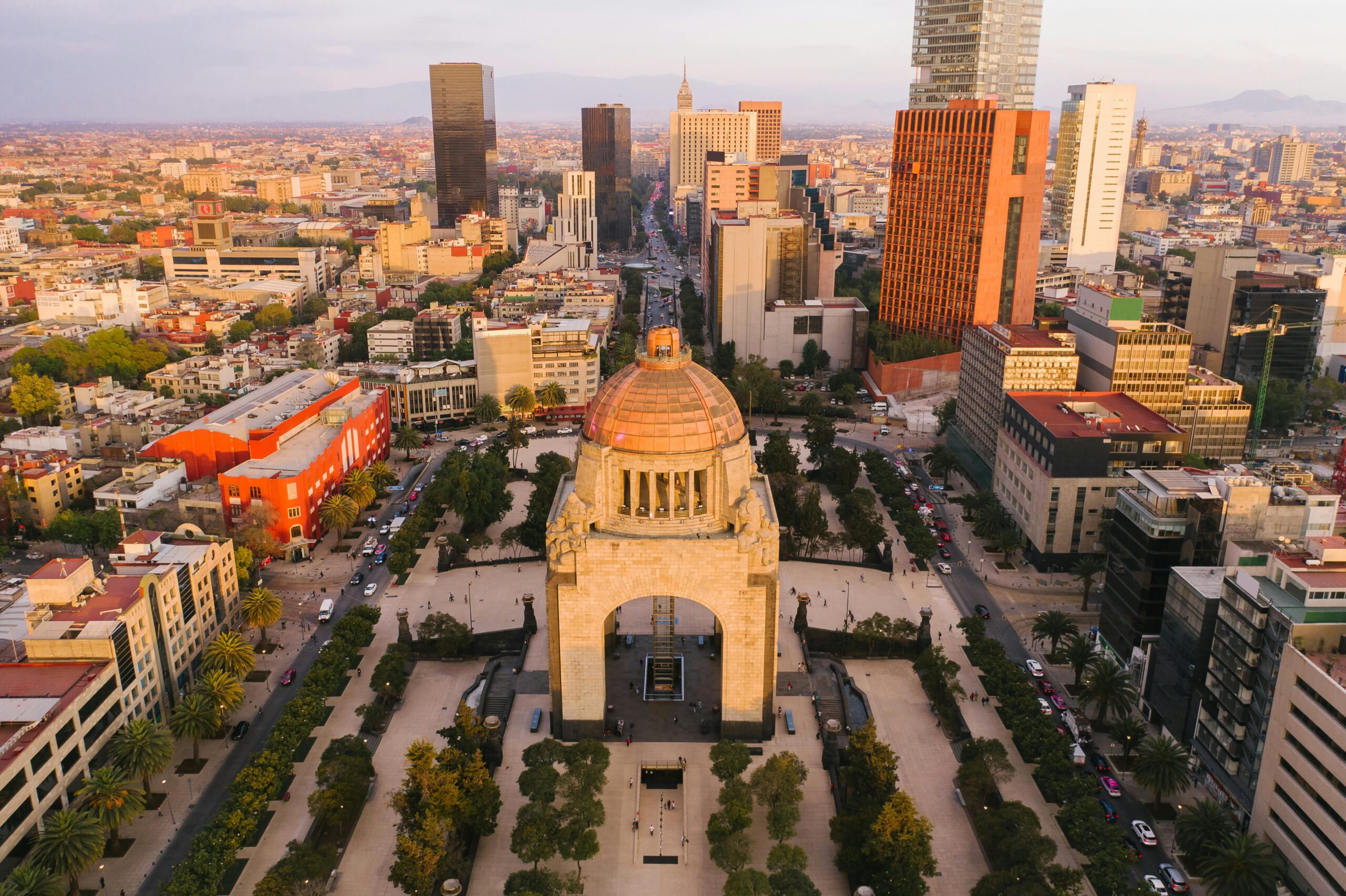
As Mexico prepares to co-host the FIFA World Cup, the country stands at a pivotal crossroads. The tournament promises millions of visitors, global visibility, and a surge in economic activity—but it also exposes underlying challenges within Mexico’s tourism infrastructure, safety systems, and long-term planning.
For a nation already among the world’s top tourist destinations, the World Cup is both an opportunity and a stress test. Success will depend not just on hosting matches, but on delivering a seamless, safe, and memorable experience for millions of international travelers.
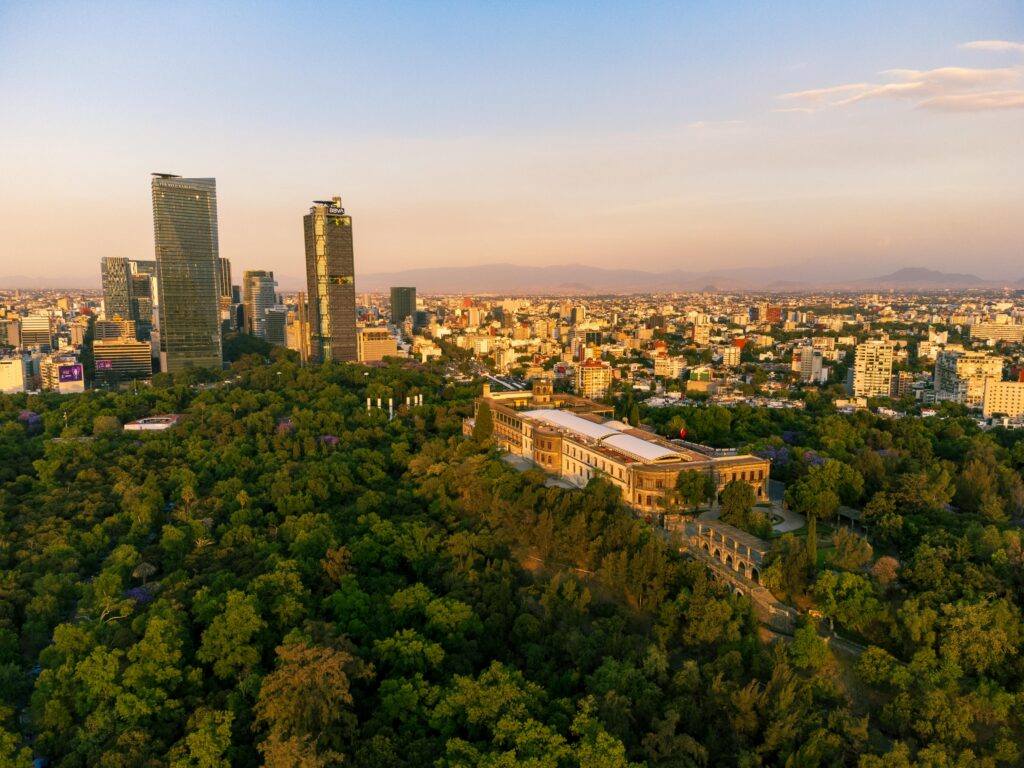
A Global Stage with High Expectations
The FIFA World Cup is more than a sporting event—it’s a global showcase. For Mexico, which will host matches in major cities like Mexico City, Guadalajara, and Monterrey, the stakes are particularly high.
The benefits are clear:
- Massive influx of international visitors
- Increased global media exposure
- Boosts to hospitality, retail, and transportation sectors
However, with opportunity comes pressure. Visitors will expect world-class infrastructure, safety, and efficiency—standards that require careful preparation.
Infrastructure: Strengths and Gaps
Mexico already has a strong tourism foundation, with established airports, hotels, and popular destinations. But the scale of the World Cup demands more.
Key infrastructure challenges include:
- Airport capacity and congestion during peak travel periods
- Transportation systems connecting stadiums, hotels, and tourist areas
- Urban mobility issues, especially in large cities like Mexico City
- Consistency in service quality across regions
While some upgrades are underway, experts emphasize the need for coordination and timely execution.
Safety and Perception
Safety remains one of the most discussed aspects of tourism in Mexico. While many tourist مناطق are safe and well-managed, international perception can influence travel decisions.
Challenges include:
- Ensuring visible and effective security measures
- Communicating accurate information to counter outdated stereotypes
- Coordinating between federal, state, and local authorities
A successful World Cup could help reshape global perceptions—but any incidents could have the opposite effect.
Hospitality Sector Under Pressure
Hotels, resorts, and short-term rentals are preparing for a surge in demand. While Mexico has a large inventory of accommodations, distribution and pricing could become issues.
Potential concerns:
- Price spikes during peak periods
- Uneven availability in host cities
- Strain on staff and service quality
At the same time, this presents an opportunity for the hospitality sector to showcase its strengths and expand its global reputation.
Transportation and Connectivity
Efficient movement will be critical. Visitors will need to navigate between airports, المدن, stadiums, and tourist attractions.
Key priorities include:
- Improving public transit systems
- Expanding ride-sharing and shuttle services
- Enhancing signage and multilingual support
- Managing traffic congestion during events
Seamless transportation can significantly influence the overall visitor experience.
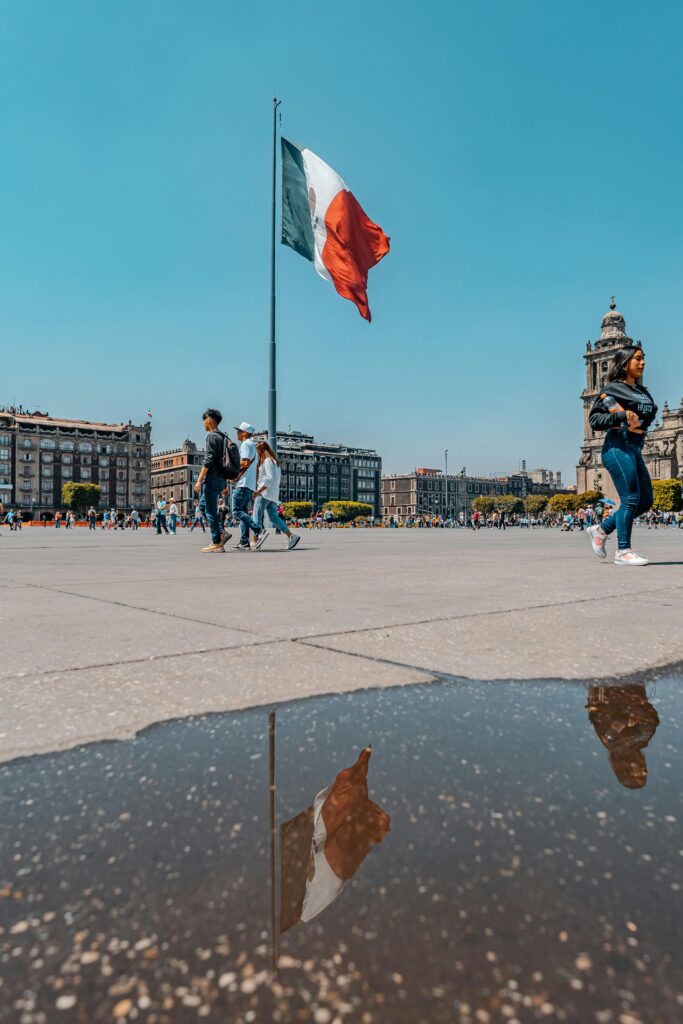
Economic Impact and Long-Term Benefits
The World Cup is expected to generate billions in economic activity, but the real value lies in long-term gains.
Potential benefits:
- Increased repeat tourism after the event
- Strengthened international brand image
- Infrastructure improvements that serve residents and visitors alike
- Growth in investment across the tourism sector
The challenge is ensuring that these benefits extend beyond the tournament itself.
Sustainability and Responsible Tourism
Large-scale events can strain local environments and resources. Mexico faces the task of balancing growth with sustainability.
Focus areas include:
- Managing waste and energy use during events
- Protecting cultural and natural heritage sites
- Promoting responsible tourism behavior among visitors
Sustainability efforts can enhance Mexico’s reputation as a forward-thinking destination.
Leveraging Cultural Richness
One of Mexico’s greatest advantages is its cultural diversity. Beyond football, visitors will have access to:
- Historic and UNESCO World Heritage sites
- World-renowned cuisine
- Vibrant festivals and traditions
- Coastal and attractions
By integrating cultural experiences into the World Cup journey, Mexico can offer a deeper, more memorable.
The Role of Digital Innovation
Technology will play a crucial role in managing the influx of visitors.
Expected innovations include:
- Mobile apps for navigation, tickets, and event updates
- Digital payment systems
- Real-time crowd management tools
- Multilingual support platforms
These tools can help streamline operations and improve visitor satisfaction.
A Defining Moment for Mexico Tourism
The World Cup represents a rare chance to redefine Mexico’s global tourism narrative. It is an opportunity to highlight not just its beauty and culture, but its deliver world-class experiences at scale.
Success will depend on:
- Strategic planning and coordination
- Investment in infrastructure and services
- Effective communication with global audiences
- A commitment to safety and sustainability
Frequently Asked Questions (FAQs)
1. Which cities in Mexico will host World Cup matches?
Mexico City, Guadalajara, and Monterrey are key host cities.
2. What are the biggest challenges for Mexico tourism?
Infrastructure capacity, safety perception, transportation, and service consistency.
3. How will the World Cup impact the economy?
It will boost tourism revenue, create jobs, and attract investment.
4. Is Mexico safe for tourists during the event?
Many tourist areas are safe, but enhanced security measures will be crucial.
5. Will travel costs increase?
Yes, especially for flights and accommodations during peak periods.
6. What improvements are being made for the event?
Upgrades to transportation, stadiums, and digital services are underway.
7. How can visitors prepare for traveling to Mexico?
Plan early, book accommodations in advance, and stay informed about transportation options.
8. What makes Mexico a unique World Cup destination?
Its rich culture, cuisine, history, and diverse experiences.
Mexico’s World Cup journey is about more than football—it’s about proving that it can meet the demands of a global audience while showcasing its уникал identity. If successful, the tournament could mark the beginning of a new era for Mexican tourism—one defined by confidence, capability, and global appeal.
Sources Travel Weekly


Great article, i really enjoy reading it, i hope you post more, keep up the good wok , is gona come follow you for more , nice reading it.