
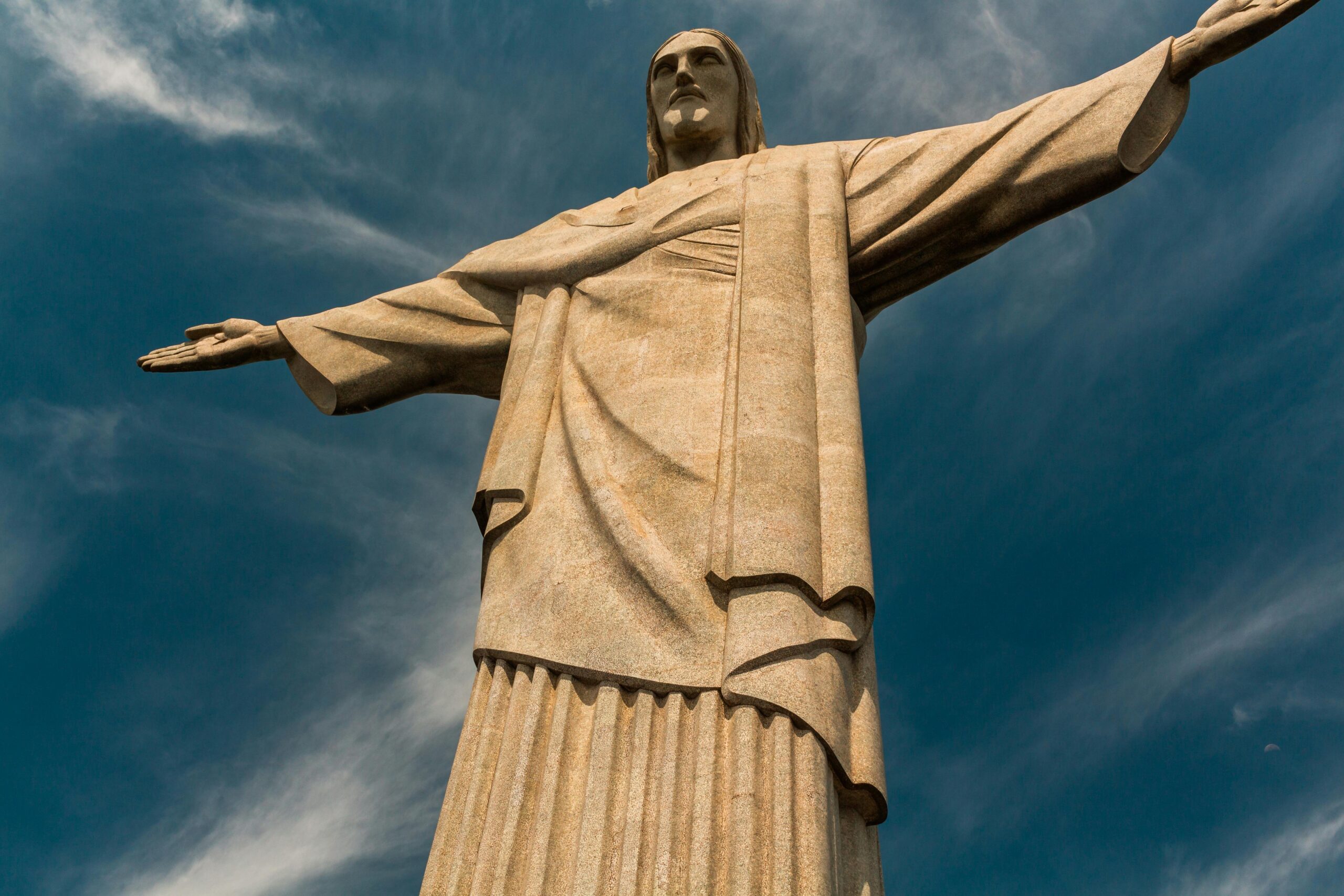
Brazil’s tourism industry is entering a new era of growth, marked by record-breaking revenues and a notable surge in international arrivals—particularly from China. After years of disruption caused by the pandemic and global economic uncertainty, the country is not only recovering but redefining its position as a leading global destination.
From the beaches of Rio de Janeiro to the biodiversity of the Amazon and the cultural richness of Salvador, Brazil’s appeal has always been undeniable. What’s changing now is the scale, diversity, and economic impact of its tourism sector.
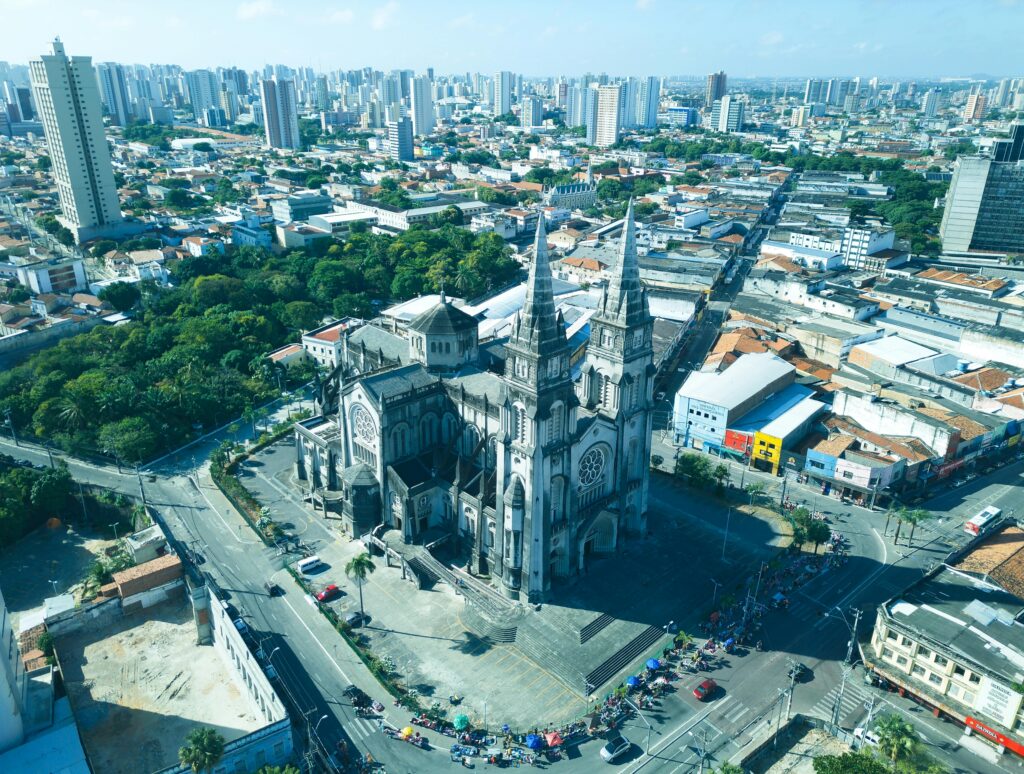
A Record-Breaking Start to 2026
The first quarter of 2026 has delivered impressive results for Brazil’s tourism industry:
- Tourism revenues reaching historic highs
- Strong growth in international visitor numbers
- Increased spending per traveler
This performance reflects a combination of pent-up global demand, improved connectivity, and strategic promotion efforts.
Importantly, the growth is not just about volume—it’s about value. Visitors are spending more on experiences, accommodations, and services, boosting the overall economic contribution of tourism.
The Rise of Chinese Tourism
One of the most significant developments is the sharp increase in Chinese visitors.
China has long been one of the world’s largest outbound tourism markets, but Brazil is now emerging as a more prominent destination for Chinese travelers.
Why Chinese Tourists Are Choosing Brazil
Several factors are driving this trend:
Improved Air Connectivity
New and expanded flight routes are making travel between China and Brazil more accessible.
Visa Facilitation
Simplified visa processes and diplomatic efforts have reduced barriers to entry.
Cultural and Economic Ties
Strengthening between Brazil and China are encouraging tourism alongside trade and investment.
Desire for Unique Experiences
Chinese travelers are increasingly seeking destinations beyond traditional hotspots, favoring nature, culture, and authenticity.
Economic Impact: Tourism as a Growth Engine
Tourism is becoming an increasingly important pillar of Brazil’s economy.
Key contributions include:
- Job creation across hospitality, transport, and services
- Increased foreign currency earnings
- for small and medium-sized enterprises
The sector’s growth also helps diversify Brazil’s economy, reducing reliance on traditional industries such as agriculture and mining.
Beyond Rio: Diversifying Destinations
While Rio de Janeiro and São Paulo remain entry points, Brazil is working to expand tourism beyond its most famous cities.
Emerging destinations include:
Northeast Coast
Known for pristine beaches and cultural heritage.
Amazon Region
Offering eco-tourism and biodiversity experiences.
Pantanal Wetlands
A hotspot for wildlife tourism.
Historic Cities
Such as Salvador and Ouro Preto, rich in history and architecture.
This diversification helps:
- Reduce overcrowding in major cities
- Spread economic benefits more evenly
- Offer travelers a wider range of experiences
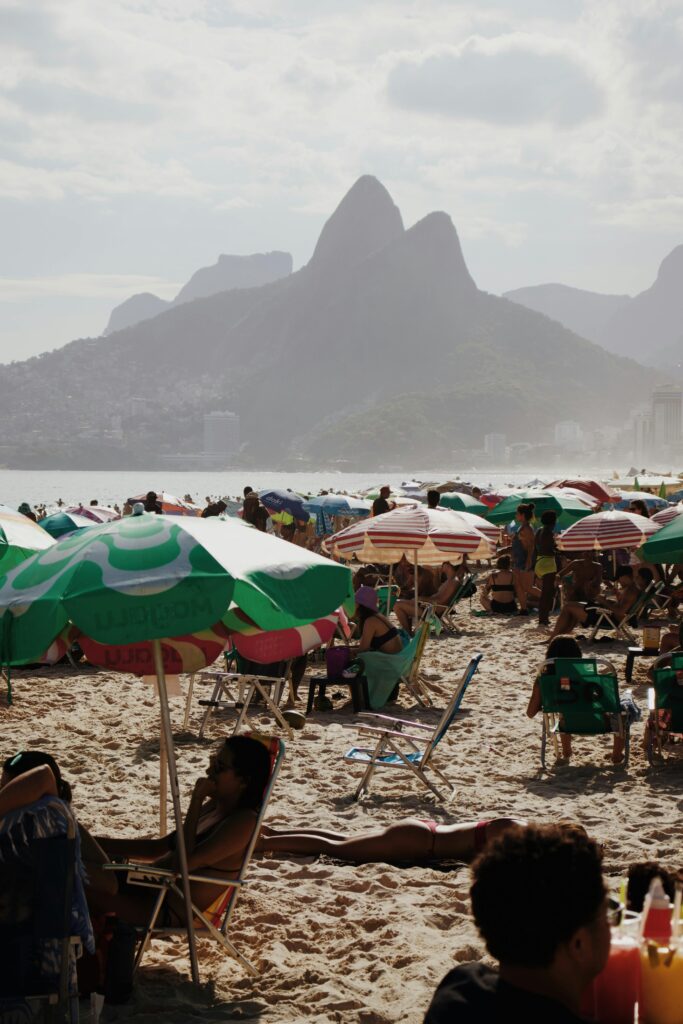
The Role of Experience-Driven Travel
Modern tourists are no longer satisfied with sightseeing alone—they want immersive experiences.
Brazil is well-positioned to deliver:
- Cultural festivals like Carnival
- Culinary tourism featuring regional cuisines
- Adventure tourism, including hiking and wildlife exploration
- Community-based tourism in rural areas
These experiences increase both visitor satisfaction and spending.
Infrastructure and Investment
To support growth, Brazil is investing in tourism infrastructure:
- Airport upgrades and expansion
- Improved transportation networks
- Development of hotels and resorts
- Digital platforms for booking and visitor information
However, challenges remain, particularly in remote areas where infrastructure can still be limited.
Sustainability: A Growing Priority
As tourism grows, so does the need for sustainable practices.
Brazil faces the challenge of protecting its natural assets while promoting tourism.
Key focus areas include:
- Conservation of the Amazon rainforest
- حماية biodiversity in sensitive ecosystems
- Promoting responsible tourism behavior
- Supporting local communities
Sustainability is not just an environmental issue—it is essential for long-term tourism success.
Challenges Ahead
Despite strong performance, Brazil’s tourism sector must navigate several challenges:
Economic Volatility
Currency fluctuations and inflation can impact travel demand.
Safety Perception
Concerns about security in certain areas may influence visitor decisions.
Infrastructure Gaps
Some regions still lack adequate facilities.
Global Competition
Other destinations are also competing for international tourists, particularly from China.
Addressing these issues will be crucial for maintaining momentum.
The Global Context
Brazil’s tourism growth reflects broader global trends:
- Rising importance of emerging markets like China
- Increased demand for experiential and eco-tourism
- Greater competition among destinations
Countries that adapt quickly to these trends are best positioned to succeed.
Frequently Asked Questions (FAQs)
1. Why is Brazil’s tourism revenue increasing?
Due to higher visitor numbers, increased spending, and improved tourism offerings.
2. Why are more Chinese tourists visiting Brazil?
Because of better connectivity, easier visa processes, and interest in unique travel experiences.
3. What are Brazil’s top tourist attractions?
Rio de Janeiro, the Amazon, the Northeast coast, the Pantanal, and historic cities.
4. How does tourism benefit Brazil’s economy?
It creates jobs, generates foreign income, and supports local businesses.
5. Is Brazil investing in tourism infrastructure?
Yes, with improvements in airports, transportation, and accommodations.
6. What challenges does Brazil face in tourism?
Infrastructure gaps, safety perceptions, and global competition.
7. Is tourism in Brazil sustainable?
Efforts are being made, but balancing growth with environmental protection remains a challenge.
8. What is the future outlook for Brazil tourism?
Positive, with continued growth expected if challenges are managed effectively.
Brazil’s tourism boom is more than a post-pandemic rebound—it’s a transformation. With record revenues and new markets like China driving growth, the country has an opportunity to redefine its place in global travel.
The challenge now is ensuring that this growth is sustainable, inclusive, and resilient—so that Brazil’s natural beauty and cultural richness can be enjoyed for generations to come.
Sources Macao News

