
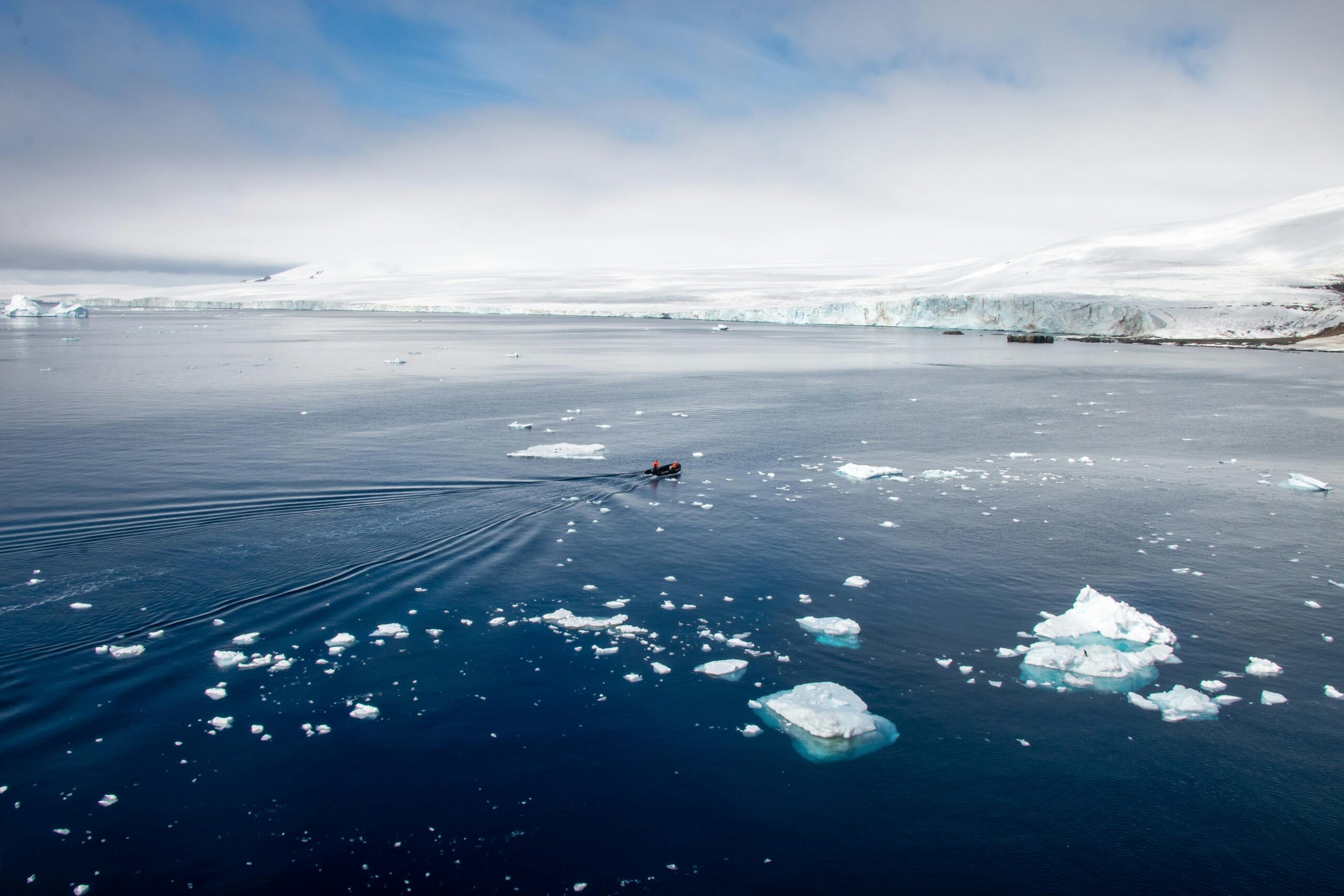
Antarctica, once considered one of the most isolated and untouched places on Earth, is facing growing pressure from an unexpected source: tourism. As visitor numbers rise to record levels, scientists, environmentalists, and policymakers are increasingly warning that human activity could threaten the fragile Antarctic ecosystem through pollution, invasive species, and disease transmission.
Recent concerns surrounding biosecurity risks—including the potential spread of pathogens such as hantavirus and avian influenza—have intensified discussions about whether tourism in Antarctica is expanding faster than environmental protections can keep up.
The Rapid Growth of Antarctic Tourism
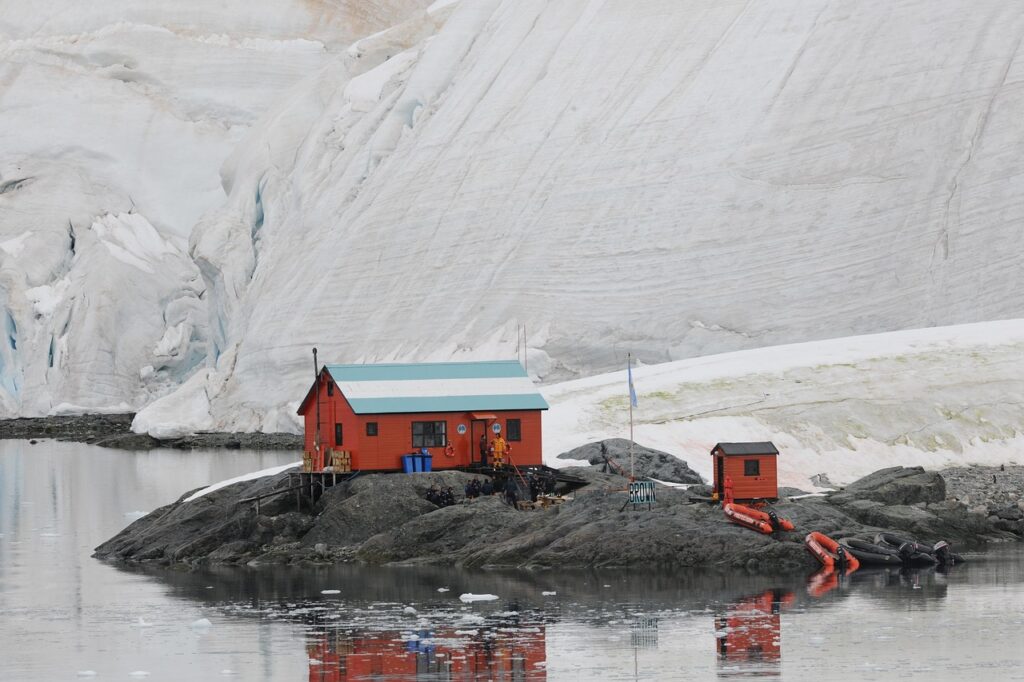
Over the last two decades, Antarctic tourism has transformed from a niche adventure market into a booming global industry.
Travelers are increasingly drawn to Antarctica for:
- Wildlife encounters
- Luxury expedition cruises
- Climate-focused travel experiences
- Adventure tourism
- Scientific curiosity
Modern cruise technology and rising global wealth have made trips to the continent more accessible than ever before.
According to tourism industry estimates, annual visitor numbers have surged dramatically in recent years, with tens of thousands of tourists now visiting Antarctica each season.
Why Antarctica Is So Environmentally Sensitive
Antarctica is unlike any other environment on the planet.
The continent’s ecosystem is extremely delicate because:
- Native species evolved in isolation
- The climate is harsh and slow to recover from disturbance
- Many organisms exist in highly specialized ecological niches
Even minor environmental disruptions can have long-lasting effects.
For example:
- Foot traffic can damage fragile moss beds
- Foreign microbes can alter local ecosystems
- Wildlife stress can affect breeding patterns
Because Antarctica lacks large-scale natural defenses against invasive organisms, outside contamination poses exceptional risks.
What Is Biosecurity and Why Does It Matter?
Biosecurity refers to measures designed to prevent harmful organisms, diseases, and contaminants from entering sensitive environments.
In Antarctica, biosecurity concerns include:
- Viruses
- Bacteria
- Invasive plants
- Fungi
- Rodents
- Insects
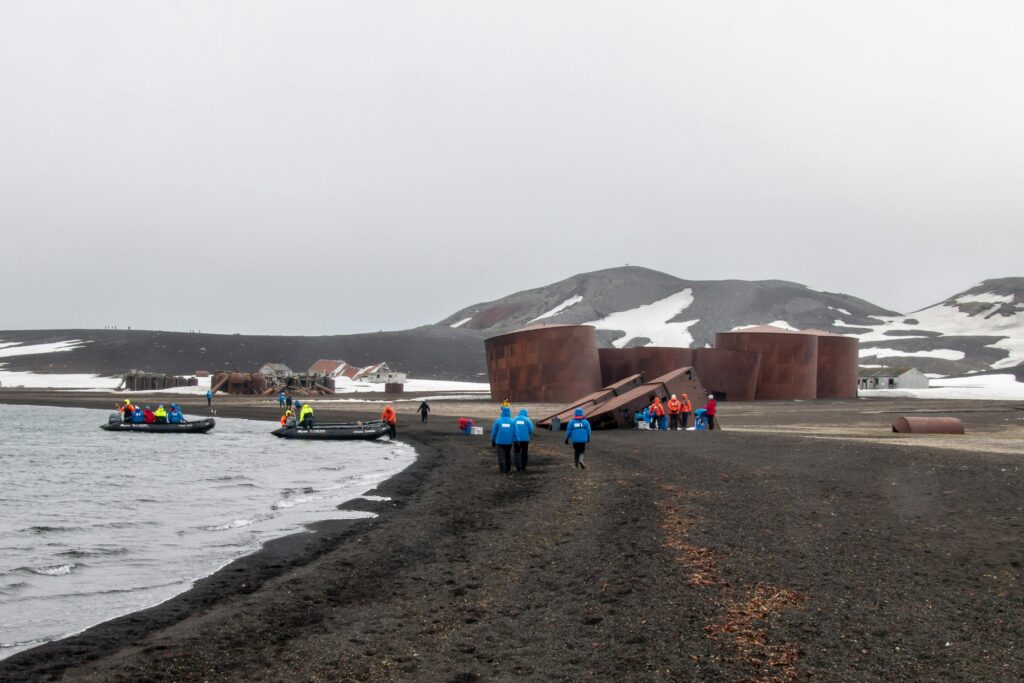
Tourists, scientists, and crew members can unintentionally introduce these threats through:
- Clothing
- Boots
- Equipment
- Food supplies
- Cargo shipments
Even microscopic contamination can potentially disrupt Antarctic ecosystems.
The Hantavirus Concern
One major issue attracting attention is the possibility of rodent-borne diseases such as hantavirus reaching Antarctic regions through ships or imported supplies.
Hantavirus is typically carried by rodents and transmitted through:
- Rodent droppings
- Urine
- Contaminated dust particles
Although Antarctica itself has no native rodent populations in most areas, increased maritime activity raises concerns about accidental introductions via:
- Cargo vessels
- Cruise ships
- Supply stations
A single invasive rodent population could create serious ecological consequences.
Avian Flu and Wildlife Disease Threats
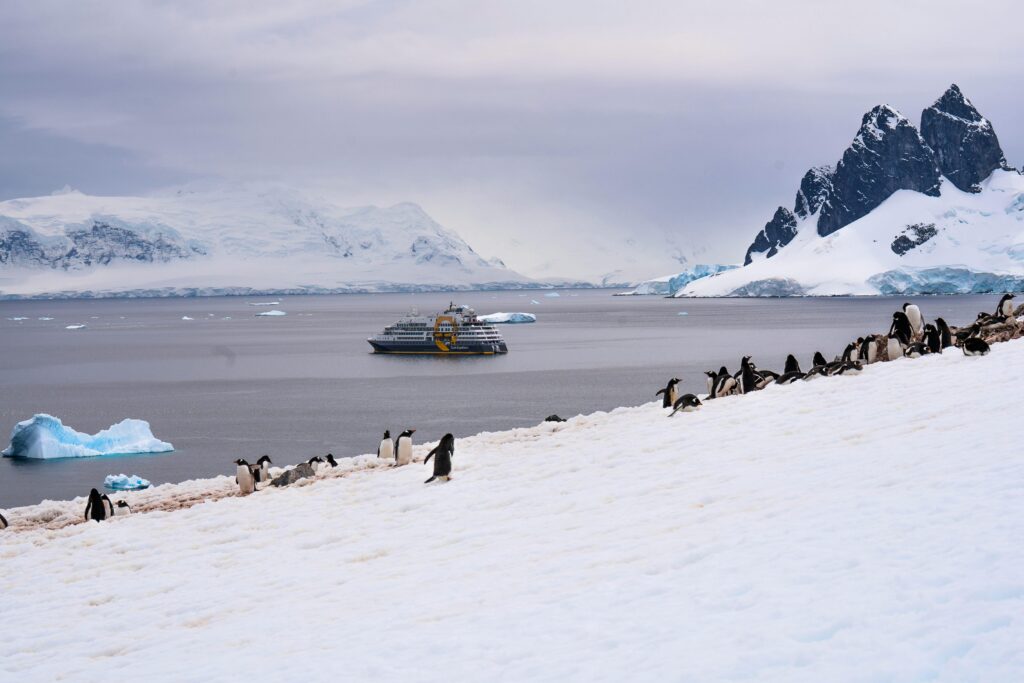
Another growing concern is the spread of highly pathogenic avian influenza (bird flu) among Antarctic wildlife populations.
Bird species in Antarctica, including:
- Penguins
- Skuas
- Petrels
- Albatrosses
may have little natural immunity to introduced diseases.
Scientists fear outbreaks could devastate breeding colonies already stressed by:
- Climate change
- Melting sea ice
- Food scarcity
Some experts warn that Antarctic ecosystems may be particularly vulnerable because of their low biodiversity and isolation.
Climate Change Is Increasing the Risks
Climate change is making Antarctica more accessible—and more vulnerable.
Rising temperatures and melting ice have:
- Extended tourism seasons
- Opened new maritime routes
- Increased ship access to remote regions
At the same time, warming conditions may improve survival chances for invasive species that previously could not endure Antarctic temperatures.
This creates a dangerous combination:
- More visitors
- More biological exposure
- More favorable conditions for non-native organisms
The Economic Side of Antarctic Tourism
Antarctic tourism generates significant revenue for:
- Cruise operators
- Travel companies
- Research logistics providers
- Gateway cities in South America
Cities such as:
- Ushuaia (Argentina)
- Punta Arenas (Chile)
benefit heavily from Antarctic travel industries.
Luxury Antarctic cruises can cost travelers anywhere from several thousand to well over $100,000 depending on the experience.
As demand rises, competition among operators has intensified.
Are Current Regulations Strong Enough?
Antarctica is governed internationally through the Antarctic Treaty System, which promotes peaceful use and environmental protection.
Tourism operators also follow guidelines established by organizations such as:
- The International Association of Antarctica Tour Operators (IAATO)
These rules include:
- Visitor limits at landing sites
- Wildlife distancing requirements
- Biosecurity cleaning protocols
- Waste disposal standards
However, critics argue current measures may not be sufficient as tourism expands rapidly.
Challenges in Enforcement
Enforcing environmental protections in Antarctica is uniquely difficult because:
- The continent has no permanent government
- Monitoring is expensive
- Weather conditions are extreme
- Jurisdiction is internationally shared
Some environmental groups argue that self-regulation by tourism operators may create conflicts of interest.
Calls are growing for:
- Stricter visitor caps
- Mandatory inspections
- Stronger international oversight
- Expanded protected zones
Scientific Research vs Tourism Pressure
Antarctica is one of the world’s most important scientific research locations.
Researchers study:
- Climate change
- Ice core history
- Marine ecosystems
- Atmospheric science
- Space-like environments
Scientists worry that increasing tourism could interfere with:
- Wildlife studies
- Environmental sampling
- Long-term ecological monitoring
Contamination from tourism may also affect scientific data accuracy.
Ethical Questions About Antarctic Travel
The tourism debate has also sparked ethical discussions.
Critics ask:
- Should fragile ecosystems be marketed as luxury destinations?
- Does tourism contradict climate conservation goals?
- Are travelers contributing to the destruction of the landscapes they admire?
Antarctic travel often involves long-distance flights and fuel-intensive cruises, contributing to carbon emissions.
Supporters, however, argue that tourism can:
- Raise environmental awareness
- Fund conservation initiatives
- Inspire climate advocacy
The Future of Antarctic Tourism
Experts believe Antarctic tourism will likely continue growing unless stricter international policies are introduced.
Potential future measures could include:
- Tourist quotas
- Carbon offset requirements
- Enhanced ship inspections
- Expanded wildlife monitoring
- Stronger disease surveillance systems
Balancing environmental protection with tourism demand may become one of the defining governance challenges for Antarctica in the coming decades.
Frequently Asked Questions (FAQs)
1. Why is Antarctica attracting more tourists?
Improved cruise access, growing interest in adventure travel, and increased awareness of climate change have made Antarctica a highly sought-after destination.
2. What are the biggest environmental risks from tourism?
Major concerns include:
- Disease introduction
- Invasive species
- Wildlife disturbance
- Pollution
- Carbon emissions
3. Can tourists bring diseases to Antarctica?
Yes. Humans can unintentionally introduce pathogens, bacteria, fungi, or invasive organisms through clothing, equipment, ships, and cargo.
4. Why is hantavirus mentioned in Antarctic biosecurity discussions?
Hantavirus is a rodent-borne disease, and experts fear that increasing ship traffic could accidentally introduce rodents or contaminated materials into Antarctic regions.
5. Does Antarctica have laws regulating tourism?
Yes. Antarctic activities are governed by the Antarctic Treaty System and tourism guidelines from organizations like IAATO.
6. Is Antarctic tourism bad for the environment?
The impact remains debated. Some tourism is carefully managed, but growing visitor numbers increase environmental and biosecurity risks.
7. How does climate change affect these risks?
Warmer temperatures may allow invasive species and pathogens to survive more easily, while also increasing access to previously isolated regions.
8. Could diseases seriously harm Antarctic wildlife?
Yes. Isolated wildlife populations often have limited immunity to introduced diseases, making outbreaks potentially devastating.
Final Thoughts
Antarctica remains one of Earth’s last great wildernesses, but its growing popularity highlights a difficult global dilemma: how to balance exploration with preservation.
The continent’s isolation once protected it naturally. Today, modern tourism, expanding maritime traffic, and climate change are weakening those barriers. As biosecurity concerns rise—from hantavirus fears to avian influenza threats—the world faces an urgent question:
Can humanity experience Antarctica without permanently changing it?
The answer may depend on how quickly international cooperation, scientific guidance, and environmental protections evolve in the years ahead.
Sources AP News

