
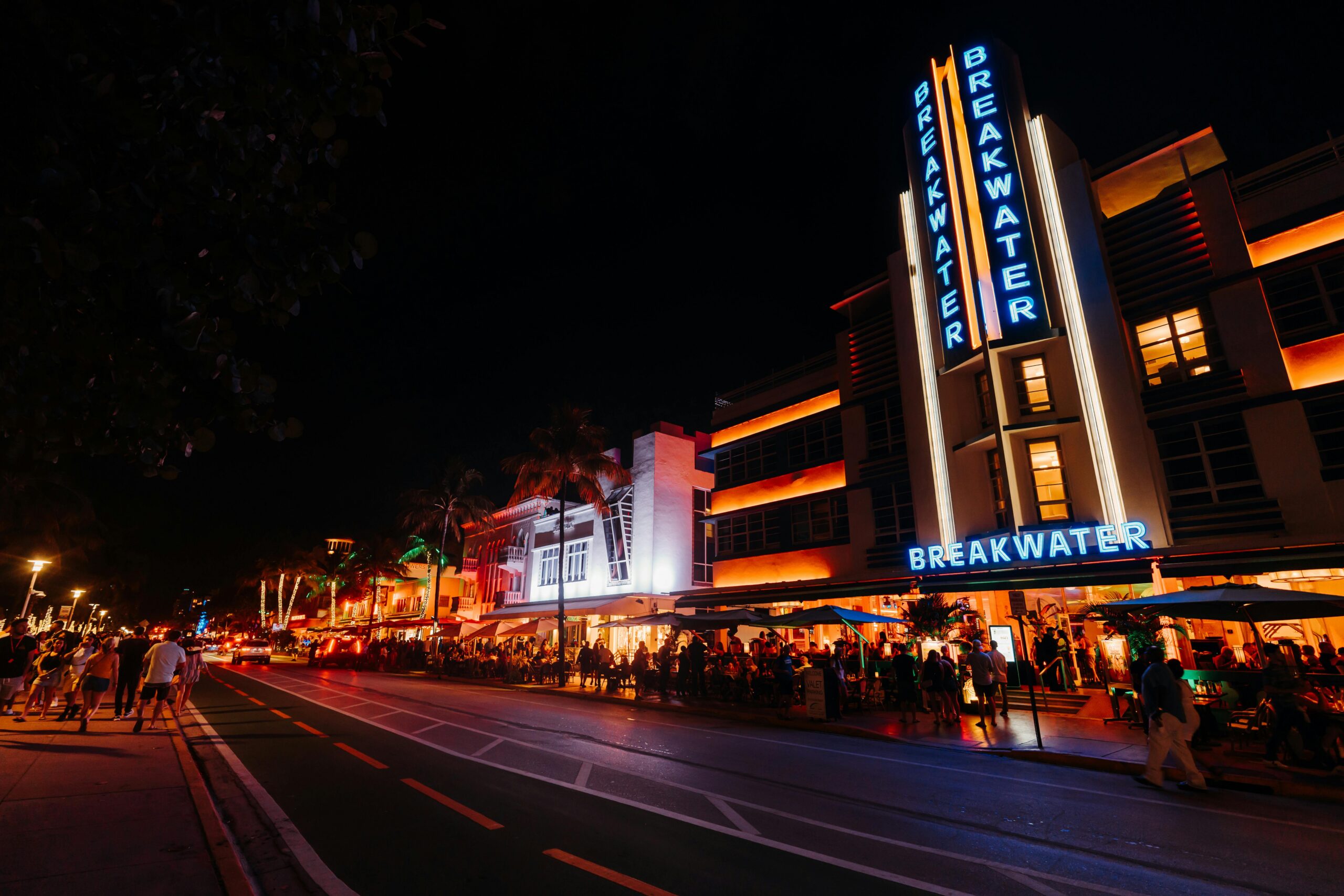
Florida doesn’t just sell beaches, sunshine, and theme parks anymore — it sells understanding.
In 2026, one of the most powerful tools driving international tourism growth in Florida isn’t a new attraction or a discount package. It’s something far simpler, yet often overlooked: language accessibility.
From hotel websites to cruise bookings and theme park signage, translation and localization have become essential infrastructure for Florida’s global tourism economy.

Why Translation Has Become a Competitive Advantage in Florida
Florida is one of the most internationally visited destinations in the United States, welcoming millions of travelers each year from Latin America, Europe, and Asia. But there’s a catch: a large portion of those visitors do not speak English as their first language.
Tourism research shows that international visitors are far more likely to book, engage, and spend when content is available in their native language.
That means translation is no longer a “nice-to-have” — it is a direct revenue driver.
In practice, this includes:
- Multilingual hotel websites
- Translated booking engines
- Localized attraction descriptions
- Multilingual customer support
- Culturally adapted marketing campaigns
Businesses that fail to localize risk losing customers at the first click.
From Translation to Localization: The Real Shift Happening in Tourism
One of the biggest misconceptions in tourism marketing is that translation is just converting words.
In reality, Florida tourism businesses are moving toward localization, which means adapting meaning, not just language.
Example:
A phrase like “Kids Eat Free” cannot simply be translated word-for-word. In some cultures, travelers need clarity about age limits, conditions, or menu rules.
Localization improves:
- Cultural understanding
- Booking confidence
- Customer satisfaction
- Conversion rates
This shift turns translation into a strategic marketing tool, not just an administrative task.
The Technology Behind Modern Tourism Translation
Florida tourism companies are increasingly combining human expertise with digital tools.
Key technologies include:
1. AI-powered multilingual websites
Destinations like the Florida Keys have introduced AI travel assistants capable of communicating in dozens of languages, helping visitors plan trips more easily.
2. Translation management systems (TMS)
These platforms ensure consistent wording across websites, apps, and booking engines.
3. Multilingual SEO optimization
Content is not only translated — it is optimized so international travelers can find it through search engines in their own language.
4. Human + AI hybrid workflows
Human linguists ensure cultural accuracy, while AI speeds up production for seasonal campaigns and urgent updates.
This combination allows Florida businesses to scale globally without sacrificing quality.

Why Florida Tourism Businesses Are Investing Heavily in Language Services
The economic logic is straightforward: language equals conversion.
Businesses invest in translation because it helps:
- Increase international bookings
- Improve website engagement rates
- Reduce customer confusion and complaints
- Build trust with foreign travelers
- Expand into new source markets
Translation also reduces friction at critical points in the customer journey — especially during booking and checkout, where many potential customers drop off.
The Most Important Languages Driving Florida Tourism
While Florida attracts visitors from all over the world, translation efforts are often prioritized for key markets:
- Spanish (Latin America and Europe)
- Portuguese (Brazil)
- French (Canada and Europe)
- German (Germany, Austria, Switzerland)
- Mandarin Chinese (China and diaspora markets)
These languages reflect both visitor volume and spending power.
Beyond Websites: Where Translation Actually Happens
Many people assume translation is only about websites. In reality, Florida tourism businesses localize nearly every touchpoint:
- Hotel check-in instructions
- Cruise safety announcements
- Restaurant menus
- Theme park ride instructions
- Airport signage
- Travel insurance documents
- Email confirmations and SMS alerts
Even small translation errors in these areas can significantly impact customer experience and safety.
The Business Impact: More Than Just Communication
Translation doesn’t just help tourists understand — it changes how they behave economically.
When content is localized:
- Visitors stay longer
- They spend more per trip
- They are more likely to leave positive reviews
- They are more likely to return
This creates a ripple effect across Florida’s tourism economy, from Miami hotels to Orlando attractions and the Florida Keys.
The Hidden Challenge: Speed vs Accuracy
Florida tourism is fast-paced and seasonal. Translation must keep up with:
- Hurricane season updates
- Flash promotions
- Airline route changes
- Festival and event announcements
This creates a constant tension between speed and linguistic precision.
Mistakes can be costly — especially in legal waivers, safety instructions, or booking conditions.
That’s why many businesses rely on professional linguists rather than machine translation alone.
The Future: AI, Personalization, and Real-Time Translation
The next phase of tourism translation in Florida is moving toward real-time personalization.
Expected developments include:
- AI chatbots speaking in 50+ languages
- Real-time voice translation in hotels and attractions
- Personalized travel itineraries based on language preference
- Automated multilingual customer service systems
Translation is evolving from static content into dynamic interaction.
Frequently Asked Questions (FAQ)
1. Why is translation important for Florida tourism businesses?
Because a large percentage of international visitors prefer or require content in their native language, which directly affects booking decisions.
2. Is machine translation enough for tourism websites?
No. Machine translation alone often misses cultural nuance, legal meaning, and context. Human review is still essential.
3. Which languages matter most for Florida tourism?
Spanish, Portuguese, French, German, and Mandarin are among the most important due to visitor volume and spending power.
4. What is the difference between translation and localization?
Translation converts words. Localization adapts meaning, tone, and cultural context for the target audience.
5. How does translation increase tourism revenue?
It improves conversion rates, reduces booking friction, and builds trust with international travelers.
6. Are small tourism businesses also using translation?
Yes. Even small hotels, tour operators, and restaurants are increasingly adopting multilingual content to attract global customers.
7. What is the future of tourism translation in Florida?
It is moving toward AI-powered real-time translation, personalized travel experiences, and fully multilingual digital ecosystems.
Final Thought
In Florida’s tourism economy, language is no longer a barrier — it is a bridge.
The businesses that thrive are not just those with the best beaches or biggest attractions, but those that speak to the world in a way the world understands.
Because in global tourism, the first impression is no longer visual — it’s linguistic.
Sources World Business Outlook

