

Japan is facing a quiet but massive transformation.
As the country grapples with an aging population and labor shortages, millions of foreign workers are becoming an increasingly important part of the economy. But while factories, farms, restaurants, and care facilities rely more heavily on international labor, one critical system has struggled to adapt fast enough: healthcare.
Now, translation apps are emerging as an unexpected lifeline.
What started as a convenience tool is rapidly becoming essential medical infrastructure — helping foreign workers communicate symptoms, understand treatment, and navigate one of the world’s most complex healthcare systems.
And honestly? It was overdue.
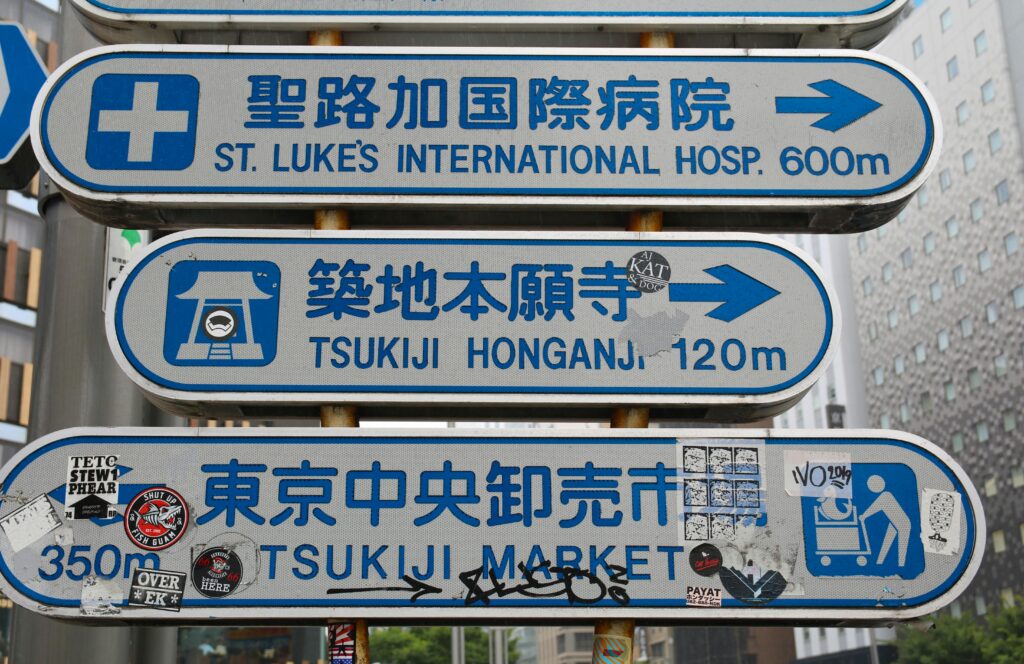
Japan’s Foreign Worker Boom Is Reshaping Daily Life
Japan has seen a major increase in foreign workers over the past decade, particularly in sectors facing severe labor shortages:
- Elder care
- Construction
- Agriculture
- Hospitality
- Manufacturing
But while workplaces have gradually become more multilingual, hospitals and clinics often remain heavily Japanese-language dependent.
Outside major cities like Tokyo and Osaka, finding medical staff fluent in English — let alone Vietnamese, Indonesian, Nepali, or Burmese — can be extremely difficult. Even official travel guidance notes that language barriers remain a major challenge in Japanese healthcare facilities outside large urban centers.
For many foreign workers, this creates a dangerous situation:
You can physically access healthcare — but not fully understand it.
Why Language Barriers in Healthcare Are So Serious
In healthcare, misunderstanding is not a small inconvenience. It can become a medical risk.
Simple communication problems can affect:
- Allergy disclosures
- Medication instructions
- Pain descriptions
- Consent forms
- Emergency symptoms
- Mental health discussions
Even something as basic as describing dizziness, chest pain, or medication side effects becomes difficult when patients and doctors do not share a language.
Medical communication relies heavily on nuance. Translation mistakes can change meaning entirely.
The Rise of Medical Translation Apps in Japan
To address this gap, Japanese institutions and technology companies are increasingly deploying multilingual medical support tools.
These apps can help foreign patients:
- Fill out intake questionnaires in their native language
- Translate symptoms into Japanese for doctors
- Understand diagnoses and prescriptions
- Navigate hospitals more independently
- Access emergency guidance
Some systems also integrate AI-powered conversational translation, allowing near real-time interaction between patients and healthcare staff.
The broader push reflects Japan’s growing investment in multilingual accessibility technologies across public services and tourism systems.
Why This Matters More Than Ever
Japan’s demographic reality is impossible to ignore.
The country has:
- One of the world’s oldest populations
- Declining birth rates
- Increasing labor shortages
Foreign workers are no longer a temporary supplement to the economy — they are becoming structurally necessary.
That means systems built for a largely monolingual society must evolve quickly.
Healthcare is one of the biggest stress points.
Translation Apps Are Changing the Patient Experience
For foreign workers, medical visits can be emotionally overwhelming.
Many report:
- Fear of misunderstanding doctors
- Anxiety about paperwork
- Avoiding hospitals entirely unless absolutely necessary
- Difficulty explaining chronic conditions
Translation apps reduce this psychological barrier.
Even imperfect translation can:
- Increase confidence
- Encourage earlier treatment
- Reduce emergency escalation
- Improve compliance with medication instructions
In practical terms, the apps are helping people seek care sooner instead of waiting until conditions worsen.
But Technology Alone Is Not Enough
Here’s the important reality: translation apps are helpful — but not magical.
Medical communication remains extremely difficult for AI because it involves:
- Technical terminology
- Cultural nuance
- Emotional sensitivity
- Context-dependent meaning
For example:
A patient saying “my chest feels heavy” could imply stress, anxiety, breathing problems, or cardiac symptoms depending on context.
Direct translation without interpretation can sometimes create confusion.
That’s why many experts argue translation apps should support healthcare workers — not replace human interpreters entirely.

The Hidden Cultural Gap in Healthcare
Language is only part of the issue.
Healthcare expectations differ dramatically across cultures.
Foreign workers may come from systems where:
- Doctors communicate more directly
- Family members make medical decisions
- Different pain scales are used
- Mental health carries stigma
- Patients expect different prescription practices
Translation apps can convert words, but they cannot fully bridge cultural assumptions.
This is why many hospitals are beginning to combine translation technology with multicultural training for staff.
AI Translation in Healthcare Is Rapidly Improving
Recent advances in AI language models are making medical translation more accurate and conversational.
New systems increasingly support:
- Voice-to-voice translation
- Real-time multilingual conversation
- Medical vocabulary adaptation
- Context-aware responses
- Low-latency interpretation
Japan’s broader investment in multilingual AI systems — including technologies showcased around Expo 2025 Osaka — is accelerating these developments.
The direction is clear:
Healthcare translation is moving from static phrasebooks to dynamic interaction systems.
Privacy and Trust Concerns
As hospitals adopt translation apps, new concerns are emerging.
Patients worry about:
- Medical data privacy
- Recording of conversations
- AI accuracy
- Misdiagnosis risks
- Overdependence on automation
Healthcare systems must now balance accessibility with confidentiality and reliability.
In medicine, trust matters as much as technology.
The Economic Side Nobody Talks About
There’s also a major economic incentive behind these tools.
If foreign workers avoid healthcare because of language barriers:
- Workplace productivity drops
- Emergency care costs rise
- Public health risks increase
- Long-term medical conditions worsen
Translation apps are not just humanitarian tools — they are increasingly viewed as economic infrastructure.
Healthy workers support stable labor systems.
The Future: Multilingual Healthcare as the New Normal
Japan is likely entering a future where multilingual healthcare becomes standard rather than exceptional.
Possible developments include:
- AI medical kiosks in clinics
- Real-time wearable translation devices
- Multilingual telemedicine services
- Automatic translation of prescriptions and insurance forms
- Integrated hospital interpretation systems
The broader transformation is cultural as much as technological:
Japan is slowly adapting from a monolingual society into a more internationally connected one.
Frequently Asked Questions (FAQ)
1. Why do foreign workers in Japan struggle with healthcare?
Because many hospitals and clinics primarily operate in Japanese, making communication difficult for non-Japanese speakers.
2. What do medical translation apps actually do?
They help translate symptoms, medical questionnaires, doctor instructions, prescriptions, and hospital communication into multiple languages.
3. Are translation apps accurate enough for healthcare?
They are improving rapidly, but they are not perfect. Human interpreters are still important for complex or sensitive medical situations.
4. Which foreign workers benefit most from these apps?
Workers in manufacturing, caregiving, agriculture, construction, and hospitality sectors often rely heavily on multilingual support tools.
5. Why is Japan investing more in translation technology?
Because labor shortages and demographic decline are increasing dependence on foreign workers and international visitors.
6. Can translation apps replace interpreters?
Not completely. They are best used as support tools alongside trained healthcare staff and interpreters.
7. What is the future of multilingual healthcare in Japan?
It is expected to become more AI-driven, real-time, and integrated into hospitals, clinics, and telemedicine platforms.
Final Thought
Translation apps are doing more than translating words in Japanese hospitals.
They are translating access, dignity, and trust.
And in a country rapidly redefining its relationship with foreign workers, that may turn out to be one of the most important healthcare innovations Japan has seen in years.

Sources NHK World Japan

