
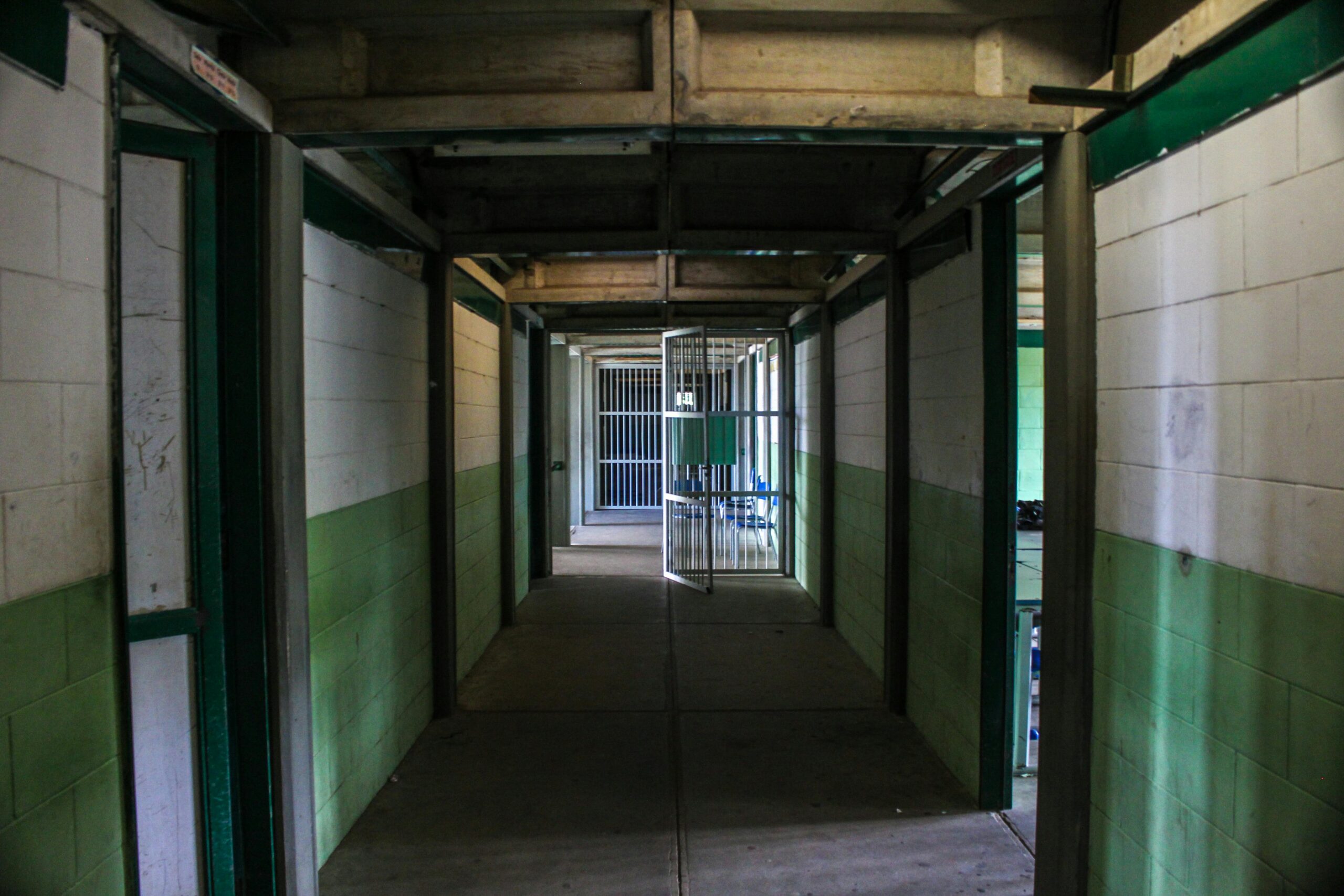
Japan’s prison system is often described as orderly, disciplined, and rehabilitation-focused.
But inside female correctional facilities, a quieter and more complex reality is emerging — one shaped by aging inmates, rising health needs, and increasing numbers of foreign prisoners who face language barriers that make rehabilitation far harder to achieve.
The system’s stated goal is reintegration:
to prepare inmates to re-enter society as stable, independent individuals.
Yet in practice, that goal is becoming more difficult to maintain as the prison population changes faster than the system adapting to it.
🧠 Japan’s correctional philosophy: discipline first, rehabilitation always
Japan’s penal system is built around a long-standing principle:
- structured daily routines
- strict behavioral discipline
- group-based activities
- vocational training
- moral rehabilitation programs
The philosophy assumes that:
structure leads to behavioral correction, and correction leads to reintegration.
For decades, this model was relatively effective in a largely homogeneous inmate population.
But that assumption is now under pressure.
👩🦳 The aging prison population is reshaping female facilities
One of the most significant shifts in Japan’s prisons is the rapid aging of inmates.
Many female prisoners are:
- elderly
- medically vulnerable
- serving sentences for non-violent crimes such as theft or repeat low-level offenses
A major driver of this trend is poverty-related crime among older women, including shoplifting linked to financial insecurity and social isolation.
This creates a prison environment increasingly focused on:
- medical care
- mobility assistance
- dementia support
- end-of-life care
In some facilities, correctional officers now perform roles similar to caregivers.
The result is a blurred line between:
prison administration and elder care services.
🏥 Health care is becoming a central challenge
As inmate health needs increase, prisons face growing strain on resources.
Common issues include:
- chronic illness management
- mental health conditions
- mobility limitations
- cognitive decline
Correctional facilities must coordinate:
- internal medical staff
- external hospitals
- emergency care systems
But the system is often stretched thin.
This creates a tension:
prisons are designed for discipline, but increasingly required to function as healthcare institutions.
🌍 Rising number of foreign inmates adds a language barrier layer
Another major challenge is the growing presence of foreign prisoners.
These inmates may face:
- limited Japanese language ability
- difficulty understanding rules and procedures
- limited access to legal and medical information
- communication barriers with staff
Even basic rehabilitation programs become harder when:
- instructions cannot be fully understood
- counseling sessions require interpretation
- emotional expression is constrained by language gaps
In some cases, translation support is insufficient or inconsistent, making reintegration planning less effective.
🧩 Rehabilitation becomes uneven in practice
While Japan’s prison system formally emphasizes rehabilitation, outcomes vary significantly depending on:
- age
- health condition
- language ability
- social background
For native Japanese inmates with stable health and support networks, programs can be relatively structured and effective.
For elderly inmates or foreign nationals, rehabilitation pathways may be:
- fragmented
- delayed
- limited in scope
This raises a difficult question:
Is a single rehabilitation model capable of serving such a diverse population?
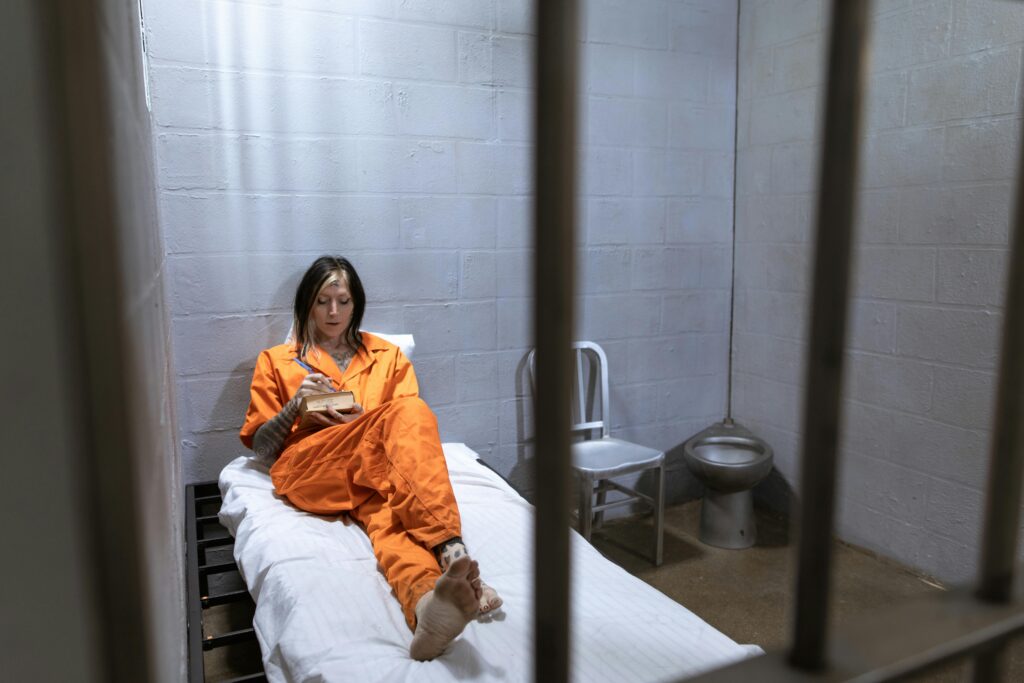
🧠 The social roots behind incarceration patterns
Female incarceration in Japan is often linked to broader structural issues:
💸 Economic insecurity
Many cases involve:
- poverty-driven theft
- unstable employment history
- lack of social safety nets
🏠 Social isolation
Some inmates have:
- limited family support
- weak community ties
- histories of isolation, especially among elderly women
🧭 Limited reintegration options
After release, challenges include:
- finding stable housing
- accessing healthcare
- securing employment
- overcoming stigma
This increases the risk of reoffending, especially among vulnerable groups.
⚖️ The rehabilitation dilemma
Japan’s system is built on a strong ideal:
correction leads to reintegration.
But in reality, rehabilitation depends heavily on external factors:
- healthcare access outside prison
- social welfare support
- community acceptance
- language and cultural integration (for foreigners)
Without these, prison programs alone may not be enough.
🏗️ Institutional strain: prisons as multi-service facilities
Modern female prisons in Japan are increasingly performing multiple roles:
- correctional institution
- elder care facility
- healthcare provider
- rehabilitation center
- language barrier management hub
This multi-role function creates operational complexity.
Staff must balance:
- security enforcement
- caregiving duties
- medical coordination
- communication support
It is a system under quiet structural transformation.
🌐 A broader global pattern
Japan is not alone in facing these challenges.
Many developed countries are seeing:
- aging prison populations
- rising healthcare needs in custody
- increasing foreign inmate numbers
- strain on rehabilitation models
However, Japan’s situation is distinctive due to:
- its rapidly aging society
- strong cultural emphasis on order and uniformity
- relatively limited immigration history (compared to Western countries)
This makes adaptation more complex.
🔮 What reform conversations may look like next
Experts and policymakers increasingly discuss:
1. Expanding prison healthcare systems
More integrated geriatric and mental health care inside facilities.
2. Improved language support
Better interpretation services and multilingual rehabilitation materials.
3. Community-based alternatives
Diverting non-violent elderly offenders toward social care programs instead of incarceration.
4. Reintegration-focused welfare expansion
Stronger post-release housing and employment support systems.
❓ FAQ: Japanese female prisons and rehabilitation challenges
1. What is the main goal of Japan’s prison system?
The system focuses on discipline, rehabilitation, and reintegration into society.
2. Why is the female prison population changing?
An aging population and economic hardship have led to more elderly, non-violent offenders.
3. What health challenges do prisons face?
Chronic illness, mental health conditions, mobility issues, and dementia-related care needs.
4. Why are language barriers important in prisons?
Foreign inmates may struggle to understand rules, access services, and participate in rehabilitation programs.
5. Are prisons in Japan overcrowded?
Some facilities face capacity and resource pressure, especially with rising care demands rather than just inmate numbers.
6. What is the biggest challenge for rehabilitation?
Ensuring that inmates have support systems outside prison — including healthcare, housing, and social integration.
🧭 Final thought
Japan’s female prison system is quietly evolving into something more complex than a correctional framework.
It is becoming a mirror of broader society:
- aging population pressures
- widening social vulnerability
- increasing global diversity
- and the limits of uniform systems in a non-uniform world
The rehabilitation ideal remains central.
But the real question is no longer just how to reform inmates.
It is:
how a system designed for discipline adapts to a population that increasingly needs care, communication, and continuity beyond prison walls.
Sources South China Morning Post

