
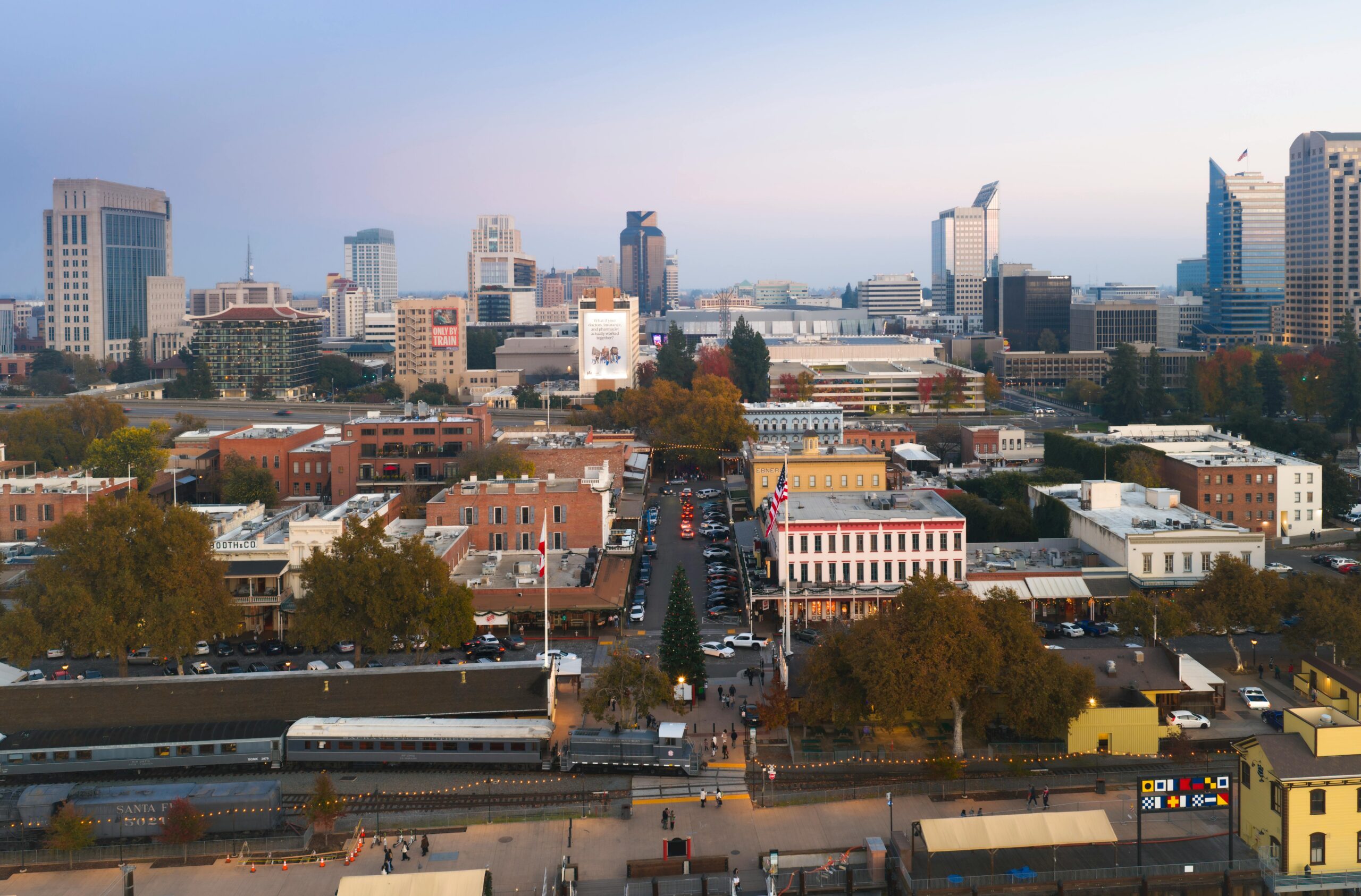
For years, California tourism conversations revolved around the same names:
- Los Angeles
- San Francisco
- San Diego
- Napa Valley
But quietly, another region has been building economic momentum far from the coastal spotlight.
Fresno County has now reached a major milestone, with tourism spending climbing to a record $1.82 billion, reflecting not only stronger visitor activity but a deeper transformation in how travelers experience California.
This is no longer just a “pass-through” destination between larger cities.
Fresno County is becoming:
a gateway economy powered by nature tourism, food culture, regional events, and changing travel behavior.
And the implications stretch far beyond Central California.
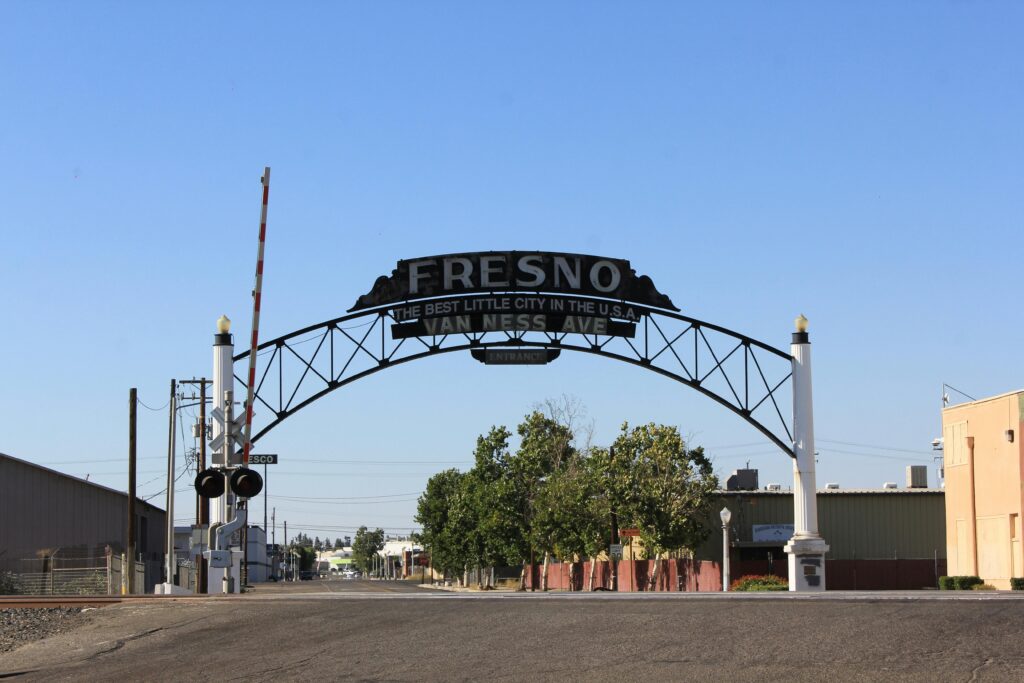
📈 Why Fresno County’s tourism growth matters
At first glance, a regional tourism revenue increase may seem like local economic news.
It is much bigger than that.
Fresno County sits at the center of several major travel trends reshaping the United States:
- nature-focused tourism
- road-trip culture
- domestic travel growth
- national park visitation surges
- affordable regional tourism demand
Unlike heavily saturated tourism hubs, Fresno benefits from:
- lower travel costs
- geographic accessibility
- proximity to iconic natural landmarks
- expanding food and agriculture tourism
The county increasingly appeals to travelers looking for:
authentic experiences without mega-city prices or overcrowding.
🏞️ National parks are driving massive visitor traffic
One of Fresno County’s greatest tourism advantages is location.
The county serves as a major gateway to:
- Yosemite National Park
- Sequoia National Park
- Kings Canyon National Park
These parks attract millions of visitors annually.
As outdoor tourism continues expanding after the pandemic-era travel reset, gateway communities like Fresno increasingly capture:
- hotel stays
- restaurant spending
- transportation activity
- outdoor recreation purchases
Many travelers now intentionally avoid overcrowded major metro areas and instead build itineraries around:
- hiking
- scenic drives
- eco-tourism
- slow travel experiences
That trend strongly benefits inland California regions.
🚗 The rise of road-trip tourism changed everything
One overlooked factor in Fresno County’s tourism surge is the revival of road-trip culture.
Travelers increasingly prefer:
- flexible itineraries
- regional driving vacations
- multi-stop outdoor experiences
- lower-cost family travel
Fresno’s central location makes it strategically valuable.
Visitors can use the county as:
- a base for national park exploration
- a stop between Northern and Southern California
- a launch point for Sierra Nevada tourism
Road-trip tourism also spreads spending more evenly across:
- gas stations
- local diners
- boutique hotels
- agricultural attractions
- small-town retail economies
This creates broader regional economic impact than concentrated luxury tourism alone.
🍇 Agricultural tourism is becoming a hidden powerhouse
Fresno County sits inside one of the world’s most productive agricultural regions.
That creates opportunities beyond traditional sightseeing.
Agritourism is growing through:
- farm tours
- fruit-picking experiences
- vineyard visits
- farmers markets
- culinary tourism events
Modern travelers increasingly want:
experiential tourism tied to local identity.
Food tourism is no longer reserved for famous wine regions.
Visitors now seek:
- authenticity
- regional flavors
- direct producer experiences
- sustainable agriculture narratives
Fresno’s agricultural economy gives it a unique tourism identity difficult to replicate elsewhere.
🏨 Hospitality expansion is reshaping the local economy
Tourism revenue growth creates multiplier effects across industries.
In Fresno County, rising visitor spending supports:
- hotels
- restaurants
- entertainment venues
- transportation companies
- local retailers
- tourism services
This also influences:
- commercial real estate investment
- downtown revitalization projects
- convention and event infrastructure
- employment growth in hospitality sectors
Tourism is not just visitor spending.
It becomes:
a catalyst for broader urban and regional development.
💼 Tourism jobs are increasingly important in regional economies
Hospitality and tourism create large employment networks, especially in service-driven local economies.
These include:
- hotel workers
- chefs and restaurant staff
- guides and recreation operators
- transportation providers
- event planners
Unlike some industries, tourism employment often spreads benefits across:
- small businesses
- family-owned operations
- seasonal workers
- local entrepreneurs
For regional counties, tourism can stabilize economic diversity beyond agriculture or manufacturing alone.
📱 Social media is helping redefine inland California
For decades, international perceptions of California focused on:
- beaches
- Hollywood
- Silicon Valley
But digital travel culture has broadened attention toward inland destinations.
Instagram, TikTok, and travel content creators increasingly highlight:
- giant sequoias
- mountain landscapes
- hidden food destinations
- scenic drives
- lesser-known small towns
This visibility changes traveler behavior dramatically.
Many younger tourists now prioritize:
unique experiences over globally famous landmarks.
That trend benefits regions like Fresno County enormously.
🌱 Sustainable tourism is becoming central
Nature tourism growth also raises environmental questions.
National parks and outdoor destinations face pressures from:
- overcrowding
- traffic congestion
- wildfire risks
- infrastructure strain
- environmental degradation
Fresno County and nearby tourism ecosystems must balance:
- economic growth
with - conservation and sustainability.
Future tourism success may depend on:
- eco-friendly infrastructure
- water management
- wildfire resilience planning
- responsible visitor education
The challenge is avoiding the overtourism problems seen in larger destinations.
🧠 Tourism perceptions are changing
Perhaps the most important shift is psychological.
Travelers increasingly define luxury differently.
For many people, modern travel value means:
- space
- quiet
- natural beauty
- authenticity
- affordability
Not crowded urban spectacle.
That broader cultural shift helps explain why inland tourism economies are growing faster in some areas than traditional major-city tourism.
🔮 What’s next for Fresno County tourism?
Several long-term trends could shape the county’s future:
1. Expanded outdoor tourism
National park demand is likely to remain strong.
2. Growth in eco-tourism
Sustainability-focused travel will increase.
3. More boutique hospitality development
Smaller experiential hotels and lodges may expand.
4. Culinary and wine tourism growth
Food-driven regional branding will strengthen.
5. Increased infrastructure investment
Roads, airports, and visitor services may continue improving.
If managed carefully, Fresno County could evolve into:
one of California’s most strategically important regional tourism economies.
❓ FAQ: Fresno County tourism growth
1. Why is Fresno County tourism growing?
Because of increased outdoor travel, national park visitation, road-trip tourism, and interest in regional California experiences.
2. What major attractions drive tourism in Fresno County?
Nearby access to Yosemite National Park, Sequoia National Park, and Kings Canyon National Park plays a major role.
3. What is agritourism?
Agritourism involves travel experiences connected to farming, food production, vineyards, and local agriculture.
4. How does tourism help local economies?
Tourism supports jobs, small businesses, hospitality services, transportation, and infrastructure development.
5. What challenges come with tourism growth?
Environmental pressure, traffic, infrastructure strain, and sustainability concerns are major challenges.
6. Is inland California becoming more popular with travelers?
Yes. Many travelers now prefer nature-focused and less crowded destinations over traditional urban tourism hubs.
🧭 Final thought
Fresno County’s tourism milestone is not just about money.
It reflects a larger shift in what people now want from travel itself.
Less spectacle.
More experience.
Less overcrowding.
More connection.
And in an era where travelers increasingly chase authenticity instead of postcard clichés, regions once considered “flyover” destinations are quietly becoming the places people remember most.
Sources The Business Journal

