
Most bus routes are designed to move people from one place to another.
Very few become international tourist attractions.
Yet in Poland, a bus route carrying the number 666 and traveling to a seaside town named Hel has managed to capture global attention, spark religious controversy, generate headlines around the world, and become one of the country’s most unusual tourism success stories.
After disappearing in 2023 following pressure from religious groups, the famous route has returned for the summer of 2026. The revival has reignited debate about religion, tourism, marketing, free expression, and the surprising power of viral travel attractions.
Why the Route Became Famous
The appeal of the route is simple.
In Christian tradition, the number 666 is commonly associated with the “number of the beast” from the Book of Revelation.
Meanwhile, the destination town is called Hel.
To English speakers, the combination creates an obvious joke:
“Take Bus 666 to Hel.”
The route quickly became known as the “Highway to Hel” and attracted attention far beyond Poland. Tourists took photographs of the buses, shared them across social media platforms, and in some cases rode the route simply for the novelty value.
What began as a local transportation service evolved into a global travel curiosity.
The Real Hel Is Nothing Like “Hell”
Despite its name, Hel is not a dark or mysterious place.
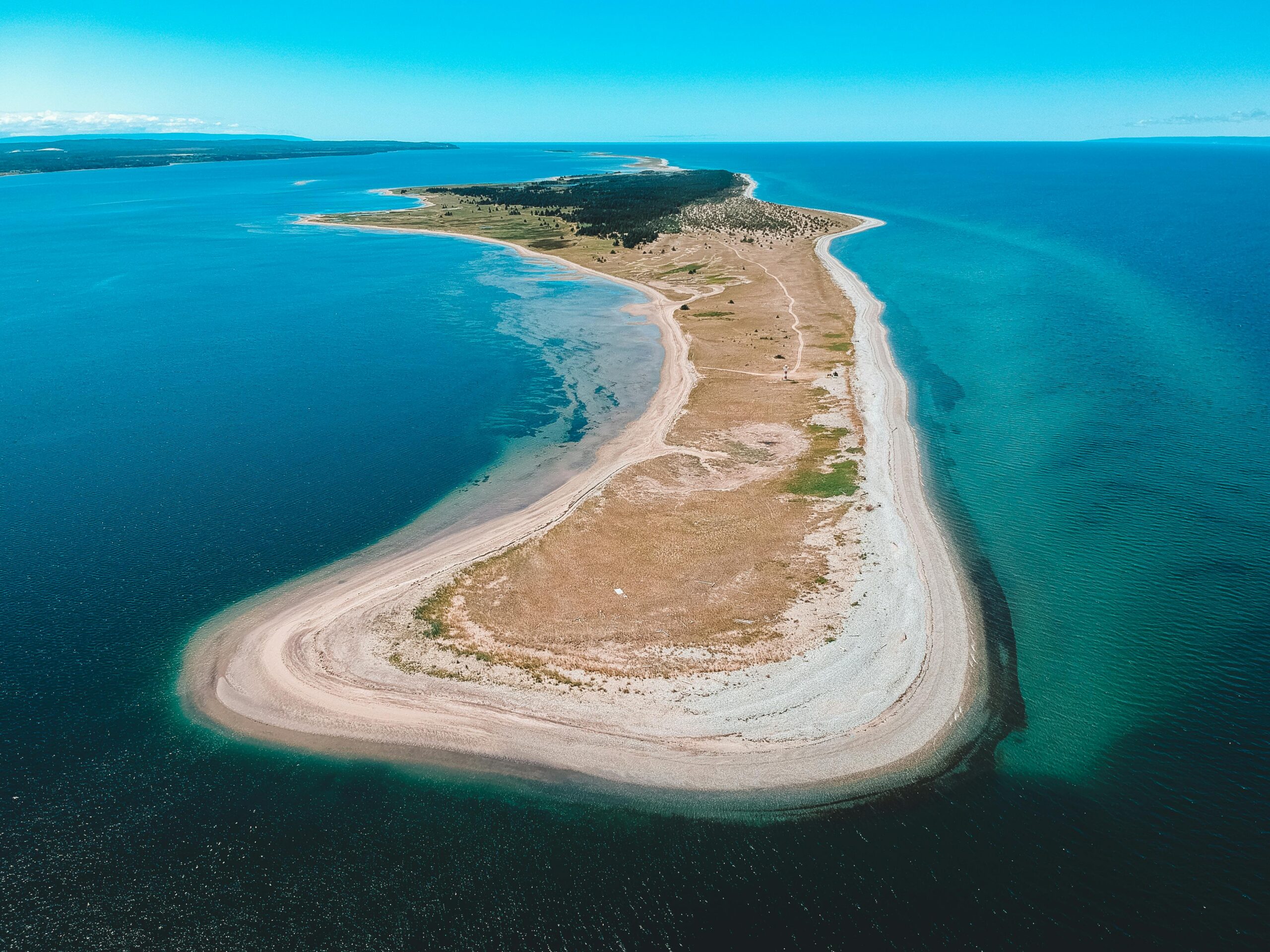
It is a picturesque coastal town located on the tip of the Hel Peninsula along Poland’s Baltic coast.
The area is famous for:
- Sandy beaches
- Coastal scenery
- Water sports
- Historic military sites
- Fishing traditions
- Nature reserves
- A well-known seal sanctuary
Every summer, thousands of visitors travel to the peninsula for holidays and outdoor recreation. The destination has long been one of Poland’s most popular seaside escapes.
Interestingly, linguists generally agree that the town’s name has nothing to do with the English word “hell.” The name is believed to originate from older Germanic terms associated with dunes, hills, or coastal formations.
Why Religious Groups Objected
Not everyone viewed the joke as harmless.
Poland remains one of Europe’s most traditionally Catholic countries.
Some religious organizations argued that combining the number 666 with the destination Hel trivialized Christian beliefs and normalized symbols associated with evil.
Over the years, various campaigns, petitions, and complaints called for the route number to be changed. Critics argued that the route promoted imagery connected to Satan and biblical prophecy.
The controversy eventually succeeded.
In 2023, the original operator, PKS Gdynia, changed the route number from 666 to 669 after years of pressure from religious campaigners.
Why the Change Backfired
The decision to abandon the famous number did not receive universal support.
Many travelers, local residents, and tourism advocates believed the route had become a valuable marketing asset.
The number generated:
- Free media coverage
- International publicity
- Social media engagement
- Tourism awareness
- Brand recognition
Some observers argued that tourists specifically sought out the route because of its unusual reputation. Others viewed the change as an unnecessary surrender to pressure from a small group of critics.
In modern tourism, attention has become a valuable currency.
The 666 route generated enormous amounts of it.
The Return of Route 666
Three years later, the route has returned.
This time, the service is operated by FlixBus, one of Europe’s largest intercity coach operators.
The company openly acknowledged that the route number was chosen partly for its marketing value and ability to attract attention. The new seasonal service connects Kraków with Hel while passing through Warsaw and several popular destinations along the Baltic coast.
The journey takes approximately 13 hours and operates during the busy summer tourism season.
Rather than avoiding the route’s controversial reputation, the company embraced it.
A Lesson in Modern Tourism Marketing
The story demonstrates an important reality about modern travel.
Tourists increasingly seek experiences that are:
- Unique
- Shareable
- Humorous
- Unexpected
- Social-media friendly
The actual transportation service may be ordinary.
The story behind it is not.
Many successful tourism campaigns rely on unusual attractions, quirky landmarks, and memorable experiences that encourage travelers to share content online.
The 666 bus route fits perfectly into that trend.
The Rise of “Novelty Tourism”
The popularity of the route reflects a broader phenomenon often called novelty tourism.
Travelers frequently visit places because they are:
- Strange
- Historic
- Symbolic
- Unusual
- Internet-famous
Examples include:
- The International Date Line
- The Arctic Circle
- Area 51 attractions
- The world’s largest roadside objects
- Border monuments
- Unusual transportation routes
The 666 bus to Hel joins a growing list of destinations that attract visitors partly because of their story rather than their practical function.
Social Media Turned a Local Route Into Global News
Twenty years ago, the route might have remained a local curiosity.
Today, social media changes everything.
A photograph of a bus displaying “666” alongside a destination labeled “Hel” is instantly recognizable and easy to share.
This visual simplicity helped transform a regional transportation service into an international news story.
The route became a perfect example of what marketers call “organic virality”—publicity that spreads naturally because people find it amusing or interesting.
What This Says About Modern Travel
The popularity of the route highlights how travel has evolved.
Increasingly, travelers are not just seeking destinations.
They are seeking stories.
A beach holiday is enjoyable.
A beach holiday that begins on the famous “666 to Hel” bus becomes something worth sharing with friends, posting online, and remembering years later.
Experiences now compete not only on quality but also on memorability.
The Economic Value of Attention
One of the most important lessons from this story is that attention has economic value.
The route generated:
- News coverage
- Tourist interest
- Brand awareness
- Travel bookings
- Social media engagement
For tourism destinations, publicity that attracts global attention can be worth millions in marketing exposure.
The debate surrounding the route may have ultimately increased its popularity rather than diminished it.
In tourism, controversy often creates curiosity.
Curiosity creates visitors.
Could Other Destinations Replicate This Success?
Not easily.
The 666-to-Hel combination works because it emerged naturally rather than being artificially created.
Travelers tend to recognize when attractions are genuine versus manufactured marketing stunts.
The route’s success stems from an unusual coincidence:
- A real destination
- A real route number
- Cultural symbolism
- Religious controversy
- Social media amplification
Those ingredients are difficult to reproduce intentionally.
The Bigger Picture
The return of Poland’s famous 666 bus route is more than a transportation story.
It reflects broader themes shaping modern tourism:
- The power of social media
- The value of viral marketing
- The tension between tradition and popular culture
- The growing importance of memorable travel experiences
- The economic benefits of global attention
For some people, the route is simply a joke.
For others, it represents a clever tourism success story.
Either way, the 666 bus to Hel has achieved something remarkable.
A local bus route became a global brand.
And in the competitive world of tourism, that may be the most impressive journey of all.
Frequently Asked Questions (FAQ)
1. Is Hel a real place?
Yes. Hel is a genuine town on Poland’s Baltic coast located on the Hel Peninsula. It is a popular tourist destination known for beaches, maritime culture, and natural attractions.
2. Why is the bus number 666 controversial?
In Christian tradition, 666 is associated with the “number of the beast” described in the Book of Revelation, leading some religious groups to object to its use.
3. Why was the route changed to 669?
The original operator changed the number in 2023 after years of complaints and lobbying from religious organizations.
4. Why was the 666 number restored?
FlixBus restored the number in 2026, partly recognizing its popularity and marketing value, while also providing a direct summer connection to the Hel Peninsula.
5. How long is the journey?
The current route runs from Kraków to Hel via Warsaw and takes approximately 13 hours.
Sources CBS News

