
Every year, millions of travelers spend thousands of dollars visiting the world’s most famous attractions. Social media, travel blogs, movies, and marketing campaigns often create an image of unforgettable experiences waiting around every corner.
Yet for many visitors, reality can be surprisingly underwhelming.
A recent analysis highlighted several well-known attractions that generate unusually high levels of visitor disappointment, including Budapest’s famous thermal baths, major theme parks, iconic landmarks, and globally recognized tourist destinations. The findings reveal an important truth about modern travel: popularity does not always guarantee satisfaction.
As international tourism reaches record levels in 2026, the gap between expectation and reality is becoming one of the most significant challenges facing travelers and tourism operators alike.
The Psychology of Travel Disappointment
Travel disappointment is rarely caused by a destination being objectively bad.
More often, it results from a mismatch between expectation and experience.
Modern travelers are exposed to:
- Carefully edited Instagram photos
- Professional tourism marketing
- Influencer content
- Travel documentaries
- AI-enhanced imagery
- Viral social media videos
These sources often present destinations under ideal conditions:
- Perfect weather
- Minimal crowds
- Professional photography
- Exclusive access
- Strategic camera angles
When visitors arrive and encounter long queues, crowds, noise, weather issues, or aging infrastructure, the experience may feel far less impressive than anticipated.
Travel psychologists refer to this phenomenon as “expectation inflation.”
Why Famous Attractions Often Receive Poor Reviews
Ironically, the world’s most famous attractions are often the most vulnerable to disappointment.
Several factors contribute to this trend.
Overcrowding
Success creates its own problems.
Popular attractions frequently struggle with:
- Long waiting times
- Congested walkways
- Limited photo opportunities
- Reduced personal space
Many visitors spend more time waiting than actually enjoying the attraction.
High Costs
Expensive admission fees can raise expectations significantly.
When travelers pay premium prices, they expect exceptional experiences.
Even minor shortcomings may lead to negative reviews.
Commercialization
Some attractions have become heavily commercialized.
Visitors may encounter:
- Gift shops
- Fast-food outlets
- Upselling opportunities
- Premium access packages
- Crowded retail zones
This can diminish the authenticity many travelers seek.
Social Media Pressure
People often visit famous attractions because they feel they “should” rather than because they genuinely interest them.
As a result, experiences may feel less meaningful.
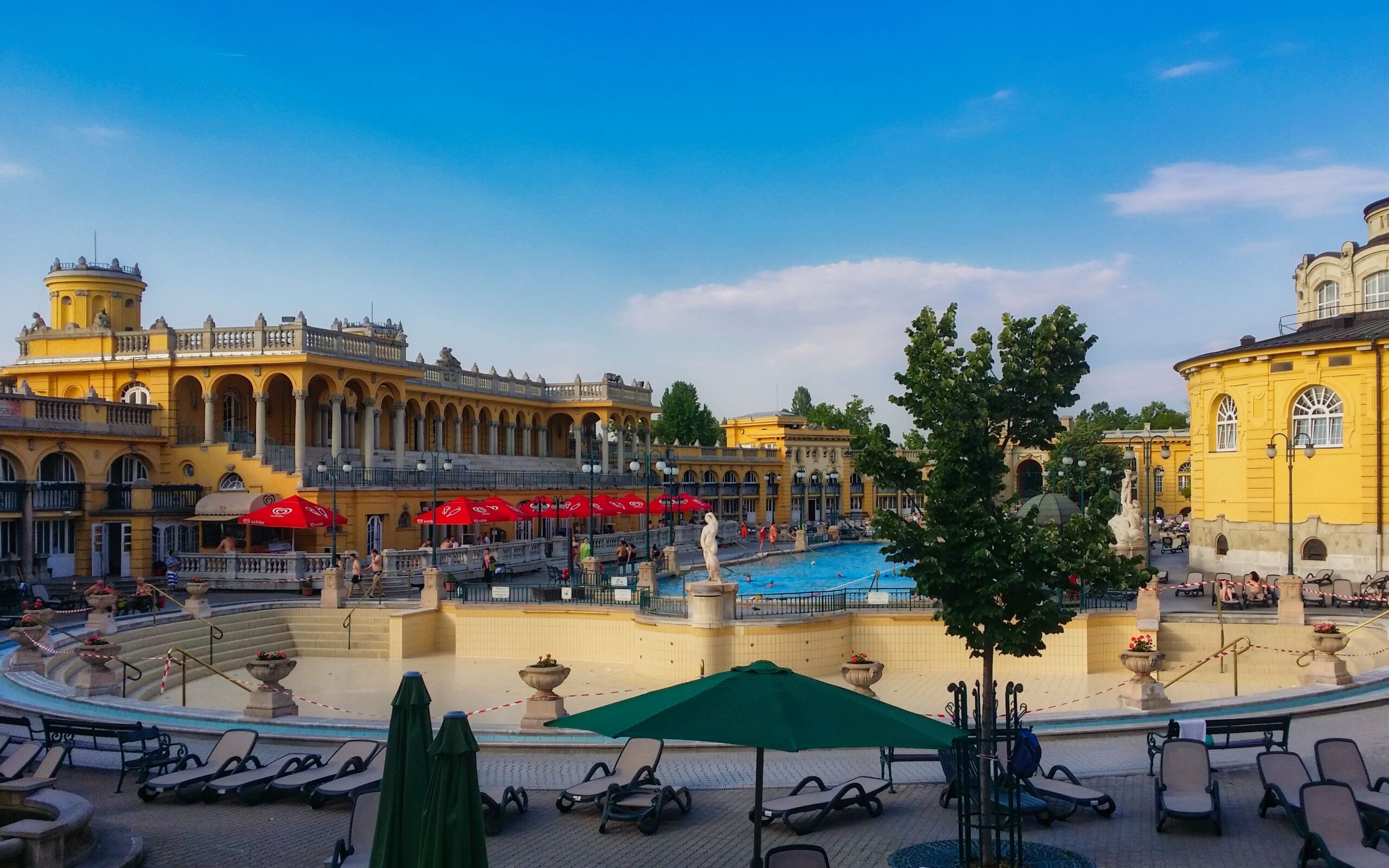
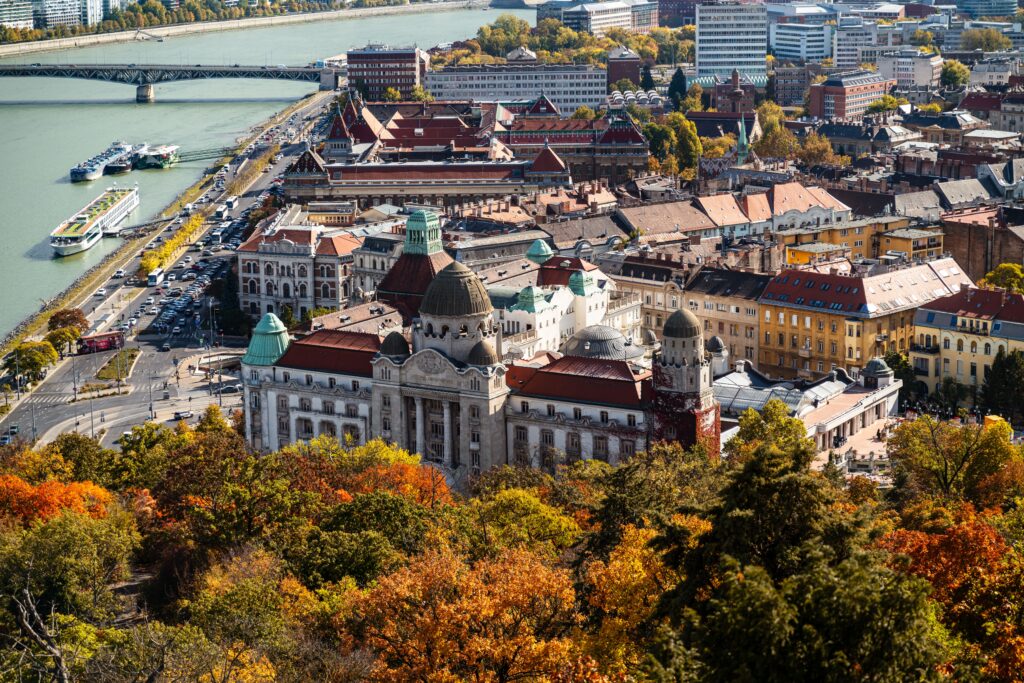
Budapest’s Thermal Baths: A Victim of Their Own Success?
Budapest is renowned for its historic thermal bath culture.
The city’s famous bathhouses attract millions of visitors annually thanks to:
- Historic architecture
- Thermal mineral waters
- Wellness experiences
- Cultural significance
However, some visitors report disappointment due to:
- Overcrowding
- High tourist volumes
- Maintenance concerns
- Higher-than-expected prices
- Difficulty accessing quieter areas
This does not mean the baths lack value. Rather, expectations shaped by promotional imagery often differ from the reality of sharing the experience with hundreds or thousands of other tourists.
Theme Parks and the Expectation Trap
Major theme parks frequently appear on lists of disappointing attractions.
For example, the well-known Alton Towers attracts millions of visitors each year.
Yet visitor complaints commonly focus on:
- Long queues
- Additional paid upgrades
- Ride closures
- Crowded facilities
- Food prices
Theme parks face a difficult challenge: guests compare reality against years of advertising that emphasizes excitement while minimizing logistical frustrations.

The Impact of Overtourism
Many disappointing attractions share a common characteristic: overtourism.
Overtourism occurs when visitor numbers exceed a destination’s capacity to provide a high-quality experience.
Common symptoms include:
- Crowding
- Noise
- Environmental degradation
- Reduced authenticity
- Increased prices
- Local resentment
Popular destinations across Europe increasingly face this challenge.
Some cities have begun introducing:
- Visitor caps
- Tourist taxes
- Reservation systems
- Cruise restrictions
- Short-term rental regulations
These measures aim to preserve both visitor satisfaction and local quality of life.
The Social Media Effect
Social media has fundamentally changed how people travel.
A destination can become globally famous almost overnight through viral content.
However, social media often rewards visual appeal over practical reality.
For example:
- A stunning photo may hide surrounding crowds.
- A quiet beach image may be captured at sunrise before tourists arrive.
- A landmark may appear larger or more impressive due to photography techniques.
This can create unrealistic expectations that no real-world experience can fully satisfy.
Are Lesser-Known Destinations More Rewarding?
Interestingly, many travelers report higher satisfaction levels when visiting lesser-known destinations.
Reasons include:
- Fewer crowds
- Lower prices
- More authentic experiences
- Greater local interaction
- Reduced expectations
Emerging destinations often benefit from the “discovery effect,” where travelers feel they have found something unique rather than simply checking off a famous attraction.
This trend has contributed to rising popularity for countries such as:
- Uzbekistan
- Paraguay
- Mongolia
- Palau
How Online Reviews Influence Travel Decisions
Review platforms have become one of the most influential forces in tourism.
Travelers increasingly rely on:
- User-generated reviews
- Video reviews
- Travel forums
- Social media recommendations
However, review data can be misleading.
People who have extremely positive or extremely negative experiences are more likely to leave reviews than those with average experiences.
As a result, ratings sometimes exaggerate reality in either direction.
The most useful approach is to read detailed reviews that explain specific strengths and weaknesses rather than focusing solely on star ratings.
How Travelers Can Avoid Disappointment
Experienced travelers often use several strategies to reduce the risk of disappointment.
Research Beyond Social Media
Look for independent reviews and recent visitor experiences.
Visit During Off-Peak Hours
Many attractions are significantly more enjoyable early in the morning or during shoulder seasons.
Manage Expectations
Even iconic attractions are rarely perfect.
Prioritize Personal Interests
Choose destinations that genuinely match your interests rather than simply following trends.
Balance Famous and Hidden Attractions
Combine major landmarks with lesser-known local experiences.
The Tourism Industry’s Response
Tourism operators increasingly recognize that visitor satisfaction depends on more than attracting large numbers of tourists.
New approaches include:
- Timed-entry systems
- Visitor flow management
- Enhanced digital information
- Crowd forecasting
- Sustainable tourism initiatives
- Capacity controls
The goal is not simply to maximize visitor numbers but to improve the overall experience.
Why Some Attractions Remain Popular Despite Criticism
Many attractions that appear on “most disappointing” lists continue attracting millions of visitors annually.
This happens because:
- Historical significance remains valuable.
- Cultural importance endures.
- Visitor experiences vary widely.
- Expectations differ from person to person.
An attraction that disappoints one traveler may become the highlight of another person’s trip.
Travel remains highly subjective.
Conclusion
The world’s most disappointing tourist attractions are not necessarily bad destinations. More often, they are victims of their own success, burdened by immense popularity and unrealistic expectations.
As tourism continues to grow globally, travelers are becoming more sophisticated in how they plan trips. Increasingly, they seek authenticity, meaningful experiences, and destinations that align with their personal interests rather than simply following famous names.
The lesson for modern travelers is clear: the best travel experiences often come not from chasing viral photos or famous landmarks, but from discovering places that genuinely resonate with individual curiosity and interests.
Frequently Asked Questions (FAQ)
1. Why do famous tourist attractions often receive negative reviews?
Popular attractions frequently suffer from overcrowding, long queues, high prices, and expectations that have been amplified by marketing and social media.
2. Are Budapest’s thermal baths worth visiting?
Yes. Many visitors enjoy them greatly, particularly for their history, architecture, and wellness benefits. However, visiting during less crowded periods can significantly improve the experience.
3. What is overtourism?
Overtourism occurs when a destination receives more visitors than its infrastructure and environment can comfortably support, reducing quality for both tourists and local residents.
4. How can travelers avoid disappointing attractions?
Research recent reviews, visit during off-peak times, manage expectations realistically, and balance famous landmarks with lesser-known experiences.
5. Are lesser-known destinations becoming more popular?
Yes. Many travelers increasingly seek authentic, affordable, and less crowded destinations, contributing to the growth of emerging tourism markets around the world.
Sources Euro News

