
Across the Mediterranean, few countries have experienced a tourism boom as dramatic as Albania’s. Once one of Europe’s least-visited destinations, the Balkan nation has rapidly emerged as a tourism hotspot, attracting millions of visitors with its pristine beaches, rugged mountains, historic towns, and relatively affordable prices. Albania welcomed more than 11 million visitors in 2024 alone, an extraordinary figure for a nation of fewer than three million people.
But as tourism surges, a growing conflict has emerged between economic development and environmental preservation.
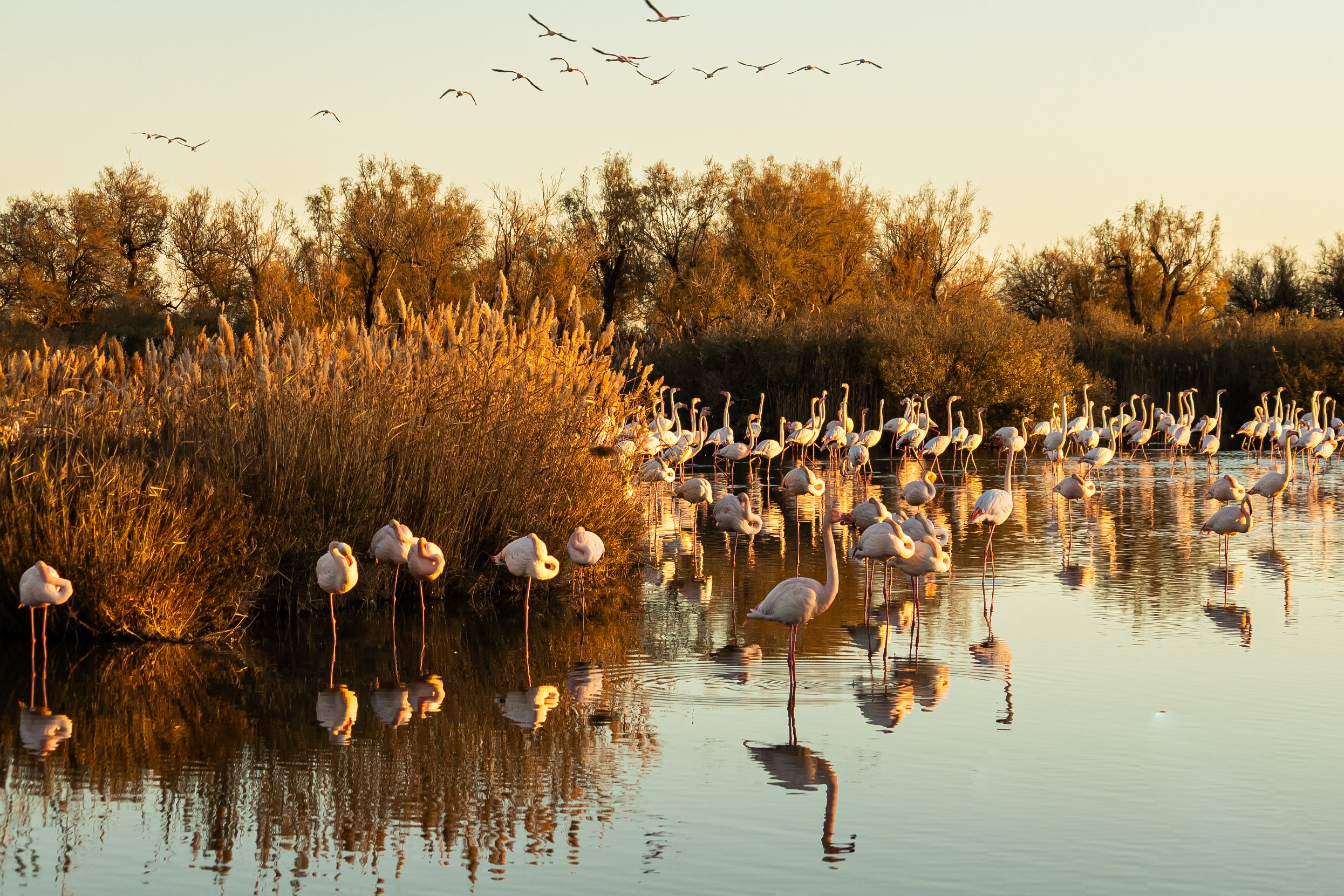
At the center of that conflict is the Vjosa-Narta wetland system along Albania’s southern Adriatic coast—a globally significant ecosystem that serves as a refuge for flamingos, pelicans, sea turtles, and hundreds of migratory bird species. Recent proposals for large-scale luxury tourism developments near these protected areas have sparked nationwide protests, creating what many activists now call the “Flamingo Revolution.”
The debate is about far more than a single development project. It has become a symbol of larger questions facing Albania: How should the country balance economic growth with environmental protection? Can tourism be developed sustainably? And what happens when one of Europe’s last relatively untouched coastal ecosystems collides with billion-dollar investment plans?
Why Albania’s Wetlands Matter
The Vjosa-Narta region is one of the Mediterranean’s most important wetland ecosystems.
Its ecological importance stems from several factors:
- Critical migratory bird stopover location
- Breeding grounds for numerous species
- Coastal lagoon habitats
- Rich marine biodiversity
- Relatively undisturbed ecosystems
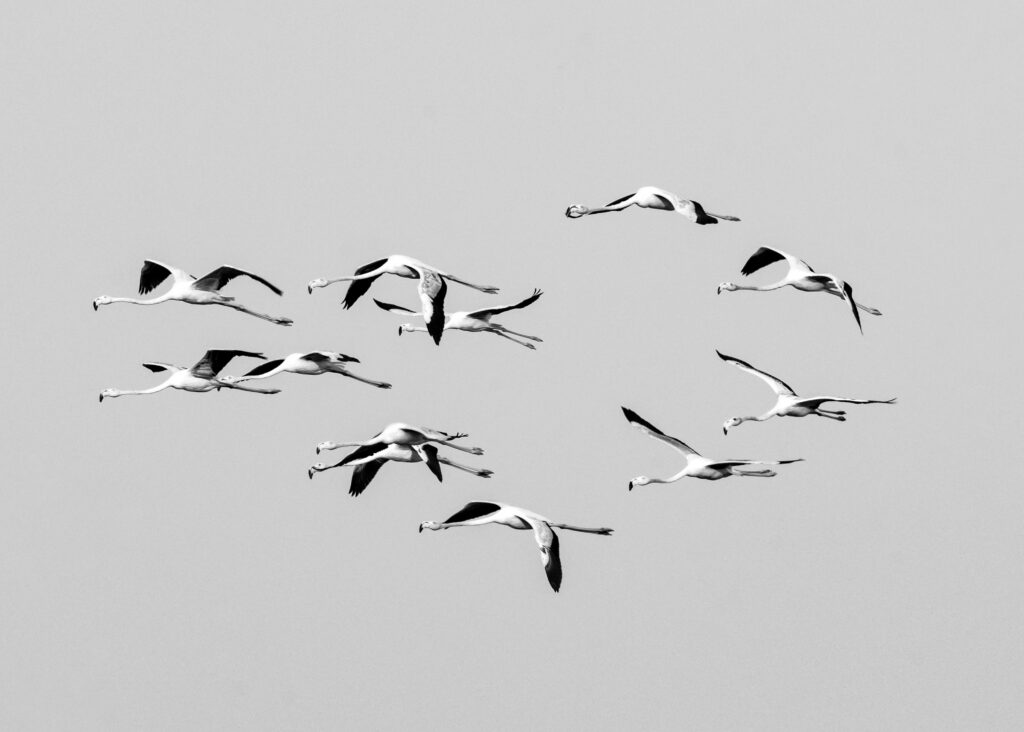
The area lies along the Adriatic Flyway, one of Europe’s major migratory routes connecting Africa and Europe. Millions of birds pass through the region annually during seasonal migrations.
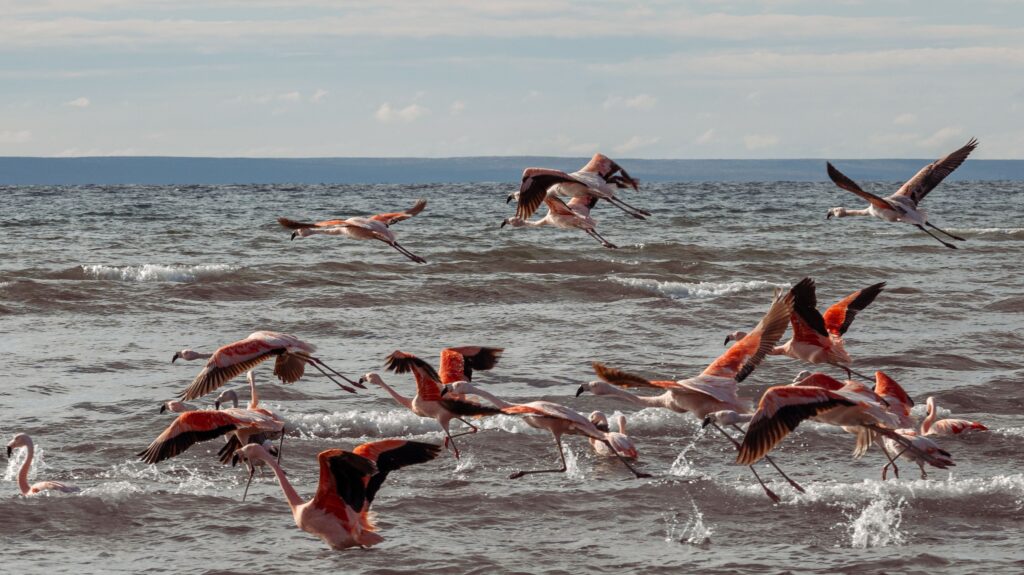
Among the most recognizable residents are greater flamingos, whose bright pink plumage has become the symbol of the current environmental movement. The wetlands also support endangered Mediterranean monk seals, loggerhead sea turtles, Dalmatian pelicans, and more than 200 bird species.
Conservationists argue that the ecological value of the area extends far beyond Albania itself because migratory birds depend on a network of healthy habitats across continents.
The Rise of the “Flamingo Revolution”
In recent weeks, thousands of Albanians have participated in demonstrations opposing proposed luxury tourism projects linked to foreign investors, including developments associated with Jared Kushner and Ivanka Trump. Protesters fear that large-scale resorts could damage sensitive ecosystems surrounding Sazan Island, Zvërnec, and the Vjosa-Narta protected landscape.
The flamingo quickly emerged as the movement’s emblem.
What began as environmental activism has evolved into a broader public debate involving:
- Government transparency
- Land-use policies
- Environmental governance
- Tourism development strategies
- Anti-corruption concerns
- EU integration standards
Observers describe the protests as one of Albania’s most significant environmental movements since the end of communist rule.
Tourism: Albania’s Economic Success Story
The controversy emerges at a time when tourism has become one of Albania’s most important economic engines.
Over the last two decades, Albania transformed from a little-known destination into one of Europe’s fastest-growing tourism markets. Visitors are attracted by:
- The Albanian Riviera
- UNESCO heritage sites
- Mountain tourism
- Adventure travel
- Affordable Mediterranean holidays
- Cultural tourism
The country’s tourism growth has been extraordinary, rising from a relatively modest visitor base in the early 2000s to more than 11 million annual arrivals. Tourism now represents a major pillar of Albania’s economy.
Government officials argue that carefully managed luxury developments can generate:
- Employment
- Foreign investment
- Infrastructure improvements
- Tax revenue
- International visibility
Supporters of development view tourism as a crucial pathway toward higher living standards and economic modernization.
The Environmental Concerns
Critics acknowledge tourism’s economic benefits but argue that certain locations are simply too environmentally sensitive for large-scale construction.
Their concerns include:
Habitat Fragmentation
Construction can disrupt nesting, feeding, and breeding areas.
Noise Pollution
Bird populations are highly sensitive to sustained human activity.
Light Pollution
Artificial lighting can affect migratory behavior and nesting patterns.
Water Quality
Increased development may alter fragile wetland ecosystems.
Visitor Pressure
Large visitor numbers can place stress on previously undisturbed habitats.
Scientists warn that even limited ecological disruption can have cascading effects throughout an ecosystem.
As one conservation concern repeatedly highlights: if conditions deteriorate, migratory birds may simply choose alternative routes or habitats.
Albania’s EU Ambitions Add Another Dimension
The dispute has attracted attention from the European Union because Albania is currently pursuing EU membership.
Environmental protection is a significant component of the accession process.
The European Commission has emphasized that candidate countries must comply with environmental regulations and biodiversity protections. Concerns about developments affecting protected wetlands have therefore taken on broader political significance.
For Albania, the challenge is balancing:
- Economic growth
- Tourism expansion
- Environmental obligations
- EU integration goals
How the country manages this balance could influence both its international reputation and accession progress.
What Makes Albanian Wetlands Unique?
Albania occupies a special geographical position within the Mediterranean basin.
Its wetlands form part of a larger biodiversity hotspot characterized by:
- Coastal lagoons
- Estuaries
- Marshlands
- River deltas
- Marine ecosystems
Many areas remain comparatively undeveloped compared with similar coastal regions elsewhere in Europe. This relative lack of development is precisely what makes them attractive both to conservationists and tourism investors.
Unlike heavily urbanized stretches of Mediterranean coastline, sections of Albania’s coast still retain ecological characteristics that have disappeared elsewhere.
Sustainable Tourism: Is There a Middle Ground?
The conflict highlights a growing global debate over sustainable tourism.
Many destinations are attempting to move beyond the traditional model of maximizing visitor numbers and instead focus on:
- Conservation-based tourism
- Ecotourism
- Low-impact development
- Wildlife tourism
- Community-led tourism
Examples from countries such as Costa Rica, New Zealand, and Botswana demonstrate that protecting ecosystems can itself become a valuable tourism asset.
In fact, flamingos, wetlands, and birdwatching opportunities may ultimately provide longer-term economic benefits than intensive coastal development if managed properly.
Why Flamingos Have Become a National Symbol
Flamingos possess a unique ability to capture public attention.
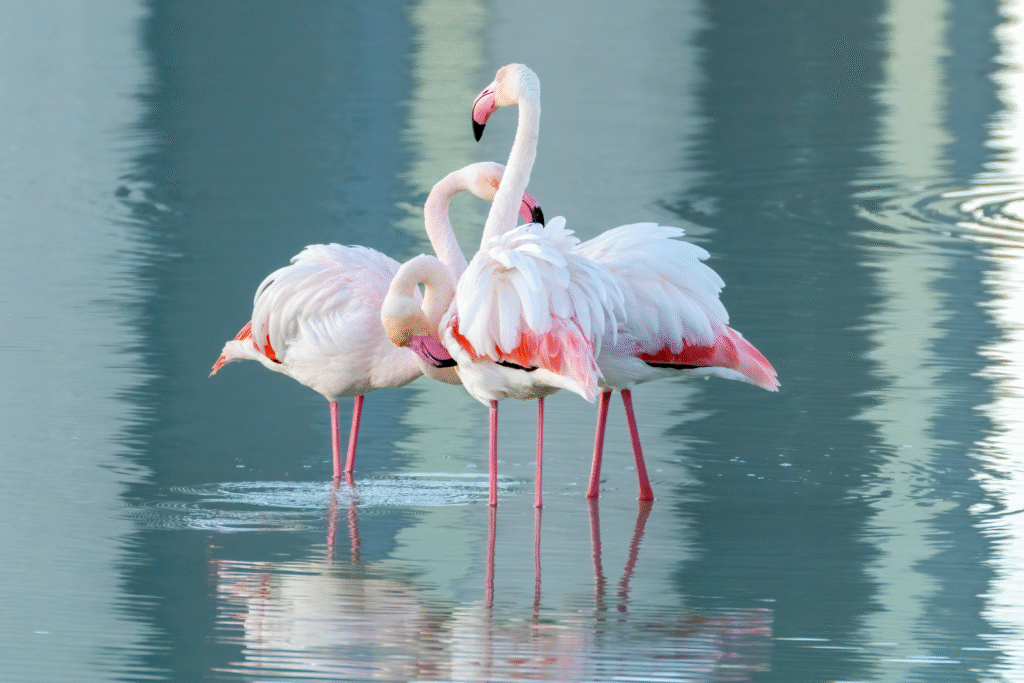
Their striking appearance, visibility, and association with healthy wetlands make them powerful symbols of environmental protection.
In Albania, flamingos have become more than wildlife.
They now symbolize:
- Natural heritage
- Public participation
- Environmental stewardship
- Sustainable development
- National identity
This symbolic role helps explain why the movement has resonated far beyond environmental circles.
The Future of Albania’s Coastline
The outcome of the current debate could shape Albania’s development trajectory for decades.
Several possible futures exist:
Intensive Development Model
More resorts, larger visitor numbers, and accelerated coastal construction.
Conservation-First Model
Strict protections with limited development.
Sustainable Hybrid Model
Carefully controlled development combined with strong ecological safeguards.
Many experts believe the third option offers the most realistic path forward.
The challenge lies in ensuring environmental protections remain meaningful rather than symbolic.
Conclusion
Albania’s “Flamingo Revolution” represents more than a dispute over a single resort project. It reflects a broader global struggle between conservation and development, one increasingly faced by countries experiencing rapid tourism growth.
The Vjosa-Narta wetlands are among the Mediterranean’s most valuable ecological treasures, supporting migratory birds, endangered species, and unique coastal habitats. At the same time, Albania’s tourism boom offers significant economic opportunities for a country seeking continued growth and European integration.
Whether Albania can successfully balance these competing priorities may determine not only the future of its wetlands, but also its reputation as a model for sustainable tourism in one of Europe’s fastest-changing destinations.
Frequently Asked Questions (FAQ)
1. What is Albania’s “Flamingo Revolution”?
The term refers to a growing environmental protest movement opposing large-scale tourism developments near Albania’s protected wetland ecosystems. The flamingo has become the movement’s symbol.
2. Why are the Vjosa-Narta wetlands important?
The wetlands are a major biodiversity hotspot and migratory bird habitat, supporting flamingos, pelicans, sea turtles, monk seals, and hundreds of bird species.
3. What development projects are causing controversy?
Proposed luxury tourism developments near Sazan Island and the Vjosa-Narta protected area have generated concerns about environmental impacts and long-term habitat disruption.
4. How does this affect Albania’s EU membership ambitions?
The European Union has emphasized the importance of environmental compliance and biodiversity protection as part of Albania’s accession process.
5. Can tourism and conservation coexist in Albania?
Many experts believe they can, provided development is carefully planned, environmentally assessed, and designed around long-term sustainability rather than short-term visitor growth. Sustainable tourism models in other countries suggest economic development and conservation are not necessarily mutually exclusive.
Sources The Guardian

