
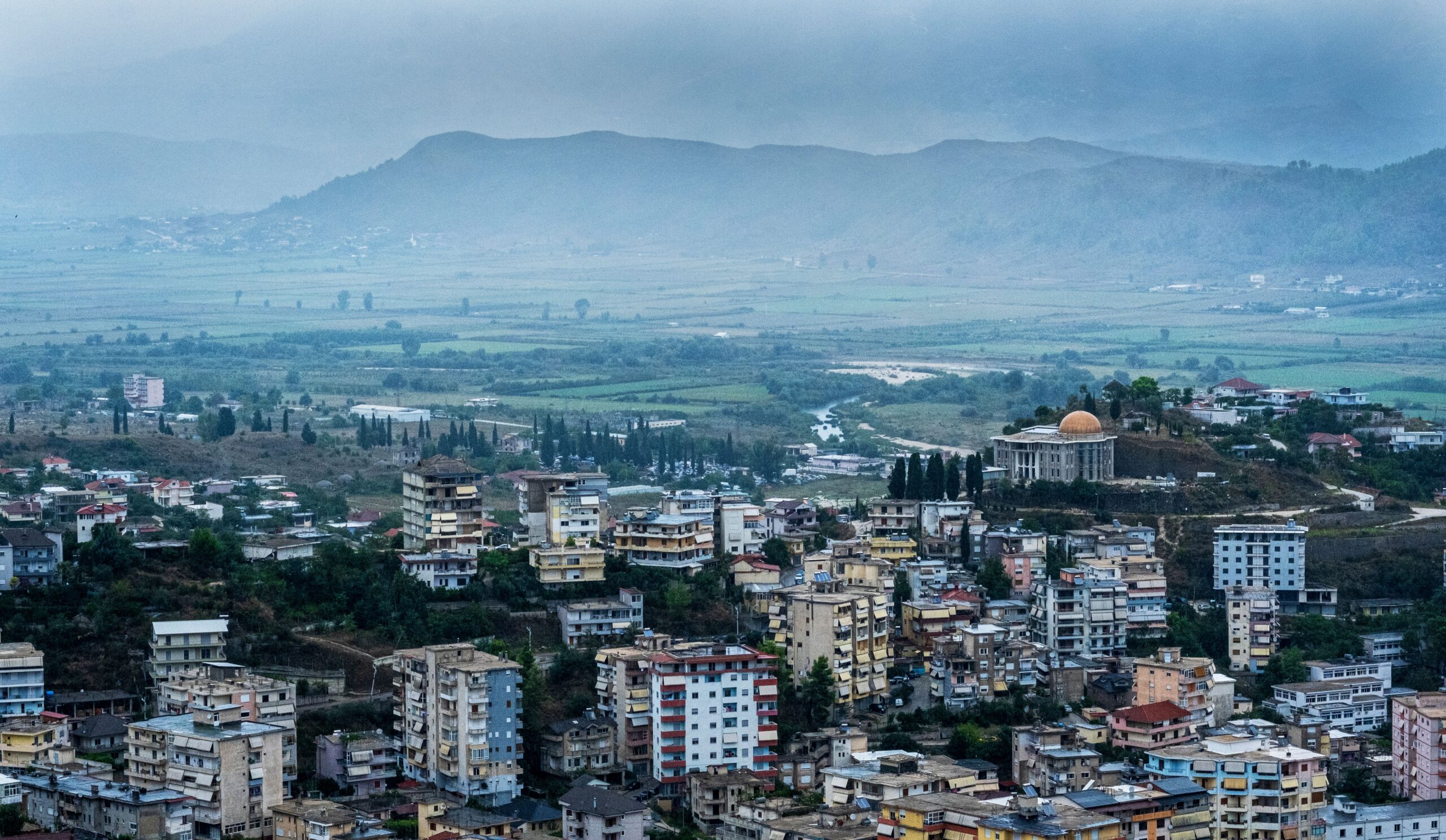
Albania’s government is seeking to reassure European officials that a controversial luxury tourism project linked to investor Jared Kushner will fully comply with environmental standards, even as protests continue and scrutiny from Brussels intensifies.
The project, which includes large-scale tourism developments on Sazan Island and near the ecologically sensitive Vjosa-Narta wetland system, has become one of the most debated investment initiatives in the Western Balkans. Supporters view it as a transformational opportunity for Albania’s tourism sector, while critics fear it could threaten protected ecosystems and complicate the country’s long-standing ambitions to join the European Union. Recent statements from Albanian authorities emphasize that all required environmental procedures, impact assessments, and regulatory reviews will be completed before final approvals are granted.
Why the Project Has Become So Controversial
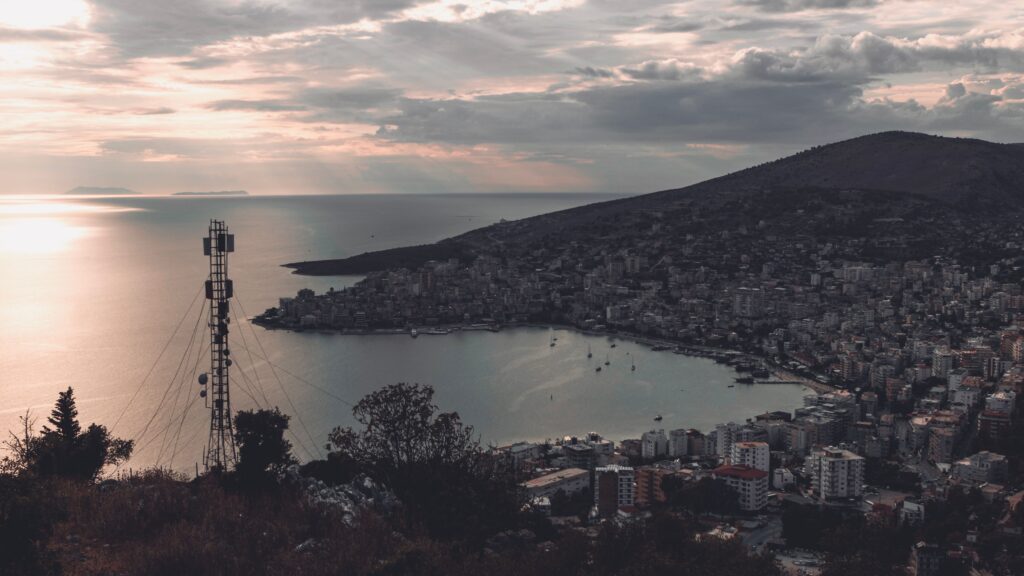
The proposed developments are associated with investment interests connected to Jared Kushner’s firm and involve two strategically important locations:
- Sazan Island in the Ionian Sea
- Areas near the Vjosa-Narta lagoon ecosystem
- Coastal tourism infrastructure along Albania’s southern Riviera
Government officials argue that Albania possesses some of the Mediterranean’s last major undeveloped coastal zones and that carefully managed luxury tourism could generate jobs, attract foreign investment, and elevate the country’s international tourism profile. Critics, however, argue that these same undeveloped areas are valuable precisely because of their ecological significance.
The EU’s Growing Concern
The controversy escalated after the European Commission publicly warned Albania that compliance with environmental standards is an important component of its EU accession process.
Brussels has urged Albanian authorities to ensure that development plans align with European environmental legislation and conservation requirements. European officials have emphasized that candidate countries must demonstrate adherence to environmental regulations throughout the accession process, particularly when projects affect protected habitats or sensitive ecosystems.
The warning carries significant weight because environmental policy is one of the formal negotiating chapters that Albania must successfully navigate before eventual EU membership.
Understanding the Ecological Importance of the Area
Vjosa-Narta Lagoon
The Vjosa-Narta region is considered one of the most important coastal ecosystems in the Balkans.
The area supports:
- Migratory bird populations
- Flamingos
- Pelicans
- Marine biodiversity
- Wetland ecosystems
- Protected habitats
Environmental groups argue that increased tourism infrastructure, marina construction, road development, and higher visitor volumes could alter habitats that have remained relatively undisturbed for decades. These concerns helped fuel the protest movement that has become known as Albania’s “Flamingo Revolution.”
Sazan Island
Sazan Island has a unique history.
Once a heavily fortified military installation during the Cold War, the island remained largely inaccessible to the public for decades. Because development was limited, many of its natural habitats remained intact. Today, environmental organizations view it as one of Albania’s most valuable coastal conservation areas.
What the Albanian Government Is Promising
Albanian officials have repeatedly stated that the project will not bypass environmental safeguards.
Authorities say the development will be subject to:
- Environmental Impact Assessments (EIAs)
- Biodiversity studies
- Regulatory reviews
- European-standard environmental procedures
- Ongoing monitoring requirements
Prime Minister Edi Rama has argued that critics are prematurely judging a project that remains in the planning and evaluation stages. Government representatives insist that no final development decisions will occur without proper assessments.
Why Tourism Matters So Much to Albania
To understand the government’s determination, it is necessary to understand Albania’s tourism strategy.
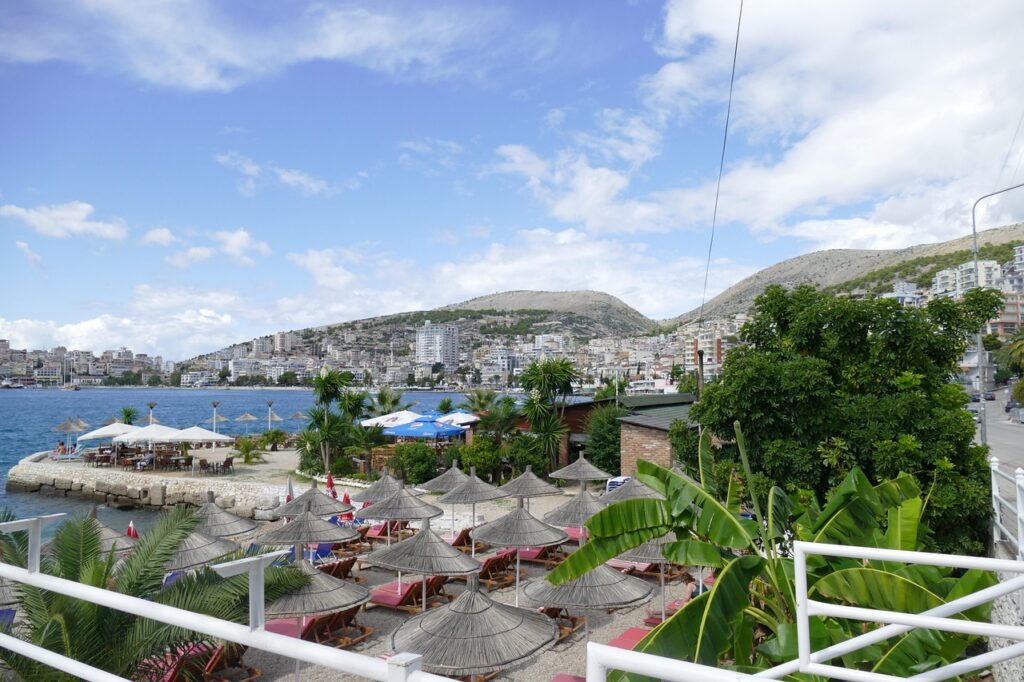
Over the past decade, Albania has emerged as one of Europe’s fastest-growing tourism destinations. The country has attracted increasing numbers of visitors thanks to:
- The Albanian Riviera
- Lower travel costs than neighboring destinations
- Improved infrastructure
- Growing international awareness
- Expanding air connectivity
Tourism now plays a critical role in economic growth, employment, and foreign investment. Officials believe luxury tourism could help Albania compete with established Mediterranean destinations such as Greece, Croatia, Montenegro, and Italy.
The Economic Case for the Development
Supporters of the project argue that the benefits could be substantial.
Potential advantages include:
- Billions of euros in investment
- New jobs during construction
- Long-term hospitality employment
- Increased tax revenues
- Infrastructure improvements
- Greater international visibility
Some estimates place the combined investment value at several billion euros, making it one of the largest tourism-related investments in Albania’s history.
The Transparency Debate
Environmental concerns are only part of the story.
Many protesters have also questioned:
- The approval process
- Strategic investor status
- Land ownership issues
- Public consultation procedures
- Government transparency
Opposition groups argue that large-scale developments involving politically connected foreign investors require exceptional scrutiny and public disclosure. The controversy has therefore evolved into a broader debate about governance and accountability in Albania.
Can Sustainable Tourism Offer a Middle Ground?
The conflict highlights a challenge facing destinations worldwide.
Many experts argue that the debate should not be framed as a choice between economic development and conservation. Instead, they advocate for sustainable tourism models that include:
- Strict environmental protections
- Controlled visitor numbers
- Low-impact construction
- Habitat restoration programs
- Community involvement
- Independent environmental monitoring
Examples from across Europe demonstrate that natural landscapes often become more valuable economically when preserved rather than extensively developed.
What This Means for Albania’s EU Ambitions
One reason the issue has attracted international attention is its connection to Albania’s EU membership aspirations.
Environmental compliance is a core requirement of EU accession. Brussels is closely monitoring whether Albania’s environmental governance aligns with European standards. Failure to address concerns could complicate negotiations, while successful compliance could strengthen Albania’s credibility as a candidate country.
What Happens Next?
Several key developments are expected in the coming months:
- Completion of environmental studies
- Review of impact assessment findings
- Further consultation with EU institutions
- Ongoing public demonstrations
- Possible legal and regulatory challenges
The final outcome may determine not only the future of the project itself but also how Albania balances foreign investment, environmental stewardship, and European integration.
For now, the government insists the resort can meet international environmental standards. Whether environmental groups, local communities, and European regulators ultimately agree remains one of the most important questions facing Albania’s development agenda.
Frequently Asked Questions (FAQs)
1. What is the Kushner-linked tourism project in Albania?
It is a proposed luxury tourism development involving resorts, villas, hospitality facilities, and related infrastructure on Sazan Island and near the Vjosa-Narta coastal region, backed by investment interests associated with Jared Kushner.
2. Why is the European Union concerned?
The EU wants to ensure the project complies with environmental regulations and conservation standards because Albania is a candidate for EU membership and must align with European environmental laws.
3. Why are environmental groups protesting?
Activists fear that development could damage wetlands, migratory bird habitats, flamingo populations, and other sensitive ecosystems in one of the Balkans’ most ecologically important coastal regions.
4. What does the Albanian government say?
The government argues that the project will undergo full environmental reviews and that modern tourism development can coexist with conservation while generating jobs and economic growth.
5. Could the controversy affect Albania’s EU membership bid?
Potentially. Environmental compliance is part of the EU accession process, and Brussels has indicated that candidate countries must meet European environmental standards during development planning and implementation.
Sources Euro News

