
The U.S. Department of Justice (DOJ) has intensified its focus on so-called “birth tourism” following a landmark Supreme Court ruling that reaffirmed birthright citizenship under the U.S. Constitution. Rather than changing who qualifies for citizenship at birth, federal authorities are now shifting their attention toward investigating individuals and organizations suspected of abusing the immigration system through fraudulent birth tourism schemes.
The move represents a significant shift in immigration enforcement. Instead of attempting to alter the constitutional principle of birthright citizenship, the government is concentrating on prosecuting alleged criminal conduct surrounding visa fraud, financial crimes, and organized businesses that facilitate birth tourism.
The renewed crackdown comes amid broader efforts by the current administration to strengthen immigration enforcement while working within the legal framework established by the courts.
What Is Birth Tourism?
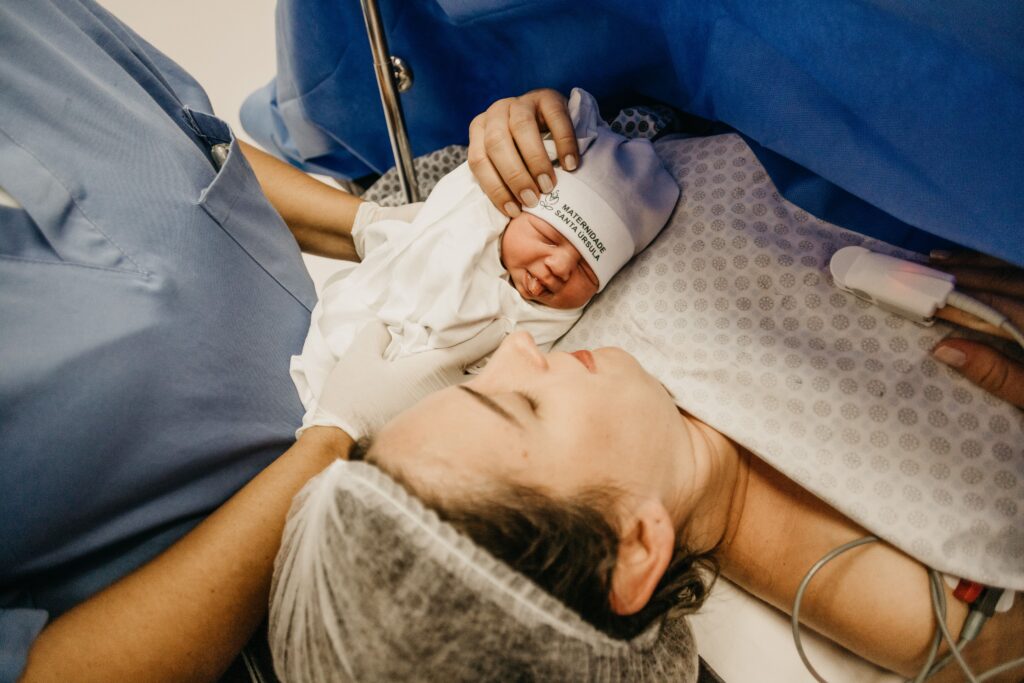
Birth tourism refers to the practice of pregnant foreign nationals traveling to another country—particularly the United States—with the intention of giving birth there so that their child automatically acquires citizenship under that country’s laws.
In the United States, the 14th Amendment generally grants citizenship to nearly every child born on U.S. soil, regardless of the immigration status of the parents.
It is important to distinguish between:
- Giving birth in the United States, which is not illegal by itself.
- Obtaining a visa through fraud or misrepresentation, which may violate U.S. immigration and criminal laws.
This distinction is central to the DOJ’s current enforcement strategy.
Why Is the DOJ Increasing Investigations?
The renewed enforcement effort follows a Supreme Court decision rejecting attempts to restrict birthright citizenship through executive action.
After the ruling, senior Justice Department officials instructed federal prosecutors to prioritize investigations into organized birth tourism schemes that allegedly involve deception or fraudulent activity.
Authorities say they are particularly interested in cases involving individuals or businesses that:
- Misrepresent the purpose of travel when applying for visas.
- Operate commercial birth tourism agencies.
- Commit financial crimes related to these operations.
- Help conceal the true purpose of entering the United States.
The Justice Department has also instructed prosecutors to work closely with the Department of Homeland Security (DHS) on these investigations.
The Supreme Court Did Not End Birthright Citizenship
A common misunderstanding is that the latest legal developments changed who receives U.S. citizenship at birth.
They did not.
The Supreme Court reaffirmed the long-standing interpretation of the 14th Amendment, maintaining that children born in the United States are generally U.S. citizens regardless of their parents’ immigration status.
The Court also reaffirmed earlier constitutional precedents dating back more than a century.
As a result, the DOJ’s strategy has shifted away from challenging citizenship itself and toward investigating alleged fraud committed during the immigration process.
What Crimes Could Be Prosecuted?
Federal prosecutors may pursue several criminal offenses depending on the circumstances.
Potential charges include:
- Visa fraud
- Wire fraud
- Identity theft
- Money laundering
- False statements to federal authorities
- Conspiracy
- Document fraud
Not every birth tourism case involves criminal conduct.
Authorities generally focus on situations where evidence suggests intentional deception or organized criminal activity.
The Role of Commercial Birth Tourism Agencies
Over the years, investigators have uncovered businesses that allegedly specialize in helping pregnant women travel to the United States for childbirth.
Some services reportedly include:
- Visa application assistance
- Travel planning
- Accommodation
- Hospital arrangements
- Transportation
- Translation services
- Post-birth documentation
Federal authorities have previously prosecuted operators accused of encouraging clients to conceal pregnancies or provide false information during visa applications.
The current DOJ initiative appears aimed primarily at these organized networks rather than individual families acting independently.
What Is the Birth Tourism Initiative?
Earlier in 2026, the Department of Homeland Security launched a nationwide Birth Tourism Initiative.
The initiative focuses on:
- Identifying fraudulent birth tourism businesses.
- Investigating financial transactions.
- Coordinating with federal prosecutors.
- Sharing intelligence across agencies.
- Disrupting organized criminal operations.
The DOJ’s latest directive builds upon that initiative by encouraging prosecutors to prioritize these investigations.
Why Is This Becoming a Bigger Issue?
Several factors have increased government attention.
These include:
- Rising concerns about immigration fraud.
- Increased scrutiny of visa abuse.
- National security considerations.
- Organized commercial operations advertising birth tourism.
- Greater coordination between federal agencies.
Officials argue that citizenship obtained through constitutional birthright protections should not be exploited through fraudulent immigration practices.
Birthright Citizenship Has Deep Constitutional Roots
The legal basis for birthright citizenship comes from the Citizenship Clause of the 14th Amendment, ratified in 1868.
Its purpose was to ensure that individuals born in the United States would be recognized as citizens regardless of ancestry, with limited exceptions such as children of accredited foreign diplomats.
A landmark Supreme Court decision in United States v. Wong Kim Ark (1898) established that children born in the United States to non-citizen parents are generally entitled to citizenship under the Constitution.
This precedent has shaped American citizenship law for more than a century.
Is Birth Tourism Illegal?
The answer is more nuanced than many assume.
Simply traveling to the United States while pregnant is not automatically illegal.
Likewise, giving birth in the United States does not violate federal law.
However, legal problems may arise if someone:
- Lies on a visa application.
- Conceals the true purpose of travel.
- Uses fraudulent documents.
- Participates in organized criminal schemes.
- Commits financial crimes related to the trip.
The DOJ emphasizes that its investigations focus on alleged fraud rather than childbirth itself.
How Other Countries Handle Birthright Citizenship
The United States is one of a relatively small number of countries that broadly recognize jus soli, or citizenship based on birthplace.
Many countries instead follow jus sanguinis, where citizenship is determined primarily by the nationality of one or both parents.
Countries such as Canada also recognize broad birthright citizenship, while many European and Asian nations have stricter citizenship requirements.
These differences help explain why the United States has historically been a destination for birth tourism.
Potential Impact on Visa Applicants
Travelers applying for U.S. visas may face increased scrutiny if immigration officials believe the primary purpose of travel is to give birth in the United States.
Consular officers already have authority to deny visas if applicants are found to have provided false or misleading information.
Future applicants should expect greater attention to:
- Travel purpose
- Financial resources
- Medical plans
- Length of stay
- Previous immigration history
Honest disclosure during the visa process remains essential.
Challenges Facing Enforcement
Although the DOJ has expanded enforcement efforts, proving fraud is not always straightforward.
Investigators must establish evidence that an individual intentionally misrepresented material facts during the visa process or participated in a criminal enterprise.
Authorities also face challenges in distinguishing legitimate medical travel from fraudulent birth tourism schemes.
As a result, investigations often focus on organized businesses rather than isolated individual cases.
Broader Immigration Policy Context
The renewed emphasis on birth tourism is part of a wider immigration enforcement strategy that includes:
- Combating visa fraud
- Strengthening border security
- Expanding immigration investigations
- Improving interagency cooperation
- Targeting organized immigration-related crime
Rather than changing constitutional citizenship rules, the administration is concentrating on enforcing existing immigration and criminal laws more aggressively.
Conclusion
The Justice Department’s renewed focus on birth tourism marks an important shift in U.S. immigration enforcement. Following the Supreme Court’s reaffirmation of birthright citizenship, federal authorities are redirecting their efforts toward investigating fraud, organized commercial operations, and other criminal activities linked to birth tourism.
For most travelers, the key takeaway is that giving birth in the United States is not itself a crime. However, obtaining visas through deception, participating in fraudulent schemes, or helping organize illegal birth tourism operations may expose individuals and businesses to serious criminal liability.
As enforcement efforts continue to expand, transparency during the immigration process and compliance with U.S. laws are likely to become even more important for international travelers.
Frequently Asked Questions (FAQs)
1. What is birth tourism?
Birth tourism is the practice of traveling to another country, particularly the United States, to give birth so that the child acquires citizenship under that country’s birthright citizenship laws.
2. Is birth tourism illegal in the United States?
Giving birth in the United States is not illegal. However, obtaining a visa through fraud, making false statements, or participating in organized criminal schemes related to birth tourism may violate federal law.
3. Did the Supreme Court end birthright citizenship?
No. The Supreme Court reaffirmed that children born in the United States are generally entitled to citizenship under the 14th Amendment, regardless of their parents’ immigration status.
4. What crimes is the DOJ investigating?
Federal authorities are focusing on offenses such as visa fraud, wire fraud, money laundering, identity theft, conspiracy, and other crimes connected to fraudulent birth tourism operations.
5. Will pregnant women automatically be denied U.S. visas?
No. Pregnancy alone is not grounds for denying a visa. However, applicants who misrepresent the purpose of their trip or provide false information during the visa process may face visa denial or criminal investigation.

Sources Reuters

