
Global tourism is highly sensitive to government policies, economic conditions, and traveler confidence. In recent years, immigration rules, visa requirements, border policies, and political developments have increasingly influenced where people choose to vacation or attend major international events.
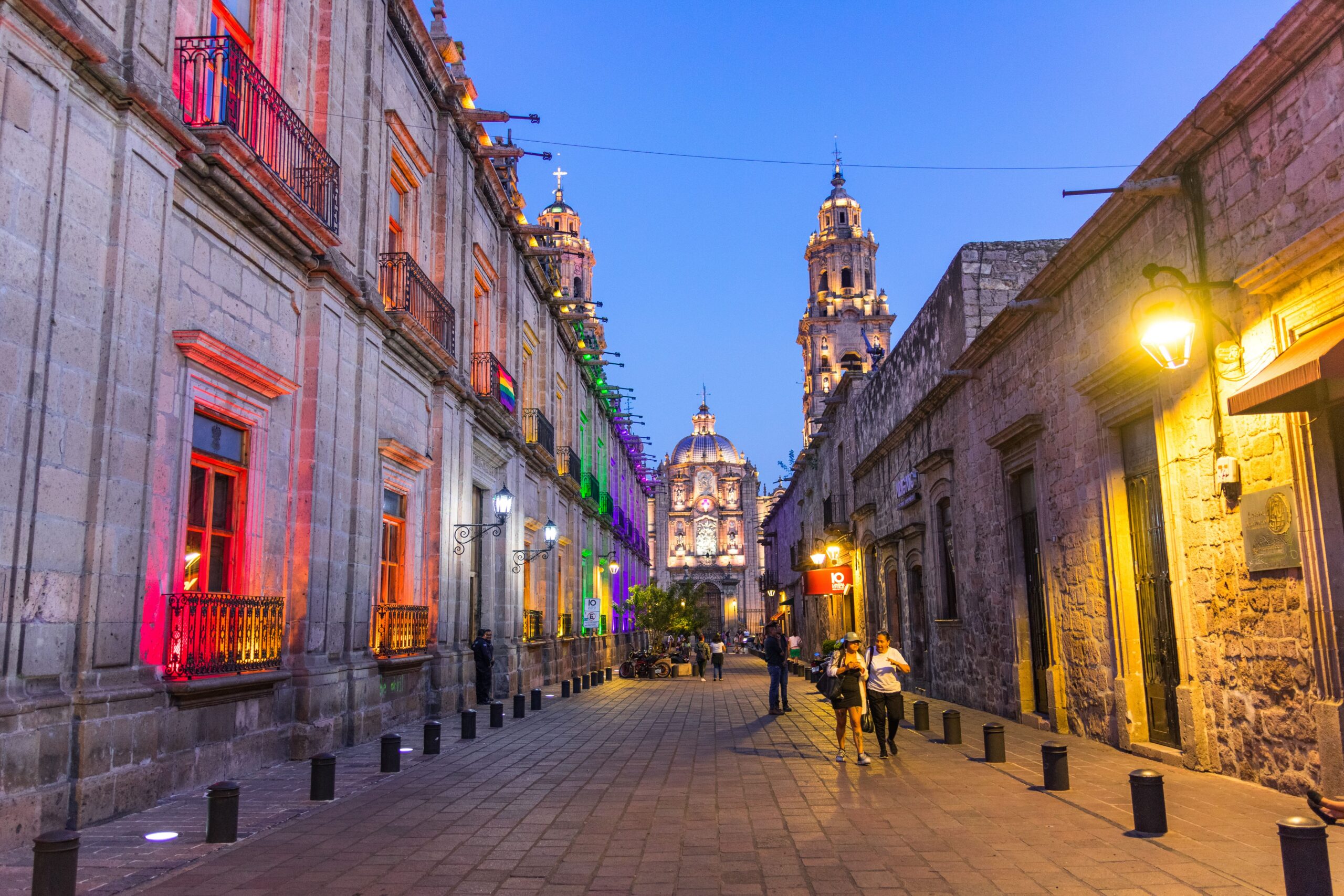
One emerging trend is the growing strength of Mexico’s tourism industry as some international travelers reconsider trips to the United States due to tighter travel policies and increased uncertainty surrounding border procedures. With the 2026 FIFA World Cup approaching—an event jointly hosted by the United States, Mexico, and Canada—Mexico is positioning itself as an attractive destination for visitors seeking cultural experiences, sporting events, and relatively accessible travel.
While the United States remains one of the world’s largest tourism markets, changes in travel policies can unintentionally redirect visitor spending toward neighboring countries, illustrating how tourism often responds quickly to shifts in government policy.
Tourism and Government Policy Are Closely Connected
Travel decisions are influenced by much more than attractions or weather.
Visitors also consider:
- Visa requirements
- Entry procedures
- Border wait times
- Travel advisories
- Safety perceptions
- Currency exchange rates
- Political stability
- Transportation convenience
Even modest policy changes can influence millions of travel decisions each year.
For businesses that depend on tourism, these shifts can have significant economic consequences.
Why Mexico Is Benefiting
Mexico has long ranked among the world’s most visited countries.
Its appeal includes:
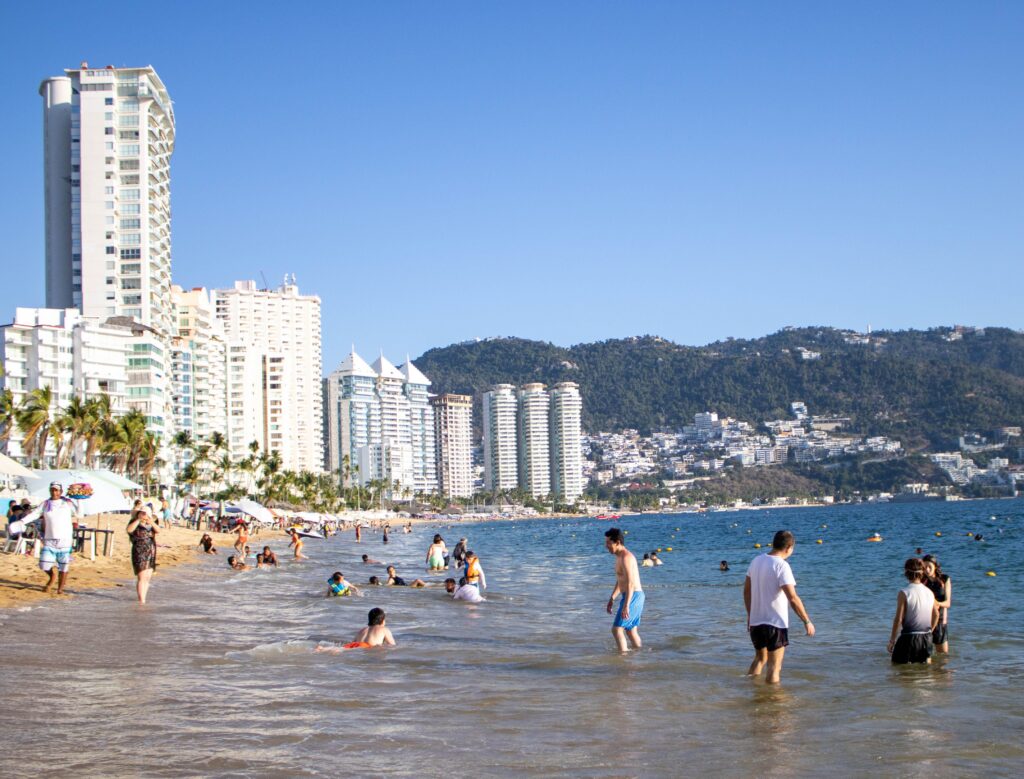
- Beautiful beaches
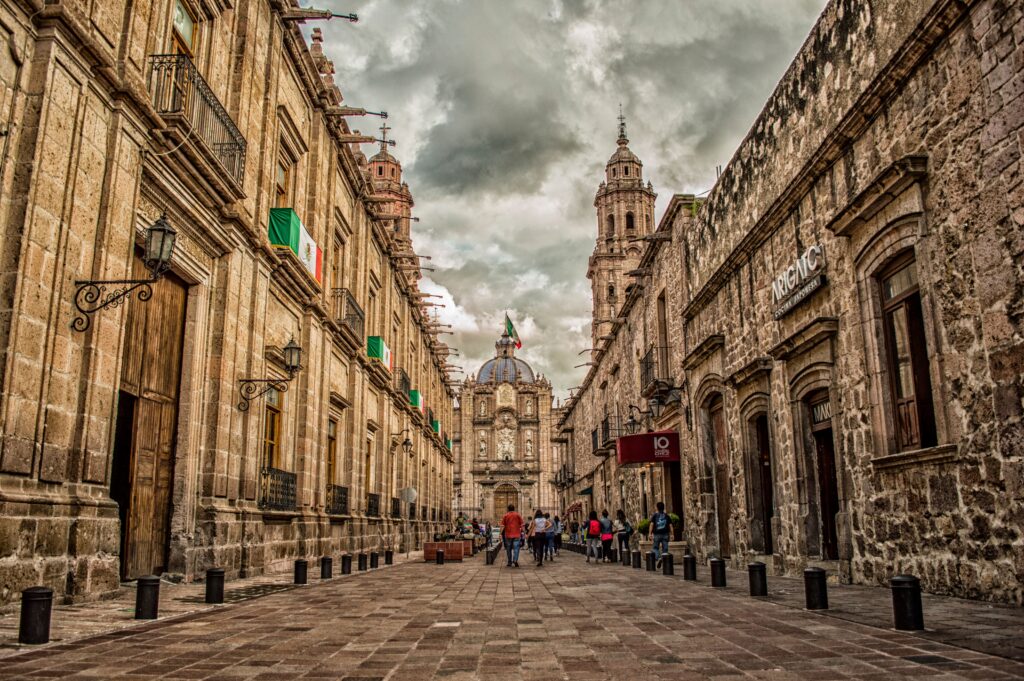
- Historic cities
- Rich cultural heritage
- UNESCO World Heritage Sites
- Diverse cuisine
- Luxury resorts
- Ecotourism destinations
- Competitive travel costs
Combined with relatively favorable exchange rates for many international visitors, Mexico offers attractive value for leisure travelers.
The Impact of U.S. Travel Policies
Changes to U.S. immigration enforcement, visa processing, and border procedures can influence how international travelers plan their itineraries.
Potential traveler concerns may include:
- Longer visa processing times
- Additional documentation requirements
- Increased border inspections
- Greater uncertainty regarding entry procedures
While these measures are often introduced for national security or immigration management, they may also affect tourism demand by making travel appear more complicated or less predictable for some visitors.
Importantly, the extent of this impact varies depending on travelers’ countries of origin, visa status, and personal circumstances.
The 2026 FIFA World Cup Creates New Opportunities
The 2026 FIFA World Cup will be one of the largest sporting events ever organized.
For the first time, the tournament will be jointly hosted by:
- United States
- Mexico
- Canada
Mexico will host matches in several major cities, attracting hundreds of thousands of international football fans.
Many visitors are expected to combine sporting events with broader tourism experiences before and after matches.
Popular destinations include:
- Mexico City
- Guadalajara
- Monterrey
- Cancún
- Riviera Maya
- Oaxaca
- Los Cabos
The World Cup provides an opportunity for Mexico to showcase both its modern infrastructure and cultural heritage.
Economic Benefits for Mexico
Tourism contributes significantly to Mexico’s economy.
Increased international arrivals support:
- Hotels
- Restaurants
- Airlines
- Retail businesses
- Transportation providers
- Tour operators
- Museums
- Cultural attractions
Major sporting events also stimulate investment in:
- Airports
- Public transportation
- Urban infrastructure
- Hospitality facilities
- Digital services
These improvements often generate long-term economic benefits beyond the tournament itself.
Currency Exchange Can Influence Travel Choices
Exchange rates remain an important consideration for international tourists.
When travelers receive greater purchasing power abroad, destinations often become more attractive.
Competitive pricing may encourage visitors to spend more on:
- Hotels
- Dining
- Entertainment
- Shopping
- Excursions
- Cultural experiences
This creates additional economic activity for local businesses.
Mexico’s Expanding Tourism Appeal
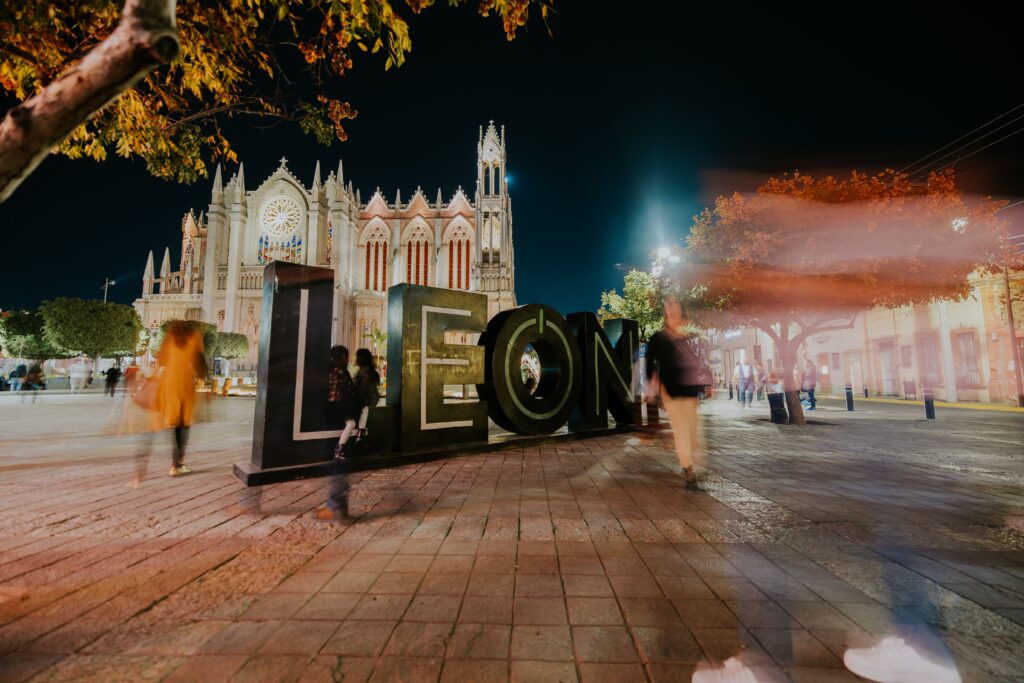
Modern Mexico offers far more than traditional beach vacations.
Growing tourism sectors include:
Cultural Tourism
Visitors explore archaeological sites, colonial architecture, museums, and historic city centers.
Culinary Tourism
Mexican cuisine attracts food enthusiasts seeking regional specialties and authentic local experiences.
Adventure Tourism
Activities include hiking, diving, whale watching, surfing, and ecotourism.
Luxury Tourism
High-end resorts continue expanding in destinations such as Los Cabos and the Riviera Maya.
Medical Tourism
Many international visitors travel to Mexico for healthcare services combined with leisure travel.
Competition Among North American Destinations
The United States, Mexico, and Canada often compete for many of the same international visitors.
Factors influencing destination choice include:
- Airfare
- Accommodation costs
- Visa accessibility
- Safety
- Attractions
- Exchange rates
- Major events
- Transportation connections
As travelers compare destinations, even small differences in convenience or affordability can influence final decisions.
Technology Is Transforming Tourism
Digital tools continue reshaping travel planning.
Travelers increasingly rely on:
- AI-powered itinerary planners
- Online booking platforms
- Translation apps
- Digital maps
- Contactless payments
- Mobile boarding passes
- Real-time travel updates
Artificial intelligence can also recommend destinations based on personal preferences, budget, weather, and travel history.
Challenges Facing Mexican Tourism
Strong tourism growth also creates challenges.
These include:
- Overtourism in popular destinations
- Environmental conservation
- Infrastructure demands
- Water resource management
- Affordable housing pressures
- Waste management
- Transportation congestion
Managing visitor growth sustainably will remain an important priority.
Security and Traveler Confidence
Safety remains an important consideration for international visitors.
Tourists are encouraged to:
- Monitor official travel advisories.
- Use reputable transportation providers.
- Stay informed about local conditions.
- Purchase travel insurance.
- Follow local laws and customs.
Most tourist areas maintain extensive infrastructure designed to support international visitors, but travelers should always exercise normal precautions.
Opportunities for Local Businesses
Increased visitor numbers benefit businesses of all sizes.
These include:
- Family-owned restaurants
- Local artisans
- Boutique hotels
- Cultural guides
- Transportation companies
- Entertainment venues
- Retail shops
Large international events often encourage visitors to spend more time exploring surrounding regions beyond host cities.
The Future of Tourism Competition
Tourism experts increasingly describe international travel as highly competitive.
Countries compete through:
- Marketing campaigns
- Simplified visa systems
- Airport improvements
- Sustainable tourism initiatives
- Digital visitor services
- Cultural promotion
- International sporting events
Government policy has become an increasingly important component of destination competitiveness.
Lessons for the Global Tourism Industry
Mexico’s growing tourism momentum demonstrates how quickly international travel patterns can respond to changing economic and political conditions.
Travelers evaluate multiple factors simultaneously, including:
- Cost
- Accessibility
- Convenience
- Safety
- Cultural experiences
- Sustainability
- Ease of entry
Countries that successfully balance security, efficient border management, and a welcoming visitor experience are generally better positioned to compete in the global tourism market.
Conclusion
As the 2026 FIFA World Cup approaches, Mexico is well placed to benefit from shifting travel patterns and increased international attention. While U.S. travel and immigration policies are designed to address broader national priorities, they may also influence tourism decisions for some visitors, creating opportunities for neighboring destinations.
Mexico’s combination of cultural richness, competitive pricing, modern tourism infrastructure, and World Cup visibility positions it as one of the strongest tourism markets in North America. At the same time, sustaining this growth will require continued investment in infrastructure, environmental protection, and responsible tourism management.
Ultimately, global tourism is shaped by far more than attractions alone. Government policy, traveler confidence, technology, and international events all play vital roles in determining where millions of people choose to spend their time and money.
Frequently Asked Questions (FAQs)
1. Why could U.S. travel policies affect tourism in Mexico?
Some travelers may perceive stricter entry procedures, visa requirements, or border policies as making U.S. travel less convenient. As a result, they may choose alternative destinations such as Mexico, depending on their circumstances and travel goals.
2. How will the 2026 FIFA World Cup benefit Mexico?
The tournament is expected to attract hundreds of thousands of international visitors, increasing demand for hotels, restaurants, transportation, entertainment, and local tourism services while encouraging long-term infrastructure investment.
3. What makes Mexico attractive to international tourists?
Mexico offers diverse attractions including beaches, historic cities, archaeological sites, world-renowned cuisine, cultural festivals, luxury resorts, ecotourism experiences, and competitive travel costs.
4. What challenges accompany rapid tourism growth?
Popular destinations may face overtourism, environmental pressures, infrastructure demands, housing affordability issues, and increased strain on public services if visitor growth is not carefully managed.
5. How do government policies influence international tourism?
Visa rules, border procedures, travel advisories, transportation policies, and diplomatic relations all affect traveler confidence and can influence destination choices alongside cost, attractions, and convenience.
Sources The New York Times

