
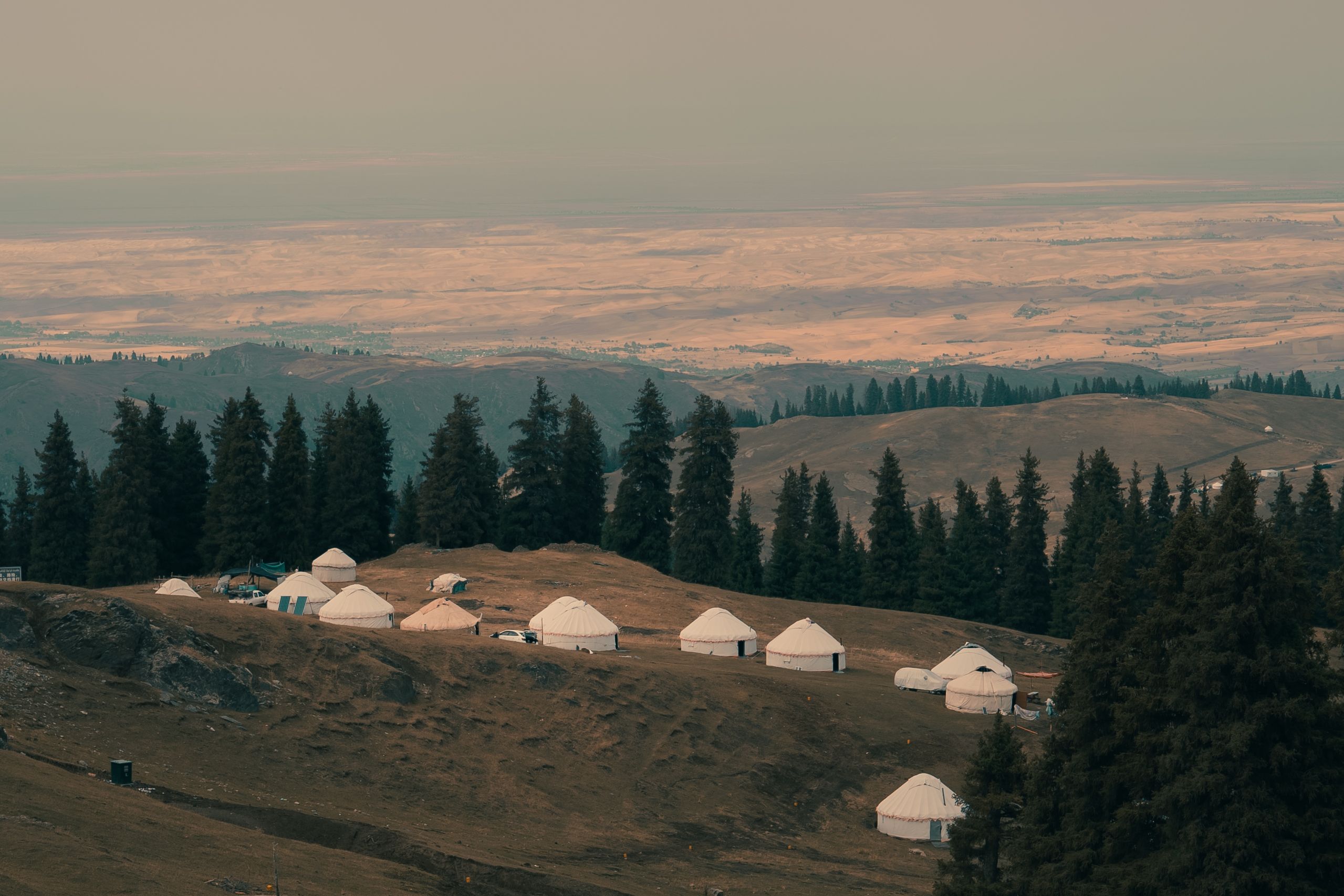
Tourism has long been more than just an economic activity. Around the world, governments use tourism to promote national identity, encourage regional development, preserve cultural heritage, and strengthen their international image. In recent years, China’s Xinjiang Uyghur Autonomous Region has become a prominent example of how tourism can also play a strategic role in public diplomacy and regional branding.
As domestic travel within China continues to expand and international tourism gradually recovers, Xinjiang has become the focus of significant investment in tourism infrastructure, cultural attractions, transportation, and marketing campaigns. Chinese authorities present the region as a destination rich in natural beauty, ethnic diversity, and historical importance, while international observers continue to debate broader issues surrounding governance, human rights, and cultural preservation.
Understanding Xinjiang’s tourism strategy requires examining both its economic objectives and the wider geopolitical context in which tourism increasingly intersects with diplomacy, media, and international public opinion.

Why Xinjiang Matters
Xinjiang is China’s largest provincial-level region by land area, occupying roughly one-sixth of the country’s territory.
The region borders several countries, including:
- Kazakhstan
- Kyrgyzstan
- Tajikistan
- Pakistan
- Mongolia
- Russia
- Afghanistan
- India (through disputed border areas)
Its strategic location has made Xinjiang an important crossroads for trade and cultural exchange for thousands of years.
Today, it also plays a significant role in China’s energy production, agriculture, transportation, and the modern Belt and Road Initiative.
A Region Rich in Culture and Natural Beauty
Xinjiang is home to a diverse population representing multiple ethnic groups, languages, and cultural traditions.
Visitors are drawn to attractions such as:
- The Taklamakan Desert
- Tianshan Mountains
- Kanas Lake
- Ancient Silk Road cities
- Historic bazaars
- Traditional music and dance
- Regional cuisine
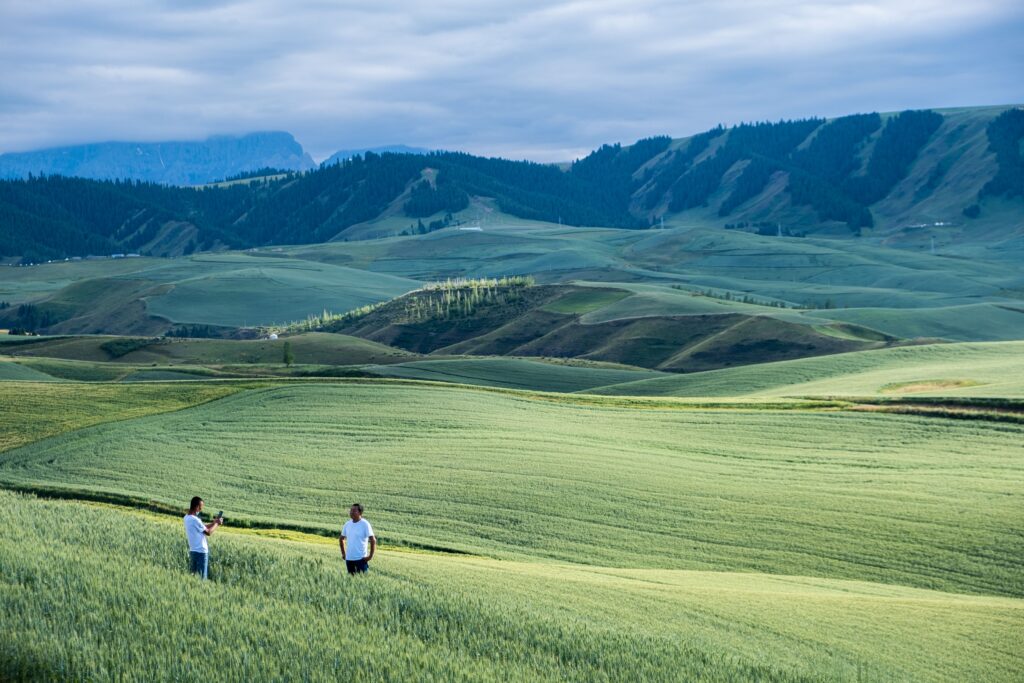
- Grasslands and alpine scenery
The area’s cultural diversity and dramatic landscapes make it one of China’s most distinctive tourism destinations.
Tourism as an Economic Development Strategy
Like many regions around the world, Xinjiang views tourism as a driver of economic growth.
Tourism supports:
- Hotels
- Restaurants
- Airlines
- Railways
- Retail businesses
- Cultural performances
- Handicraft industries
- Local transportation
Investment in tourism can also create employment opportunities and encourage infrastructure improvements that benefit residents alongside visitors.
Infrastructure Investment
China has invested heavily in improving access to Xinjiang.
Major developments include:
- High-speed rail connections
- Expanded airports
- Modern highways
- Scenic highways
- Visitor centers
- Hotels
- Public transportation
- Digital tourism services
Improved accessibility makes it easier for domestic tourists to visit destinations that were once considered remote.
Domestic Tourism Leads Growth
Most visitors to Xinjiang currently come from within China.
Several factors support domestic tourism:
- Rising household incomes
- Expanded transportation networks
- Paid vacation time
- Interest in regional culture
- Nature-based tourism
- Government tourism campaigns
Domestic tourism provides a stable source of economic activity regardless of fluctuations in international travel.
Tourism and National Branding
Governments frequently use tourism to shape international perceptions.
Marketing campaigns often highlight:
- Cultural heritage
- Historic landmarks
- Traditional festivals
- Scenic landscapes
- Hospitality
- Modern infrastructure
In Xinjiang, promotional efforts emphasize ethnic diversity, economic development, and picturesque destinations.
Supporters argue that tourism provides opportunities for greater cultural exchange, while critics question whether visitor experiences fully reflect the region’s broader social and political realities.
The International Debate
Xinjiang remains the subject of significant international attention.
Numerous Western governments, international organizations, researchers, and human rights groups have expressed concerns regarding allegations involving:
- Human rights
- Religious freedom
- Cultural preservation
- Labor practices
- Surveillance
The Chinese government strongly rejects many of these allegations, describing its policies as measures intended to combat terrorism, separatism, and extremism while promoting economic development and social stability.
These differing perspectives continue to shape international discussions about the region.
The Role of Media and Social Media
Tourism promotion increasingly depends on digital platforms.
Visitors share experiences through:
- Short-form videos
- Travel blogs
- Photo sharing
- Livestreaming
- Travel review platforms
- Social media influencers
Official tourism campaigns likewise use digital storytelling to showcase landscapes, festivals, local cuisine, and cultural attractions.
At the same time, international media outlets continue reporting on broader political and human rights issues, creating competing narratives about the region.
Cultural Tourism and Preservation
Tourism can help preserve cultural traditions by creating economic incentives for:
- Traditional crafts
- Folk music
- Dance performances
- Regional cuisine
- Historic architecture
- Local festivals
However, scholars note that successful preservation requires active participation by local communities and respect for authentic cultural practices rather than commercialization alone.
The Belt and Road Connection
Xinjiang occupies a central position within China’s Belt and Road Initiative.
Its location supports:
- International rail freight
- Cross-border trade
- Logistics hubs
- Energy transportation
- Cultural exchange
- Regional connectivity
Improved infrastructure developed for trade also enhances tourism accessibility.
Environmental Considerations
Tourism growth brings environmental responsibilities.
Authorities and tourism operators increasingly focus on:
- Desert conservation
- Mountain ecosystem protection
- Sustainable transportation
- Waste management
- Water resource conservation
- Wildlife protection
Balancing visitor growth with environmental sustainability remains an important long-term challenge.
Economic Benefits and Local Communities
Tourism can generate opportunities for local residents through:
- Hospitality employment
- Small businesses
- Artisan products
- Agricultural tourism
- Transportation services
- Cultural performances
Ensuring that tourism revenue benefits local communities is an important objective in sustainable destination development.
Technology Is Changing Travel
Modern tourism increasingly relies on:
- AI-powered itinerary planning
- Digital ticketing
- Online reservations
- Translation apps
- Mobile payments
- Smart navigation
- Virtual tours
Artificial intelligence also helps tourism agencies analyze visitor trends and improve destination marketing.
Geopolitics and Tourism
Tourism increasingly intersects with international relations.
Countries often compete to:
- Attract visitors
- Build soft power
- Promote cultural diplomacy
- Strengthen international reputation
- Encourage investment
As a result, tourism has become an important element of broader foreign policy strategies around the world.
Xinjiang illustrates how tourism, economics, media, and diplomacy can become closely interconnected.
The Future of Tourism in Xinjiang
Several trends are expected to shape future development.
These include:
- Continued domestic tourism growth
- Expanded transportation networks
- Digital tourism services
- Eco-tourism
- Cultural tourism
- AI-assisted travel planning
- International marketing campaigns
- Sustainable destination management
Whether international tourism expands significantly will likely depend on broader geopolitical developments, traveler confidence, and evolving diplomatic relationships.
Conclusion
Xinjiang’s tourism strategy demonstrates how travel can serve multiple purposes beyond economic development. Investments in infrastructure, destination marketing, and cultural attractions are helping position the region as a major domestic tourism destination while also contributing to China’s broader efforts to shape international perceptions.
At the same time, Xinjiang remains the focus of ongoing international debate regarding governance, human rights, and cultural preservation. These differing perspectives illustrate that tourism does not exist in isolation; it is increasingly connected to diplomacy, media narratives, sustainability, and global politics.
As tourism continues to evolve worldwide, Xinjiang will likely remain an important case study in how governments use travel not only to attract visitors but also to influence economic development, national branding, and international engagement.
Frequently Asked Questions (FAQs)
1. Why is China promoting tourism in Xinjiang?
China views tourism as a way to stimulate regional economic development, create jobs, improve infrastructure, showcase the region’s cultural and natural attractions, and strengthen its domestic and international image.
2. What are Xinjiang’s main tourist attractions?
Popular attractions include the Tianshan Mountains, Kanas Lake, the Taklamakan Desert, ancient Silk Road cities, traditional markets, regional cuisine, and diverse cultural heritage.
3. Why is Xinjiang internationally controversial?
International discussions focus on differing views regarding human rights, religious freedom, cultural preservation, labor practices, and security policies. While many governments and human rights organizations have raised concerns, the Chinese government rejects many of these allegations and states that its policies are aimed at maintaining stability and promoting development.
4. How does tourism support Xinjiang’s economy?
Tourism generates revenue for hotels, restaurants, transportation providers, retailers, tour operators, and cultural businesses while encouraging infrastructure investment and employment opportunities.
5. What role does tourism play in international diplomacy?
Tourism can strengthen a country’s global image, promote cultural exchange, encourage investment, support soft power, and influence how international audiences perceive destinations and national development strategies.
Sources Bloomberg

