
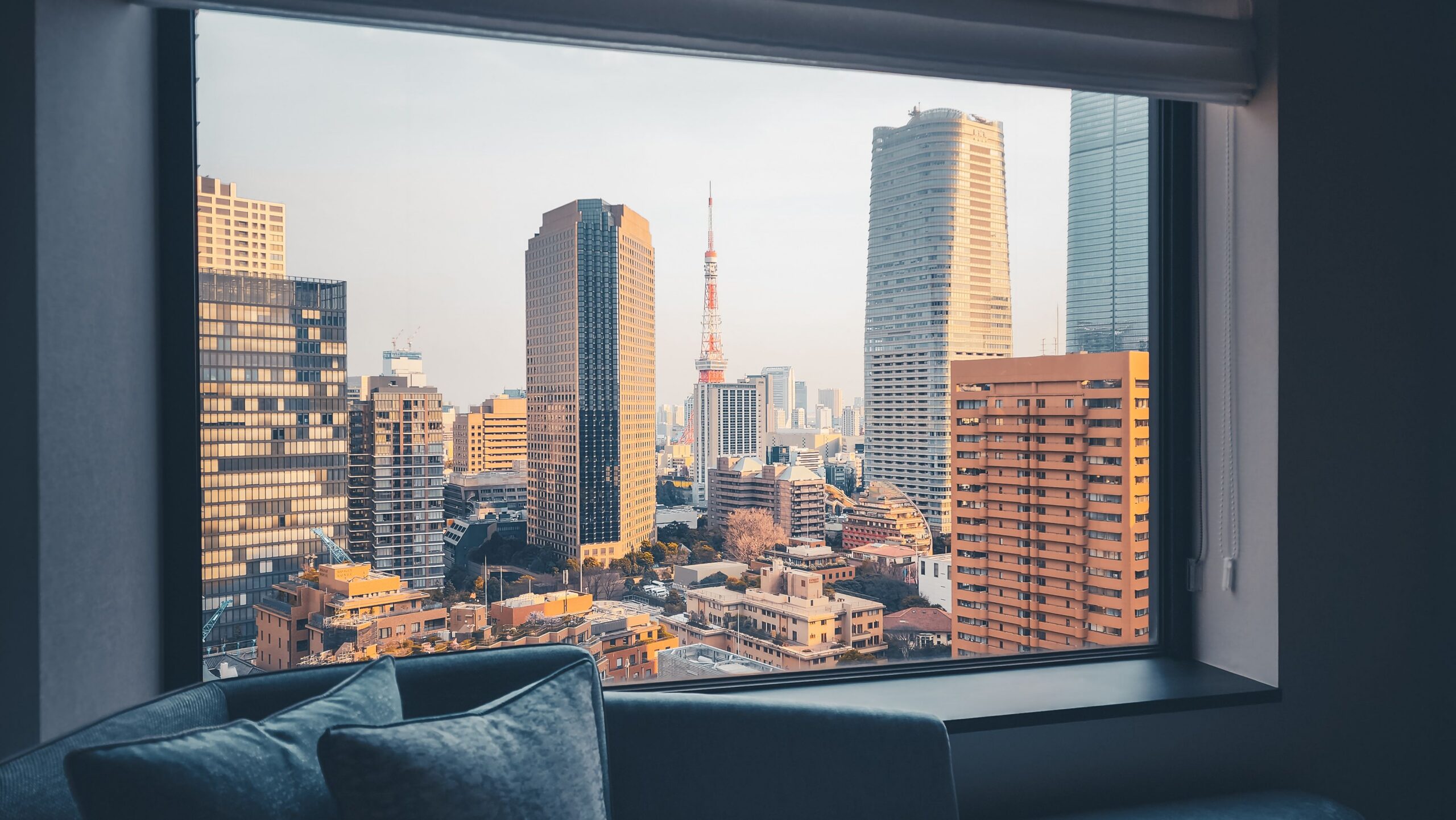
Japan is experiencing one of the strongest tourism booms in its history. International visitors are returning in record numbers, hotels are filling up, and popular destinations such as Tokyo, Kyoto, Osaka, and Hokkaido are bustling with travelers eager to experience the country’s unique blend of tradition and modernity.
Yet behind this tourism success lies a growing challenge that threatens the industry’s long-term sustainability: a severe labor shortage across Japan’s accommodation sector.
According to recent industry findings, more than 70% of accommodation businesses report being affected by staffing shortages. From luxury hotels to traditional ryokans (Japanese inns), many operators are struggling to recruit and retain enough employees to meet rising demand.
The issue extends beyond hospitality. It reflects broader demographic, economic, and social changes reshaping Japan’s workforce.

Japan’s Tourism Recovery Is Exceeding Expectations
Following the reopening of international borders, Japan has seen tourism recover at an extraordinary pace.
Several factors have fueled this growth:
- A weaker Japanese yen, making travel more affordable for international visitors.
- Increased international flight capacity.
- Growing global interest in Japanese culture, anime, cuisine, and technology.
- Major international events and business conferences.
- Strong promotion by Japan’s tourism authorities.
Travelers are staying longer, exploring regional destinations, and spending more on food, shopping, and experiences.
For hotels, this should represent an ideal business environment.
Instead, many properties cannot fully capitalize on demand because they simply lack enough employees.
Why Are Hotels Facing Worker Shortages?
The labor shortage is not caused by a single issue.
Rather, several long-term trends have converged.
1. Japan’s Aging Population
Japan has one of the world’s oldest populations.
As birth rates remain low and life expectancy increases, the working-age population continues to shrink.
Every year, fewer young workers enter industries such as hospitality.
Meanwhile, many experienced employees retire.
This demographic challenge affects nearly every sector of the Japanese economy.
2. Tourism Rebounded Faster Than Hiring
During the pandemic, many hospitality workers left the industry.
Some moved into:
- Logistics
- Manufacturing
- Healthcare
- Retail
- Technology
When tourism recovered, not everyone returned.
Hotels suddenly found themselves competing for a much smaller labor pool.
3. Hospitality Is Physically Demanding
Working in hotels often involves:
- Long hours
- Shift work
- Weekend schedules
- Holiday work
- Standing for extended periods
- Customer-facing responsibilities
Housekeeping staff, kitchen workers, and maintenance personnel perform physically demanding jobs that can be difficult to fill.
Younger workers increasingly seek careers offering greater flexibility, remote work options, and higher salaries.
4. Rural Areas Face Even Greater Challenges
Major cities generally attract more job applicants.
However, many of Japan’s most famous hot spring resorts, mountain lodges, and traditional inns are located in rural regions experiencing population decline.
Recruiting workers willing to relocate has become increasingly difficult.
Some family-run ryokans have reduced room availability simply because they lack enough staff to operate at full capacity.

Which Positions Are Most Difficult to Fill?
Accommodation providers report shortages across nearly every department.
Commonly affected roles include:
- Front desk receptionists
- Housekeeping staff
- Restaurant servers
- Chefs and kitchen assistants
- Maintenance technicians
- Laundry workers
- Reservation specialists
- Guest relations staff
Housekeeping remains one of the most difficult positions to recruit because rooms cannot be sold unless they are cleaned and prepared.
The Impact on Travelers
Visitors may not immediately notice the staffing crisis, but its effects are becoming increasingly visible.
Possible consequences include:
Longer Check-In Times
Hotels with fewer reception staff may experience delays during peak arrival periods.
Reduced Daily Housekeeping
Many hotels now offer housekeeping every few days instead of daily service.
This practice also aligns with environmental sustainability initiatives.
Limited Restaurant Hours
Some hotel restaurants have shortened operating hours or reduced menu options because of staffing constraints.
Fewer Available Rooms
A hotel may have physical rooms available but keep some offline because there are not enough employees to service them.
This reduces overall accommodation capacity despite high demand.
Traditional Ryokans Face Unique Challenges
Japan’s traditional inns provide experiences that cannot easily be automated.
Ryokans typically offer:
- Personalized guest greetings
- Multi-course kaiseki dinners
- Tatami room preparation
- Futon setup
- Hot spring management
- Local cultural experiences
These services require trained staff who understand traditional Japanese hospitality, known as omotenashi.
Replacing such expertise with automation is far more difficult than in standard hotels.

Can Technology Help?
Japan has long been a leader in hospitality technology.
Hotels are increasingly introducing automation to reduce labor demands.
Examples include:
Self-Service Check-In
Digital kiosks allow guests to check in independently.
Some hotels also use facial recognition or QR codes to speed up the process.
Service Robots
Robots can assist with:
- Room delivery
- Luggage transport
- Cleaning support
- Information services
Although robots cannot replace human hospitality, they can reduce repetitive tasks.
AI-Powered Customer Service
Artificial intelligence now assists hotels by:
- Answering guest questions
- Managing reservations
- Translating multiple languages
- Handling common customer requests around the clock
This allows human staff to focus on more complex guest interactions.
Smart Housekeeping Systems
Hotels increasingly use software to prioritize room cleaning based on guest departures and arrivals, improving efficiency without compromising service quality.
Could Foreign Workers Help?
Japan has gradually expanded visa programs that allow foreign workers to enter sectors experiencing labor shortages.
Hospitality has become one of the industries recruiting internationally.
Foreign employees contribute:
- Multilingual communication
- Cultural diversity
- Additional workforce capacity
However, challenges remain.
Workers may need:
- Japanese language training
- Cultural orientation
- Long-term residency support
- Career development opportunities
Successfully integrating international workers requires investment from employers as well as supportive government policies.

Improving Working Conditions
Many industry experts argue that technology alone will not solve the problem.
Hotels also need to improve:
- Salaries
- Career progression
- Flexible scheduling
- Employee training
- Work-life balance
- Staff accommodation in resort areas
Better working conditions can help attract younger employees and reduce turnover.
What This Means for Japan’s Tourism Industry
Japan aims to welcome significantly more international visitors over the coming years.
Achieving that goal depends not only on attracting tourists but also on ensuring there are enough skilled workers to provide high-quality service.
Hospitality is central to Japan’s global reputation.
Visitors often remember not only famous landmarks but also the kindness, professionalism, and attention to detail shown by hotel employees.
Maintaining these standards while managing labor shortages will be one of the industry’s greatest challenges.
Lessons for Other Countries
Japan is not alone.
Many tourism-dependent destinations—including South Korea, Italy, Spain, Australia, and parts of the United States—are also experiencing hospitality labor shortages.
Common strategies include:
- Automation
- Workforce training
- Immigration reforms
- Flexible employment models
- Improved wages and benefits
Japan’s experience may serve as a valuable case study for countries facing similar demographic and labor market pressures.

The Future of Hospitality in Japan
The future of Japan’s accommodation industry will likely combine three key elements:
- Human-centered hospitality, preserving the tradition of omotenashi.
- Advanced technology, automating repetitive tasks without sacrificing service quality.
- A more diverse workforce, including older workers, international employees, and flexible employment arrangements.
Rather than replacing people, technology is expected to support employees, allowing them to focus on creating memorable guest experiences.
If Japan successfully balances innovation with its renowned hospitality culture, it can continue welcoming millions of visitors while maintaining the exceptional service that has made it one of the world’s most admired travel destinations.
Frequently Asked Questions (FAQs)
1. Why are Japanese hotels experiencing labor shortages?
The main reasons include Japan’s aging population, a shrinking workforce, employees leaving the hospitality industry during the pandemic, and tourism recovering faster than hiring efforts.
2. How does the labor shortage affect tourists?
Travelers may experience longer check-in times, reduced housekeeping services, shorter restaurant operating hours, and limited room availability, even when demand is high.
3. Can robots replace hotel workers in Japan?
Not entirely. Robots and AI can automate repetitive tasks such as check-in, deliveries, and customer inquiries, but human employees remain essential for personalized hospitality, problem-solving, and traditional services like those offered in ryokans.
4. Is Japan hiring foreign workers for the hospitality industry?
Yes. Japan has expanded visa pathways for foreign workers in sectors facing labor shortages, including hospitality. Many hotels are recruiting international employees while providing language and skills training.
5. What is omotenashi, and why is it important?
Omotenashi is Japan’s philosophy of wholehearted hospitality, emphasizing anticipation of guests’ needs, respect, and exceptional attention to detail. It is considered one of the defining qualities of Japan’s tourism industry and is difficult to replicate through automation alone.

Sources Japan Today

