
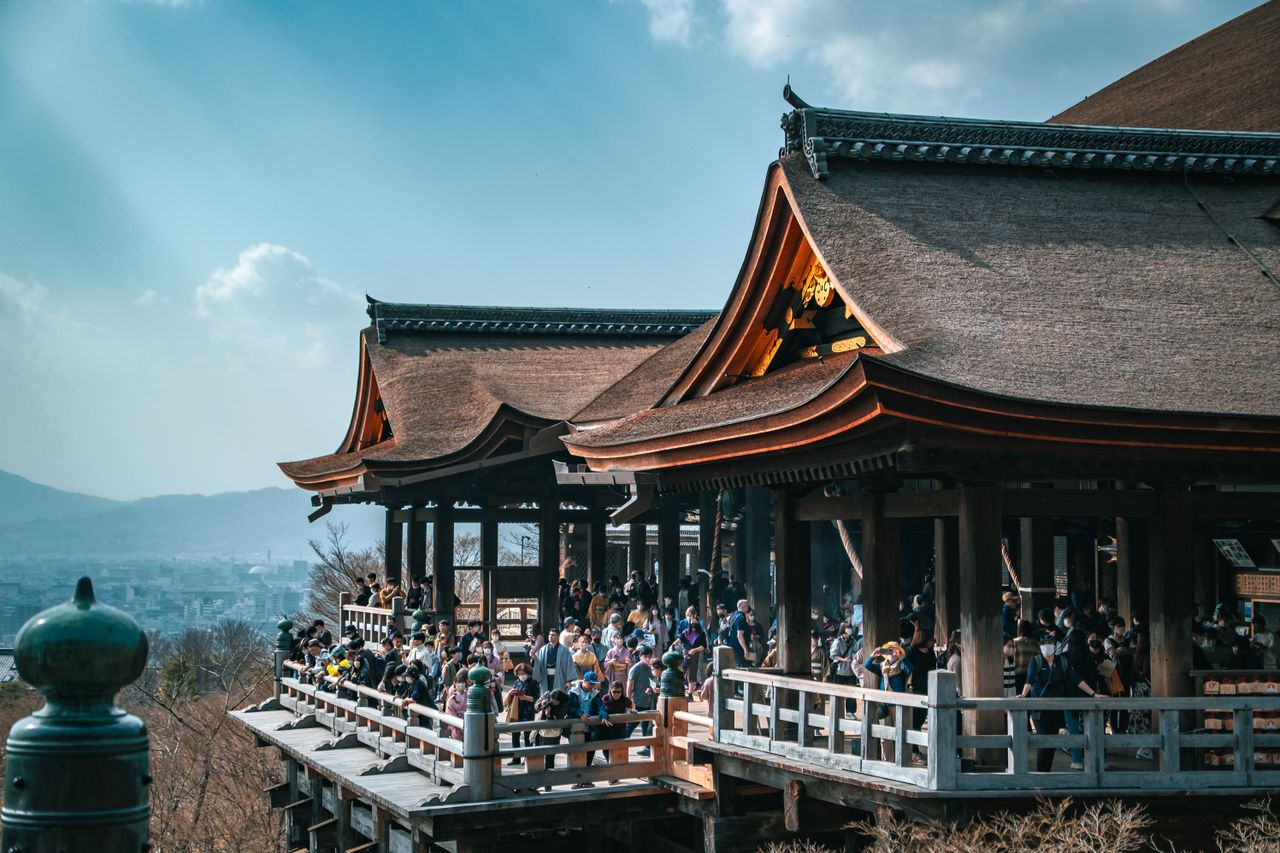
Japan has spent the past few years becoming one of the world’s hottest travel destinations. From the neon streets of Tokyo and historic temples of Kyoto to Mount Fuji, cherry blossoms, and world-famous cuisine, Japan has attracted record numbers of international visitors.
However, the country’s tourism recovery has encountered a new challenge in 2026: foreign visitor numbers have declined slightly, largely because of a sharp drop in travelers from China.
While Japan remains highly popular among tourists from many regions, changing travel patterns, economic conditions, and geopolitical factors are reshaping the country’s inbound tourism landscape.
A Small Decline After Years of Rapid Growth
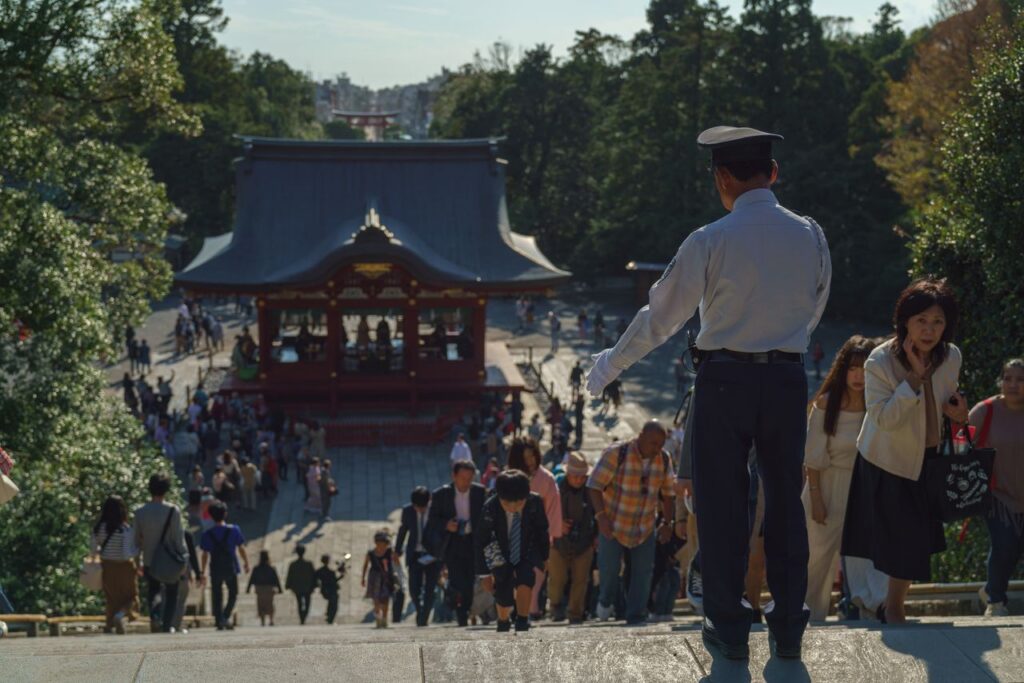
Japan’s tourism industry experienced a dramatic rebound after international travel restrictions were lifted.
Millions of travelers returned to Japan, attracted by:
- A weaker Japanese yen making travel more affordable
- Strong global interest in Japanese culture
- Growing popularity of anime, manga, and gaming tourism
- Demand for authentic food experiences
- Increased international flight capacity
However, the first half of 2026 showed a different trend. Foreign visitor arrivals declined by approximately 2% compared with the same period a year earlier, marking a rare slowdown after several years of rapid expansion.
The decline was not caused by a broad loss of interest in Japan. Instead, it was heavily influenced by changes in one of Japan’s largest tourism markets: China.
The Decline of Chinese Tourists
Before the pandemic, Chinese visitors represented one of Japan’s most valuable tourism groups.
Chinese travelers were known for:
- Large group tours
- Shopping spending
- Luxury purchases
- Hotel stays
- Visits to major cities and attractions
However, Chinese arrivals have struggled to fully recover compared with other markets.
Several factors contributed to the decline:
Economic Pressure in China
China’s slower economic growth has affected consumer confidence.
Many Chinese households have become more cautious about overseas travel expenses, especially for long-distance vacations.
Changing Travel Preferences
Younger Chinese travelers increasingly prefer:
- Independent travel
- Shorter trips
- Domestic tourism
- Alternative destinations
The traditional large tour-group model has weakened significantly.
Currency and Cost Considerations
Although the yen remains relatively attractive for many foreign visitors, Japan is no longer viewed as an extremely cheap destination by all travelers.
Rising hotel prices, crowded attractions, and higher travel costs have influenced decisions.
Diplomatic and Political Factors
Japan-China relations occasionally influence travel sentiment.
Issues including regional security concerns, historical disputes, and diplomatic tensions can affect consumer confidence and tourism behavior.
Japan’s Tourism Industry Is Becoming More Diverse
Although Chinese arrivals declined, Japan has benefited from strong growth from other regions.
Tourists from countries such as:
- The United States
- South Korea
- Taiwan
- Southeast Asian nations
- Australia
- Europe
have continued showing strong interest in visiting Japan.
This diversification has helped reduce Japan’s dependence on a single tourism market.
Before the pandemic, China represented a significant share of Japan’s inbound tourism revenue. Today, Japan is actively encouraging visitors from a wider range of countries.
Why Japan Remains a Top Global Travel Destination
Despite the recent slowdown, Japan continues to have enormous tourism appeal.
Cultural Attractions
Japan offers a unique combination of:
- Ancient temples
- Traditional festivals
- Samurai history
- Tea ceremonies
- Shrines
- Historic villages
Visitors are attracted by the contrast between centuries-old traditions and modern technology.
Food Tourism
Japanese cuisine remains one of the strongest tourism drivers.
Popular experiences include:
- Sushi restaurants
- Ramen shops
- Wagyu beef dining
- Regional specialties
- Michelin-starred restaurants
- Street food markets
Food has become a major reason travelers choose Japan.
Pop Culture Influence
Japan’s entertainment exports continue attracting younger visitors.
Global popularity of:
- Anime
- Manga
- Video games
- J-pop
- Japanese fashion
has created new forms of tourism, including anime location visits and gaming-related travel.
Natural Beauty
Japan’s seasonal attractions remain powerful tourism magnets:
- Cherry blossoms in spring
- Summer festivals
- Autumn foliage
- Winter skiing
- Hot spring resorts
The Problem of Overtourism
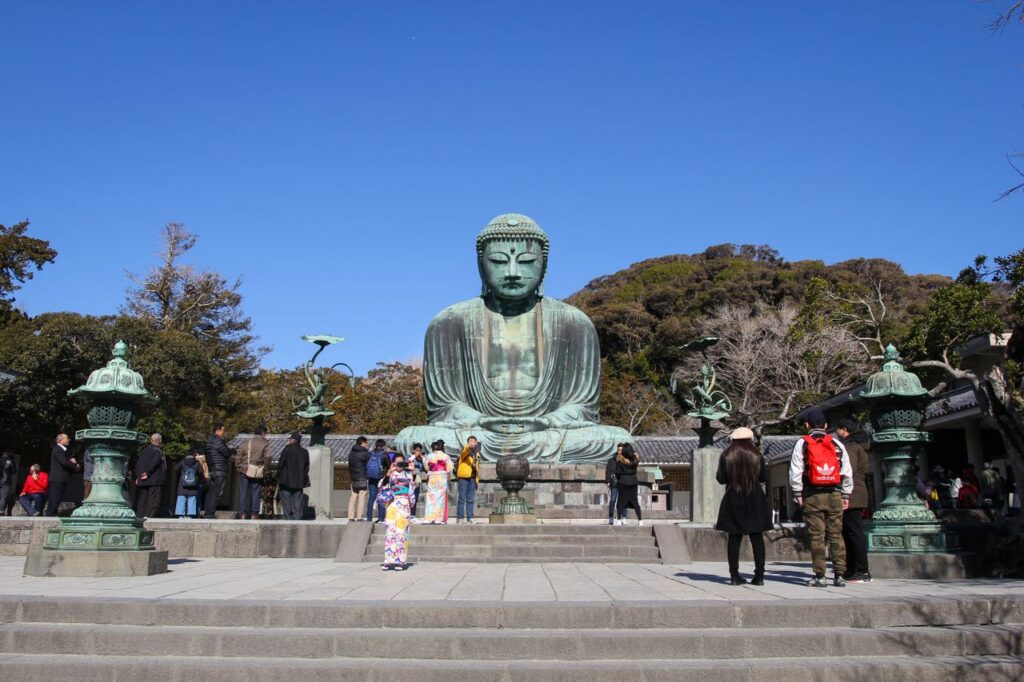
Japan’s tourism success has created another challenge: overcrowding.
Popular destinations have experienced pressure from large visitor numbers.
Examples include:
Kyoto
Historic neighborhoods have struggled with:
- Crowded streets
- Tourist behavior issues
- Pressure on local residents
Mount Fuji
Some areas have introduced restrictions to manage visitor numbers and protect the environment.
Rural Destinations
Small towns that became famous through social media have sometimes struggled to handle sudden increases in tourists.
Japan is now focusing not only on attracting more visitors but also on encouraging better distribution across regions.
Japan’s Strategy for the Next Tourism Era
The Japanese government and tourism industry are shifting from a focus on visitor numbers alone toward higher-value tourism.
Future strategies include:
Promoting Regional Travel
Instead of concentrating visitors in Tokyo, Kyoto, and Osaka, Japan wants travelers to explore:
- Rural villages
- Lesser-known islands
- Mountain regions
- Local cultural areas
Encouraging Longer Stays
Japan hopes to increase tourism spending by encouraging visitors to stay longer rather than simply increasing arrival numbers.
Expanding Luxury Tourism
Japan is investing in:
- Luxury resorts
- Premium experiences
- Private cultural tours
- High-end dining
The goal is attracting travelers who contribute more economic value.
Improving Infrastructure
Japan continues improving:
- Airport connections
- Multilingual services
- Digital travel tools
- Transportation access
The Impact on Businesses
Tourism changes affect many industries.
Businesses influenced by foreign visitor trends include:
- Hotels
- Airlines
- Restaurants
- Retail stores
- Department stores
- Transportation companies
- Tour operators
Luxury retailers in major cities have traditionally benefited from Chinese tourist spending, particularly in cosmetics, fashion, electronics, and luxury goods.
A weaker Chinese tourism market means businesses must attract a broader international customer base.
The Future of Japan Tourism
The decline in foreign visitors during the first half of 2026 does not necessarily indicate a long-term tourism crisis.
Instead, it reflects a transition period.
Japan’s tourism industry is moving from a model heavily influenced by a few major markets toward a more balanced global approach.
The future success of Japanese tourism will depend on:
- Market diversification
- Sustainable tourism management
- Regional development
- Better visitor experiences
- Maintaining cultural authenticity
Japan remains one of the world’s most desirable travel destinations, but the next phase of growth will require adapting to a changing global travel environment.
Frequently Asked Questions (FAQs)
1. Why did foreign visitors to Japan decline in 2026?
The decline was mainly caused by fewer visitors from China. Economic concerns, changing travel habits, and other regional factors contributed to reduced Chinese tourism demand.
2. Is Japan becoming less popular with international tourists?
No. Japan remains extremely popular among travelers worldwide. The decline reflects changes in visitor markets rather than a broad loss of interest.
3. Why are Chinese tourists important to Japan’s tourism industry?
Chinese visitors have historically been among Japan’s biggest tourism sources, contributing significantly through hotel stays, shopping, dining, and entertainment spending.
4. Which countries are still sending many tourists to Japan?
Strong visitor demand continues from countries and regions including South Korea, the United States, Taiwan, Southeast Asia, Australia, and Europe.
5. How is Japan responding to changes in tourism trends?
Japan is focusing on attracting more diverse visitors, promoting lesser-known destinations, encouraging longer stays, developing sustainable tourism, and expanding higher-value travel experiences.
Sources Japan Today

