
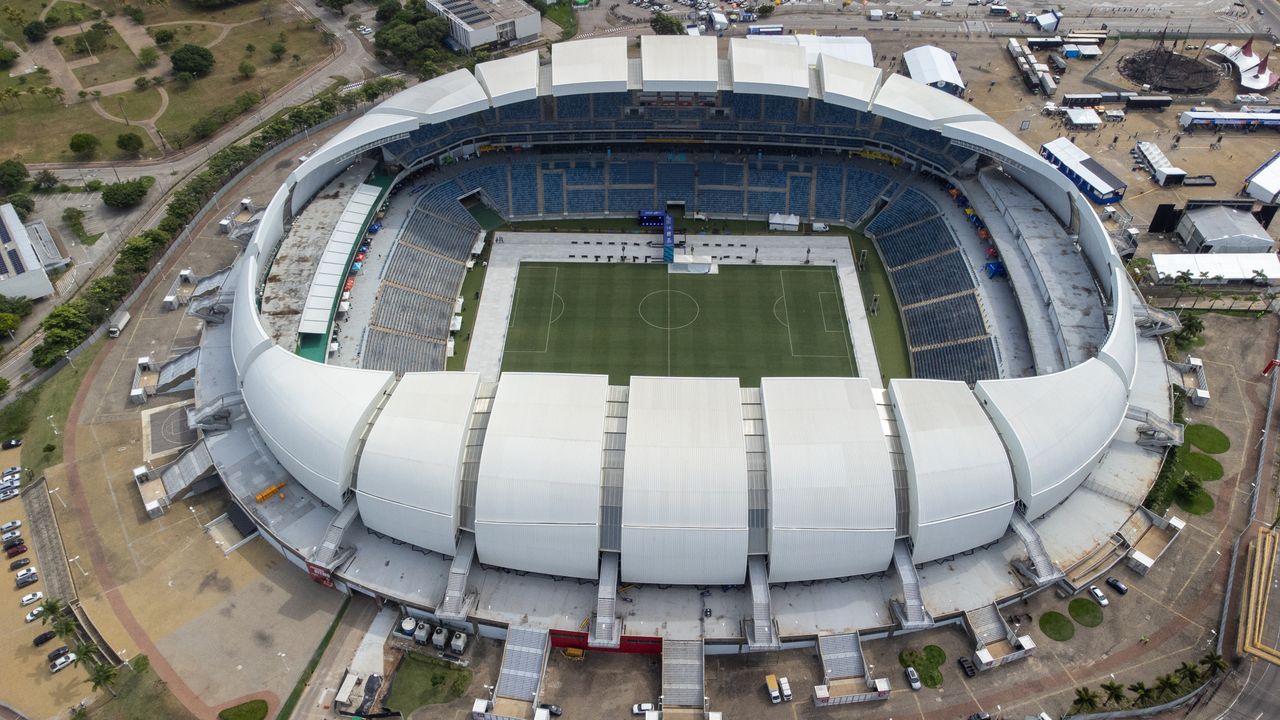
When the FIFA World Cup comes to town, the spotlight naturally falls on the matches, star players, and packed stadiums. Yet one of the tournament’s biggest success stories often unfolds away from the pitch—in neighborhoods where homeowners, local businesses, and communities welcome visitors from around the world.
In cities across North Texas, including McKinney, the 2026 FIFA World Cup has generated a surge in demand for short-term accommodations. Airbnb hosts, vacation rental owners, restaurants, transportation providers, and local retailers are all benefiting from the influx of international travelers eager to experience one of the world’s largest sporting events.
The impact extends well beyond a few weeks of football. It creates new economic opportunities, encourages infrastructure improvements, and introduces local communities to a global audience.
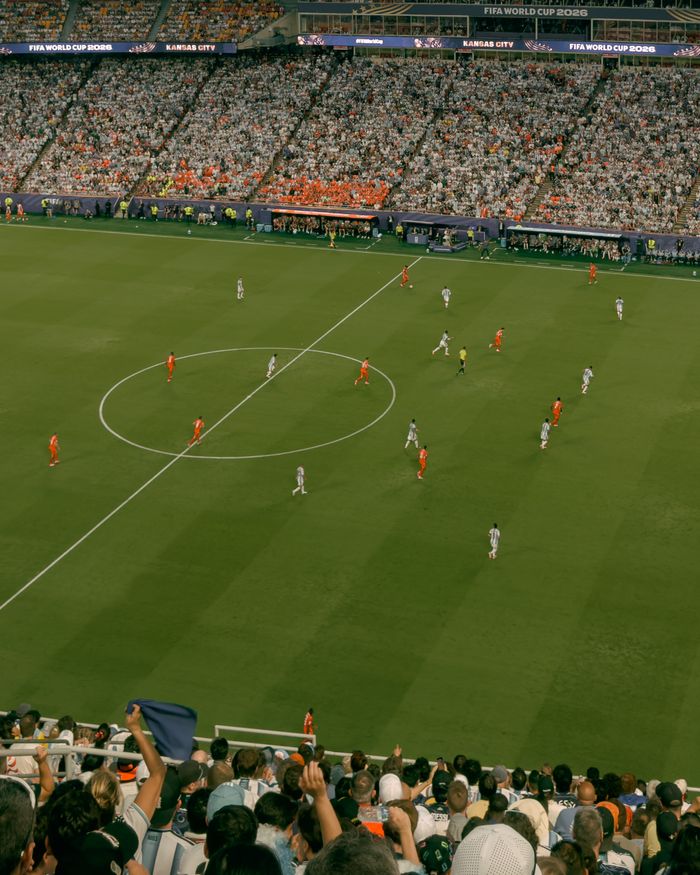
Why Major Sporting Events Drive Tourism
The FIFA World Cup is the most-watched sporting event on the planet, attracting millions of visitors and billions of television viewers.
Unlike many other sporting competitions, the World Cup encourages fans to travel long distances and stay for several days—or even weeks—as they follow their national teams throughout the tournament.
Visitors spend money on:
- Accommodation
- Restaurants and cafés
- Transportation
- Shopping
- Entertainment
- Local attractions
- Cultural experiences
This spending creates a ripple effect that benefits businesses of all sizes.
Airbnb Hosts See Increased Demand
One of the biggest beneficiaries of tournament tourism is the short-term rental market.
Hotels often reach full capacity during major international events, encouraging visitors to explore alternatives such as Airbnb and vacation rentals.
Many travelers choose short-term rentals because they offer:
- More space for families and groups
- Kitchens for preparing meals
- Residential neighborhoods
- Lower costs for longer stays
- Flexible check-in options
- A more local travel experience
For homeowners, hosting during the World Cup can provide a significant boost in income, especially if their properties are located near stadiums, transportation hubs, or popular tourist destinations.
Economic Benefits Spread Throughout the Community
The financial impact of international visitors extends far beyond accommodation providers.
Local businesses benefiting from tournament tourism include:
- Restaurants
- Coffee shops
- Grocery stores
- Ride-sharing services
- Taxi operators
- Retail stores
- Museums
- Tour companies
- Gas stations
- Entertainment venues
Even businesses with no direct connection to football often experience increased customer traffic during major sporting events.
Why Visitors Explore Beyond Match Venues
Today’s travelers are interested in much more than attending games.
Many fans extend their trips to explore nearby attractions and experience local culture.
Popular activities include:
- Visiting museums
- Shopping districts
- Historic downtown areas
- Local parks
- Food festivals
- Breweries and wineries
- Live music venues
- Outdoor recreation
Communities located outside host cities can also benefit when visitors choose quieter and more affordable places to stay while making day trips to stadiums.
Technology Is Transforming Event Travel
Modern travel planning has become increasingly digital.
Visitors now rely on:
- Online booking platforms
- Mobile navigation apps
- Digital tickets
- Translation apps
- AI travel assistants
- Contactless payments
These technologies make it easier for international travelers to navigate unfamiliar destinations and discover local businesses.
Hosts also benefit from smart pricing tools, automated guest communication, and digital property management systems that help maximize occupancy during peak travel periods.

Infrastructure Improvements Leave a Lasting Legacy
Major sporting events often encourage cities to invest in long-term improvements.
These may include:
- Expanded public transportation
- Road upgrades
- Airport improvements
- Enhanced pedestrian areas
- New hotels
- Improved public spaces
- Better digital connectivity
Although these projects are designed to accommodate tournament visitors, local residents continue benefiting long after the event concludes.
Opportunities for Small Businesses
The World Cup creates valuable opportunities for entrepreneurs.
Small businesses can attract international customers by offering:
- Local food specialties
- Cultural experiences
- Guided tours
- Handmade crafts
- Transportation services
- Event-themed merchandise
For many businesses, the tournament provides exposure to customers who may later return as tourists or recommend the destination to others.
Challenges of Hosting Large Numbers of Visitors
While increased tourism brings economic benefits, it also presents challenges.
Communities may experience:
Higher Accommodation Prices
Strong demand often leads to rising hotel and rental rates.
Increased Traffic
Road congestion and crowded public transportation can affect both visitors and residents.
Pressure on Public Services
Police, sanitation, healthcare, and transportation systems often require additional resources during large events.
Neighborhood Concerns
Some residents express concerns about noise, parking, and the growth of short-term rentals in residential areas.
Balancing tourism growth with community well-being remains an important priority.
Sustainable Tourism During Major Events
Cities are increasingly encouraging environmentally responsible travel.
Recommended practices include:
- Using public transportation
- Supporting local businesses
- Reducing waste
- Conserving water
- Respecting neighborhoods
- Choosing eco-friendly accommodations
Many accommodation providers are also adopting energy-efficient appliances, recycling programs, and environmentally conscious cleaning practices.
The Long-Term Tourism Effect
One of the greatest benefits of hosting a global sporting event is the lasting increase in destination awareness.
Visitors who enjoy their experience often return for future vacations.
Positive media coverage can continue attracting tourists for years after the tournament ends.
Communities that successfully welcome international visitors frequently experience:
- Increased future tourism
- Higher international recognition
- Greater business investment
- Improved local infrastructure
- Expanded hospitality industries
The World Cup serves as both a sporting event and a global marketing campaign for host regions.
Preparing for the Next Generation of Sports Tourism
Future international sporting events are expected to become even more connected through technology.
Emerging innovations include:
- AI-powered travel planning
- Smart city navigation
- Digital visitor guides
- Personalized tourism recommendations
- Real-time crowd management
- Augmented reality visitor experiences
These technologies will help improve visitor experiences while enabling cities to manage large crowds more efficiently.
More Than a Game
The FIFA World Cup is much more than a football tournament.
It is an economic engine that creates opportunities for homeowners, entrepreneurs, hospitality businesses, and entire communities.
For Airbnb hosts in places like McKinney, the tournament demonstrates how global events can generate meaningful local benefits. Increased bookings provide additional income, while visitors contribute to restaurants, retailers, transportation providers, and countless other businesses.
As cities continue preparing for future international events, the lessons learned from the World Cup highlight the importance of community involvement, sustainable tourism, and creating memorable experiences that inspire visitors to return long after the final whistle.
Frequently Asked Questions (FAQs)
1. Why do Airbnb bookings increase during the FIFA World Cup?
Hotels often reach full capacity during the tournament, leading many visitors to choose short-term rentals that offer more space, flexibility, and a more local experience.
2. How does the World Cup benefit local economies?
Visitor spending supports hotels, vacation rentals, restaurants, transportation providers, retailers, entertainment venues, and many other local businesses, creating widespread economic activity.
3. Do only host cities benefit from World Cup tourism?
No. Nearby cities and towns often see increased demand for accommodations and local services as visitors stay outside major host cities while traveling to matches.
4. What challenges do communities face during major sporting events?
Common challenges include higher accommodation prices, traffic congestion, pressure on public services, increased waste, and concerns about the impact of short-term rentals on residential neighborhoods.
5. Does the tourism impact end after the tournament?
Not necessarily. Successful hosting can increase a destination’s global visibility, encourage repeat visits, attract future events, and leave lasting improvements in infrastructure and tourism development.

Sources CBS News

