
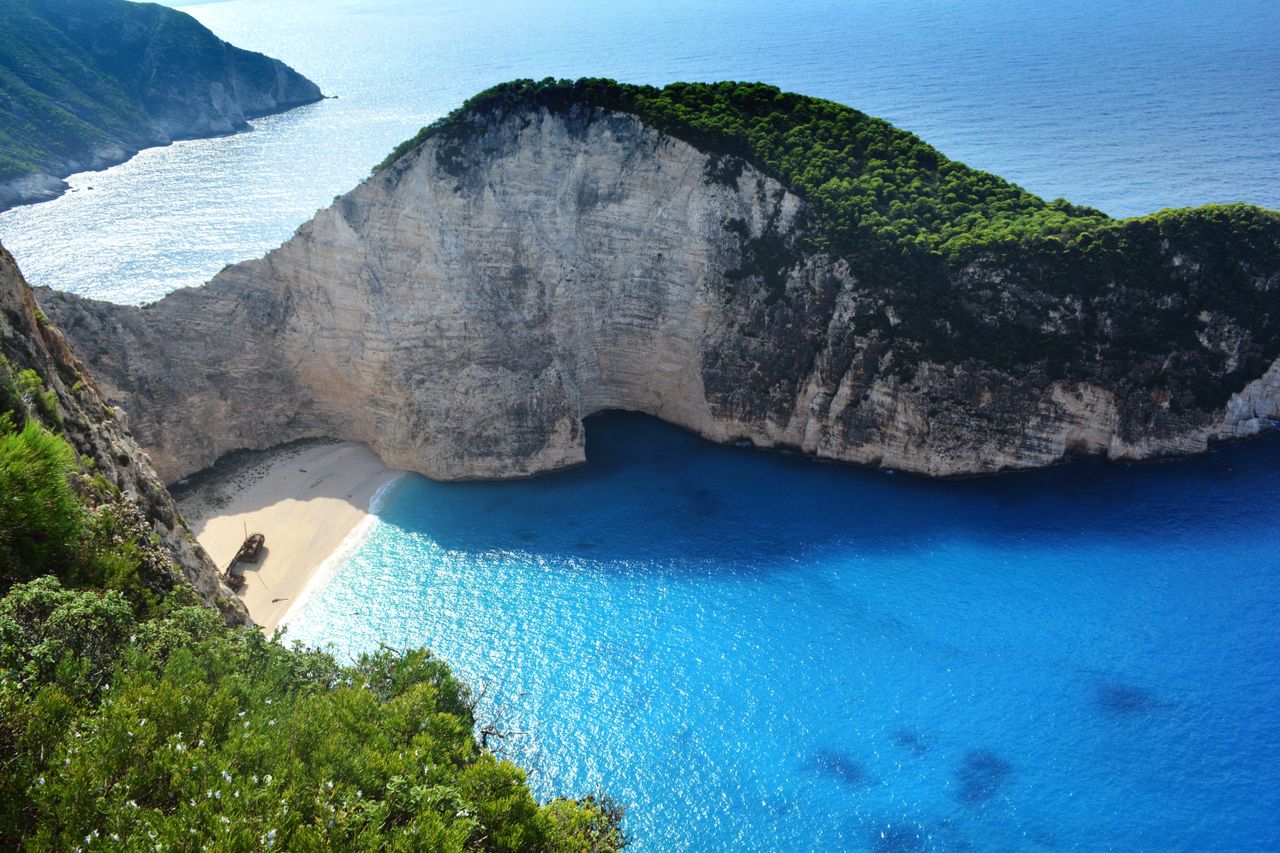
When people dream of a Greek beach vacation, iconic destinations like Santorini, Mykonos, and Navagio Beach often come to mind. While these world-famous spots offer stunning scenery, they also attract millions of visitors every year, especially during the summer season.
Fortunately, Greece is home to more than 6,000 islands and islets, with thousands of kilometers of coastline, meaning there are still countless tranquil beaches waiting to be discovered. From secluded coves accessible only by boat to untouched stretches of sand hidden behind coastal trails, these lesser-known destinations offer travelers a chance to experience the natural beauty of Greece without the crowds.
If you’re looking for crystal-clear waters, dramatic landscapes, and a slower pace of travel, these hidden Greek beaches deserve a place on your itinerary.

Why Travelers Are Seeking Quieter Beaches
In recent years, many travelers have shifted away from heavily visited tourist hotspots in favor of more peaceful and authentic experiences.
Several factors are driving this trend:
- Overtourism at famous destinations
- Rising accommodation prices
- A desire for nature-focused travel
- Better work-life balance through slower tourism
- Social media fatigue from overcrowded attractions
- Increased interest in sustainable travel
Rather than competing for space on packed beaches, more visitors are choosing destinations where they can relax, swim, and appreciate the Mediterranean landscape in peace.
Hidden Greek Beaches Worth Exploring
1. Seitan Limania, Crete


Nestled between steep limestone cliffs on the Akrotiri Peninsula, Seitan Limania is famous for its striking turquoise waters and dramatic scenery.
Although its popularity has grown in recent years, visiting early in the morning or during the shoulder seasons can still provide a quieter experience.
Highlights include:
- Crystal-clear water
- Excellent snorkeling
- Dramatic cliff views
- Unique fjord-like landscape
2. Kedrodasos Beach, Crete


Located near the famous Elafonissi area, Kedrodasos remains surprisingly peaceful.
Protected cedar trees provide natural shade, while soft sand and shallow waters create an ideal setting for relaxation.
The beach has very limited facilities, making it attractive to travelers seeking a more natural experience.
3. Fteri Beach, Kefalonia


Accessible by hiking trail or boat, Fteri Beach rewards visitors with pristine white pebbles and remarkably clear Ionian Sea waters.
Its remote location naturally limits visitor numbers.
Perfect for:
- Swimming
- Photography
- Snorkeling
- Peaceful picnics
4. Voutoumi Beach, Antipaxos


Often compared to Caribbean beaches, Voutoumi features brilliant blue water and lush green hills.
Although popular with boat tours during midday, mornings and late afternoons remain relatively quiet.
5. Agios Pavlos Beach, Rhodes


Situated near Lindos but often overshadowed by larger beaches, Agios Pavlos combines calm waters with spectacular historical surroundings.
Visitors can easily combine beach time with exploring ancient Lindos.
6. Livadaki Beach, Samos


This sheltered bay offers calm turquoise waters ideal for families and paddleboarding.
Despite its beauty, it remains less crowded than many beaches found on Greece’s more famous islands.
7. Agios Ioannis Beach, Gavdos


Located on Greece’s southernmost inhabited island, Agios Ioannis offers one of the country’s most remote beach experiences.
Its untouched dunes, clear water, and peaceful atmosphere attract travelers seeking complete relaxation.
Beyond the Beach: Exploring Local Culture
One of the advantages of visiting quieter coastal areas is the opportunity to experience authentic Greek life.
Nearby villages often feature:
- Family-owned tavernas
- Traditional fishing harbors
- Local olive oil producers
- Artisan craft shops
- Historic churches
- Seasonal festivals
Supporting locally owned businesses helps distribute tourism income more evenly across communities.
Best Time to Visit
The busiest period for Greek beaches typically falls between July and August.
Travelers looking for fewer crowds should consider visiting during:
- May
- Early June
- September
- Early October
During these months, visitors often enjoy:
- Pleasant temperatures
- Lower accommodation costs
- Easier transportation
- Less crowded beaches
- Better availability at restaurants
The Mediterranean Sea also remains warm enough for swimming well into autumn.
Tips for Visiting Secluded Beaches
Remote beaches often have limited facilities.
Before visiting, consider bringing:
- Drinking water
- Snacks
- Reef-safe sunscreen
- Sun protection
- Comfortable walking shoes
- Snorkeling equipment
- Trash bags to carry out waste
Mobile phone coverage may also be limited in certain coastal areas.
Sustainable Beach Tourism
Preserving Greece’s natural coastline requires responsible travel.
Visitors can help by:
- Avoiding litter
- Respecting wildlife
- Staying on marked trails
- Using reusable water bottles
- Supporting local businesses
- Avoiding damage to sand dunes
- Following local conservation rules
Many secluded beaches remain beautiful precisely because they have experienced limited development.
Responsible tourism helps keep them that way.
Why Greece Continues to Captivate Travelers
Beyond its beaches, Greece offers a remarkable blend of history, cuisine, culture, and landscapes.
Travelers can combine coastal relaxation with visits to:
- Ancient archaeological sites
- Byzantine monasteries
- Traditional mountain villages
- Vineyards
- Island-hopping adventures
- National parks
This diversity makes Greece one of Europe’s most rewarding travel destinations.
The Future of Coastal Tourism
As travelers increasingly prioritize authentic and sustainable experiences, demand for lesser-known destinations is expected to grow.
Rather than concentrating visitors in a handful of iconic locations, tourism experts encourage exploring smaller islands and quieter coastal communities.
This approach benefits both travelers and local residents by reducing pressure on overcrowded destinations while spreading economic opportunities more widely.
Finding Your Own Piece of Paradise
The true magic of Greece is not limited to its famous postcards.
Hidden across its islands are peaceful beaches where turquoise waters meet rugged cliffs, cedar forests, and quiet fishing villages. These destinations remind travelers that the most memorable experiences are often found away from the busiest tourist routes.
Whether you’re seeking solitude, adventure, snorkeling, photography, or simply a relaxing day beside the Mediterranean Sea, Greece’s lesser-known beaches offer an unforgettable escape from the crowds.
Frequently Asked Questions (FAQs)
1. When is the best time to visit Greece for quieter beaches?
The best times are typically May, June, September, and early October, when the weather is warm, the sea is pleasant for swimming, and tourist crowds are much smaller than during the peak summer season.
2. Are Greece’s hidden beaches difficult to reach?
Some secluded beaches require short hikes, boat rides, or drives along narrow roads, but many are accessible with basic planning and offer rewarding scenery.
3. What should I bring to remote beaches?
Essentials include drinking water, snacks, sunscreen, a hat, comfortable footwear, snorkeling gear, and a bag to carry out any trash, as facilities may be limited.
4. Are these quieter beaches suitable for families?
Many are family-friendly, especially those with calm, shallow waters. However, some remote beaches with steep access trails may be better suited for experienced hikers or adventurous travelers.
5. How can travelers help protect Greece’s natural beaches?
Visitors can practice responsible tourism by avoiding litter, respecting wildlife, staying on designated paths, supporting local businesses, and following any environmental guidelines established for protected coastal areas.
Sources The Washington Post

