
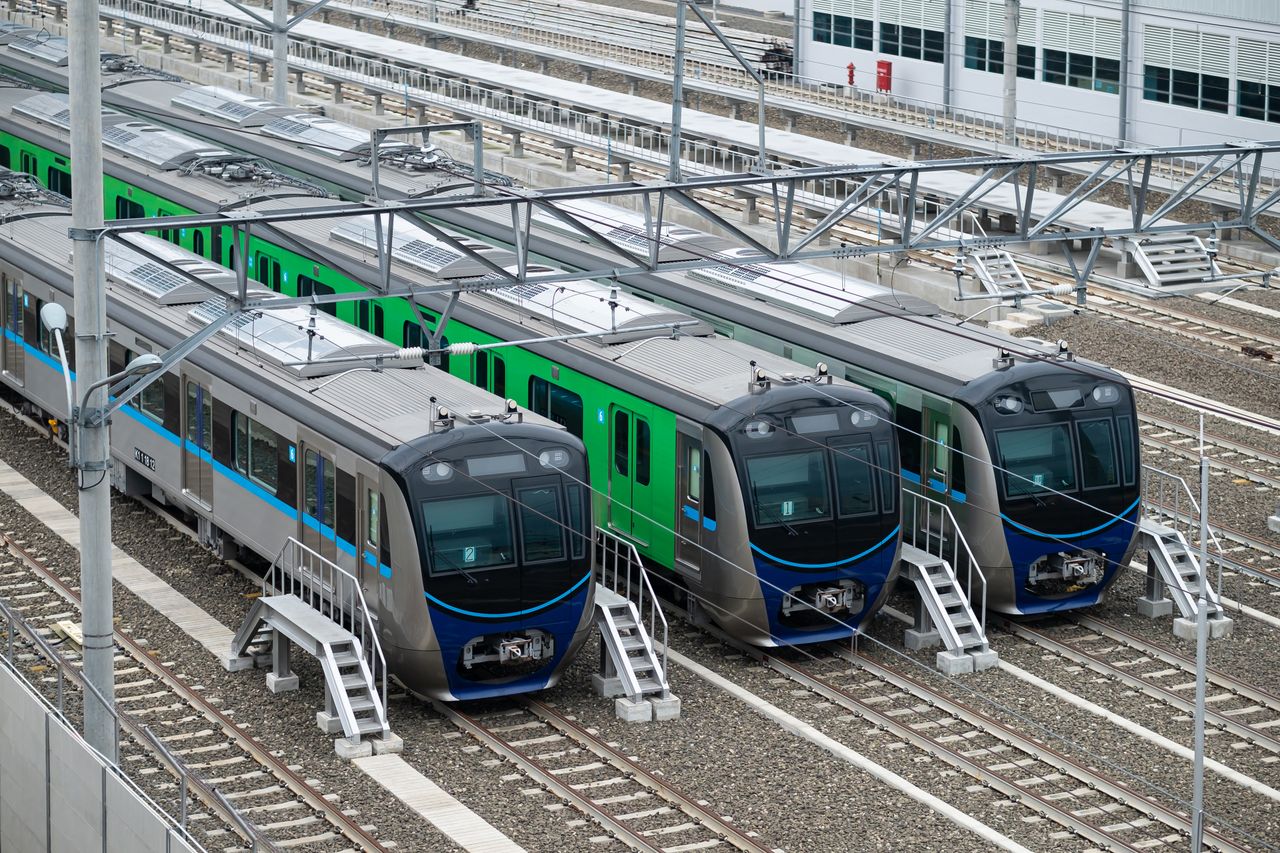
India is taking another significant step toward cleaner transportation with the development of hydrogen-powered trains. As one of the world’s largest railway networks seeks to reduce carbon emissions while meeting growing transportation demands, hydrogen fuel cell technology has emerged as a promising alternative to traditional diesel-powered locomotives.
The introduction of hydrogen trains is part of India’s broader clean energy strategy, which aims to modernize infrastructure, improve energy security, and reduce dependence on fossil fuels. While battery-electric and fully electrified rail systems continue to expand, hydrogen-powered trains offer a practical solution for railway routes where full electrification may not yet be economically or technically feasible.
If successful, India’s hydrogen rail program could influence railway modernization efforts across Asia and other emerging economies.

Why Indian Railways Matters
Indian Railways is among the largest railway systems in the world.
Its network includes:
- More than 68,000 kilometers (42,000+ miles) of rail routes
- Thousands of passenger and freight trains operating daily
- Millions of passengers traveling every day
- Extensive connections between major cities and rural communities
The railway system plays a critical role in India’s economy by transporting people, agricultural products, raw materials, manufactured goods, and industrial equipment.
Because of its scale, even modest improvements in efficiency or emissions can have a substantial environmental impact.
What Is a Hydrogen Train?
Unlike conventional diesel locomotives that burn fossil fuel, hydrogen trains generate electricity onboard through hydrogen fuel cells.
The process works as follows:
- Hydrogen is stored in high-pressure tanks.
- Hydrogen enters a fuel cell.
- Oxygen from the surrounding air reacts with hydrogen.
- The fuel cell produces electricity.
- Electric motors power the train’s wheels.
- The primary byproducts are water vapor and heat rather than carbon dioxide from combustion.
This allows hydrogen trains to operate with significantly lower local emissions compared with diesel-powered trains.
Why Hydrogen Instead of Diesel?
Diesel trains have served railways reliably for decades but contribute to:
- Carbon dioxide emissions
- Nitrogen oxide pollution
- Particulate matter
- Noise pollution
- Fuel import dependence
Hydrogen-powered trains offer several potential advantages:
- Reduced greenhouse gas emissions
- Quieter operation
- Better air quality around stations
- Less dependence on imported fossil fuels
- Compatibility with existing non-electrified rail routes
When hydrogen is produced using renewable electricity—often called green hydrogen—the overall environmental benefits can be even greater.
Why Not Electrify Every Railway?
Electrification remains one of the cleanest and most efficient long-term solutions for rail transport.
However, installing overhead electric lines requires significant investment in:
- Power infrastructure
- Transmission systems
- Substations
- Track modifications
- Maintenance
For remote or lower-traffic routes, hydrogen trains may offer a more economical alternative by avoiding the need for extensive new electrical infrastructure.
This flexibility makes hydrogen technology particularly attractive for large countries with diverse railway networks.
India’s Clean Energy Ambitions
Hydrogen trains are part of a wider effort to transition toward cleaner energy.
India has invested heavily in:
- Solar power
- Wind energy
- Green hydrogen production
- Battery storage
- Electric mobility
- Renewable energy infrastructure
The government has also introduced policies to encourage domestic hydrogen production, aiming to position India as a major player in the global hydrogen economy.
Developing local hydrogen production can support both transportation and industrial sectors such as steel, fertilizer manufacturing, and chemicals.

The Technology Behind Hydrogen Fuel Cells
Fuel cells differ from traditional combustion engines.
Instead of burning fuel, they convert chemical energy directly into electricity through an electrochemical reaction.
Major components include:
- Hydrogen storage tanks
- Fuel cell stacks
- Power electronics
- Electric traction motors
- Battery systems for energy buffering
- Control systems
Many hydrogen trains also incorporate batteries that store energy recovered during braking, improving overall efficiency.
Global Interest in Hydrogen Rail
India is not alone in exploring hydrogen-powered railways.
Several countries have launched pilot projects or commercial services, including:
- Germany
- France
- Italy
- Austria
- China
- Japan
- South Korea
- The United Kingdom
These projects provide valuable operational experience regarding fuel efficiency, maintenance, infrastructure requirements, and long-term costs.
As hydrogen technology matures, international collaboration may accelerate further innovation.
Infrastructure Challenges
Despite its promise, hydrogen rail technology requires significant supporting infrastructure.
Essential investments include:
- Hydrogen production facilities
- Refueling stations
- Storage systems
- Safety monitoring
- Maintenance equipment
- Staff training
Building this ecosystem requires cooperation among railway operators, energy companies, equipment manufacturers, and government agencies.
Safety Considerations
Hydrogen is highly flammable, making safety a top priority.
Modern hydrogen systems incorporate multiple layers of protection, including:
- Leak detection sensors
- Pressure relief systems
- Reinforced storage tanks
- Automatic shutdown mechanisms
- Fire-resistant materials
- Continuous monitoring systems
Hydrogen has been safely used for decades in industrial applications, but railway operations require rigorous engineering standards and operational procedures.
Economic Opportunities
Hydrogen rail development may stimulate new industries.
Potential benefits include:
- Manufacturing jobs
- Engineering research
- Fuel production
- Infrastructure construction
- Equipment maintenance
- Export opportunities
As global demand for clean transportation grows, countries developing hydrogen expertise may gain competitive advantages in emerging markets.
Environmental Benefits and Limitations
Hydrogen trains can significantly reduce emissions during operation, but their overall environmental impact depends on how the hydrogen is produced.
There are several production methods:
Green Hydrogen
Produced using renewable electricity through electrolysis.
Lowest carbon emissions.
Blue Hydrogen
Produced from natural gas with carbon capture technologies.
Lower emissions than conventional methods but still relies on fossil fuels.
Gray Hydrogen
Produced from natural gas without carbon capture.
Higher carbon emissions and fewer environmental benefits.
Expanding green hydrogen production is considered essential for maximizing climate benefits.
The Future of Rail Transportation
Hydrogen is likely to become one of several technologies shaping the future of rail.
Different railway systems may adopt different solutions based on geography and operational needs:
- Fully electrified rail
- Battery-electric trains
- Hydrogen-powered trains
- Hybrid systems
Rather than competing, these technologies may complement one another.
The most effective solution will depend on route length, passenger demand, infrastructure costs, and local energy resources.

A New Direction for Sustainable Rail
India’s hydrogen train initiative represents more than a technological milestone—it reflects a broader commitment to cleaner transportation and energy innovation.
While challenges remain, including infrastructure investment, hydrogen production, and long-term economics, the project demonstrates how large railway systems can explore alternatives to fossil fuels without waiting for complete electrification.
If successfully implemented and supported by renewable hydrogen production, hydrogen-powered trains could help reduce emissions, improve air quality, strengthen energy security, and modernize rail transportation for future generations.
As countries around the world seek practical pathways toward net-zero emissions, India’s investment in hydrogen rail may become an important example of how innovation and sustainability can move forward on the same track.
Frequently Asked Questions (FAQs)
1. How do hydrogen-powered trains work?
Hydrogen trains use fuel cells to convert hydrogen and oxygen into electricity, which powers electric motors. The main byproducts of this process are water vapor and heat.
2. Why is India investing in hydrogen trains?
India aims to reduce emissions, improve energy security, modernize its railway network, and provide a cleaner alternative for routes where full electrification is not practical.
3. Are hydrogen trains better than diesel trains?
Hydrogen trains generally produce far fewer local emissions, operate more quietly, and can improve air quality. Their overall environmental benefit depends on whether the hydrogen is produced using low-carbon methods such as renewable-powered electrolysis.
4. Is hydrogen fuel safe for railway transportation?
Yes, when designed and operated according to strict engineering standards. Modern hydrogen trains include advanced safety systems such as leak detection, reinforced storage tanks, pressure controls, and automatic shutdown mechanisms.
5. Will hydrogen replace electric trains?
Not entirely. Hydrogen-powered trains are expected to complement electrified rail systems by serving routes where installing overhead power lines is difficult or too costly, while fully electrified rail will remain the preferred solution for many high-traffic corridors.

Sources AP News

