
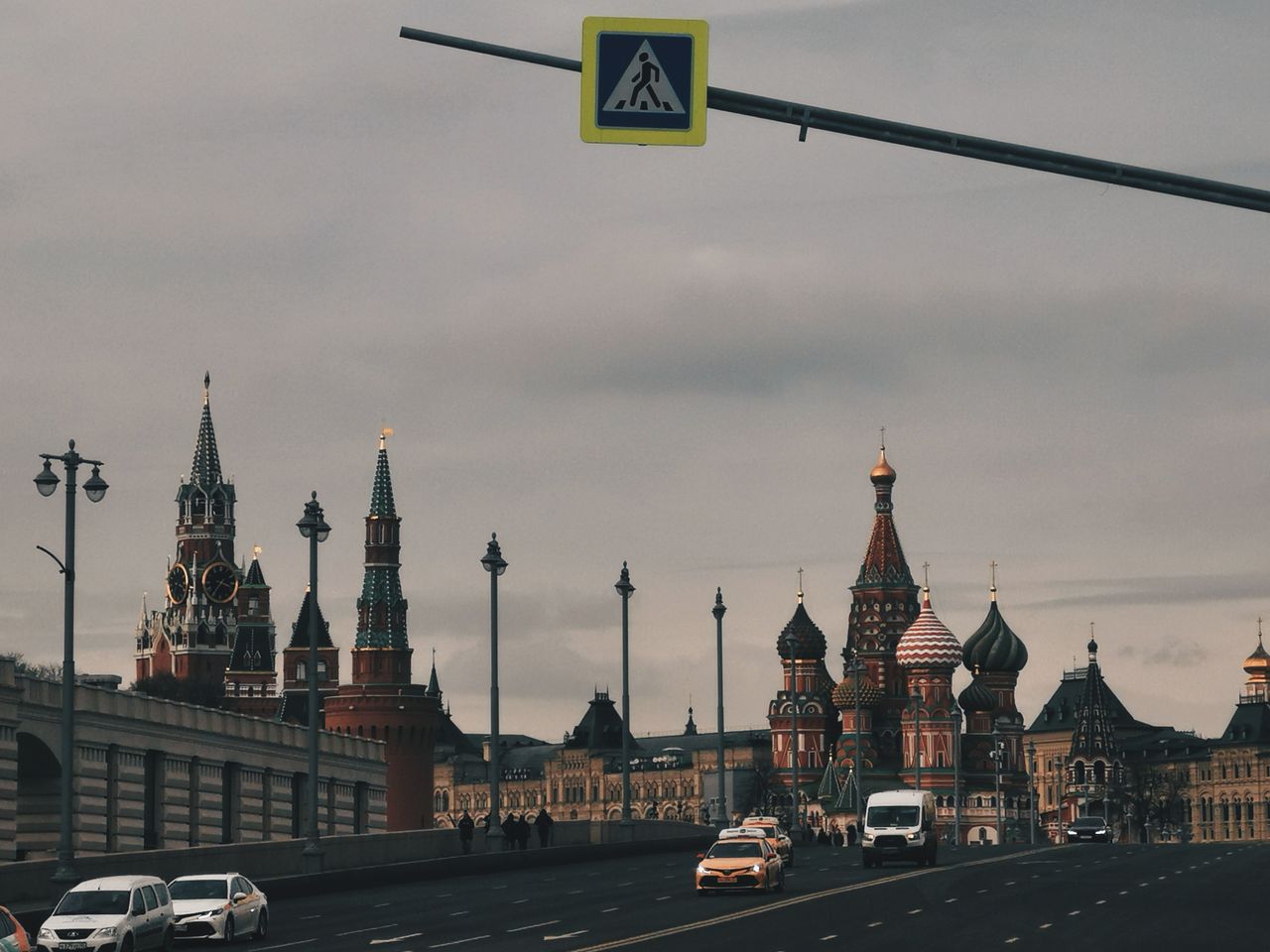
Russia has extended its visa-free travel arrangement for eligible Chinese tourist groups, reinforcing efforts to strengthen tourism, economic cooperation, and people-to-people exchanges between the two neighboring countries. The move reflects a broader strategy to encourage international visitors, support the tourism industry, and deepen bilateral ties following years of disruptions to global travel.
China has long been one of Russia’s most important inbound tourism markets. Before the COVID-19 pandemic, organized tour groups from China contributed significantly to hotel bookings, retail sales, restaurants, transportation services, and cultural attractions in major cities such as Moscow and St. Petersburg, as well as in Russia’s Far East.
The continuation of visa-free group travel is expected to encourage more visitors while highlighting the growing role of tourism in international economic and cultural cooperation.

Understanding Visa-Free Group Travel
Visa-free travel does not necessarily mean that every traveler can enter a country without documentation.
In many bilateral agreements, the exemption applies only to organized tour groups that meet specific requirements, such as:
- Traveling through approved tour operators
- Meeting minimum group-size requirements
- Following approved itineraries
- Staying within specified travel periods
- Entering through designated border checkpoints
Individual travelers who are not part of qualifying tours may still need to apply for a visa, depending on the applicable immigration rules.
These programs are designed to simplify travel while maintaining border management and security procedures.
Why Chinese Tourists Matter
China has become one of the world’s largest sources of outbound tourism.
Chinese travelers contribute significantly to global tourism spending on:
- Accommodation
- Shopping
- Dining
- Entertainment
- Transportation
- Cultural attractions
For destinations that attract large numbers of Chinese visitors, tourism can support thousands of jobs across multiple industries.
Russia has historically benefited from this demand, particularly in cities known for their cultural heritage, museums, historic architecture, and luxury shopping districts.
Economic Benefits for Russia
An increase in international visitors can generate broad economic benefits.
Tourism spending supports sectors including:
- Hotels
- Restaurants
- Retail stores
- Museums
- Tour operators
- Airlines
- Rail services
- Local transportation
Small businesses also benefit when visitors purchase local products, souvenirs, and regional experiences.
In many cities, tourism revenue contributes to broader economic development and urban revitalization.
Strengthening Bilateral Relations
Tourism often plays a role beyond economics.
People-to-people exchanges can strengthen international relationships by encouraging:
- Cultural understanding
- Educational exchanges
- Business networking
- Language learning
- Academic cooperation
Regular travel between neighboring countries can create opportunities for long-term partnerships across multiple sectors.
Popular Destinations for Chinese Visitors
Russia offers a wide variety of attractions for international tourists.
Among the most visited destinations are:
Moscow
The capital is known for:
- Red Square
- The Kremlin
- Historic cathedrals
- Museums
- Shopping districts
- Modern cultural venues
St. Petersburg
Often called Russia’s cultural capital, the city features:
- The Hermitage Museum
- Historic palaces
- Canals
- Classical architecture
- Performing arts
Russian Far East
Regions near the Chinese border continue expanding tourism through easier transportation links and cross-border cooperation.

The Importance of Tourism Recovery
International tourism experienced significant disruption during the COVID-19 pandemic.
Many countries have since introduced measures to encourage visitors, including:
- Simplified visa procedures
- Digital visas
- Expanded flight connections
- Tourism marketing campaigns
- Bilateral travel agreements
Visa facilitation can reduce administrative barriers that discourage leisure travel.
Technology Is Changing International Travel
Modern tourism increasingly depends on digital services.
International travelers often use:
- Mobile payment platforms
- Translation apps
- Digital maps
- Online booking systems
- Electronic travel documents
- AI-powered travel assistants
Destinations hoping to attract more international visitors are increasingly adapting services to support multiple languages and payment methods.
Infrastructure Matters
Successfully welcoming larger numbers of tourists requires ongoing investment.
Important areas include:
- Airports
- Rail transportation
- Hotels
- Public transit
- Tourist information centers
- Multilingual signage
- Internet connectivity
Providing convenient services can improve visitor satisfaction and encourage repeat travel.
Challenges to Consider
While visa facilitation offers many benefits, several challenges remain.
These include:
Managing Tourist Numbers
Popular attractions may experience congestion during peak travel periods.
Language Barriers
Expanding multilingual services improves accessibility for international visitors.
Regional Development
Tourism growth should extend beyond major cities to support smaller destinations.
Sustainable Tourism
Increasing visitor numbers should be balanced with environmental protection and cultural preservation.
Tourism as an Economic Strategy
Around the world, governments increasingly recognize tourism as an important driver of economic growth.
Tourism can generate:
- Employment
- Foreign currency earnings
- Infrastructure investment
- Regional development
- International business opportunities
Visa policies are one of many tools countries use to remain competitive in the global travel market.
Looking Ahead
The future of international tourism will likely involve a combination of:
- Digital visa systems
- Biometric border controls
- AI-assisted travel planning
- Multilingual visitor services
- Sustainable tourism practices
- Expanded regional cooperation
Countries that make travel more convenient while maintaining security standards may become increasingly attractive destinations.
More Than Easier Travel
Extending visa-free travel for eligible Chinese tourist groups is about more than simplifying border procedures.
It reflects the growing importance of tourism as a bridge between economies, cultures, and people.
For Russia, attracting more international visitors can support local businesses, strengthen cultural exchanges, and contribute to broader economic activity.
For Chinese travelers, easier access provides additional opportunities to explore Russia’s rich history, architecture, museums, natural landscapes, and cultural heritage.
As international tourism continues recovering and evolving, agreements that encourage responsible, well-managed travel may play an increasingly important role in fostering regional cooperation and mutual understanding.
Frequently Asked Questions (FAQs)
1. Does visa-free travel apply to all Chinese citizens visiting Russia?
Not necessarily. Many visa-free arrangements apply only to organized tourist groups that meet specific eligibility requirements under bilateral agreements. Individual travelers may still need to obtain a visa depending on current immigration rules.
2. Why are Chinese tourists important to Russia’s tourism industry?
Chinese visitors have historically been one of Russia’s largest sources of international tourism, supporting hotels, restaurants, retailers, transportation providers, museums, and other tourism-related businesses.
3. What are the advantages of visa-free group travel?
Visa-free group travel can simplify travel planning, reduce administrative requirements, encourage tourism growth, and strengthen cultural and economic exchanges between participating countries.
4. Which Russian destinations are most popular with international tourists?
Moscow and St. Petersburg remain the country’s leading tourist destinations, while regions in Russia’s Far East are also developing cross-border tourism opportunities.
5. How is technology improving international tourism?
Digital tools such as online booking platforms, translation apps, electronic travel documents, mobile payment systems, and AI-powered travel assistants are making international travel more convenient and accessible for visitors worldwide.

Sources The Moscow Times

