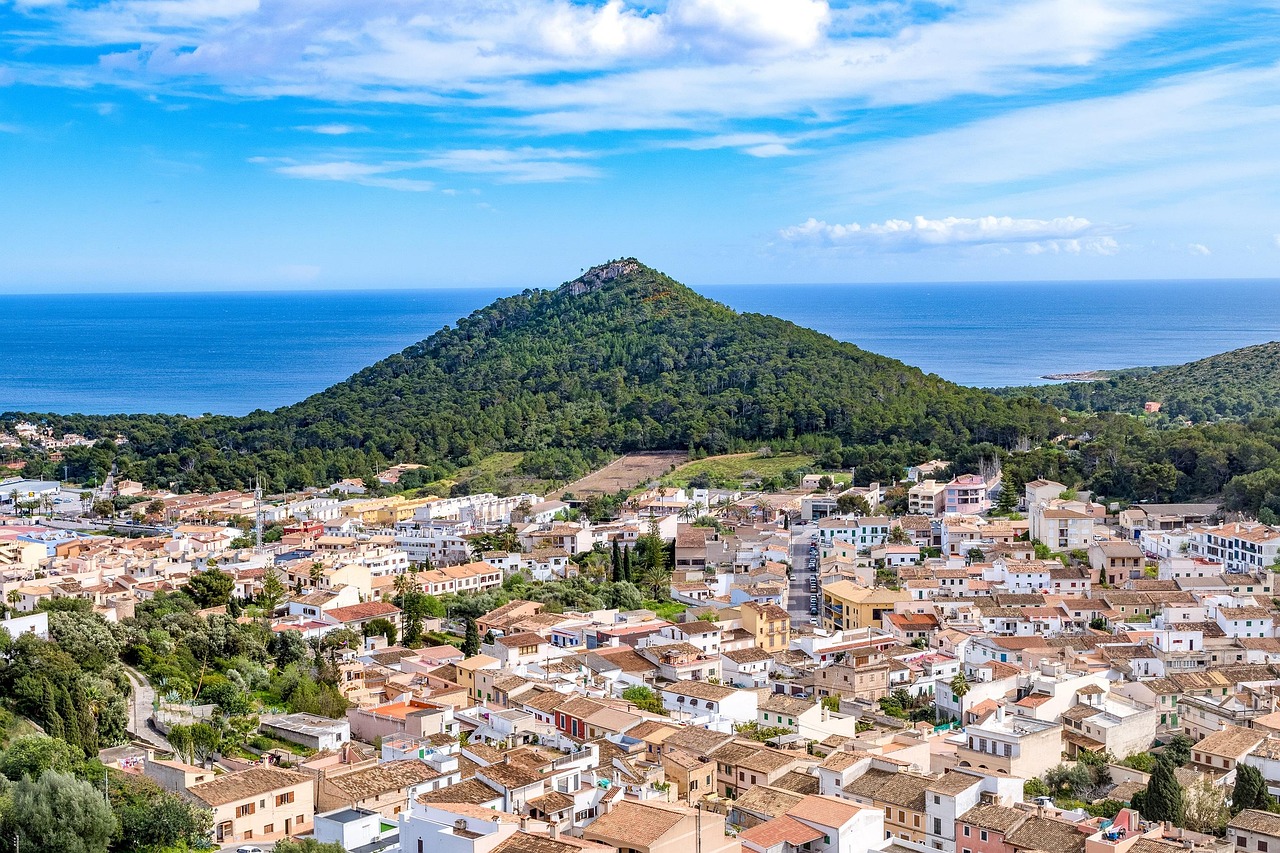
Mallorca has long been one of Europe’s most iconic holiday destinations. Known for its crystal-clear Mediterranean waters, picturesque mountain villages, historic towns, and vibrant nightlife, the Spanish island welcomes millions of visitors each year. Tourism has transformed Mallorca into an international travel hotspot and remains the backbone of its economy.
Yet the very success that made Mallorca famous has also created mounting challenges. In recent years, growing numbers of residents have voiced concerns about overcrowding, rising housing costs, environmental degradation, and increasing pressure on public services. Record demonstrations against mass tourism have brought international attention to these issues, highlighting a debate that extends far beyond one island.
Mallorca’s experience reflects a global conversation about overtourism—how destinations can continue welcoming visitors while protecting local communities, preserving natural resources, and maintaining a high quality of life.

Why Mallorca Became One of Europe’s Most Popular Destinations
Mallorca, the largest of Spain’s Balearic Islands, has attracted visitors for decades because of its combination of natural beauty, accessibility, and diverse attractions.
Popular highlights include:
- Beautiful Mediterranean beaches
- The Serra de Tramuntana mountain range
- Historic Palma Cathedral
- Traditional villages
- Cycling routes
- Hiking trails
- Luxury resorts
- Local cuisine and wine
Its extensive airport connections and well-developed tourism infrastructure have made Mallorca one of Europe’s easiest island destinations to reach.
What Is Mass Tourism?
Mass tourism refers to large numbers of visitors traveling to the same destination, often during concentrated seasonal periods.
While it generates employment and economic growth, it can also produce unintended consequences when visitor numbers exceed a destination’s capacity.
Common impacts include:
- Congested public spaces
- Long traffic delays
- Increased waste
- Pressure on water resources
- Damage to natural habitats
- Crowded beaches
- Higher housing costs
- Increased noise pollution
The challenge lies in balancing economic benefits with environmental and social sustainability.

Why Residents Are Protesting
Many Mallorcans emphasize that they are not opposed to tourism itself. Instead, they argue that the current scale of tourism has become difficult to manage.
Their concerns often focus on several interconnected issues.
Housing Affordability
The rapid expansion of vacation rentals has reduced the supply of long-term housing in some areas.
This can contribute to:
- Rising rents
- Higher property prices
- Difficulty for local workers to live near their jobs
- Population shifts away from city centers
Housing has become one of the most visible symbols of overtourism across many popular destinations.
Environmental Pressure
Mallorca has limited natural resources.
Large seasonal visitor populations increase demand for:
- Fresh water
- Electricity
- Waste management
- Public transportation
- Coastal infrastructure
Protecting beaches, forests, and marine ecosystems becomes increasingly important as visitor numbers grow.
Seasonal Congestion
Peak summer months can bring millions of visitors within a relatively short period.
Residents may experience:
- Heavy traffic
- Crowded public transportation
- Longer waiting times
- Limited parking
- Overcrowded public spaces
These conditions affect both visitors and local communities.
Tourism Remains Essential to Mallorca
Despite the criticism, tourism remains central to the island’s economy.
It supports thousands of jobs across industries such as:
- Hotels
- Restaurants
- Retail
- Transportation
- Entertainment
- Construction
- Agriculture
- Tour operations
Many families depend directly or indirectly on tourism income.
This creates a complex situation where tourism is both economically vital and socially challenging.

The Rise of Overtourism Worldwide
Mallorca is not alone.
Many globally recognized destinations have introduced policies to manage growing visitor numbers.
Examples include:
- Venice limiting large cruise ships
- Barcelona regulating short-term rentals
- Amsterdam discouraging certain forms of party tourism
- Kyoto addressing crowd management at cultural sites
- Dubrovnik managing cruise passenger arrivals
These cities are increasingly focused on improving sustainability rather than maximizing visitor numbers.
Short-Term Rentals and Housing
The growth of online accommodation platforms has transformed tourism worldwide.
While short-term rentals create income opportunities for property owners, they may also:
- Reduce long-term housing availability
- Increase neighborhood prices
- Change residential communities
- Increase seasonal population fluctuations
Governments increasingly use licensing systems, rental limits, and zoning regulations to balance tourism with housing needs.
Sustainable Tourism Is Becoming the New Standard
Many destinations are shifting toward tourism strategies that prioritize long-term sustainability.
These strategies often include:
- Visitor caps
- Tourist taxes
- Protected natural areas
- Better public transportation
- Heritage conservation
- Community participation
- Responsible tourism campaigns
Rather than attracting the maximum number of visitors, planners increasingly focus on improving the quality of tourism.
How Technology Helps Manage Tourism
Smart tourism technologies are becoming more common.
Examples include:
- AI-powered crowd forecasting
- Mobile visitor apps
- Digital reservation systems
- Real-time traffic monitoring
- Smart parking
- Environmental monitoring sensors
These tools help authorities distribute visitors more evenly across destinations and throughout the year.
What Responsible Travelers Can Do
Visitors can help reduce tourism pressures through thoughtful choices.
Good practices include:
- Traveling outside peak season
- Supporting local businesses
- Respecting residential neighborhoods
- Conserving water
- Using public transportation
- Following environmental guidelines
- Choosing licensed accommodations
- Exploring lesser-known attractions
Responsible tourism benefits both visitors and host communities.
Economic Diversification Matters
One lesson from Mallorca is the importance of reducing dependence on a single industry.
Many experts recommend strengthening sectors such as:
- Technology
- Renewable energy
- Education
- Agriculture
- Creative industries
- Marine research
A more diversified economy provides greater resilience during changes in tourism demand.

Climate Change Adds New Challenges
Climate change is creating additional pressures for Mediterranean destinations.
Potential impacts include:
- Hotter summers
- Water shortages
- Coastal erosion
- Wildfire risks
- Biodiversity loss
Sustainable tourism planning increasingly incorporates climate adaptation strategies to protect both residents and visitors.
The Future of Tourism in Mallorca
The future is unlikely to involve ending tourism. Instead, policymakers, businesses, and communities are exploring ways to improve its long-term sustainability.
Possible developments include:
- Stricter accommodation regulations
- Expanded public transportation
- Greater investment in environmental protection
- Encouraging year-round tourism
- Higher visitor contributions for conservation
- Increased support for local businesses
These measures aim to preserve Mallorca’s natural beauty while maintaining tourism as a major economic engine.
Finding the Right Balance
Mallorca’s experience illustrates one of the defining challenges of modern tourism: success can create pressures that threaten the very qualities visitors come to enjoy.
The island’s protests are not simply about visitor numbers—they are about housing affordability, environmental stewardship, community well-being, and sustainable development. Similar conversations are taking place across Europe and beyond as destinations seek ways to protect their heritage and natural landscapes without undermining the economic benefits that tourism brings.
The future of tourism will likely depend on striking a careful balance. Travelers, businesses, governments, and local communities all share responsibility for ensuring that tourism supports prosperity while preserving the places that make travel meaningful. Mallorca’s story serves as both a warning and a model for destinations around the world striving to achieve that balance.
Frequently Asked Questions (FAQs)
1. Why are residents protesting against tourism in Mallorca?
Many residents are concerned about overcrowding, rising housing costs, environmental pressure, traffic congestion, and the impact of large visitor numbers on daily life.
2. Does Mallorca depend on tourism?
Yes. Tourism is one of the island’s primary economic sectors, supporting thousands of jobs in hospitality, transportation, retail, entertainment, and related industries.
3. What is overtourism?
Overtourism occurs when visitor numbers exceed a destination’s ability to manage them sustainably, leading to social, environmental, and infrastructure challenges.
4. How can tourists help reduce overtourism?
Travelers can visit during off-peak seasons, use licensed accommodations, support local businesses, respect local communities, conserve resources, and explore less crowded attractions.
5. What measures are destinations using to manage tourism?
Common approaches include tourist taxes, visitor caps, short-term rental regulations, improved public transportation, smart tourism technologies, environmental conservation programs, and sustainable tourism policies.

Sources DW