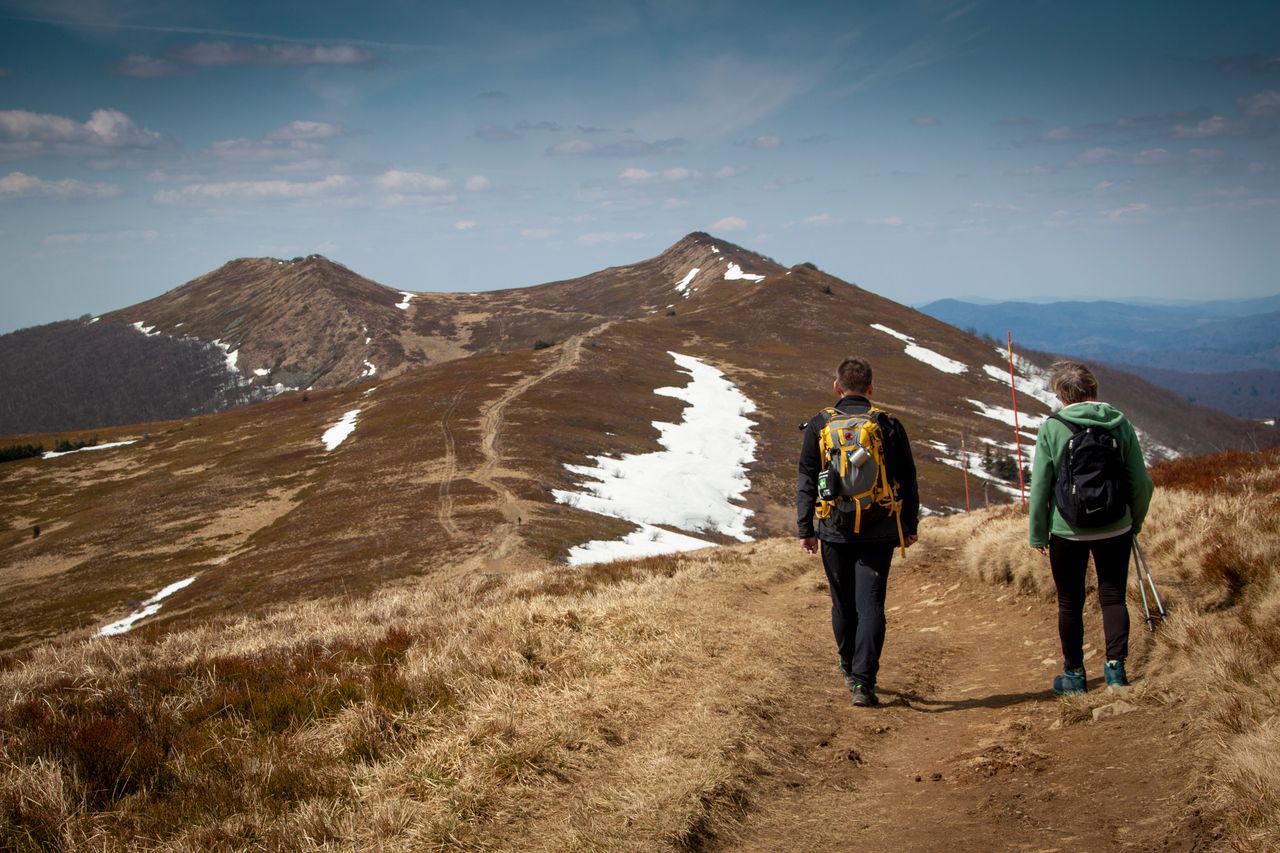
A breathtaking mountain viewpoint can go from a little-known local secret to an international tourist hotspot almost overnight. All it takes is one viral video, a trending hashtag, or a series of eye-catching photos on social media. As millions of travelers search for the perfect Instagram, TikTok, or Facebook post, “selfie tourism” has become one of the fastest-growing trends in modern travel.
While social media has inspired people to explore incredible landscapes and support local tourism economies, it has also created new challenges. Popular destinations are increasingly experiencing overcrowding, environmental degradation, traffic congestion, safety concerns, and conflicts between visitors and local residents. In many cases, online backlash follows as images of packed viewpoints replace the peaceful scenery that initially attracted travelers.
The debate surrounding selfie tourism highlights a broader question facing destinations worldwide: How can beautiful places remain accessible while protecting nature, local communities, and the visitor experience?

What Is Selfie Tourism?
Selfie tourism refers to traveling primarily to capture photographs or videos at famous or visually striking locations for sharing on social media platforms.
Unlike traditional sightseeing, the focus is often on creating memorable visual content rather than spending extended time learning about the destination’s history or culture.
Common selfie tourism locations include:
- Mountain viewpoints
- Waterfalls
- Flower fields
- Beaches
- Clifftops
- Historic landmarks
- Scenic roads
- Observation decks
Many destinations have become internationally recognized because of viral online content rather than traditional travel advertising.
The Power of Social Media
Platforms such as Instagram, TikTok, YouTube, and Facebook have dramatically changed how people choose travel destinations.
Instead of relying only on guidebooks or travel agencies, many travelers now discover places through:
- Short-form videos
- Influencer recommendations
- Travel bloggers
- User-generated photos
- Live streams
- Location hashtags
A single viral post can introduce millions of people to a previously little-known location within days.
Why Mountain Destinations Are Especially Vulnerable
Mountain viewpoints often offer dramatic scenery, making them highly attractive for photography.
However, many mountain destinations have limited infrastructure.
Common challenges include:
- Narrow access roads
- Small parking areas
- Limited public transportation
- Fragile ecosystems
- Steep hiking trails
- Limited restroom facilities
When visitor numbers suddenly surge, these locations may struggle to accommodate large crowds safely.
The Environmental Impact of Overcrowding
Large numbers of visitors can place significant stress on natural landscapes.
Potential environmental consequences include:
- Soil erosion
- Damaged vegetation
- Trail widening
- Wildlife disturbance
- Increased litter
- Water pollution
- Noise pollution
Even small actions, when repeated by thousands of visitors, can permanently alter sensitive ecosystems.

Safety Risks Associated With Selfie Tourism
Capturing the perfect photograph sometimes encourages risky behavior.
Authorities around the world have reported incidents involving visitors who:
- Stand too close to cliff edges
- Ignore safety barriers
- Enter restricted areas
- Block emergency access routes
- Distract themselves while walking
- Climb unstable rocks
Many parks have responded by installing warning signs, observation platforms, and designated photography areas.
How Viral Fame Changes Destinations
When a location becomes famous online, local communities often experience both benefits and challenges.
Positive Effects
- Increased tourism revenue
- More customers for local businesses
- New employment opportunities
- Greater international recognition
- Investment in infrastructure
Negative Effects
- Traffic congestion
- Rising maintenance costs
- Noise complaints
- Housing pressures
- Environmental degradation
- Loss of tranquility
Finding a balance between economic opportunity and community well-being is often difficult.
The Psychology Behind Selfie Tourism
Social media encourages people to document experiences visually.
Several psychological factors influence selfie tourism, including:
- Sharing memorable moments
- Building online identity
- Seeking social recognition
- Fear of missing out (FOMO)
- Collecting unique travel experiences
While these motivations are natural, they can unintentionally concentrate visitors at the same iconic viewpoints.
The Rise of Overtourism
Selfie tourism has become one contributor to the broader issue of overtourism.
Overtourism occurs when visitor numbers exceed a destination’s ability to manage them sustainably.
Consequences may include:
- Overcrowded attractions
- Longer wait times
- Increased pollution
- Pressure on local infrastructure
- Reduced visitor satisfaction
Many destinations now prioritize managing visitor flows rather than simply increasing tourist numbers.

Technology Can Be Part of the Solution
Modern technology is helping destinations better manage visitor demand.
Examples include:
- AI-powered crowd forecasting
- Mobile apps showing real-time congestion
- Online reservation systems
- Digital parking management
- Smart visitor information platforms
- GPS-guided alternative routes
These tools help distribute visitors more evenly across different times and locations.
Encouraging Responsible Photography
Travel experts increasingly encourage visitors to practice responsible photography.
Good habits include:
- Respecting safety barriers
- Staying on marked trails
- Avoiding damage to plants and wildlife
- Waiting patiently rather than pushing through crowds
- Keeping noise levels low
- Respecting private property
- Leaving no litter behind
A memorable photograph should never come at the expense of personal safety or environmental protection.
Discovering Lesser-Known Destinations
One effective way to reduce overcrowding is encouraging travelers to explore alternatives.
Hidden gems often provide:
- Smaller crowds
- More authentic experiences
- Better opportunities to interact with local communities
- Less environmental pressure
- Greater relaxation
Diversifying tourism also spreads economic benefits across wider regions instead of concentrating them in a handful of famous locations.
The Role of Influencers and Content Creators
Travel influencers increasingly recognize their responsibility when sharing destinations.
Many now:
- Promote responsible tourism practices
- Avoid revealing fragile locations
- Encourage off-season travel
- Highlight local culture instead of only photo opportunities
- Educate followers about environmental protection
Thoughtful content creation can inspire travel while helping preserve destinations.
Balancing Tourism and Conservation
Governments and park authorities are adopting various strategies to protect popular natural attractions.
These may include:
- Visitor quotas
- Timed entry systems
- Improved public transportation
- Expanded trail maintenance
- Conservation fees
- Educational campaigns
- Seasonal restrictions
The goal is not to discourage tourism but to ensure destinations remain enjoyable and environmentally healthy for future generations.
The Future of Scenic Travel
As social media continues to influence travel decisions, destinations will likely combine technology, sustainable tourism policies, and community involvement to manage visitor growth.
Emerging trends include:
- AI-powered travel planning
- Real-time crowd monitoring
- Eco-tourism experiences
- Virtual previews of destinations
- Personalized travel recommendations
- Sustainable destination certification
Travelers themselves will also play an increasingly important role by making informed, responsible choices.
Beyond the Perfect Photo
The most meaningful travel experiences often extend far beyond a single photograph.
While stunning mountain viewpoints and iconic landscapes deserve to be admired, they also deserve protection. Selfie tourism has demonstrated the remarkable power of social media to inspire exploration, but it has also revealed the need for more sustainable travel habits.
By respecting nature, supporting local communities, and looking beyond the most viral locations, travelers can help ensure that spectacular destinations remain beautiful for generations to come. After all, the true value of a journey lies not only in the picture we take home, but in the memories, understanding, and appreciation we gain along the way.
Frequently Asked Questions (FAQs)
1. What is selfie tourism?
Selfie tourism refers to traveling to destinations primarily to take and share photographs or videos on social media, often at famous landmarks or scenic locations.
2. Why has selfie tourism become so popular?
Social media platforms, influencers, and viral content have made visually striking destinations more accessible and desirable, encouraging travelers to visit and share their own experiences.
3. What problems can selfie tourism create?
It can contribute to overcrowding, environmental damage, traffic congestion, safety risks, and increased pressure on local communities and infrastructure if visitor numbers exceed a destination’s capacity.
4. How can travelers practice responsible selfie tourism?
Travelers should follow safety rules, stay on designated paths, respect wildlife and local communities, avoid damaging natural areas, and leave destinations clean for others to enjoy.
5. How are destinations managing the impact of selfie tourism?
Many destinations are introducing visitor management strategies such as timed entry, reservation systems, improved transportation, conservation fees, crowd-monitoring technology, and educational campaigns to promote sustainable tourism.

Sources Fox News