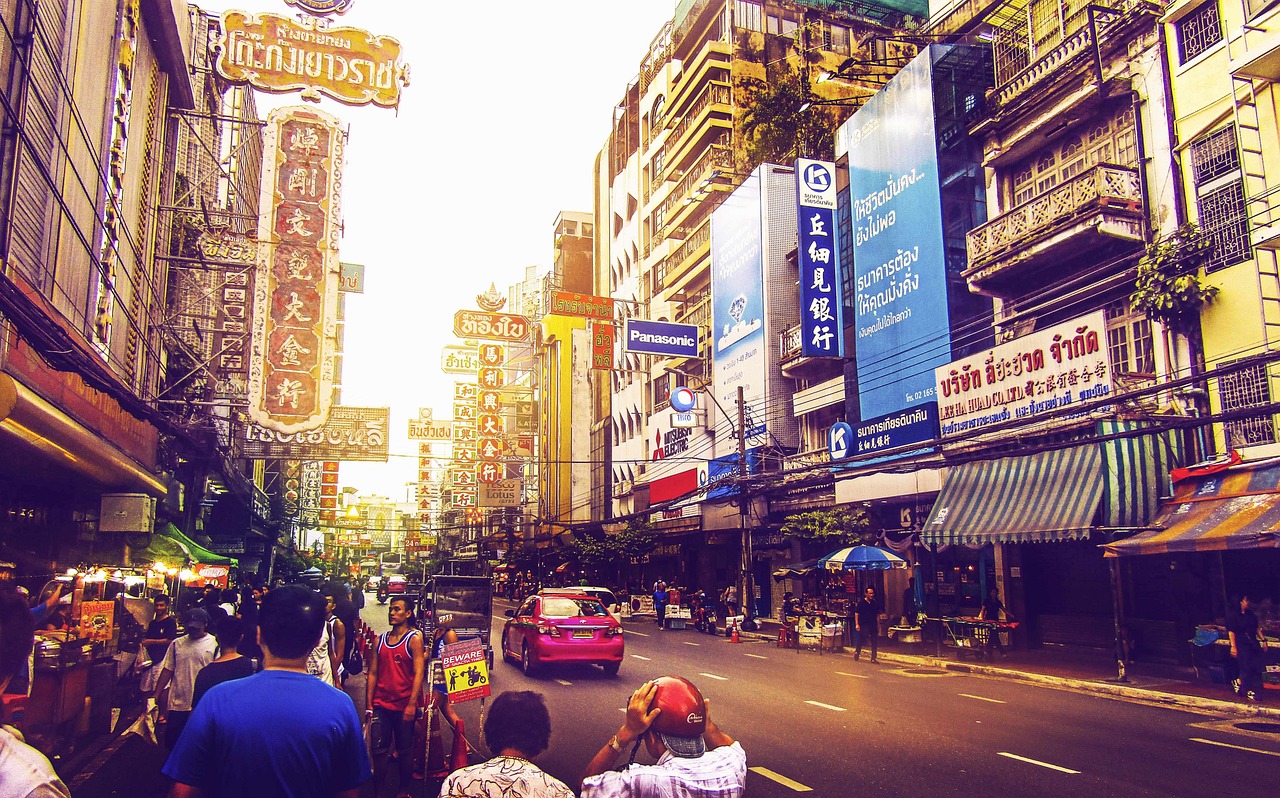
A conflict thousands of kilometers away can still reshape the travel plans of millions of people. The impact of geopolitical tensions in the Middle East, including concerns surrounding Iran and regional instability, has extended beyond the immediate conflict zone and created uncertainty for the global tourism industry.
Southeast Asia, one of the world’s fastest-growing travel regions, has become particularly sensitive to international disruptions. Although countries such as Thailand, Malaysia, Indonesia, Vietnam, and Singapore are geographically distant from the Middle East, tourism markets in the region are connected through global flight networks, energy prices, consumer confidence, and international travel patterns.
The latest concerns highlight a larger reality of modern tourism: travel is a global system, and events in one region can quickly influence destinations thousands of miles away.

Southeast Asia’s Tourism Recovery Faces New Uncertainty
After years of disruption caused by the COVID-19 pandemic, Southeast Asian countries have worked aggressively to rebuild their tourism industries.
Governments and businesses have invested heavily in:
- Restoring international flight connections
- Attracting foreign visitors
- Expanding tourism infrastructure
- Promoting cultural and nature-based travel
- Encouraging longer stays
Tourism has become a critical economic engine for many countries.
For example:
- Thailand relies heavily on international visitors for hotels, restaurants, transportation, and entertainment.
- Indonesia’s Bali remains one of the world’s most recognized holiday destinations.
- Malaysia promotes cultural tourism, eco-tourism, and business travel.
- Singapore serves as a major aviation and business hub.
However, geopolitical instability introduces new challenges just as many destinations are regaining momentum.
How Middle East Conflicts Influence Asian Tourism
At first glance, conflicts in the Middle East may seem unrelated to Southeast Asian travel. However, several indirect connections exist.
1. Flight Routes and Aviation Disruptions
The Middle East is one of the world’s most important aviation hubs.
Major airlines operate through airports in cities such as:
- Dubai
- Doha
- Abu Dhabi
- Istanbul
These hubs connect Asia with Europe, Africa, and the Middle East.
Regional conflicts can affect:
- Flight schedules
- Airspace availability
- Fuel consumption
- Ticket prices
- Passenger confidence
Even travelers who are not visiting conflict areas may experience changes in international flight operations.
Rising Fuel Costs and Travel Expenses
Energy markets are highly sensitive to geopolitical events.
Oil price increases can influence:
- Airline operating costs
- Aviation fuel prices
- Transportation expenses
- Package holiday prices
Higher travel costs may encourage consumers to choose:
- Shorter trips
- Domestic destinations
- Regional travel
- Budget accommodations
For tourism-dependent economies, changes in visitor spending can have significant effects.

Changing Traveler Behavior
International travelers often react to uncertainty by adjusting their plans.
During periods of geopolitical tension, tourists may:
- Delay bookings
- Purchase flexible tickets
- Avoid destinations perceived as risky
- Choose closer destinations
- Increase travel insurance purchases
Safety perception plays a major role in tourism decisions.
A destination does not need to be directly affected by conflict to experience reduced demand.
Southeast Asia’s Position as a Safe Alternative
Despite global uncertainty, Southeast Asia may also benefit from travelers looking for stable destinations.
Many visitors view the region as offering:
- Political stability
- Natural attractions
- Affordable travel options
- Cultural experiences
- Good hospitality infrastructure
Countries in Southeast Asia often attract travelers seeking alternatives when traditional destinations face uncertainty.
The Importance of Chinese and Regional Travelers
Southeast Asian tourism is strongly influenced by regional markets.
Important visitor groups include:
- Chinese tourists
- Japanese travelers
- South Korean visitors
- Indian travelers
- ASEAN regional tourists
Changes in international confidence can shift travel patterns among these groups.
A decline from one market may sometimes be balanced by growth from another.
Tourism Businesses Must Adapt
Hotels, airlines, and travel companies increasingly need to prepare for unpredictable global events.
Many businesses are focusing on:
Flexible Booking Policies
Travelers are more likely to book when cancellation and modification options are available.
Market Diversification
Destinations are reducing dependence on a single visitor group.
Digital Marketing
Tourism boards are using:
- Social media campaigns
- AI travel recommendations
- Online advertising
- Influencer partnerships
to reach travelers more effectively.
The Role of Travel Insurance
Periods of international uncertainty often increase interest in travel insurance.
Modern travelers increasingly look for coverage related to:
- Flight disruptions
- Medical emergencies
- Trip cancellations
- Political instability
- Unexpected delays
Insurance companies have also adapted policies as global risks become more complex.

Southeast Asia’s Economic Dependence on Tourism
Tourism contributes significantly to employment and economic activity.
The industry supports:
- Hotel workers
- Restaurant employees
- Tour guides
- Drivers
- Retail businesses
- Local artisans
- Entertainment providers
A decline in visitor spending can affect entire communities.
This is why governments closely monitor international events that could influence tourism demand.
Lessons From Previous Global Crises
The tourism industry has repeatedly experienced shocks caused by:
- Financial crises
- Health emergencies
- Natural disasters
- Terrorism
- Political conflicts
Previous disruptions have shown that successful destinations tend to share several characteristics:
- Strong domestic tourism markets
- Flexible businesses
- Effective crisis communication
- Diverse visitor sources
- Reliable infrastructure
Technology Is Changing Crisis Management
Tourism organizations increasingly use technology to respond quickly to global uncertainty.
Examples include:
- AI-powered travel forecasting
- Real-time flight monitoring
- Online visitor communication
- Digital tourism campaigns
- Data-driven demand analysis
These tools help governments and businesses make faster decisions.
Sustainable Tourism and Long-Term Resilience
Recent challenges have encouraged destinations to focus on sustainable tourism rather than unlimited growth.
Strategies include:
- Protecting natural resources
- Improving local infrastructure
- Supporting communities
- Reducing environmental impacts
- Encouraging longer visitor stays
A resilient tourism industry is better prepared for unexpected global events.
What Travelers Should Consider
Travelers planning trips during periods of international uncertainty can take several precautions:
- Check official travel advisories
- Purchase appropriate insurance
- Keep flexible booking options
- Monitor airline updates
- Allow extra connection time
- Avoid relying on outdated information
Being informed helps travelers make better decisions without unnecessary panic.
The Future of Southeast Asian Tourism
Despite geopolitical uncertainty, Southeast Asia remains one of the world’s strongest tourism regions.
Its advantages include:
- Diverse destinations
- Competitive prices
- Rich cultural heritage
- Natural landscapes
- Expanding infrastructure
- Strong hospitality traditions
However, the industry must continue adapting to a world where global events can rapidly influence travel behavior.
The impact of conflicts such as tensions involving Iran demonstrates that tourism is no longer shaped only by beaches, attractions, and marketing campaigns. It is also influenced by international politics, economic conditions, transportation networks, and public confidence.
The future of travel will belong to destinations and businesses that can remain flexible, communicate effectively, and provide travelers with safety and value in an increasingly unpredictable world.
Frequently Asked Questions (FAQs)
1. How can a Middle East conflict affect tourism in Southeast Asia?
Although Southeast Asia is far from the Middle East, conflicts can affect the region through flight disruptions, higher fuel costs, economic uncertainty, and changes in traveler confidence.
2. Are Southeast Asian countries safe to visit during international conflicts?
Most Southeast Asian destinations remain geographically distant from Middle Eastern conflicts and continue operating normally. Travelers should still check official travel advisories before departure.
3. Why do oil prices affect tourism?
Higher oil prices can increase airline fuel costs, transportation expenses, and travel package prices, potentially reducing demand among price-sensitive travelers.
4. Could Southeast Asia benefit from global travel uncertainty?
Yes. Some travelers may choose Southeast Asia as an alternative destination because of its reputation for affordability, hospitality, natural attractions, and relative stability.
5. How can travelers prepare for international travel during uncertain times?
Travelers should monitor news updates, purchase suitable insurance, choose flexible bookings, confirm flight information, and review official travel guidance before traveling.

Sources The New York Times