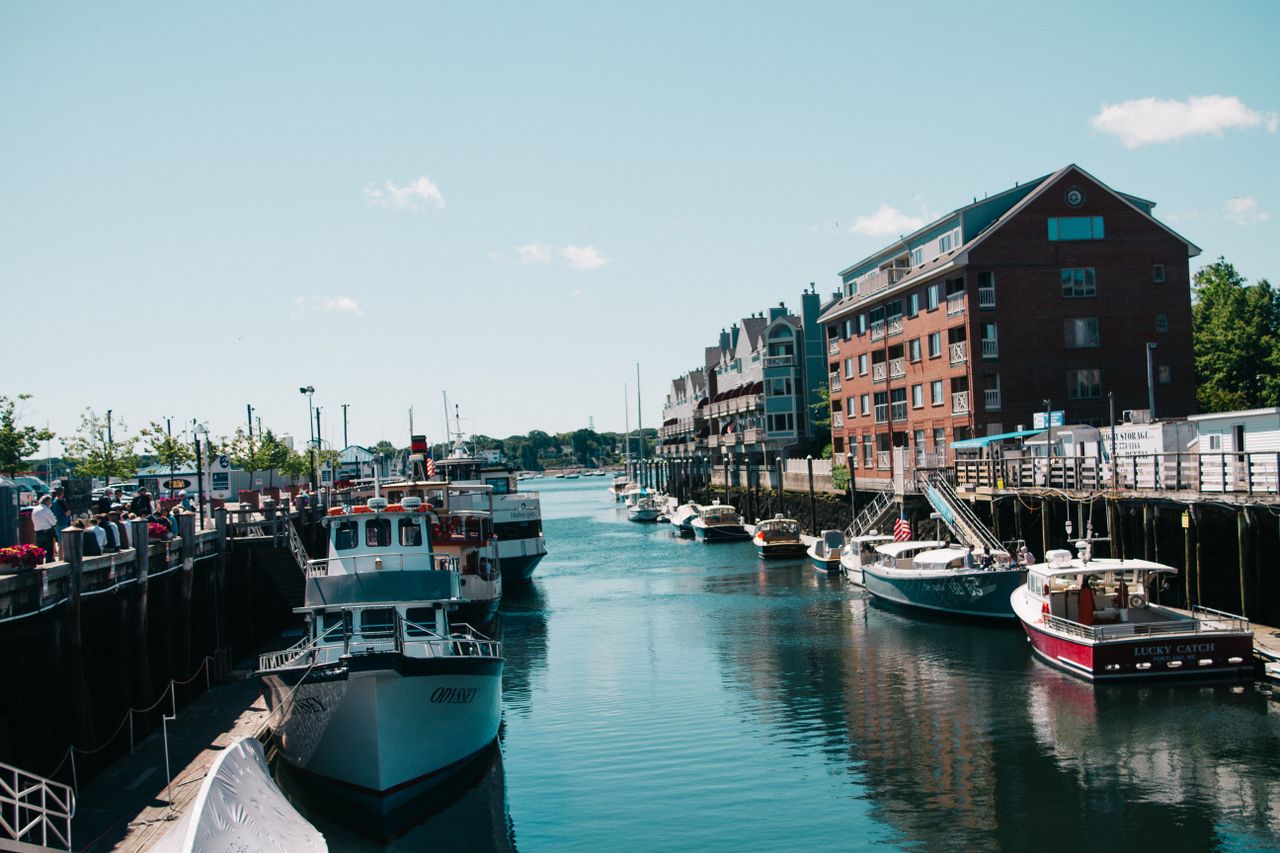
As summer reaches its peak, Portland, Maine’s historic Old Port district is once again proving why it has become one of New England’s most popular travel destinations. With visitors filling cobblestone streets, waterfront restaurants welcoming diners, and local businesses benefiting from seasonal demand, the neighborhood is experiencing strong tourism momentum heading into August.
The Old Port’s success reflects a larger transformation in American tourism. Travelers are increasingly looking beyond traditional attractions and seeking authentic destinations that combine history, food, culture, outdoor experiences, and local character.
Portland has successfully built a reputation as a city where maritime heritage meets modern creativity—a place where visitors can enjoy fresh seafood, independent shops, art galleries, craft beverages, harbor activities, and coastal adventures within a compact, walkable area.
However, the city’s tourism growth also brings new challenges, including affordability concerns, infrastructure demands, seasonal workforce pressures, and the need to balance visitor growth with residents’ quality of life.

The Old Port’s Rise as a Major Tourism Destination
The Old Port was historically a working waterfront area shaped by shipping, fishing, and maritime commerce.
Over decades, the neighborhood evolved from an industrial district into a vibrant tourism and cultural center while preserving much of its historic character.
Today, visitors are drawn to:
- Historic brick buildings
- Waterfront views
- Independent retailers
- Restaurants and cafés
- Art spaces
- Breweries
- Harbor activities
- Local events
The district’s combination of old and new has become one of its biggest attractions.
Rather than feeling like a manufactured tourist zone, the Old Port maintains the atmosphere of a functioning coastal community.
Why Portland Is Attracting More Summer Visitors
Several factors are contributing to Portland’s tourism popularity.
1. A Strong Food Reputation
Portland has developed an international reputation as a food destination.
Visitors increasingly travel specifically for culinary experiences, and the city benefits from its connection to Maine’s seafood traditions.
Popular visitor interests include:
- Lobster dishes
- Oyster experiences
- Farm-to-table dining
- Craft beverages
- Local bakeries
- Seafood markets
Food tourism has become a major economic driver because visitors often spend more when they travel for dining experiences.
2. Coastal Experiences and Maritime Tourism
Portland’s location on Casco Bay gives visitors access to classic Maine coastal activities.
Popular experiences include:
- Harbor cruises
- Island trips
- Sailing excursions
- Wildlife viewing
- Waterfront walks
- Fishing adventures
The city’s connection to the ocean is central to its identity.
Tourists are not only visiting a city—they are experiencing Maine’s maritime culture.
3. Walkable Urban Tourism
One advantage of the Old Port is its compact design.
Visitors can easily explore:
- Restaurants
- Shops
- Historic streets
- Galleries
- Waterfront areas
This walkability appeals to travelers who want a destination where they can slow down rather than spend most of their vacation driving.
Tourism Beyond the Old Port
Although the Old Port remains a major attraction, Portland’s tourism economy extends throughout the wider region.
Greater Portland promotes a mix of:
- Beaches
- Outdoor recreation
- Cultural attractions
- Neighborhood experiences
- Nearby coastal communities
Tourism organizations increasingly encourage visitors to explore beyond the most crowded areas and discover more of the region.
This helps distribute tourism revenue while reducing pressure on one neighborhood.

The Economic Impact of Tourism
Tourism provides significant benefits to Portland’s economy.
Visitor spending supports:
- Restaurants
- Hotels
- Retail stores
- Tour operators
- Transportation providers
- Local suppliers
- Entertainment businesses
A strong summer season can influence the entire business community.
A visitor who books a hotel room may also:
- Eat at local restaurants
- Buy souvenirs
- Visit attractions
- Pay for transportation
- Attend events
Tourism creates a ripple effect throughout the regional economy.
Small Businesses Are at the Center of Portland’s Tourism Appeal
Independent businesses play an important role in making the Old Port attractive.
Travelers increasingly seek destinations with:
- Local ownership
- Unique products
- Authentic experiences
- Community character
Small businesses help differentiate Portland from larger, more commercial tourism markets.
A visitor may remember a city not only because of famous attractions but because of:
- A neighborhood café
- A local artist’s work
- A memorable restaurant
- A conversation with a shop owner
Challenges Behind Tourism Success
Strong tourism numbers create opportunities, but they also introduce challenges.
Housing and Affordability
Popular tourist destinations often face pressure from rising costs.
Issues include:
- Housing availability
- Higher commercial rents
- Seasonal employee accommodation
Balancing tourism growth with resident needs has become a major issue for many coastal communities.
Workforce Pressure
Hospitality businesses depend heavily on seasonal employees.
Challenges include:
- Recruiting workers
- Providing competitive wages
- Finding affordable housing
- Managing seasonal demand changes
A successful tourism economy requires a stable workforce.
Managing Crowds and Preserving Character
As destinations become more popular, communities must protect what attracted visitors in the first place.
Potential concerns include:
- Overcrowding
- Traffic congestion
- Noise
- Environmental impact
- Loss of local identity
The challenge is creating a tourism model where visitors enhance the community rather than overwhelm it.

Sustainability and the Future of Coastal Tourism
Environmental sustainability is becoming increasingly important for coastal destinations.
Portland and other waterfront communities face challenges related to:
- Climate change
- Rising sea levels
- Ocean health
- Waste management
- Sustainable transportation
The future of tourism will likely depend on protecting the natural resources that make destinations attractive.
Technology Is Changing How Visitors Experience Portland
Modern travelers increasingly use technology to plan and customize trips.
Visitors now rely on:
- Online reviews
- Digital maps
- Travel apps
- Social media recommendations
- Artificial intelligence travel planning tools
This has helped smaller businesses reach travelers directly without relying only on traditional advertising.
The Growth of Experience-Based Travel
One reason destinations like Portland succeed is the rise of experience-focused tourism.
Modern travelers increasingly want:
- Authentic local culture
- Hands-on activities
- Food experiences
- Outdoor adventures
- Stories behind places
A historic waterfront district offers something that cannot easily be replicated elsewhere.
Portland’s Tourism Future
Looking ahead, Portland’s challenge will not simply be attracting visitors—it will be managing success.
The city’s future tourism strategy will likely focus on:
- Extending visits beyond summer
- Encouraging off-season travel
- Supporting local businesses
- Improving infrastructure
- Protecting historic character
- Expanding sustainable tourism
A strong destination is not defined only by visitor numbers. It is defined by whether tourism benefits both travelers and residents.
Conclusion: A Small Waterfront District With Global Appeal
Portland’s Old Port demonstrates how a historic neighborhood can transform into a modern tourism powerhouse without losing its identity.
Its success comes from combining:
- Maritime history
- Culinary excellence
- Local businesses
- Walkable streets
- Coastal experiences
- Community character
As visitors continue arriving throughout the summer season, the Old Port remains an example of how authentic places can compete in a crowded global tourism market.
The future of travel may belong not to destinations that simply offer attractions, but to places that offer a sense of connection.
And that is exactly what Portland’s waterfront continues to provide.
Frequently Asked Questions (FAQs)
1. Why is Portland’s Old Port popular with tourists?
The Old Port attracts visitors because of its historic streets, waterfront location, restaurants, independent shops, seafood culture, and easy access to coastal experiences.
2. What makes Portland, Maine a major food tourism destination?
Portland is known for fresh seafood, farm-to-table restaurants, craft beverages, and a diverse culinary scene that attracts travelers specifically for dining experiences.
3. How does tourism benefit Portland’s economy?
Tourism supports local businesses, creates jobs, increases visitor spending, and helps industries such as hospitality, retail, transportation, and entertainment.
4. What challenges does Portland face from growing tourism?
Major challenges include housing affordability, seasonal workforce shortages, crowd management, infrastructure needs, and protecting the city’s local character.
5. Will Portland tourism continue growing in the future?
Growth is likely to continue if the city balances visitor demand with sustainability, infrastructure improvements, and policies that support both residents and businesses.

Sources WMTW