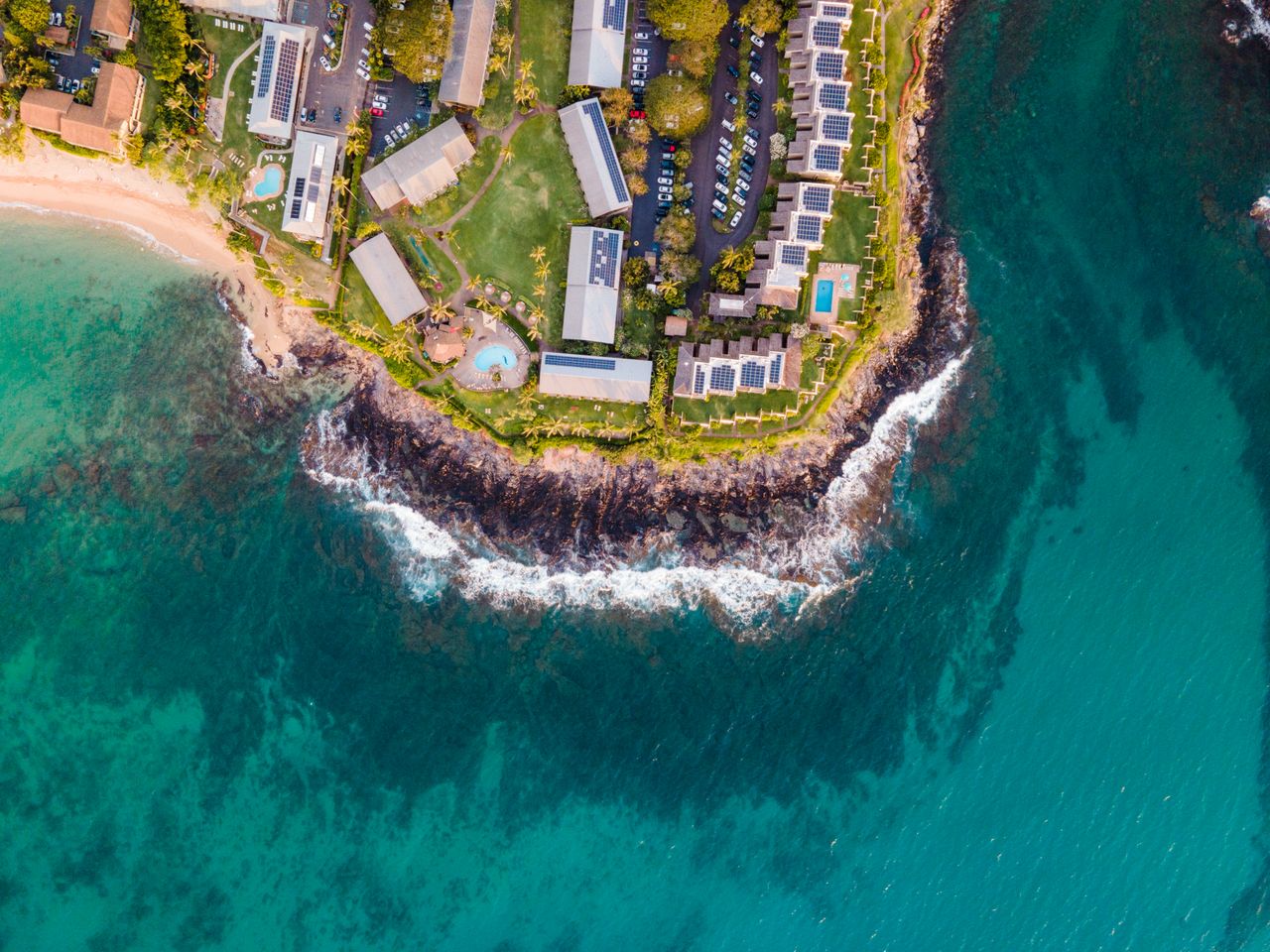
Maui, one of Hawaii’s most famous islands, continues to navigate a delicate path between economic recovery and long-term sustainability as tourism activity shows renewed strength. Recent tourism figures indicate that visitor arrivals and spending increased slightly, signaling continued demand for the island while highlighting the challenges of rebuilding a tourism economy shaped by natural disasters, rising costs, and changing traveler expectations.
Tourism remains the foundation of Maui’s economy, supporting thousands of jobs and businesses ranging from hotels and restaurants to transportation operators, cultural attractions, and local retailers. However, the island’s recovery is not simply about bringing back visitor numbers—it is also about creating a tourism model that benefits residents, protects natural resources, and respects Maui’s cultural identity.
The latest trends reflect a broader transformation occurring throughout Hawaii’s tourism industry: moving away from measuring success only by the number of visitors and focusing more on the quality, sustainability, and community impact of tourism.

Tourism’s Importance to Maui’s Economy
Tourism has historically been Maui’s largest economic driver.
Visitors contribute to the island through spending on:
- Hotels and vacation accommodations
- Restaurants and food services
- Rental vehicles
- Tours and activities
- Shopping
- Cultural experiences
- Outdoor recreation
The money generated by tourism supports both direct and indirect employment.
Direct tourism jobs include:
- Hotel workers
- Tour guides
- Restaurant employees
- Transportation staff
- Attraction operators
Indirect economic benefits reach:
- Farmers
- Suppliers
- Construction companies
- Maintenance providers
- Local service businesses
For many Maui residents, the health of tourism is closely connected to household income and economic stability.
A Gradual Tourism Recovery After Major Challenges
Maui’s tourism industry has faced significant challenges in recent years, particularly following the devastating wildfires that affected parts of the island.
The disaster created immediate impacts:
- Visitor cancellations
- Business disruptions
- Damage to communities
- Loss of housing and infrastructure
- Emotional challenges for residents
The recovery process has required cooperation among:
- Local government
- Tourism organizations
- Businesses
- Community groups
- Residents
The return of visitors has been viewed as an important economic step, but many community leaders emphasize that recovery must be responsible and respectful.
Why Visitor Spending Matters More Than Arrival Numbers Alone
Tourism analysts increasingly look beyond visitor arrivals.
A destination can receive many visitors but still struggle economically if spending levels are low.
Visitor spending provides insight into:
- Length of stay
- Travel preferences
- Economic contribution
- Demand for local services
Higher-quality tourism may involve visitors who:
- Stay longer
- Support local businesses
- Participate in cultural experiences
- Respect environmental guidelines
This approach is becoming increasingly important for destinations facing overcrowding concerns.
Maui’s Unique Tourism Appeal
Maui remains one of the world’s most recognizable island destinations because of its combination of natural beauty and cultural experiences.
Major attractions include:
Beaches and Ocean Activities
Visitors come for:
- Swimming
- Surfing
- Snorkeling
- Whale watching
- Sailing
- Diving
The island’s coastal environment is one of its greatest tourism assets.
Haleakalā National Park
The massive volcanic landscape of Haleakalā attracts visitors seeking:
- Sunrise views
- Hiking
- Stargazing
- Unique ecosystems
The attraction demonstrates Maui’s appeal beyond traditional beach tourism.
The Road to Hāna
One of Hawaii’s most famous scenic routes offers:
- Rainforest landscapes
- Waterfalls
- Coastal views
- Local communities
The route also highlights the importance of managing visitor behavior in environmentally sensitive areas.

The Shift Toward Sustainable Tourism
Maui, like many popular island destinations, faces the challenge of balancing tourism growth with environmental protection.
Key sustainability concerns include:
- Water consumption
- Waste management
- Coral reef protection
- Coastal erosion
- Wildlife preservation
- Housing pressure
Tourism officials and community leaders increasingly promote responsible travel practices, including:
- Respecting cultural sites
- Avoiding damage to natural areas
- Supporting locally owned businesses
- Following conservation guidelines
Protecting Maui’s Cultural Identity
Tourism success depends not only on landscapes but also on culture.
Maui’s identity is deeply connected to:
- Native Hawaiian traditions
- Historic communities
- Local agriculture
- Ocean culture
- Family and community values
Many residents advocate for tourism that encourages visitors to understand and respect Hawaiian culture rather than treating the island only as a vacation backdrop.
Cultural tourism initiatives help visitors learn about:
- Hawaiian history
- Traditional practices
- Land stewardship
- Indigenous knowledge
Challenges Facing Maui’s Tourism Industry
Although tourism growth brings economic benefits, Maui continues facing several challenges.
Housing Affordability
One of the biggest issues is housing.
Tourism-related demand can contribute to pressure on:
- Rental prices
- Housing availability
- Worker accommodation
Many hospitality employees face difficulties finding affordable places to live close to their workplaces.
Workforce Shortages
Like many tourism destinations, Maui faces challenges including:
- Recruiting employees
- Retaining workers
- Providing affordable living conditions
A strong tourism economy requires a stable workforce.
Environmental Pressure
Increased visitation can place stress on:
- Beaches
- Trails
- Marine ecosystems
- Water resources
Sustainable visitor management is essential for protecting the natural attractions that bring tourists to the island.
The Changing Profile of Maui Travelers
Tourism preferences have changed significantly.
Modern visitors increasingly seek:
- Authentic experiences
- Local food
- Outdoor adventures
- Cultural connections
- Wellness activities
- Sustainable travel options
Many travelers are willing to pay more for meaningful experiences rather than simply seeking low-cost vacations.
The Growth of Regenerative Tourism
A newer concept gaining attention is regenerative tourism.
Unlike traditional tourism, which focuses mainly on reducing harm, regenerative tourism aims to leave destinations better than visitors found them.
Examples include:
- Supporting conservation projects
- Participating in community activities
- Choosing locally owned businesses
- Respecting cultural practices
For islands like Maui, this approach may become increasingly important.
The Role of Technology in Tourism Management
Technology is helping destinations better understand and manage tourism.
Modern tools include:
- Visitor data analysis
- Digital reservation systems
- Online education platforms
- Mobile travel applications
- Artificial intelligence travel planning
These technologies can help reduce overcrowding and improve visitor experiences.
Maui’s Tourism Future
The future of Maui tourism will likely depend on balancing several priorities:
Economic Recovery
Businesses need visitors to remain financially sustainable.
Community Well-Being
Residents need tourism growth that improves rather than disrupts daily life.
Environmental Protection
Natural resources must be preserved for future generations.
Cultural Respect
Tourism must recognize Maui’s unique heritage.
A successful tourism model will not simply aim for more visitors—it will focus on better relationships between travelers, businesses, and local communities.
Conclusion: A New Chapter for Maui Tourism
The increase in visitor arrivals and spending represents an encouraging sign for Maui’s tourism recovery. However, the island’s future success will depend on more than returning to previous tourism levels.
Maui faces a critical opportunity to redefine what tourism means in the modern era.
The strongest future may come from a model that values:
- Sustainable growth
- Cultural preservation
- Environmental responsibility
- Community benefits
- Meaningful visitor experiences
Maui’s beauty has always attracted travelers from around the world. The challenge now is ensuring that tourism protects the very qualities that make the island special.
Frequently Asked Questions (FAQs)
1. Why is tourism important to Maui’s economy?
Tourism is one of Maui’s largest economic industries, supporting jobs, businesses, tax revenue, and local economic activity across hospitality, transportation, retail, and services.
2. Why did Maui’s tourism industry face challenges in recent years?
Maui experienced significant disruption due to natural disasters, including devastating wildfires, which affected communities, businesses, infrastructure, and visitor demand.
3. What attractions continue to draw visitors to Maui?
Popular attractions include beaches, snorkeling, whale watching, Haleakalā National Park, the Road to Hāna, cultural experiences, and outdoor adventures.
4. What is sustainable tourism in Maui?
Sustainable tourism focuses on protecting natural resources, respecting Hawaiian culture, supporting local communities, and reducing negative environmental impacts.
5. What does the future of Maui tourism look like?
The future is expected to focus on balanced growth, regenerative tourism, environmental protection, cultural education, and attracting visitors who contribute positively to the island’s economy and community.

Sources Maui Now