
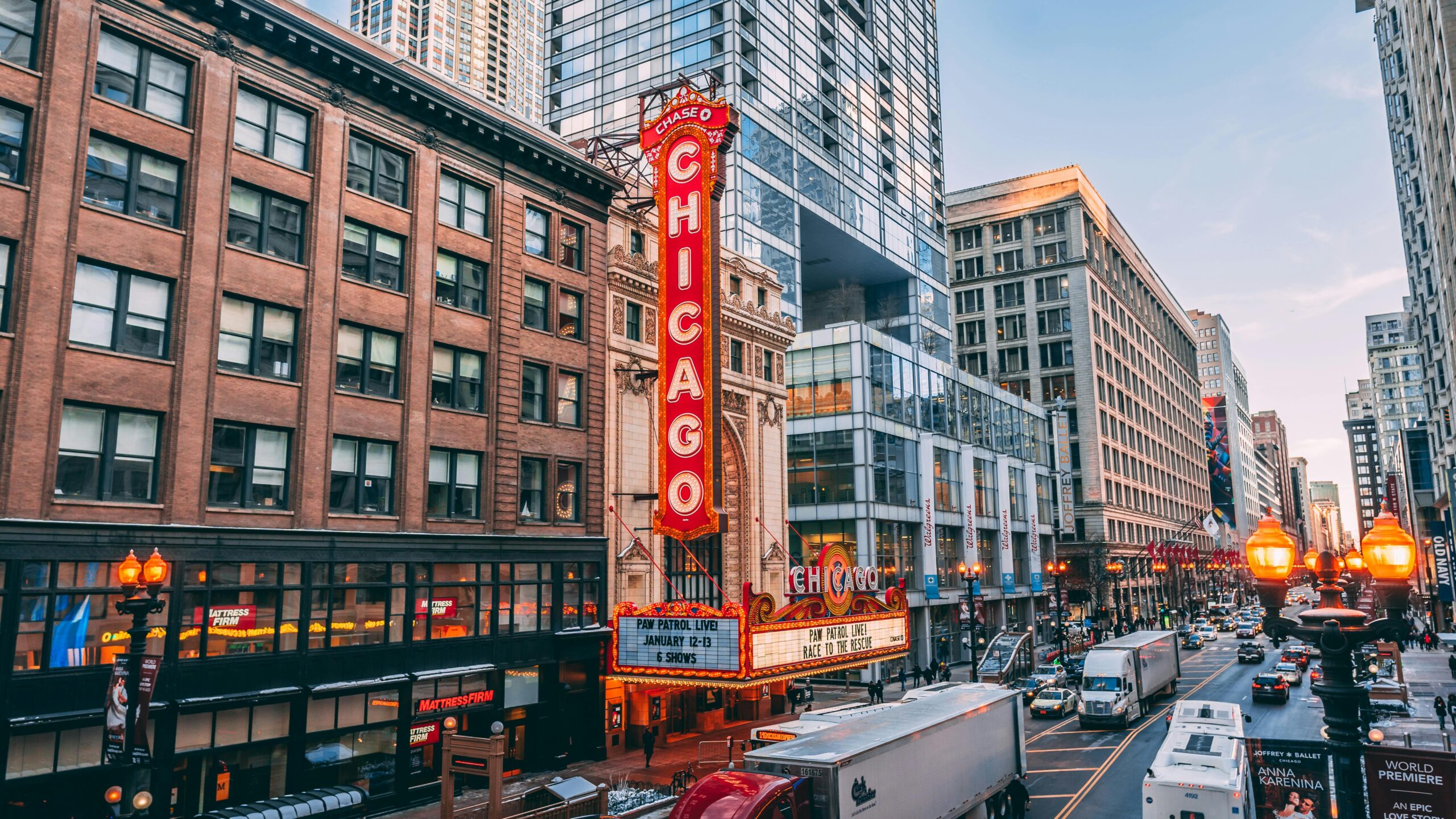
Writers Theatre Chicago has breathed new life into Brian Friel’s seminal play Translations, offering a production that simultaneously honors its historical roots and reexamines its themes for the modern era. In this bold reinterpretation, Friel’s exploration of language, cultural identity, and colonial legacy is intertwined with creative staging and contemporary sensibilities, resonating with today’s audiences in unexpected ways.

Reimagining a Classic
At its core, Translations delves into the complex interplay of languages as instruments of power and cultural transformation. Set in 19th-century Ireland, the play revolves around the British-imposed translation of Irish place names and the subsequent erosion—and preservation—of a native identity. Writers Theatre Chicago’s production stays true to these themes, while also drawing parallels with today’s global conversations about linguistic diversity and cultural assimilation.
- Modern Context, Timeless Themes:
The production skillfully bridges the gap between Friel’s historical narrative and current issues surrounding language politics and globalization. By using modern multimedia elements—such as digital projections that juxtapose traditional Irish landscapes with contemporary urban imagery—the production invites the audience to question how language shapes identity in an increasingly interconnected world. - Innovative Direction:
Under the insightful direction of a visionary leader (directed by an acclaimed local director whose careful touch has been praised for its balance of historical reverence and fresh innovation), the play’s structure is both respectful and experimentally vibrant. Period costumes and set designs evoke the austere beauty of rural Ireland while subtle modern touches add layers of interpretive meaning.
Dynamic Performances and Creative Staging
The heart of the production lies in the powerful performances that bring Friel’s characters to life:
- Standout Performances:
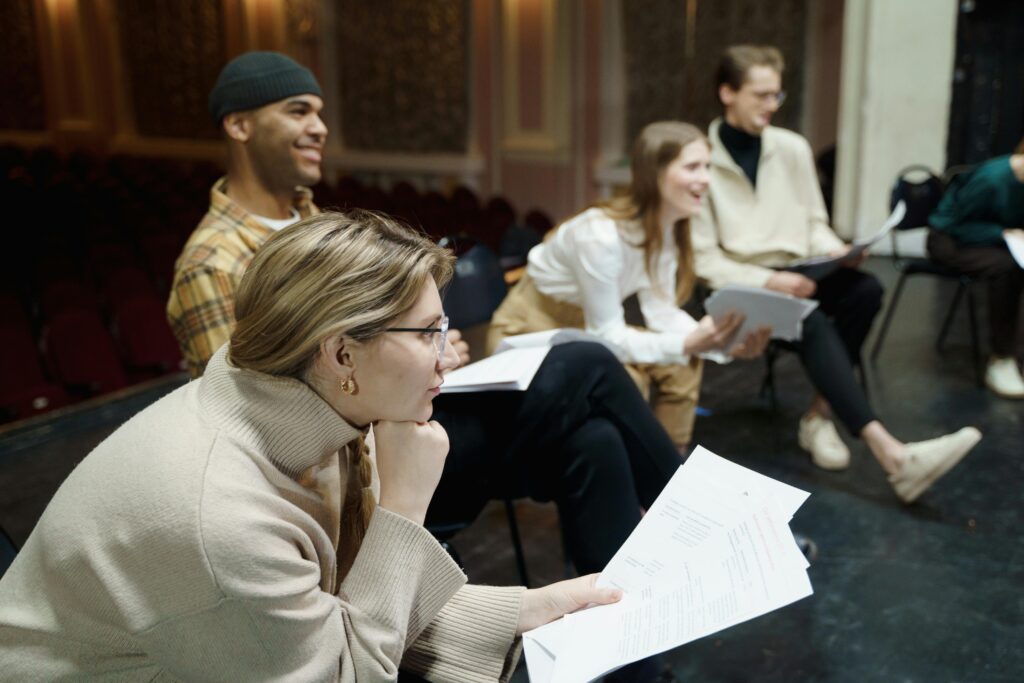
Lead actors in key roles deliver nuanced portrayals of individuals caught between the forces of change and tradition. Their performances capture the ironies of communication—the hope that translation brings with it, as well as the loss of context and emotional nuance that often follows. Moments of poignant silence and understated dialogue invite viewers to explore the unsaid and the ambiguous. - Staging and Design:
The set design is an integral part of the storytelling. With shifting backdrops that mirror the fluidity of language, the production employs striking visual contrasts: weathered stone facades symbolizing heritage are interwoven with light installations that suggest the passage of time and the intrusion of modernity. The strategic use of bilingual signage and interactive props further enhances the audience’s immersion into a world where meaning is in constant negotiation.
Themes That Resonate
The production doesn’t merely retell a historical moment—it invites reflection on broader themes that extend well beyond the Irish context:
- Cultural Preservation vs. Imperial Imposition:
Friel’s exploration of how translation can simultaneously preserve and alter cultural narratives is given fresh urgency. The play probes how linguistic practices can serve as both a bridge and a barrier, highlighting the delicate balance between integrating diverse voices and the risks of cultural homogenization. - Identity, Alienation, and the Power of Language:
Through its careful staging and reflective performances, the production underscores how language can both reveal and conceal the truth about personal and communal identity. In today’s era of global migration and digital communication, these themes are more relevant than ever.
Frequently Asked Questions
Q1: What is Brian Friel’s Translations about?
A: Translations explores the impact of language on cultural identity during the British colonial era in Ireland. It focuses on the translation of Irish place names into English and examines how this process affects cultural memory and self-identity.
Q2: How does Writers Theatre Chicago’s production differ from traditional stagings of Translations?
A: This production is noted for its innovative multimedia elements and modern design touches that bring contemporary relevance to the play’s historic themes. It uses digital projections and interactive set pieces to bridge the gap between past and present.
Q3: Who are the standout performers in this production?
A: The lead actors are praised for their nuanced portrayals, particularly in expressing the subtleties of language-induced alienation and cultural conflict. Their performances blend emotional restraint with powerful, evocative moments that capture the essence of the original text.
Q4: How does the production address the themes of language and imperialism?
A: Through its staging, the play reveals how language is used as a tool of both preservation and control. It highlights the irony of translation—making communication accessible while simultaneously eroding unique cultural expressions—and draws parallels with modern discussions of globalization and cultural identity.
Q5: Where and when can audiences see this production?
A: The production is currently running at Writers Theatre Chicago. For specific performance dates and ticket information, viewers are encouraged to visit the theater’s official website or box office.
Q6: How does the modern design influence the interpretation of the play?
A: The modern design elements, such as digital projections and interactive props, serve to underline the timeless nature of the play’s themes. They help contextualize the historical narrative within a modern framework, emphasizing that debates about language and identity remain pertinent today.
Q7: What challenges do translators face when adapting Friel’s work?
A: Translators must balance fidelity to the original text with the need to convey its emotional and cultural nuances. Capturing the inherent ambiguity and subtle irony of Friel’s language requires a deep understanding of both the source and target cultures.
Q8: How is the concept of “translation” explored in the production?
A: The production emphasizes translation as a metaphor for cultural exchange and transformation. Through visual and auditory cues, it illustrates how meanings can shift—sometimes enhancing, sometimes diminishing—the original message, a phenomenon that is central to understanding the play’s deeper commentary.
Q9: What significance does the dual use of language (bilingual elements) have in the production?
A: The incorporation of bilingual elements underscores the inherent conflicts and harmonies between different cultures. It highlights how language can serve as both a bridge and a boundary, inviting the audience to reflect on the complexities of cross-cultural communication.
Q10: Why is Translations considered a timeless play?
A: Translations continues to resonate because its themes—linguistic displacement, cultural loss, and the tension between tradition and modernity—are universal. Its insights into how language shapes identity remain relevant in our increasingly globalized and digital world.
Conclusion
Writers Theatre Chicago’s production of Translations is an evocative, visually stunning, and intellectually provocative reimagining of Brian Friel’s classic play. By marrying historical narrative with innovative modern design, the production not only honors the legacy of Friel’s work but also speaks to contemporary audiences about the enduring power of language. In doing so, it challenges us to consider the ways in which words—whether spoken, written, or translated—shape our understanding of identity and culture in a rapidly changing world.
Sources Chicago Sun Times

