
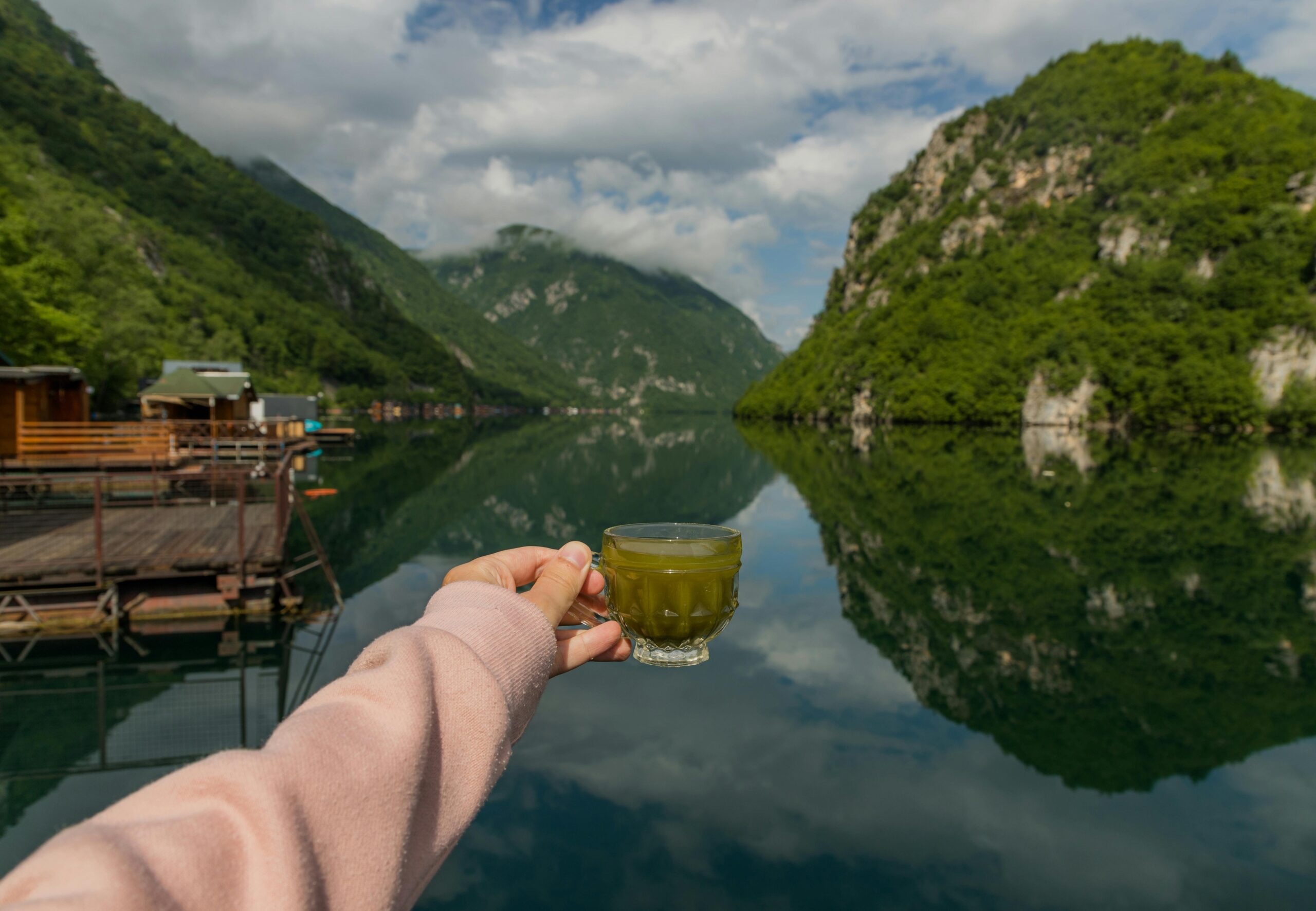
Once tranquil and proud of their centuries-old tea traditions, small Japanese towns like Wazuka have found themselves at a crossroads. While matcha has taken the world by storm—from lattes in Los Angeles to skincare in Seoul—the towns that grow it are increasingly overwhelmed by tourism, facing challenges that go beyond the green tea fields.

The Matcha Boom: From Tea Ceremonies to TikTok
- Global Demand: Matcha exports have surged, with Japan exporting more than 5,000 tons in 2023 alone.
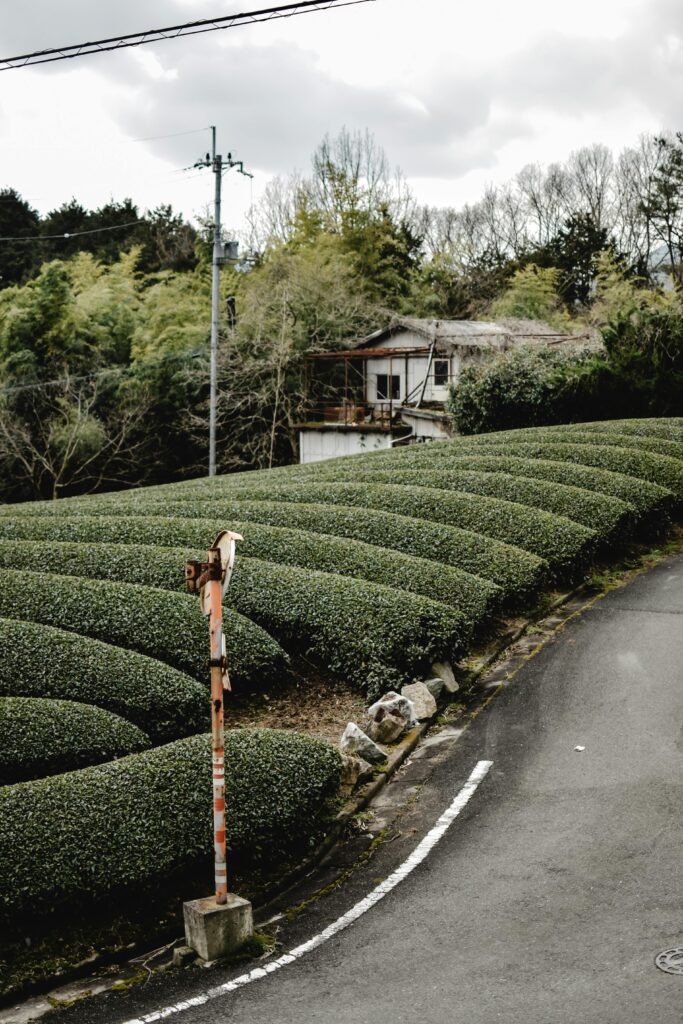
- Cultural Capital: Wazuka, home to 800 years of tea cultivation, has become a mecca for tourists seeking Instagram-worthy shots of lush tea fields and traditional harvesting experiences.
- Digital Exposure: Social media and YouTube influencers have turned serene tea farms into buzzing hotspots.
Benefits That Became Burdens
🌿 Economic Boost—At First
- Local guesthouses, tour guides, and teahouses initially thrived on the tourism influx.
- Seasonal workers and young entrepreneurs moved in, reviving aging towns.
🚧 Infrastructure Overload
- Narrow roads clogged with tour buses.
- Tea fields trampled by unsupervised visitors in search of the “perfect shot.”
- Waste management systems strained by the increase in foot traffic.
🧓 Rural Resentment
- Elderly farmers, once proud to showcase their craft, now complain of disrespectful behavior and noisy crowds.
- Daily life has been disrupted for many lifelong residents, leading to some moving away.
The Environmental Cost of Matcha Fame
- Overharvesting Threat: To meet tourist and export demands, some producers now prioritize quantity over quality, endangering traditional hand-picking methods.
- Soil Degradation: Increased monoculture practices strain the land.
- Water Use Conflicts: Tourism facilities like cafés and inns require more water, competing with agricultural needs.
Local Government’s Dilemma
Wazuka’s municipal leaders, and others like them, face a difficult balancing act:
- Do they lean into tourism to sustain their economies?
- Or scale back to preserve their culture and environment?
Some towns are now:
- Limiting the number of tourists per day.
- Requiring permits for professional photography in tea fields.
- Encouraging “virtual tea tours” to shift pressure off physical spaces.
A Sustainable Way Forward?
Innovative responses from the community:
- Agro-tourism with Limits: Scheduled tours led by trained locals ensure respect for traditions and landscapes.
- Education-Based Visits: Guests participate in full harvesting-to-tasting experiences, fostering appreciation over consumerism.
- Off-Season Packages: Encouraging visits during low-impact periods to spread out traffic.
Conclusion
The matcha tourism boom is a double-edged katana. It’s brought new life to struggling towns but also exposed them to the risks of overtourism. As Japan continues to capitalize on its cultural exports, towns like Wazuka serve as a warning—and a blueprint—for balancing economic gain with cultural preservation.
FAQs
Q1: What town is most affected by matcha tourism in Japan?
Wazuka in Kyoto Prefecture is one of the most visited towns due to its deep-rooted matcha cultivation history.
Q2: What’s the main problem caused by matcha tourism?
Overcrowding, environmental strain, and disruption to local residents’ quality of life are key concerns.
Q3: Are there efforts to make tea tourism more sustainable?
Yes, towns are implementing caps on visitor numbers, promoting respectful educational tourism, and exploring virtual tourism options.

Sources BBC

