

On 22 April 2025, gunmen armed with assault rifles targeted tourists in the lush meadows of Baisaran Valley, Pahalgam, killing 26 people—25 visitors and a local pony-ride operator—and wounding 20 more. It was the deadliest civilian attack in the region in years, abruptly shattering Kashmir’s hard-won tourism boom. Yet just weeks later, local businesses, authorities, and even returning visitors are determined to revive the valley’s vital lifeline.
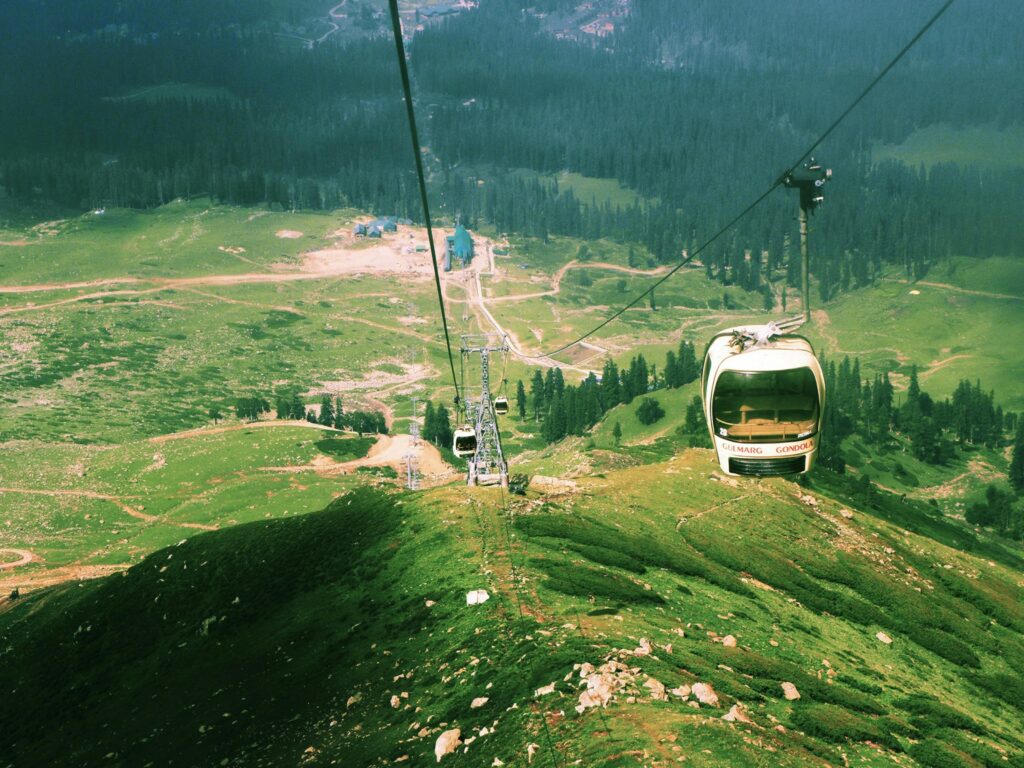
The Human and Economic Toll
- Lives Lost & Injured: Victims included newlywed couples and solo travelers.
- Tourist Exodus: Hotel occupancy across Pahalgam, Gulmarg, and Sonamarg plunged from over 85% to under 10% as visitors canceled plans.
- Economic Shock: Tourism had drawn roughly 3 million visitors in 2024 and supported upwards of 400,000 jobs in hospitality, transport, and handicrafts. Cancellations put thousands of livelihoods at risk.
Government and Industry Response
- Site Closures & Security Overhaul
Authorities temporarily closed more than half of the region’s tourist spots, though marquee destinations remained open under tightened patrols. Convoys from the main Ramban highway now travel with armed escorts and drone surveillance. - Reopening Campaigns
By early June, 16 key sites—including Aru Valley and Dachigam National Park—were officially reopened. Joint “Kashmir Calling” promotions from state tourism bodies and private operators offered discounted packages, free local SIM cards preloaded with safety apps, and group-insurance plans covering security incidents. - High-Profile Visits & Diplomacy
Chief Minister Omar Abdullah visited Pahalgam, emphasizing “Tourists are our lifeline” and pledging swift justice and victim compensation. Prime Minister Narendra Modi urged airlines to maintain steady seat availability and cut short an overseas trip to oversee relief measures.
Local Voices: Resilience Amid Fear
- Salman Peer (Hotelier): “After 30 years in hospitality, I’ve never seen this emptiness. Yet our staff are ready to welcome guests—security is tighter, but spirits remain unbroken.”
- Ayesha Jan (Shikara Owner): “My family depends on daily lake tours. With the highway landslide and attack, summer looked lost. Now, even a trickle of tourists means hope.”
- Farooq Ahmed (Tour Guide): “We redesigned itineraries—shorter routes, more guest-driver contact—so visitors feel safer. Word is spreading that Kashmir is healing.”
Broader Impacts and Lessons
- Cross-Border Tensions: The attack triggered a brief exchange of artillery fire with Pakistan along the Line of Control, highlighting how violence here can risk wider conflict.
- Propaganda Battle: The militant group behind the attack initially framed it as resistance to “outsider influx,” underscoring the importance of countering extremist narratives.
- Digital Outreach: Social-media campaigns (#VisitKashmirAgain) and AI-powered safety chatbots now broadcast real-time security updates, crucial in areas where traditional media may be blocked.
Frequently Asked Questions
Q: Are major tourist sites in Kashmir open now?
Yes—Pahalgam, Gulmarg, Sonamarg, Dachigam, and several other destinations reopened by June 2025 under enhanced security.
Q: How safe is it to travel to Kashmir today?
While risks remain, layered security measures—including armed escorts, drone patrols, and emergency-call stations—help mitigate dangers. Domestic tour groups have resumed bookings.
Q: What compensation is available for victims?
The Jammu & Kashmir government announced ex-gratia payments of ₹2 million per deceased tourist and ₹500,000 per injured person, along with free repatriation.
Q: How can visitors support local communities?
Book through registered tour operators, stay in locally owned guesthouses, hire Kashmiri guides, and purchase handicrafts directly from artisans.
Q: Were any foreign nationals killed?
Most victims were Indian; one Nepalese tourist was among the 25 visitors killed. No Western nationals were among the casualties.
Q: What is being done to prevent future attacks?
Security forces have increased patrols in forested entry points, improved intelligence sharing, and installed emergency-call stations on key trekking trails.
Q: How has tourism trended post-attack?
Visitor numbers rebounded to about 40% of pre-attack levels by July 2025, with weekend hotel occupancy in Srinagar averaging 50–60%.
Q: Can I self-drive in the Valley?
Car rentals are available on cleared highway sections, though many tourists prefer convoy travel with vetted drivers for added safety.
Despite the tragedy of April 2025, Kashmir’s communities and tourism stakeholders have united to show that the Valley’s beauty—and its people’s resilience—endure. By rebuilding confidence, reinforcing security, and prioritizing hospitality, Kashmir aims to transform that dark day into the catalyst for a stronger, more secure future.
Sources BBC

