

London’s East End has long drawn visitors eager to trace the footsteps of one of history’s most notorious criminals: Jack the Ripper. From early walking tours to a dedicated museum, the city has increasingly “leaned in” to Ripper lore. Yet many residents and local historians argue this form of dark tourism—travel centered on death and tragedy—trivializes real suffering and obscures the broader social history of the area.
A Cemetery of Commerce: Walking Tours and Attractions
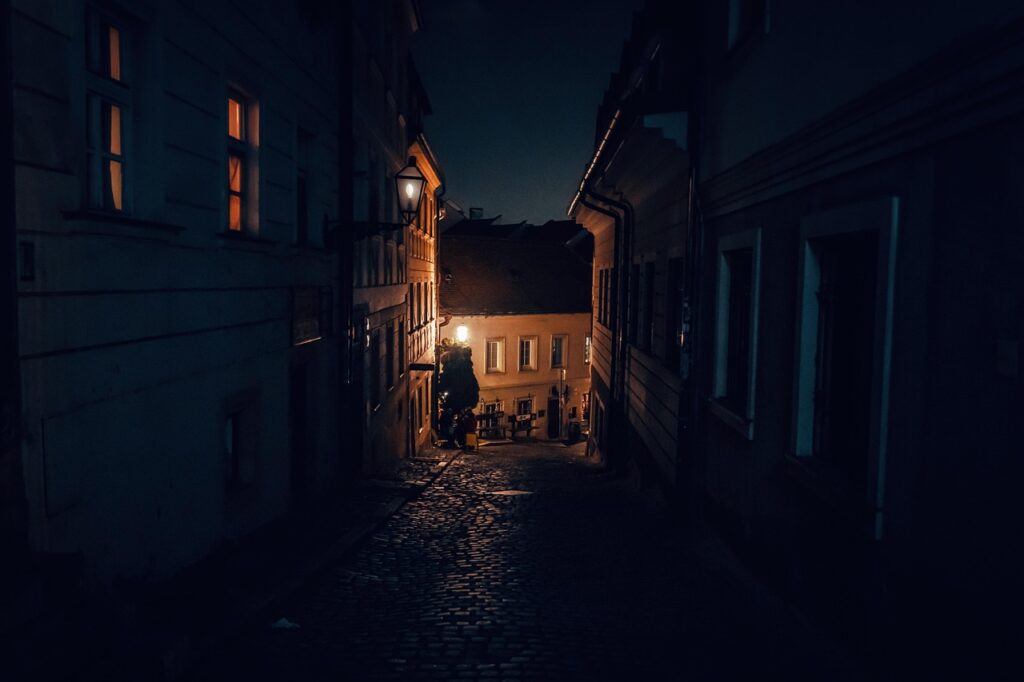
Over the past decade, dozens of Jack the Ripper walking tours have proliferated through Whitechapel’s narrow lanes. Companies offer nighttime excursions highlighting Mitre Square, Spitalfields Market, and the Ten Bells pub—sites tied to the Ripper’s five canonical victims. Some guides use “Ripper-Vision” projectors, while others stage theatrical reenactments, mixing folklore with Victorian-era fact. Tickets range from £15 to £25, and these tours now draw an estimated 100,000 visitors annually, supporting local pubs, cafés, and souvenir shops.
The Museum That Sparked a Revolt
In 2015, a planned Women’s History Museum at 12 Cable Street morphed into the Jack the Ripper Museum, founded by Mark Palmer-Edgecumbe. Residents and women’s advocates felt betrayed when the façade emblazoned only the Ripper name, despite promises to honor East End women’s contributions. Catherine Owen, chair of the East End Women’s Museum (created in response), recalls:
“Everyone expected a museum celebrating the women of London’s East End. Instead, it became a shrine to the killer—with teddy bears dressed as the Ripper and victim-silhouette T-shirts in the gift shop.”
Despite protests, Tower Hamlets Council conceded it lacked legal power to alter the museum’s focus, highlighting a regulatory gap in planning permissions.
When History Today Sets the Map Straight
Public outrage isn’t new. In 2020, Britain’s Ordnance Survey removed a bawdy walking map titled “Guts and Garters in the Ripper’s East End”—a tour so sensational it reduced victims to morbid spectacle. Local campaigns, backed by residents and historians, pressured the body to strip the map from its library, a rare win for those demanding respectful heritage.
Economic Lifeline or Cultural Exploitation?
- Revenue Boost: Dark-tourism operators inject an estimated £5 million annually into local businesses—from B&Bs to costume-rental shops.
- Job Creation: Tour guides, actors, and museum staff owe their livelihoods to Ripper-themed offerings.
- Cultural Cost: Critics argue that sensationalizing violence against women undermines efforts to highlight East End’s rich social history—Huguenot silk weavers, suffragettes, and immigrant communities often overshadowed by macabre storytelling.

Towards a Balanced Narrative
In response, some companies have launched “Women of the Abyss” tours, focusing on the lives and struggles of Victorian East End women, not just their murders. Local historians also organize heritage walks through Spitalfields and Petticoat Lane, emphasizing entrepreneurship, migration, and community resilience.
Frequently Asked Questions
Q: What is dark tourism?
A: Travel to sites associated with death, tragedy, or suffering, often blending education with sensationalism.
Q: Are Jack the Ripper tours safe?
A: Generally yes—operators follow established routes in well-lit areas; solo travelers should join reputable groups and avoid late-night detours.
Q: How can I find respectful tours?
A: Look for guides certified by the East End Women’s Museum or organizations like London Walks, offering contextualized, victim-centered narratives.
Q: Can the Jack the Ripper Museum be repurposed?
A: Locals continue to petition Tower Hamlets Council and cultural bodies to refocus the museum on women’s history, but planning laws currently limit intervention.
Q: Why do these tours exist?
A: They capitalize on global fascination with true crime and London’s Ripper heritage, drawing visitors seeking edgy, immersive experiences.
Q: How do locals feel about Ripper tourism?
A: While some welcome the economic benefits, many lament the overshadowing of positive East End history and the glorification of violence against women.
Q: What alternatives exist?
A: Heritage trails highlighting Huguenot weavers, suffragette activism, and immigrant communities; art-and-craft markets celebrating living traditions.
London’s relationship with its darkest chapter remains fraught. As visitors continue to flock for Ripper-centric experiences, a growing movement urges a more nuanced homage—one that honors victims, celebrates the East End’s true diversity, and ensures history is never reduced to a gruesome spectacle.
Sources CNN

