
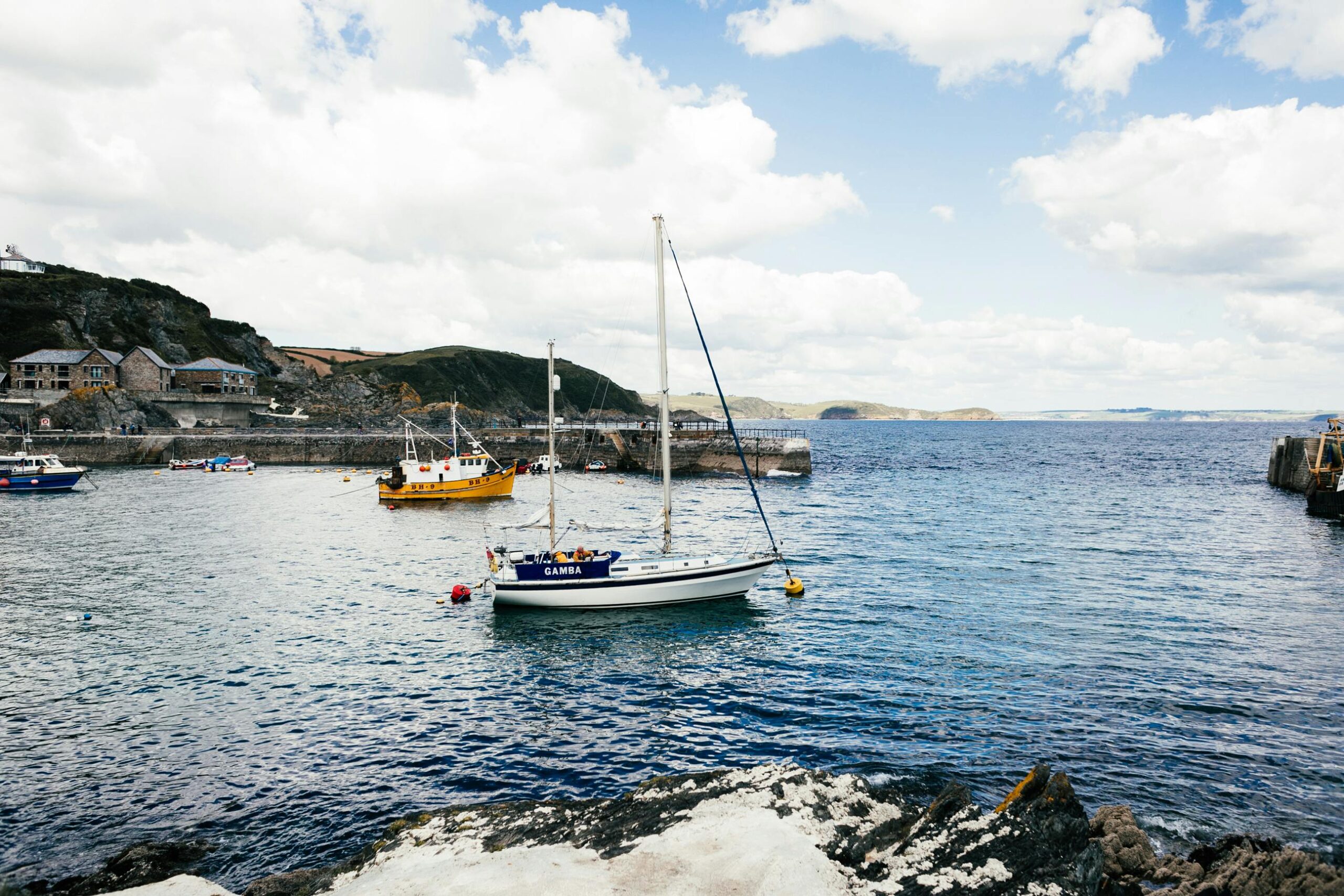
The Mississippi and Alabama Gulf Coasts are experiencing a tourism renaissance in 2025, blending natural beauty, cultural richness, and modern amenities to attract visitors from across the nation. From pristine beaches to historic towns, the region offers a diverse array of experiences for travelers seeking both relaxation and adventure.

🌊 Coastal Charms and Attractions
Mississippi Gulf Coast
- Biloxi & Gulfport: These cities continue to be hubs of activity, boasting attractions like the Mississippi Aquarium and the Maritime & Seafood Industry Museum. Biloxi’s lighthouse and casinos add to the city’s allure, while Gulfport offers family-friendly beaches and shopping districts.
- Ocean Springs: Known for its vibrant arts scene, Ocean Springs features numerous galleries, boutiques, and the Walter Anderson Museum of Art. The town’s walkable downtown and beachfront parks make it a favorite among visitors.
- Ship Island: Accessible by ferry, this barrier island offers clear waters, sandy beaches, and the historic Fort Massachusetts, providing a perfect day-trip destination.
Alabama Gulf Coast
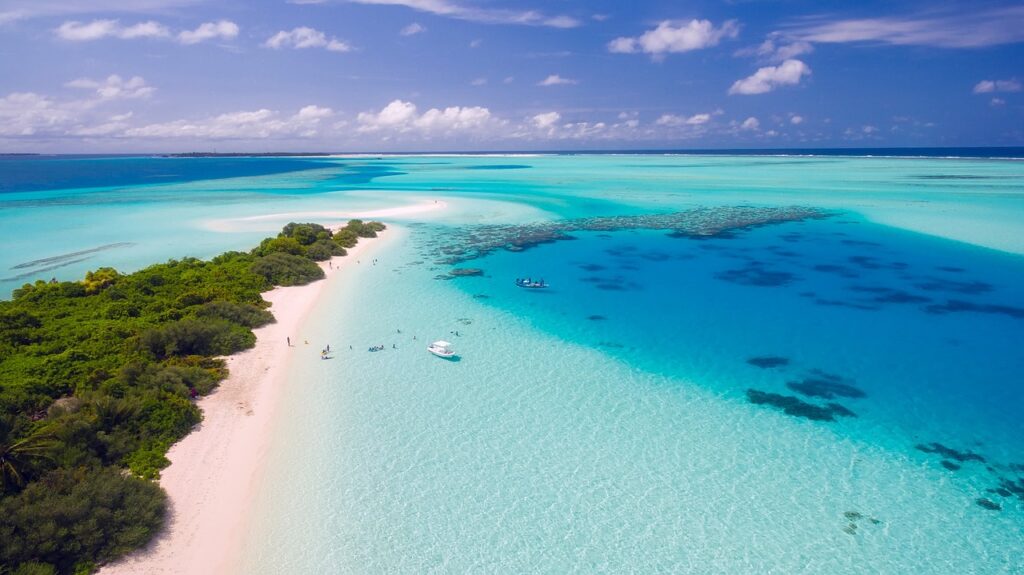
- Gulf Shores & Orange Beach: These towns are renowned for their white-sand beaches and turquoise waters. Visitors can enjoy water sports, fishing, and the Gulf State Park’s extensive trail system. The area also hosts numerous festivals and events throughout the year.
- Fairhope: Perched on the eastern shore of Mobile Bay, Fairhope charms visitors with its quaint downtown, art galleries, and stunning sunsets over the bay.
🚆 Enhanced Accessibility
In August 2025, Amtrak will launch the “Mardi Gras” service, reintroducing passenger rail along the Gulf Coast for the first time in nearly two decades. This twice-daily service will connect New Orleans to Mobile, with stops in key Mississippi cities like Bay St. Louis, Gulfport, Biloxi, and Pascagoula. The new route is expected to boost tourism and provide convenient travel options for both locals and visitors.
🏨 New Developments and Accommodations
The region is witnessing significant investments in hospitality and infrastructure:
- Mississippi: New boutique hotels and culinary establishments are opening in cities like Biloxi and Gulfport, enhancing the coastal experience with modern amenities and local flavors.
- Alabama: Gulf Shores and Orange Beach continue to expand their lodging options, including beachfront resorts and eco-friendly accommodations, catering to a range of traveler preferences.

🎉 Events and Festivals
The Gulf Coast’s calendar is filled with events celebrating its rich culture and community spirit:
- Mississippi Blues Trail: Music enthusiasts can explore this trail, which highlights significant sites in the history of blues music, including markers in coastal towns.
- Seafood Festivals: Both states host annual seafood festivals, offering fresh catches, live music, and family-friendly activities that showcase the region’s culinary heritage.
❓ Frequently Asked Questions
Q1: What is the best time to visit the Gulf Coast?
Spring (March to May) and fall (September to November) offer pleasant weather and fewer crowds, making them ideal times to visit.
Q2: Are the beaches suitable for families?
Yes, many beaches in both Mississippi and Alabama feature calm waters, lifeguard services, and amenities like restrooms and picnic areas, making them family-friendly.
Q3: What activities are available besides the beach?
Visitors can explore historic sites, enjoy local cuisine, attend festivals, visit museums, and partake in outdoor activities like hiking, fishing, and kayaking.
Q4: How can I travel between coastal towns?
Besides driving, the new Amtrak “Mardi Gras” service provides a convenient rail option between key cities along the coast.
Q5: Are there eco-friendly accommodations available?
Yes, several hotels and resorts in the region prioritize sustainability, offering eco-friendly amenities and practices.
With its blend of natural beauty, cultural richness, and modern conveniences, the Mississippi and Alabama Gulf Coasts are poised to offer unforgettable experiences for all types of travelers in 2025.
Sources Nola

