
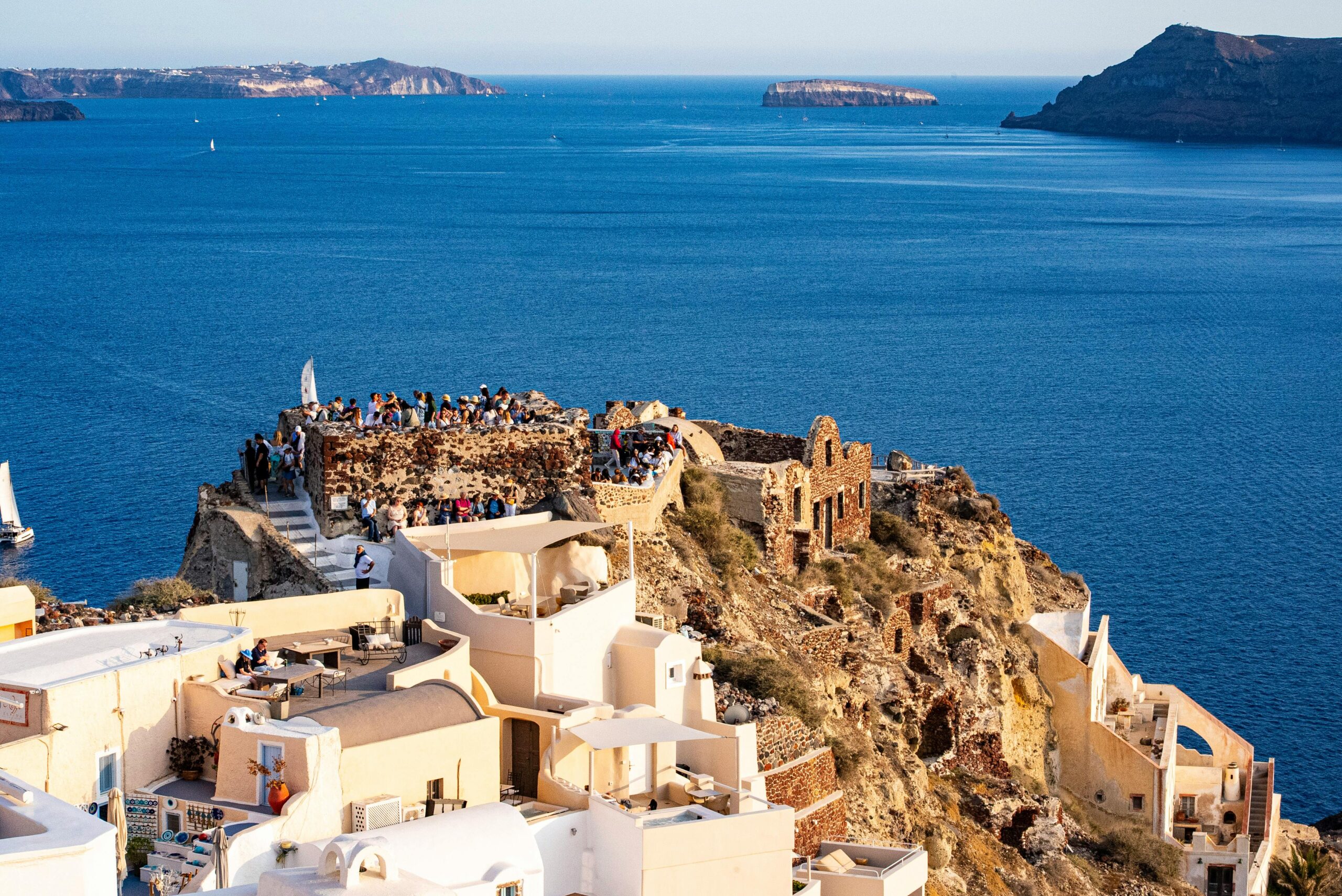
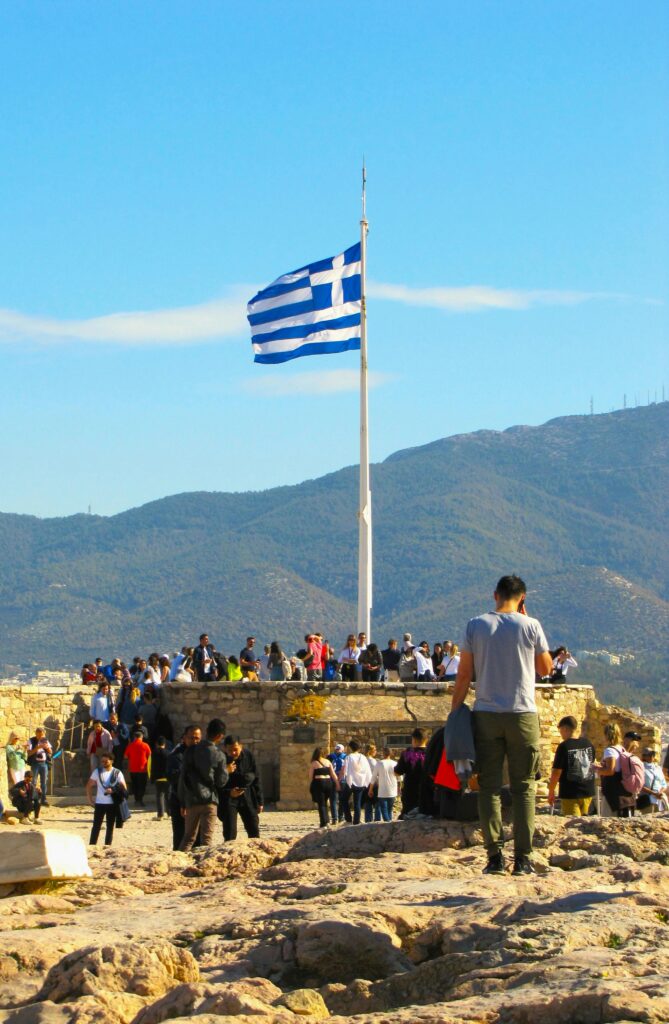
As Greece confronts its second major heatwave of the season, authorities have taken decisive actions to safeguard both residents and tourists from the extreme temperatures. The iconic Acropolis in Athens was temporarily closed on Tuesday, July 8, 2025, from 1 p.m. to 5 p.m., as temperatures soared to 41°C (107.6°F) in some regions. This closure aims to protect visitors from heat-related health risks, especially given the site’s limited shade and high exposure to the sun.
Nationwide Measures Implemented
In response to the escalating heat, the Greek government has enforced several precautionary measures:
- Work Restrictions: Outdoor work has been suspended from midday to 5 p.m. in various regions, including Thessaloniki, parts of the mainland, and the southern Peloponnese. This affects sectors such as construction, food delivery, and shipyards. Employers failing to comply face fines of €2,000 ($2,350) per worker.
- Public Warnings: Citizens are advised to stay indoors during peak heat hours, stay hydrated, and avoid strenuous activities.
- Wildfire Alerts: The risk of wildfires is heightened due to the combination of high temperatures and strong winds. Authorities are on high alert, especially in the eastern mainland regions.
Impact on Tourism and Daily Life
The Acropolis, a UNESCO World Heritage site and one of Greece’s most visited landmarks, has seen closures during previous heatwaves. Tourists are encouraged to plan visits during cooler morning or evening hours and to take necessary precautions, such as wearing hats, using sunscreen, and carrying water.
Beyond Athens, other regions have also felt the heatwave’s effects. In northeastern Spain, for instance, a wildfire in Tarragona province burned approximately 3,000 hectares, prompting authorities to instruct around 18,000 residents to remain indoors. This underscores the broader European challenge of managing extreme weather events.
Frequently Asked Questions
Q1: Why was the Acropolis closed during the heatwave?
The Acropolis was closed to protect visitors from potential heat-related illnesses, as the site offers minimal shade and temperatures reached dangerous levels.
Q2: Are other tourist sites in Greece affected?
While the Acropolis is the most prominent closure, other archaeological sites may also adjust operating hours based on local conditions. It’s advisable to check ahead before planning visits.
Q3: What precautions should tourists take during the heatwave?
Tourists should avoid outdoor activities during peak heat hours (typically 12 p.m. to 5 p.m.), stay hydrated, wear light clothing, and seek shaded or air-conditioned areas.
Q4: How long is the heatwave expected to last?
According to the Greek meteorological service, the current heatwave is expected to persist through Wednesday, with conditions potentially worsening due to strong winds.
Q5: What measures are in place for outdoor workers?
The government has mandated work stoppages for outdoor laborers during the hottest parts of the day. Employers must comply or face significant fines.
As climate patterns shift, Greece and other southern European nations continue to adapt to the increasing frequency and intensity of heatwaves, implementing measures to protect both residents and the millions of tourists who visit each year.
Sources BBC

