
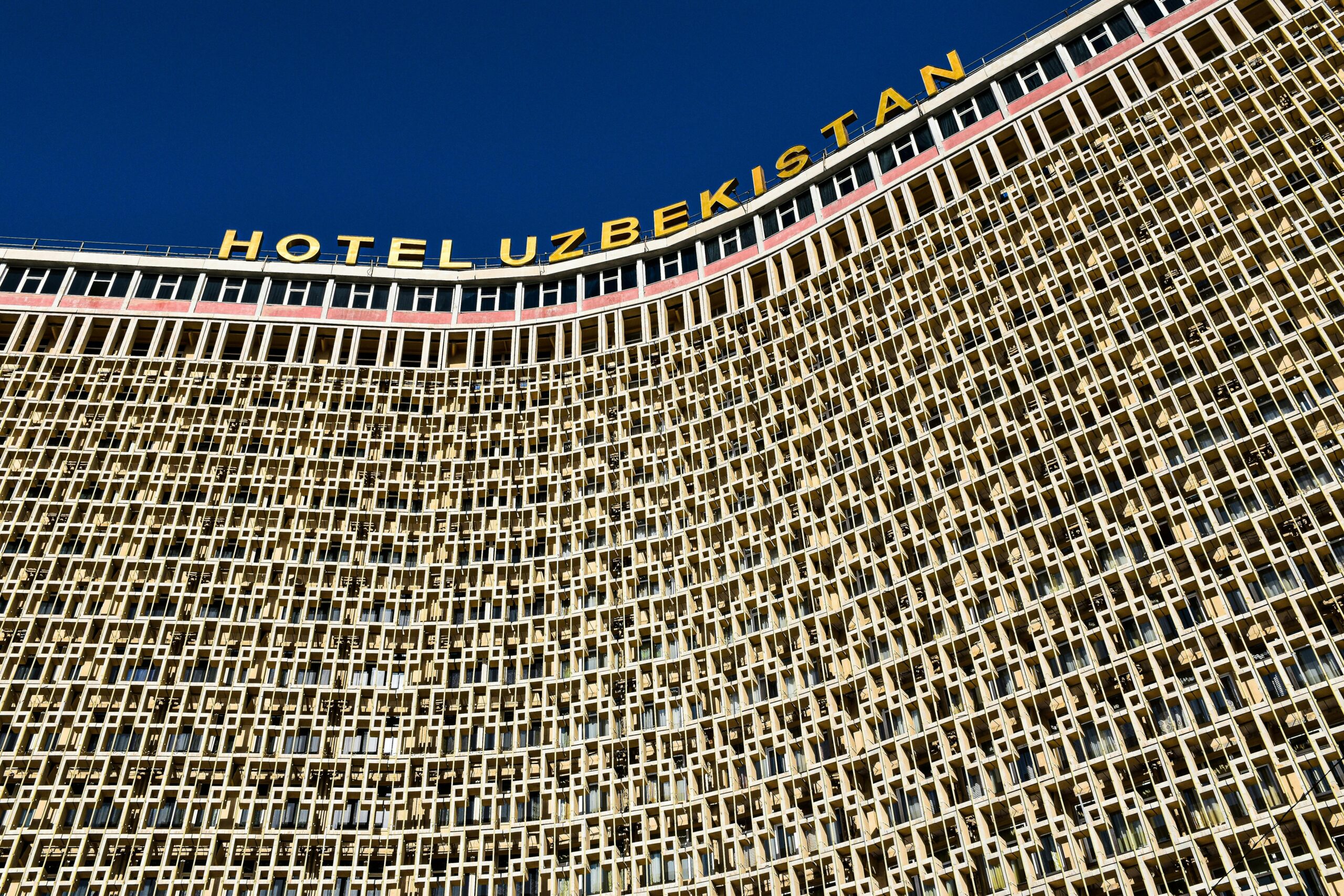
Just two hours from Tashkent lies a breathtaking alpine corridor of soaring peaks, emerald valleys, and crystal-blue reservoirs—a hidden gem for sustainable travelers. Here’s an enhanced look at how Uzbekistan is transforming these landscapes into a model of eco-conscious tourism.
🌊 Alpine Highlights Near Tashkent
- Charvak Reservoir: Built in the 1970s, this artificial lake is now a hub for water sports, hiking, and family outings.
- Amirsoy Mountain Resort: Launched in 2019 in the Western Tien Shan, it’s now Central Asia’s premier ski resort—with 15 km of slopes and plans to expand to 28 km—earning comparisons to St. Moritz.
- Green Hills Resort: Known for its lavender fields, forest trails, and summer family leisure activities.
- Birchmulla village: A traditional mountain farming community where you can experience rural life amid highland vistas.
🌱 Beyond the Resorts: Community & Conservation
| Aspect | Details |
|---|---|
| Local Homestays | Remote villages host homestays offering authentic farming lifestyles, community cooking, and personal guides. |
| Protected Areas Access | National parks like Ugam-Chatkal and Zaamin offer eco-lodging, hiking, wildlife watching, and cultural immersion. |
| Cultural Heritage | Explore petroglyphs, mountaintop shrines, and tribal customs integrated with outdoor adventure. |
| Eco-Infrastructure | Investment into solar-powered chalets, community-run tour operations, and trail maintenance collaborates with sustainability efforts. |
🎯 What the Original Story Missed
- Zaamin National Park: A biodiversity hotspot dubbed “Switzerland of Uzbekistan,” with over 700 plant species and rare fauna like snow leopards and black storks.
- Amirsoy’s Year-Round Role: Beyond winter sports, it’s marketed for all-season visits with eco-friendly chalets and green infrastructure.
- Cross-Border Wilderness Corridors: Areas like Ugam-Chatkal connect with Kazakhstan’s Sayram-Ugam park, forming transnational conservation zones.
- Strategic Ministry Support: The government integrates ecological tourism via protected-area policies and regional green party representatives.
- Community-Led Models: Collaborative projects between local NGOs and academic institutions like UrSU ensure rural benefits and conservation outcomes.
❓ Frequently Asked Questions
Q1: How can travelers visit these alpine areas?
From Tashkent, chartered minivans or private cars reach Charvak, Amirsoy, and national parks in about 2 hours. Homestays are arranged through local eco-tour operators.
Q2: Is Uzbekistan’s alpine tourism eco-friendly?
Yes—initiatives feature solar chalets, community guiding, and conservation programs, with many areas under national park protection.
Q3: What wildlife might I see?
Expect to spot ibex, lynx, and diverse birdlife. Zaamin boasts over 150 bird species and endangered fauna like snow leopards and black storks.
Q4: When is the best time to visit?
Spring to autumn offers lush valleys and lavender blooms; winter (Dec–Feb) is ideal for skiing at Amirsoy. Avoid mid-summer heat.
Q5: Can small villages accommodate tourists?
Absolutely—places like Birchmulla and homestays near Sentob provide basic yet comfortable lodging, home-cooked meals, and genuine cultural interaction.
🌐 Final Take
Uzbekistan is carving out a niche in sustainable mountain tourism—from solar-powered resorts to remote village lifescapes and protected wilderness. With expanding infrastructure, cross-border conservation, and deep community involvement, these alpine havens are emerging as models for eco-friendly, culturally rich travel in Central Asia.
Sources Euro News

