
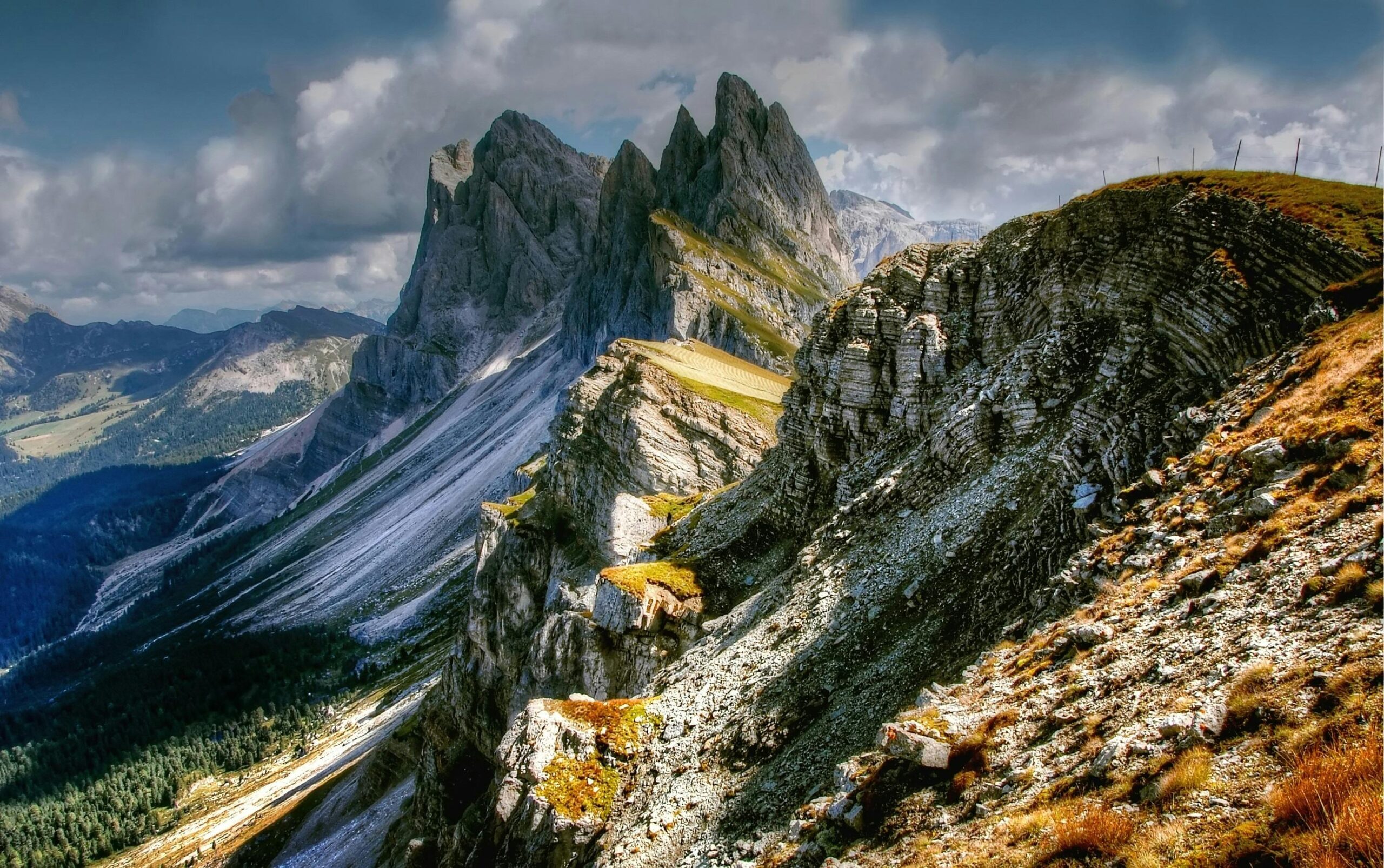
With 8,000 tourists visiting a private scenic route in the Dolomites in a single weekend, local landowners are mounting a plan to charge a small fee for access. The initiative is aimed at mitigating over-tourism, preserving the environment, and funding trail maintenance.
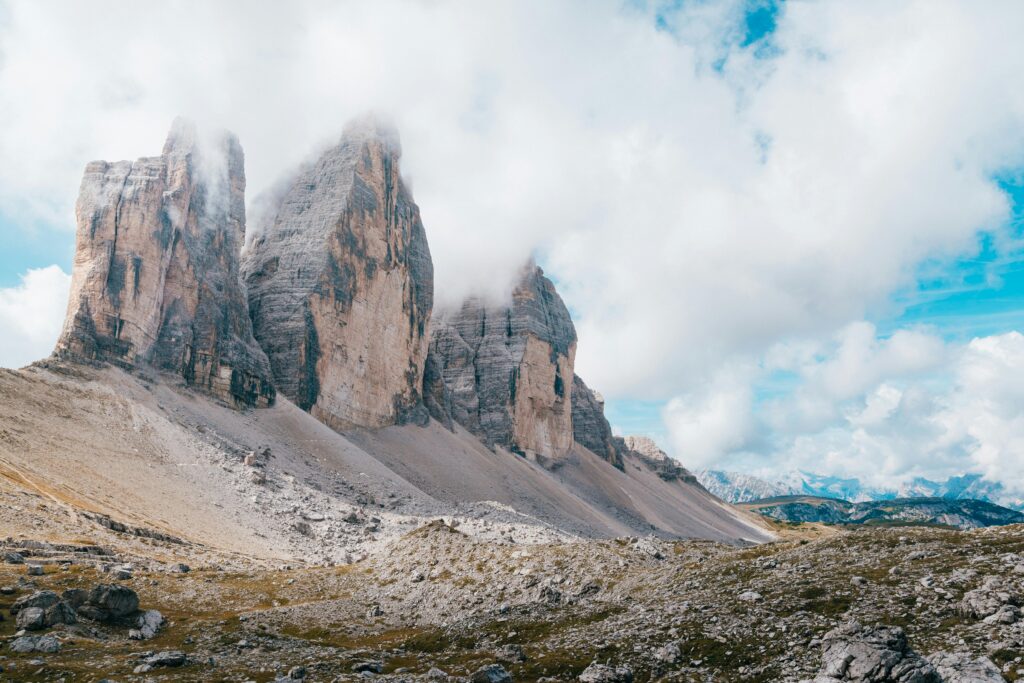
🚶♂️ What’s Happening?
A private stretch of mountain road and trail in the Dolomites—Italy’s UNESCO-listed alpine range—saw a record surge in visitors, sparking concerns about overcrowding, erosion, and disturbance to fragile alpine ecosystems.
In response, landowners have proposed a nominal entry fee—estimated at €5 per visitor—to limit use, support upkeep, and encourage responsible tourism.
🌄 Why Now? The Context of Overtourism
The broader region has experienced massive growth: Trentino-Alto Adige alone received 34 million visitors in 2022, with numbers rising further in 2023.
Local residents and environmentalists are expressing alarm over traffic jams, housing inflation, and degradation of natural habitat from unsustainable footfall. Some voices are calling the Dolomites a “Disneyland” of tourism, no longer tranquil or pristine.
This has led other Alpine towns in Europe—particularly in Switzerland—to explore similar entry-fee schemes to control day-trippers and manage flow.
🛠 What the Proposal Aims to Achieve
- Crowd management: Limiting peak day volumes through modest pricing
- Trail conservation: Generating funds to maintain paths, signage, sanitation, and erosion control
- Behavior change: Discouraging casual “drive-by” visits and promoting deeper, respectful engagement with mountain environments
📌 How It Compares: Tourist Fees Across Europe
| Destination | Fee Type | Approximate Amount |
|---|---|---|
| Dolomites trail (proposed) | Private land entry fee | €5 per person |
| Venice, Italy | City access tax | €5 per day |
| Lauterbrunnen, Switzerland | Day-visitor fee (being considered) | CHF5–CHF10 |
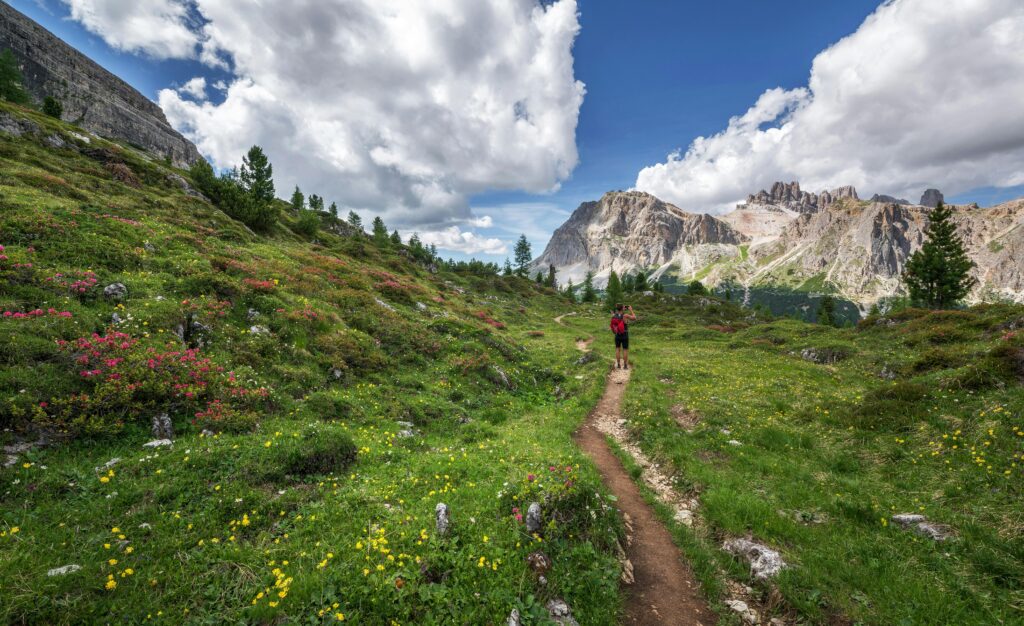
🌿 Broader Impacts: Sustainability and Cultural Balance
- Environmental Protection: Fees can reduce erosion and habitat loss in high-traffic areas.
- Economic Equity: Revenues will support local communities and preserve infrastructure threatened by seasonal overuse.
- Tourist Experience: Better-managed flow means more enjoyable, less crowded visits.
- Cultural Respect: Encourages visitors to view these natural sites as fragile heritage rather than free-for-all.
❓ Frequently Asked Questions (FAQs)
Q: Why charge a fee now?
Because overcrowding is causing environmental strain, infrastructure breakdown, and disruption to local life. A fee can help moderate peak use and fund upkeep.
Q: How much would the fee cost?
Landowners propose around €5 per person for access to the scenic route—not including parking or transportation.
Q: Is this common in the region?
Not yet, but similar small-scale fees are being discussed or implemented in European mountain regions like Switzerland and Venice to balance tourism with preservation.
Q: Will it limit access entirely?
No—it aims to regulate, not prohibit. Visitors still enjoy the landscape—but those coming in large numbers may be asked to contribute to preservation.
Q: Who benefits from the fees?
Funds would go primarily to maintenance of trails, parking, restroom facilities, and support of local farming communities affected by visitor pressure.
Q: Does it apply year-round?
Currently intended for peak summer weekends and high-traffic periods when trails see the most strain.
Q: Are there legal barriers?
The route is privately owned—so landowners have more leverage to require entry fees. However, wider municipal regulations may need alignment if scaled regionally.
🏁 Final Reflections
This pilot model from the Dolomites underscores a growing movement: managing tourism through targeted, modest fees that reflect respect for natural heritage. By pairing visitor access with stewardship responsibilities, it offers a promising blueprint for sustainable destination management—not just in the Alps but in overcrowded travel destinations worldwide.
Sources Euro News

