
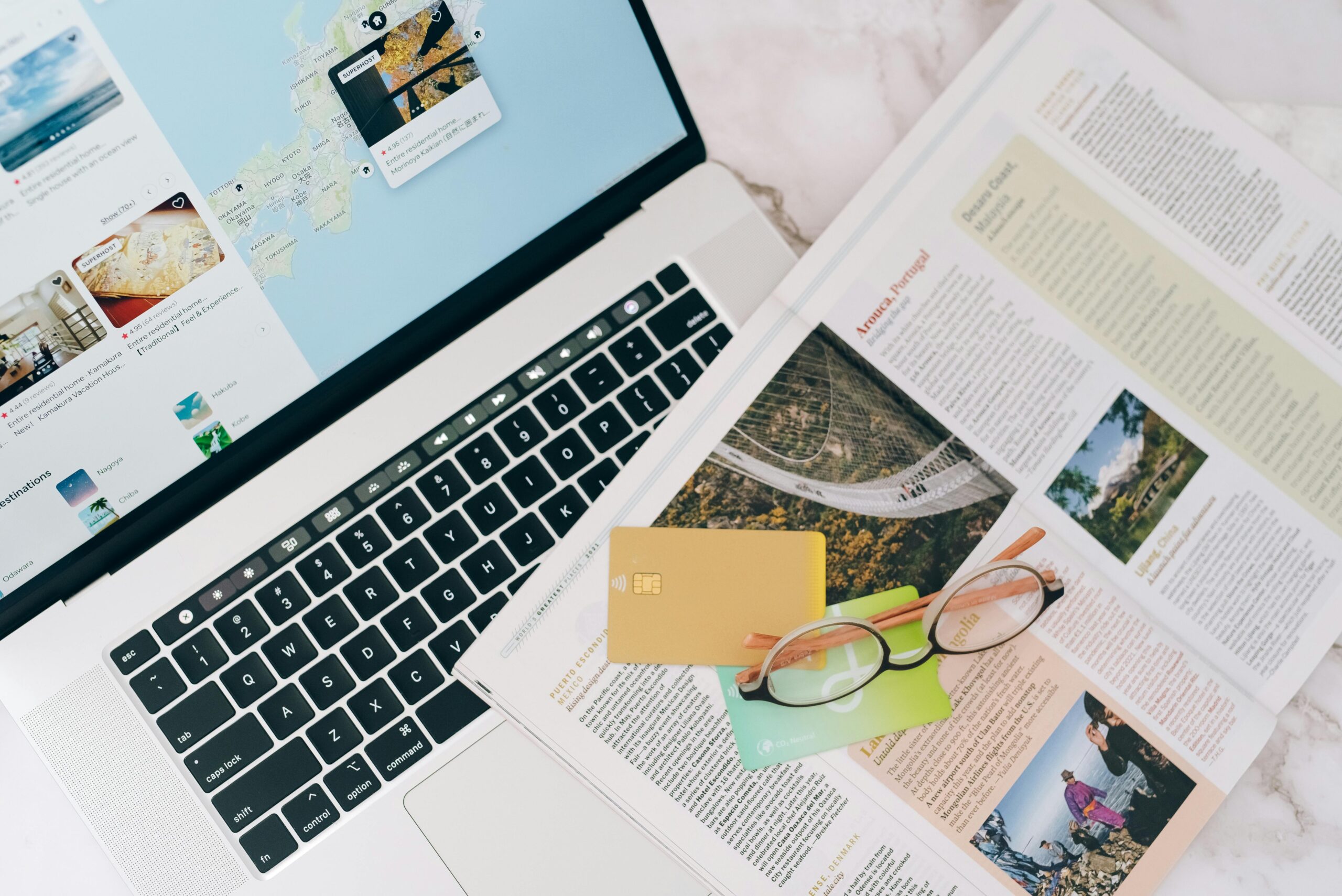
In our hyper-connected world, taking a proper holiday is surprisingly difficult. Many of us bring work, emails, and stress into our downtime. Business leaders across industries have learned to intentionally disconnect, delegate responsibilities, and set boundaries to preserve rest and recovery. They model behaviors such as checking emails only once a day, scheduling “Golden Time” for family, and including recovery days after travel.
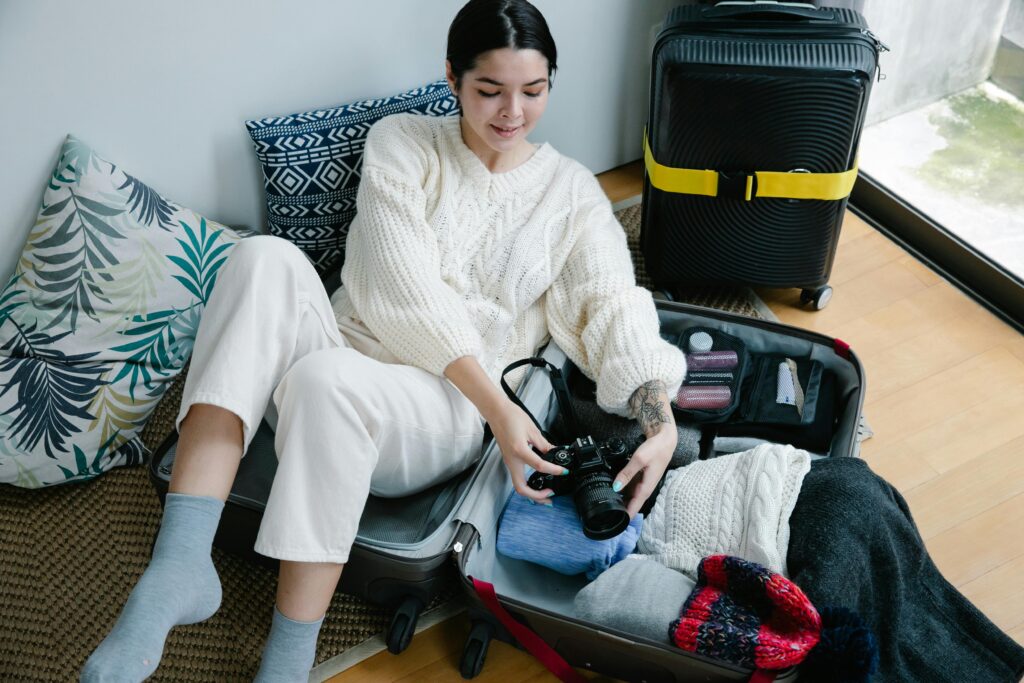
What’s Often Missing: A Deeper Look at Strategies & Resources
1. Embrace the Power of “Slowcations”
Rather than packing every day with sights and activities, slowcations encourage immersion—lingering longer in one destination, savoring local culture, and deeply resting. This trend fosters well-being, supports local communities, and reduces travel stress.
2. How Holidays Boost Your Well-Being (and How to Prolong It)
Science shows that vacations bring emotional recovery, mental clarity, increased creativity, and improved relationships. But well-being often drops quickly after returning, unless control and relaxation are sustained by intentional planning and mindfulness.
3. The Health Case for Travel—When Done Right
Biometric studies reveal that while long-haul trips may temporarily disrupt sleep and physiological readiness, domestic or shorter trips can actually elevate sleep quality and resilience—underscoring the value of strategic, healthy rest during holidays.
4. Slow Productivity: Let Rest Fuel Creativity
Stepping back from constant activity—whether through choice or necessity—can restore empathy, clarity, and creative energy. Slowing down can be a radical act of productivity and connection.
5. Plan Work Boundaries to Actually Disconnect
Easy access to email and work apps undermines rest. Experts suggest pre-setting boundaries: automatic email replies, scheduled check-ins, deleting work apps, or phone “off” modes can shield personal time effectively.
FAQs: Common Questions About Taking a Real Holiday
1. Is it okay to check work during my holiday?
Yes—but only if it’s intentionally limited. Checking once a day or only for emergencies helps maintain peace of mind without slipping back into work mode.
2. What is a “slowcation,” and is it worth trying?
A slowcation means staying longer in one place, going deeper rather than broader. Travelers report lower stress, more meaningful experiences, and better relaxation.
3. How can I make vacation benefits last longer?
Use stress-free activities you control—mindfulness, rituals, unscheduled days—and manage your return by scheduling buffer days or light work on your first day back.
4. Does vacation actually improve health?
Yes—vacations aid cardiovascular health, relationships, sleep, and creativity. But the benefits fade quickly unless you intentionally anchor relaxation through routines and mental breakpoints.
5. Are short trips better than long trips?
They can be. One study found that short domestic trips raised sleep and readiness scores, even if international trips brought excitement but also disruptions.
6. How can slowing down be transformative?
Unplanned slower periods—whether through a break or forced rest—can improve mood, empathy, and creative thinking by pulling away from constant productivity.
7. How can I prepare to really unplug?
Set out-of-office alerts, delegate responsibilities, communicate availability ahead of time, consider removing work apps, and plan a recovery buffer for when you return.
Key Takeaways
- Successful holidays are intentional: they require planning for disconnection, boundary-setting, and inviting real rest.
- Slowcations and short trips are powerful alternatives to rushed itineraries.
- Health, creativity, and relationships benefit deeply from mindful and well-structured breaks.
- Returning mindfully—rather than jumping straight back to full pace—prolongs and maximizes vacation’s positive effects.
Sources Financial Times

