
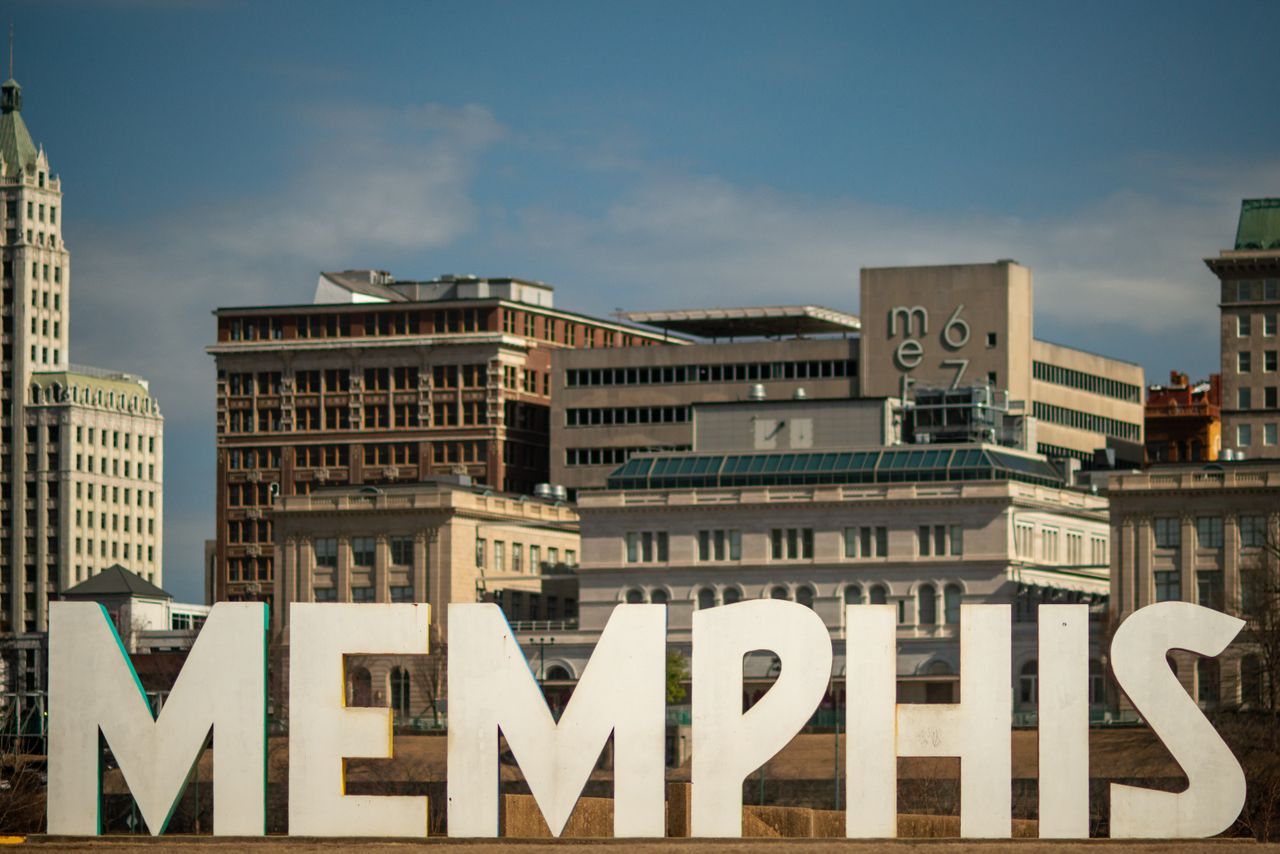
A New Chapter for the Home of the Blues and Rock ’n’ Roll
Memphis has never struggled to attract attention from music lovers. The birthplace of influential blues, soul and rock ’n’ roll traditions has long drawn visitors to legendary recording studios, historic music venues and the home of Elvis Presley. But in 2027, the Tennessee city has another reason to welcome international attention: a growing cultural scene that reaches well beyond its musical legacy.
Condé Nast Traveler has named Memphis one of its 27 Best Places to Go in 2027, placing it among a select group of destinations highlighted for their cultural attractions, new developments and travel experiences. Memphis and San Diego are the only two American destinations included in the magazine’s global selection.
The recognition is particularly significant because it reflects a changing image of Memphis. The city is building on its established identity while investing in contemporary art, museums, riverfront attractions, live entertainment, restaurants and new hotels.
In its November 15, 2026, coverage, Condé Nast Traveler described Memphis as Tennessee’s other major music city, highlighting an evolving arts scene that is gaining momentum. The magazine pointed to the reopening of the Memphis Art Museum, the expanded National Civil Rights Museum, the Metal Museum’s new home, emerging music venues and restaurants recognized by the Michelin Guide.
This recognition also arrives as Memphis prepares to commemorate the 50th anniversary of Elvis Presley’s death in 2027.
For travellers considering a visit, the message is clear: Memphis is not simply a destination for looking back at American music history. It is a city actively developing new reasons to explore its culture, creativity and communities.
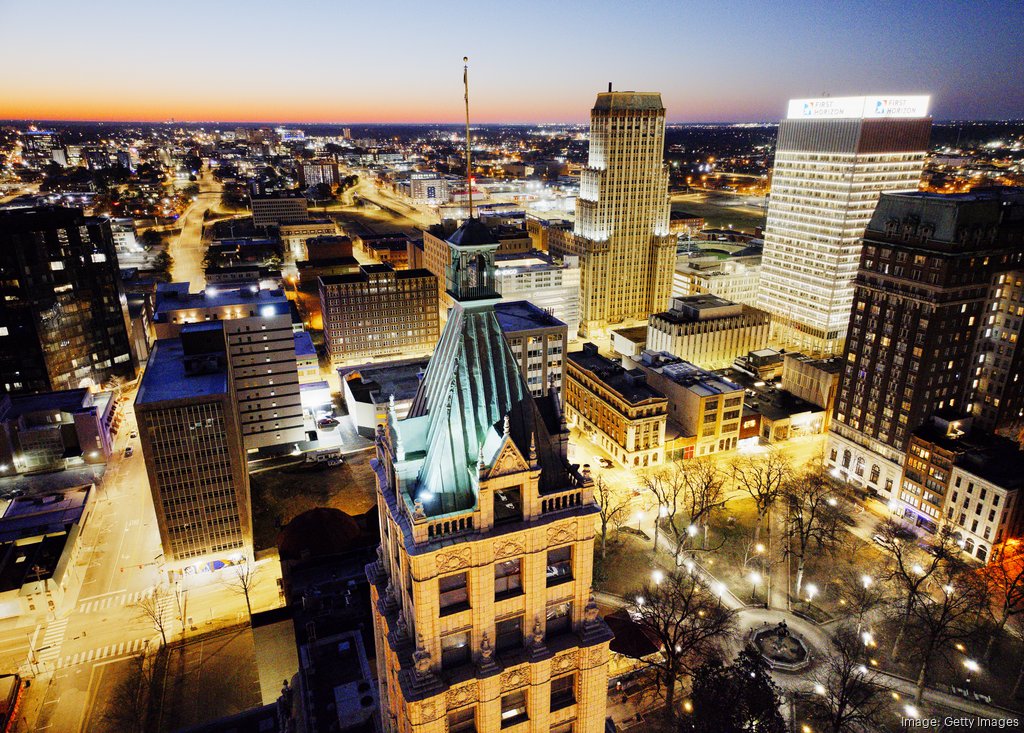
Why Condé Nast Traveler Selected Memphis for 2027
The annual Condé Nast Traveler destination lists are designed to identify places that offer compelling reasons to visit in the coming year. Rather than focusing only on traditional sightseeing, the magazine considers new experiences, cultural developments, hospitality and the wider character of a destination.
Memphis stood out because several important projects are coming together at the same time.
The city has a strong historical foundation, including its influence on blues, soul and rock music, its role in the American civil rights movement and its distinctive food culture. New investment in museums, public spaces and entertainment is adding another dimension to that identity.
The selection also demonstrates that Memphis can compete for international attention alongside destinations with very different attractions, from Caribbean islands and Canadian wilderness areas to wine regions and major coastal cities.
It is important to understand that the designation is an editorial recommendation, not a formal ranking of the world’s cities. Being included does not mean Memphis has been declared objectively better than other destinations. It means the magazine’s writers and editors believe the city offers particularly interesting experiences for travellers in 2027.
For Memphis, that international exposure could help attract visitors who might previously have associated Tennessee tourism mainly with Nashville, country music and the state’s natural attractions.
The Memphis Art Museum: A Major New Cultural Attraction
One of the most important developments behind the recognition is the reopening of the Memphis Art Museum in downtown Memphis.
The institution, formerly known as the Memphis Brooks Museum of Art, is the state’s oldest and largest art museum. Its new downtown cultural campus represents a significant investment in the city’s artistic future.
The museum is scheduled to open its new facilities on December 6, 2026, following a major redevelopment. The reimagined three-acre campus includes a 10,000-square-foot courtyard and a rooftop sculpture garden.
The project is more than a change of address. It is intended to create a more visible cultural destination in the heart of the city, connecting visitors with art, architecture and the surrounding downtown environment.
Exhibitions Connecting Art and Memphis History
The museum’s inaugural programme includes exhibitions that explore the relationship between art, identity and history.
One exhibition, Rhapsodies in Black, examines the connections between jazz and Black American abstraction. It offers an opportunity to consider how music, visual expression and African American cultural experiences have influenced one another.
Another exhibition, Making Beauty: Hooks Brothers Studio, 1907–1984, explores the work of the Hooks Brothers photography studio, which documented Black life in Memphis across much of the twentieth century.
These exhibitions are particularly relevant to Memphis because the city’s cultural history cannot be separated from the experiences and contributions of its African American communities.
The museum’s development also helps broaden the city’s tourism appeal. Visitors who already know Memphis through music and civil rights history will have another reason to spend time downtown.
The museum has announced free admission for Shelby County residents, reinforcing its role as a cultural institution for the local community as well as an attraction for visitors.
The National Civil Rights Museum Expands Its Story
Memphis occupies a central place in American civil rights history. The city was the location of Dr. Martin Luther King Jr.’s assassination on April 4, 1968, at the Lorraine Motel.
Today, the National Civil Rights Museum preserves and explains the history of the American civil rights movement at the site.
Its latest development, the Legacy Experience, adds a new dimension to that story.
Officially reopened on May 16, 2026, the expansion carries the discussion of civil and human rights beyond 1968 and into contemporary society.
From Historical Events to Present-Day Challenges
The $38 million Legacy Experience features interactive galleries addressing issues including:
- Poverty and economic opportunity.
- Education and equal access.
- Housing and community development.
- Gender equality.
- Nonviolence and social change.
The expansion is important because civil rights history is not simply a record of events that happened decades ago. Many of the issues that shaped the movement continue to influence public debate, political decisions and everyday life.
By connecting historical struggles with modern challenges, the museum gives visitors a broader understanding of how the pursuit of equality has developed.
For international visitors, it also offers a valuable introduction to the social history of the United States.
A visit to the National Civil Rights Museum can be emotionally demanding, but it is one of the most meaningful experiences available in Memphis. It helps explain the historical context behind the city’s music, neighbourhoods, cultural identity and continuing conversations about race and opportunity.
The Metal Museum Finds a New Home in Overton Park
Another important addition to Memphis’s cultural landscape is the Metal Museum, which celebrated the opening of its new facility in September 2026.
The museum moved into the former Memphis College of Art building at Rust Hall in Overton Park. Its new home provides approximately three times the space of its previous facility in Southwest Memphis.
The institution is unusual because it focuses on the art and craft of working with metal.
Its exhibitions and educational activities explore blacksmithing, metal sculpture, decorative metalwork and other forms of craftsmanship. Visitors can learn about the technical skills, creativity and history involved in transforming metal into functional objects and works of art.
The move also gives the museum a stronger connection to Overton Park, one of Memphis’s important cultural and recreational areas.
For tourists, the Metal Museum offers an experience different from conventional art galleries. It demonstrates how artistic expression can involve physical materials, specialized skills and traditional techniques.
Its expanded facilities could also create more opportunities for educational programmes, demonstrations, exhibitions and partnerships with artists.
Memphis’s Music Heritage Remains Its Biggest Attraction
Although new cultural developments are attracting attention, music remains central to Memphis’s identity.
Few American cities have contributed as much to the development of modern popular music.
Memphis helped shape blues, gospel, soul and rock ’n’ roll. Its recording studios, musicians and independent music traditions influenced generations of performers around the world.
Beale Street: The Heart of Memphis Nightlife
<underline>Beale Street</underline> is one of the city’s best-known attractions.
The historic entertainment district is associated with the development of blues music and remains a popular place to experience live performances, restaurants, bars and nightlife.
Its significance goes beyond entertainment. Beale Street represents the contribution of African American musicians, entrepreneurs and cultural communities to the development of American music.
Visitors can experience performances in intimate clubs, discover historic venues and explore nearby music attractions.
The atmosphere changes throughout the day, but evenings are particularly popular for travellers who want to experience Memphis’s live music culture.
Sun Studio: Where Musical History Was Made
<underline>Sun Studio</underline> is another essential stop for music enthusiasts.
The recording studio is closely associated with the early careers of Elvis Presley, Johnny Cash and Jerry Lee Lewis. It played an important role in the emergence of rockabilly and early rock ’n’ roll.
Its historical importance lies in the way different musical traditions came together in one recording environment.
Blues, country, gospel and rhythm and blues influenced the sound that helped shape modern popular music.
A visit provides insight into the recording technology, musicians and creative atmosphere of an era that transformed the music industry.
Graceland and the Legacy of Elvis Presley
Elvis Presley’s former home, remains one of Memphis’s most recognizable tourist attractions.
The property allows visitors to explore the singer’s life, career and personal history through exhibitions, memorabilia and preserved rooms.
For many international travellers, Graceland is the primary reason to visit Memphis.
The attraction also provides an opportunity to understand Elvis’s wider cultural influence, including his impact on music, fashion, entertainment and popular culture.
Stax Museum and the History of Soul Music
The Stax Museum of American Soul Music offers a different perspective on the city’s musical heritage.
Located at the original site of Stax Records, the museum explores the development of Southern soul and the musicians who helped establish its international reputation.
Its story includes the contributions of artists such as Otis Redding, Isaac Hayes and Booker T. & the M.G.’s.
Together, Graceland, Sun Studio, Beale Street and Stax provide a broader picture of Memphis than any single music attraction can offer.
The 50th Anniversary of Elvis Presley’s Death: A Major Tourism Opportunity in 2027
Elvis Presley died on August 16, 1977. The year 2027 will therefore mark the 50th anniversary of his death.
The milestone is expected to bring renewed attention to Memphis and Graceland, particularly among international Elvis fans.
Anniversary events can generate substantial travel interest because they give fans a specific reason to visit a destination at a particular time.
Potential visitor activities include commemorative events, special exhibitions, concerts, fan gatherings and programmes exploring Elvis’s musical influence.
The anniversary also creates opportunities for Memphis to connect different generations of visitors.
Longtime fans may travel to revisit important locations associated with the singer, while younger visitors may discover his music through family connections, documentaries, films and contemporary artists.
However, the broader opportunity is not limited to Elvis tourism.
Memphis can use the anniversary to encourage visitors to explore other aspects of the city, including the civil rights museum, Stax, Sun Studio, local restaurants and contemporary arts attractions.
That approach would help distribute tourism spending across more businesses and cultural institutions.
A New Generation of Live Music Venues
Memphis’s musical identity is not confined to historic studios and established entertainment districts.
The city is also developing new venues that can attract contemporary audiences and support emerging performers.
One of the most significant additions is Grind City Amp, a 4,500-seat outdoor entertainment venue that opened in April 2026.
The venue expands the city’s ability to host larger concerts and live events, potentially attracting touring performers and audiences from surrounding states.
Another development is Satellite Music Hall, which opened in September 2026. Its intimate vinyl-focused environment offers a different experience from large concert venues.
These additions demonstrate how Memphis is trying to preserve its musical traditions while developing new forms of entertainment.
A successful music destination needs more than famous historical locations. It also needs active venues, musicians, audiences and opportunities for new creative work.
For visitors, that means a trip to Memphis can include both a tour of historic recording studios and an evening listening to contemporary performers.
Michelin Recognition Is Raising Memphis’s Culinary Profile
Food has always been an important part of the Memphis tourism experience.
The city’s culinary identity is closely associated with barbecue, particularly hickory-smoked ribs, pulled pork and distinctive regional sauces.
However, the local dining scene is becoming more diverse and increasingly visible to international food travellers.
The inaugural Michelin Guide American South edition recognized five Memphis restaurants, giving the city additional recognition in the competitive restaurant industry.
One notable example is Hog & Hominy, which received a Bib Gourmand designation.
The Bib Gourmand recognizes restaurants offering good-quality food at comparatively accessible prices. It is different from Michelin stars, which are awarded through a separate evaluation system.
The recognition matters because it challenges the assumption that Memphis dining is defined only by traditional barbecue.
What Should Visitors Eat in Memphis?
First-time visitors should still make time for the city’s signature dishes.
Popular choices include:
- Dry-rub barbecue ribs: Pork ribs seasoned with a spice mixture before or during cooking.
- Wet ribs: Ribs finished with barbecue sauce.
- Pulled pork: Slow-cooked pork served in sandwiches or with traditional sides.
- Smoked sausage: A common addition to barbecue plates.
- Soul food: Traditional dishes influenced by African American Southern cooking.
- Memphis-style barbecue sandwiches: Often served with slaw and barbecue sauce.
Beyond barbecue, visitors can explore independent restaurants, bakeries, contemporary Southern cooking and international cuisines.
The Michelin recognition could encourage more travellers to include Memphis in culinary itineraries rather than treating food as a secondary part of a music-focused trip.
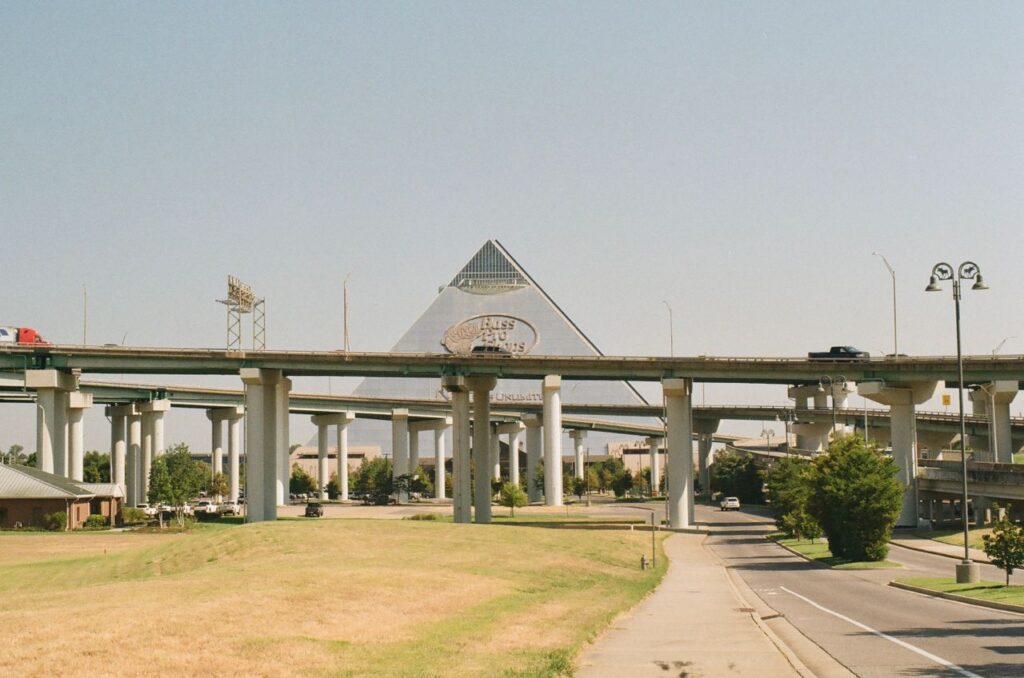
The Memphis Flyway and the City’s Mississippi Riverfront
Another development highlighted by Condé Nast Traveler is the Memphis Flyway, an elevated riverfront walkway in Tom Lee Park that opened in June 2026.
The project gives visitors a new way to experience the Mississippi River and the surrounding natural environment.
The walkway is particularly interesting for bird-watchers because it intersects with several major migratory routes.
This adds an outdoor and ecological dimension to a city better known internationally for music and food.
Why the Mississippi River Matters
The Mississippi River has played an important role in Memphis’s development.
Historically, it supported trade, transportation and economic activity, helping establish the city as a significant commercial centre.
It also influenced the movement of people, musical traditions and cultural ideas throughout the American South.
Today, the riverfront offers visitors opportunities for walking, cycling, sightseeing and recreation.
Tom Lee Park provides open space along the river, while Big River Crossing offers a pedestrian and cycling route across the Mississippi River between Memphis and West Memphis, Arkansas.
Riverboat excursions and waterfront activities can also provide a different perspective on the city.
These experiences are important because they encourage visitors to spend more time outdoors rather than limiting their itineraries to museums and entertainment districts.
Why Memphis Is More Than a Music Destination
The latest tourism recognition highlights an important development: Memphis is becoming a more diversified cultural destination.
Its attractions appeal to different types of travellers.
History and Civil Rights Tourism
The National Civil Rights Museum, historic neighbourhoods and landmarks associated with the movement attract visitors interested in American history, social justice and political change.
Art and Cultural Tourism
The Memphis Art Museum and Metal Museum add new reasons for art enthusiasts to visit.
Music Tourism
Graceland, Sun Studio, Beale Street and the Stax Museum continue to attract music fans from around the world.
Culinary Tourism
Barbecue restaurants, soul food establishments and Michelin-recognized dining options help position Memphis as a destination for food-focused travel.
Outdoor and Family Tourism
Tom Lee Park, the Memphis Flyway, Shelby Farms Park and the Memphis Zoo provide opportunities for outdoor activities and family visits.
This variety is commercially important. A destination that appeals to several visitor segments can attract different audiences throughout the year rather than depending on one attraction or event.
Tourism’s Economic Importance to Memphis
Tourism is not simply a marketing exercise. It is a significant part of the regional economy.
According to Memphis Tourism, the Memphis area welcomed approximately 15.1 million visitors in 2025.
The organization also reports that domestic visitor activity generated more than $4.2 billion in annual economic impact in 2024, the latest full-year figure shown in its fact sheet.
Its figures also identify approximately 44,100 leisure and hospitality jobs in Shelby County in 2024.
These numbers demonstrate the importance of tourism to hotels, restaurants, entertainment venues, transportation providers, retailers and cultural institutions.
How Tourism Spending Reaches Local Businesses
A visitor’s spending can support many different parts of the local economy.
A typical trip may involve:
- Booking accommodation at a hotel or independent property.
- Eating at local restaurants.
- Buying tickets to museums and attractions.
- Hiring transport or joining guided tours.
- Purchasing souvenirs and products from local businesses.
- Attending concerts, sporting events or festivals.
This creates economic activity beyond the main tourist attractions.
The benefits can also extend to suppliers, event workers, artists, musicians, construction companies and other service providers.
However, visitor numbers alone do not tell the entire story. A successful tourism strategy must also consider how much visitors spend, how long they stay, which neighbourhoods benefit and whether local residents share in the economic gains.
New Hotels and Hospitality Investments Could Extend Visitor Stays
The development of new cultural attractions is being accompanied by investment in hospitality.
Condé Nast Traveler highlighted two projects that could strengthen Memphis’s accommodation options.
The Cooper Hotel is an art-focused boutique hotel planned for the city’s Midtown Arts District.
Another major project is the 160-room 100 N. Main Autograph Collection hotel, planned for the city’s tallest building.
These developments matter because new attractions are more valuable when visitors have suitable places to stay nearby.
Hotels also influence how long tourists remain in a destination. Travellers may be more willing to extend their visits when accommodation, restaurants and entertainment are conveniently located.
For Memphis, additional hotel options could help support cultural tourism, business travel, concerts and special events.
However, the success of these projects will depend on demand, pricing, service quality and the city’s ability to maintain a steady flow of visitors beyond major anniversaries and headline events.
How Memphis Can Turn International Recognition Into Long-Term Growth
Being named a top destination is valuable, but media attention does not automatically translate into sustainable tourism growth.
The city must turn interest into actual bookings, longer stays and spending across the wider community.
Several strategies could help.
1. Build Multi-Day Travel Experiences
Memphis has enough attractions to support a visit lasting several days.
Tourism planners can encourage visitors to combine music, civil rights history, art, food and outdoor activities rather than focusing on one attraction.
A two- or three-day itinerary, for example, could include the National Civil Rights Museum, Beale Street, Sun Studio, the Memphis Art Museum, Graceland and local restaurants.
Longer stays can increase visitor spending and create more opportunities for local businesses.
2. Promote Neighbourhoods Beyond Downtown
Downtown Memphis has many well-known attractions, but the city’s cultural identity extends into other neighbourhoods.
Midtown, South Memphis and other districts offer restaurants, independent businesses, music venues and community attractions.
Promoting these areas can spread visitor spending and help smaller businesses benefit from tourism.
3. Support Local Artists and Musicians
Memphis’s reputation depends heavily on its creative communities.
Tourism development should support local musicians, performers, craftspeople and independent cultural organizations.
This could include partnerships between hotels, venues, galleries and local artists.
The goal should be to ensure that cultural investment creates opportunities for the people who contribute to the city’s identity.
4. Improve Visitor Information and Transport
International visitors may be unfamiliar with Memphis’s geography and transport options.
Clear visitor information, reliable transportation, accessible attractions and well-planned itineraries can improve the overall experience.
Visitors should be able to move between downtown, Graceland, Midtown and other attractions without unnecessary confusion.
5. Protect the City’s Authentic Character
Tourism growth must also respect the communities that make Memphis distinctive.
Historic neighbourhoods, locally owned restaurants, independent music venues and cultural institutions should not become secondary to commercial development.
A destination’s long-term appeal depends partly on preserving the qualities that made visitors interested in it in the first place.
Challenges Facing Memphis’s Tourism Industry
Despite the positive publicity, Memphis still faces challenges that could affect its ability to convert international recognition into sustained growth.
Competition From Other American Destinations
Memphis competes with Nashville, New Orleans, Atlanta, New York and other cities for domestic and international visitors.
Its music history is a powerful advantage, but it must continue developing experiences that encourage travellers to choose Memphis rather than simply include it as a short stop on a wider road trip.
Public Safety and Visitor Confidence
Safety perceptions can influence travel decisions.
Tourism authorities, businesses and city leaders need to communicate accurate visitor information while working to maintain safe, welcoming public spaces.
A positive destination reputation depends on the experiences visitors actually have, not only on promotional campaigns.
Maintaining Cultural Authenticity
There is a risk that successful tourism development could turn cultural heritage into a commercial product disconnected from the communities that created it.
Memphis should continue supporting local artists, musicians, historians and neighbourhood businesses.
The city’s African American heritage and musical traditions should be presented with historical depth and respect.
Dependence on Major Events and Anniversaries
The 50th anniversary of Elvis Presley’s death could attract significant attention in 2027, but special events are temporary.
Long-term tourism success requires attractions, restaurants, hotels and cultural programmes that remain appealing after anniversary celebrations end.
Making Investment Deliver Long-Term Value
New museums, hotels and entertainment venues require continuing operating budgets, staffing and maintenance.
Their success should be measured not only by opening-day attendance but also by visitor satisfaction, repeat visits, financial sustainability and community benefit.
How to Plan a Visit to Memphis in 2027
For travellers inspired by the international recognition, Memphis offers several ways to build a rewarding itinerary.
Suggested Three-Day Memphis Itinerary
Day 1: Music and Memphis History
- Visit Sun Studio to explore the origins of rock ’n’ roll.
- Explore the Stax Museum of American Soul Music.
- Spend the evening enjoying live music and restaurants on Beale Street.
Day 2: Civil Rights and Contemporary Culture
- Set aside several hours for the National Civil Rights Museum and its Legacy Experience.
- Explore the new Memphis Art Museum after its December 2026 opening.
- Visit downtown galleries and enjoy the city’s restaurant scene.
Day 3: Elvis, Nature and the Riverfront
- Visit Graceland and explore Elvis Presley’s legacy.
- Spend time at Tom Lee Park and the Memphis Flyway.
- Consider walking or cycling across Big River Crossing for views of the Mississippi River.
This itinerary can be adjusted depending on interests. Music enthusiasts may want additional time at recording studios, while history-focused visitors may prefer a longer visit to the civil rights attractions.
When Is the Best Time to Visit?
Spring and autumn are often attractive periods for exploring Memphis because temperatures are generally more comfortable for walking and outdoor sightseeing.
Summer brings festivals, concerts and a lively visitor atmosphere, but the city can be hot and humid.
Winter may offer quieter travel periods, although visitors should check attraction schedules and special-event calendars before booking.
Travellers interested in the Elvis anniversary should monitor official Graceland announcements for confirmed 2027 programmes and ticket information rather than assuming every commemorative activity will take place on August 16.
The Bigger Picture: Memphis Is Reinventing Its Tourism Identity
Memphis’s inclusion in Condé Nast Traveler’s 2027 destination list is more than a promotional achievement.
It reflects a broader transformation in how the city presents itself to the world.
Its historic strengths remain powerful: blues, soul, rock ’n’ roll, barbecue and civil rights history. But new museums, expanded cultural institutions, contemporary music venues, improved riverfront spaces and evolving restaurants are giving the city a wider appeal.
The most promising aspect of this transformation is the connection between heritage and innovation.
Memphis is not abandoning its past to become a fashionable new destination. It is using its history as the foundation for new cultural experiences.
That approach could help the city attract a wider range of international travellers, encourage longer stays and support a more diverse tourism economy.
The challenge now is to make sure the benefits reach local communities and that new investment creates lasting value.
For visitors, 2027 could be an especially interesting year to discover Memphis. For the city itself, the recognition is an opportunity to prove that its cultural influence is not simply a story from the past—it is still being created.
Frequently Asked Questions (FAQs)
1. Why did Condé Nast Traveler name Memphis one of the best places to visit in 2027?
Condé Nast Traveler selected Memphis for its 2027 destination list because of its expanding arts scene, new museum developments, live music venues, restaurant recognition and growing hospitality offerings. Highlights include the new Memphis Art Museum, the expanded National Civil Rights Museum, the Metal Museum’s new facility and the city’s evolving entertainment scene.
2. What are the most popular tourist attractions in Memphis?
Major attractions include Graceland, Beale Street, Sun Studio, the National Civil Rights Museum, the Stax Museum of American Soul Music and the Memphis Art Museum. Visitors can also explore the Metal Museum, Shelby Farms Park, Tom Lee Park, the Memphis Flyway and Big River Crossing.
3. Why is Memphis important in American music history?
Memphis played a major role in the development of blues, gospel, soul and rock ’n’ roll. Its recording studios and music venues helped launch influential artists, including Elvis Presley, Johnny Cash, B.B. King and Otis Redding. Beale Street, Sun Studio, Graceland and the Stax Museum preserve important parts of this musical history.
4. What is happening in Memphis for the 50th anniversary of Elvis Presley’s death in 2027?
August 16, 2027, will mark 50 years since Elvis Presley died in 1977. The anniversary is expected to attract international attention and could include commemorative events, special exhibitions and fan activities at Graceland. Travellers should check official announcements for confirmed programmes and booking information.
5. How many tourists visit Memphis each year, and how important is tourism to its economy?
Memphis welcomed approximately 15.1 million visitors in 2025, according to Memphis Tourism. The organization’s fact sheet reports more than $4.2 billion in annual economic impact from domestic visitors in 2024 and approximately 44,100 leisure and hospitality jobs in Shelby County that year. Tourism supports hotels, restaurants, attractions, entertainment venues, transportation providers and local businesses.
Sources Memphis Business Journal